


Journalists Become Bridges of Compassion for Vulnerable Communities
For many journalists, the greatest reward comes long after a story is published. A phone call announcing that a child has recovered from illness, a struggling family has rebuilt its life or a student has returned to school reminds them that journalism can do more than report reality—it can help change it.
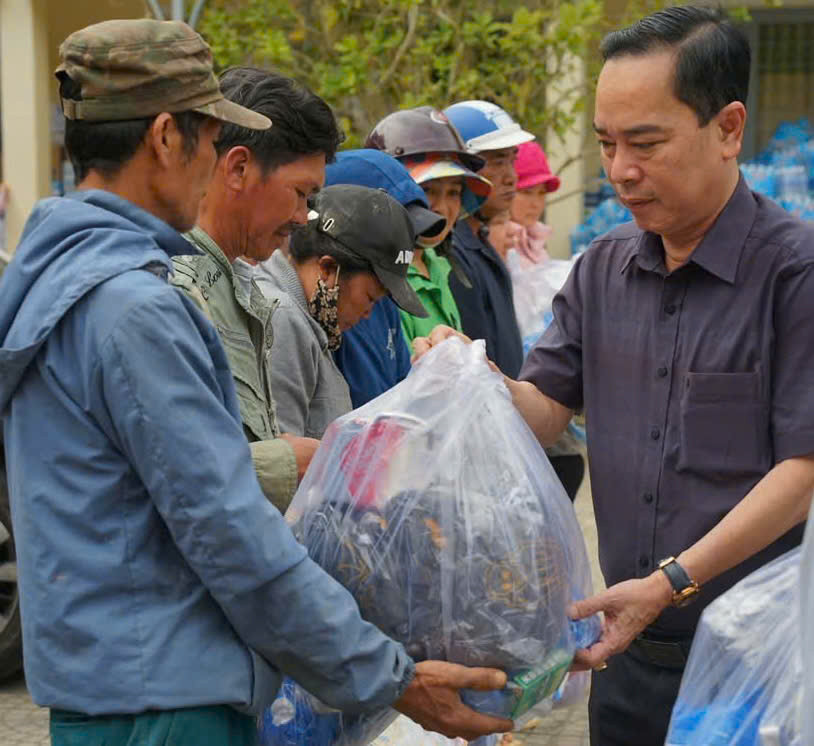
Across Lam Dong Province, humanitarian journalism has become a powerful bridge connecting disadvantaged people with donors, businesses and charitable organizations, spreading compassion throughout the community.
A Calling Beyond Journalism
Earlier this month, Nguyen Thi Loan, a reporter with Lam Dong Newspaper and Radio-Television, received one of the most meaningful phone calls of her career.
Nguyen Van Duong, whose family's story had previously been featured in the station's humanitarian television program Spreading Love, called to share joyful news: his daughter, Nguyen Hong Diep, had successfully undergone a liver transplant after months of treatment.
For Loan, the news represented far more than the success of a medical procedure. It was proof that collective compassion could truly change a life.
.jpeg)
Diep was diagnosed with severe liver cirrhosis when she was only one month old. While desperately seeking treatment for his daughter, Duong suffered another devastating loss when his wife suddenly passed away.
Left to care for his seriously ill child alone, he travelled from one hospital to another searching for hope. Doctors determined that a liver transplant offered the only chance of survival.
Duong was willing to donate part of his own liver to save his daughter, but the cost of surgery was far beyond what he could afford.
With nowhere else to turn, he contacted Spreading Love for assistance.
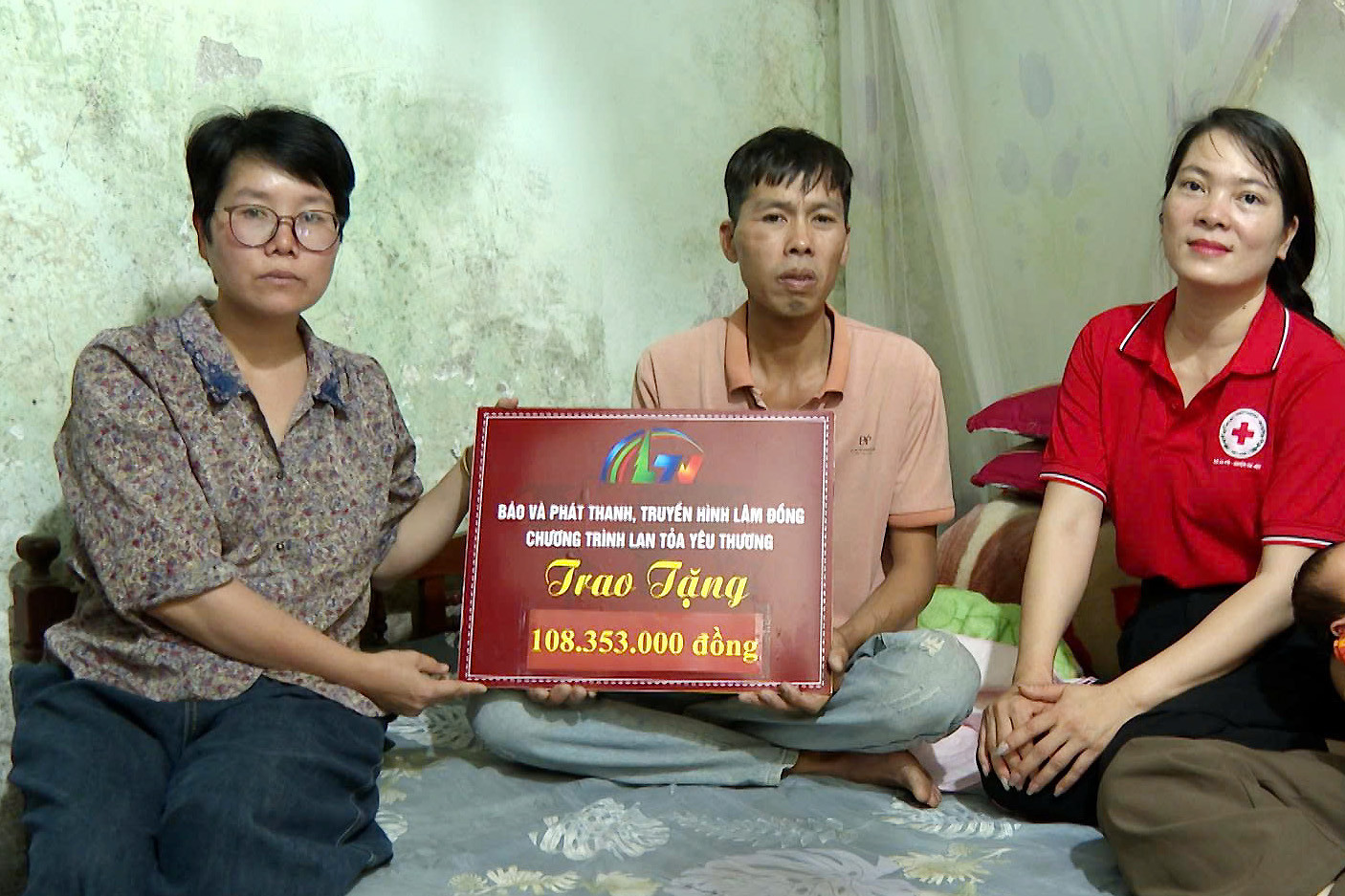
After the family's story was broadcast, the program mobilized nearly VND 400 million (around US$15,000) from individuals and charitable organizations, making the transplant possible.
"When I learned that Diep's transplant had been successful, I felt an overwhelming sense of happiness," Loan recalled.
"We may not have enough money to help every family ourselves, but through journalism and our professional responsibility, we can connect kind-hearted people with those who desperately need support."
The greatest happiness for me is seeing someone who once faced overwhelming hardship given another chance in life.
Nguyen Thi Loan
Reporter, Lam Dong Newspaper and Radio-Television
Building a Culture of Giving
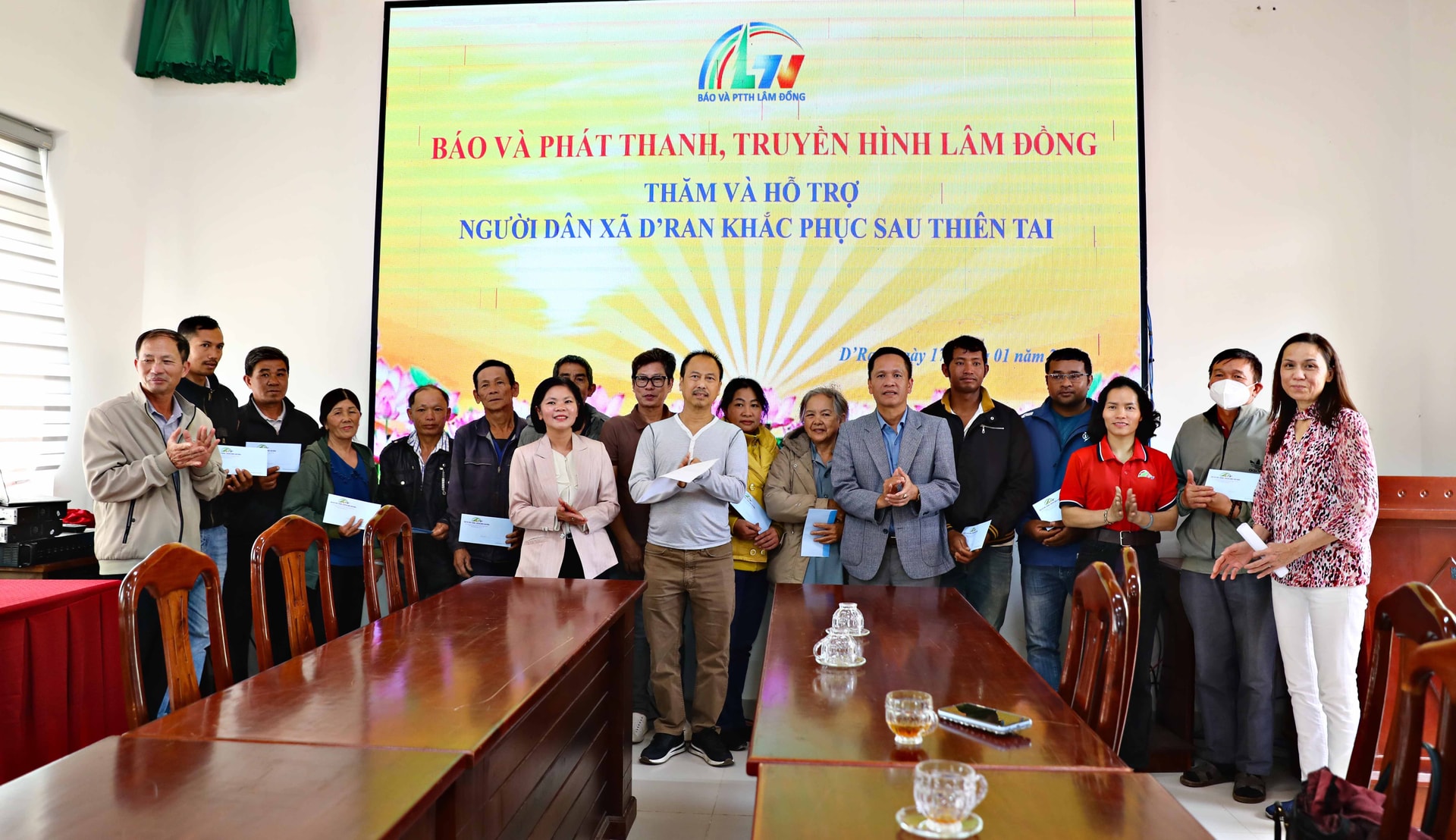
Alongside Spreading Love, Lam Dong Newspaper and Radio-Television has operated another long-running charitable initiative—White Daisy – Continuing the Journey to School.
For more than two decades, the scholarship program has helped hundreds of disadvantaged students remain in school by connecting generous donors with children at risk of dropping out because of financial hardship.
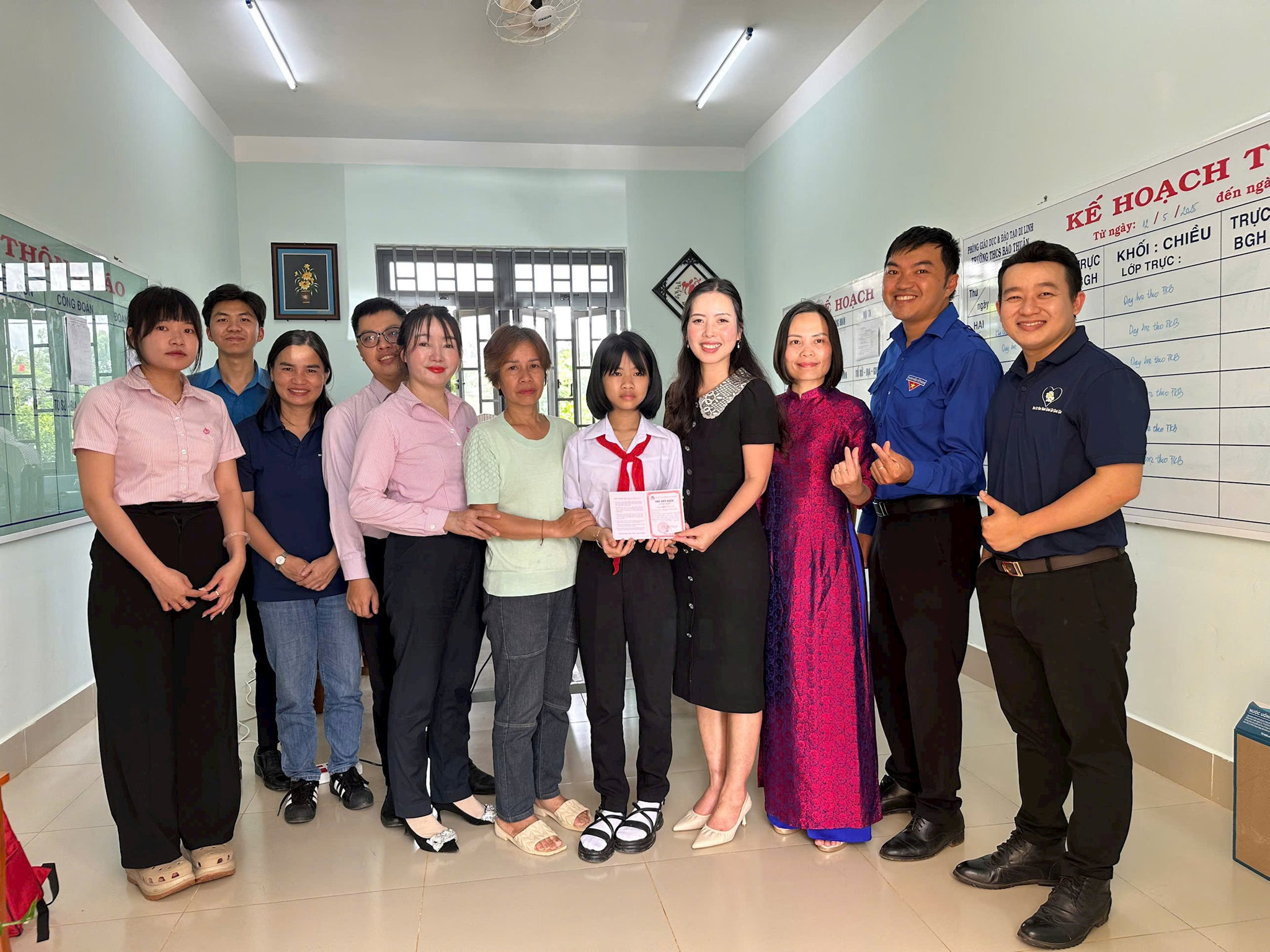
Many former scholarship recipients have since graduated, built successful careers and returned as donors themselves, creating an enduring cycle of generosity that continues to benefit new generations of students.
Beyond its role as a news organization, Lam Dong Newspaper and Radio-Television has increasingly become a trusted social institution—one that connects compassion with those most in need while reinforcing the values of solidarity and mutual support throughout the community.
Journalism Rooted in Empathy
For many journalists covering humanitarian issues, helping vulnerable people is more than a professional assignment—it is a lifelong commitment.
Behind every report are hours spent listening to families, earning their trust and understanding their struggles before sharing their stories with the public.
.jpeg)
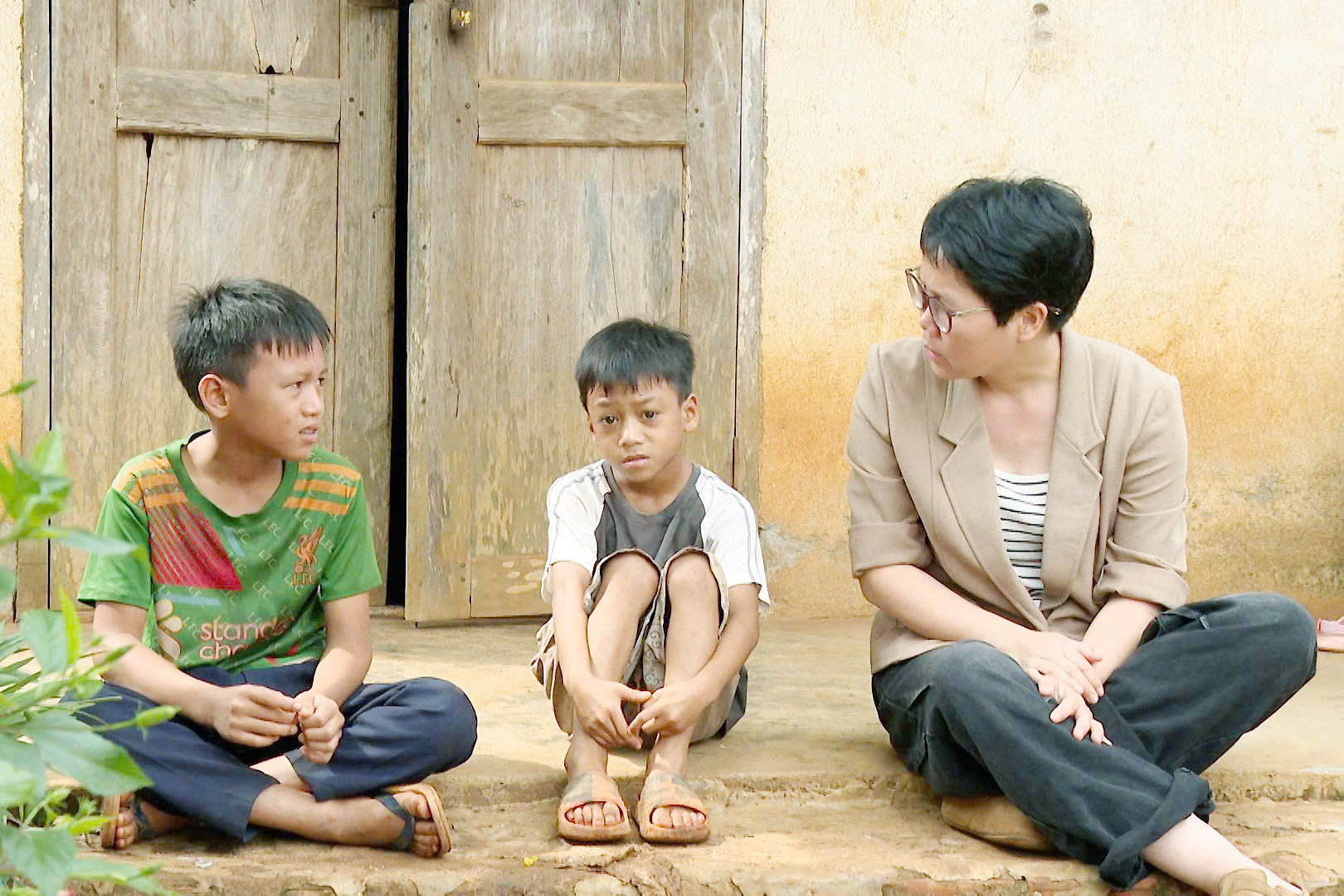
Among those who have dedicated years to humanitarian reporting is Vu Thi Hang, a reporter who has worked extensively on Helping Hands, formerly one of Lam Dong Television's flagship charity programs and now integrated into Spreading Love following the merger of Lam Dong Newspaper and Radio-Television.
Throughout her career, Hang has documented the lives of hundreds of disadvantaged families, seriously ill patients and children at risk of abandoning their education because of poverty.
She believes humanitarian journalism demands much more than strong reporting skills.
"A journalist must first learn to empathize with the people whose stories they tell," she said. "Only by understanding their circumstances can we authentically convey their experiences and inspire audiences to care."
According to Hang, every image, interview and article carries a responsibility not only to inform but also to encourage compassion and social solidarity.
.jpg)
For Hang, journalism serves as a bridge connecting those facing hardship with individuals and organizations willing to offer assistance.
"We have always understood that our role is to connect vulnerable people with compassionate donors. That is the most meaningful part of this job."
Vu Thi Hang
Reporter, Lam Dong Newspaper and Radio-Television
She emphasized that humanitarian reporting should never portray people as passive recipients of charity. Instead, every story should preserve the dignity of those being helped while allowing readers and viewers to understand their resilience and determination to overcome adversity.
Journalists, she said, must approach every assignment with sensitivity, respect and compassion so that those featured feel supported rather than pitied.
That philosophy has helped humanitarian programs produced by Lam Dong Newspaper and Radio-Television earn the trust of both donors and beneficiaries over many years.
By carefully documenting real-life challenges while protecting the dignity of vulnerable individuals, the programs have encouraged sustained community support rather than one-time charitable donations.
Today, humanitarian journalism has become an important part of the newsroom's public service mission, demonstrating that media organizations can contribute not only through information but also by strengthening social responsibility and community engagement.
When Stories Change Lives
For Ho Ngoc Hung, a reporter with Xay Dung (Construction) Newspaper, the success of a humanitarian story is measured not by the amount of money it raises, but by the positive change it brings to people's lives.
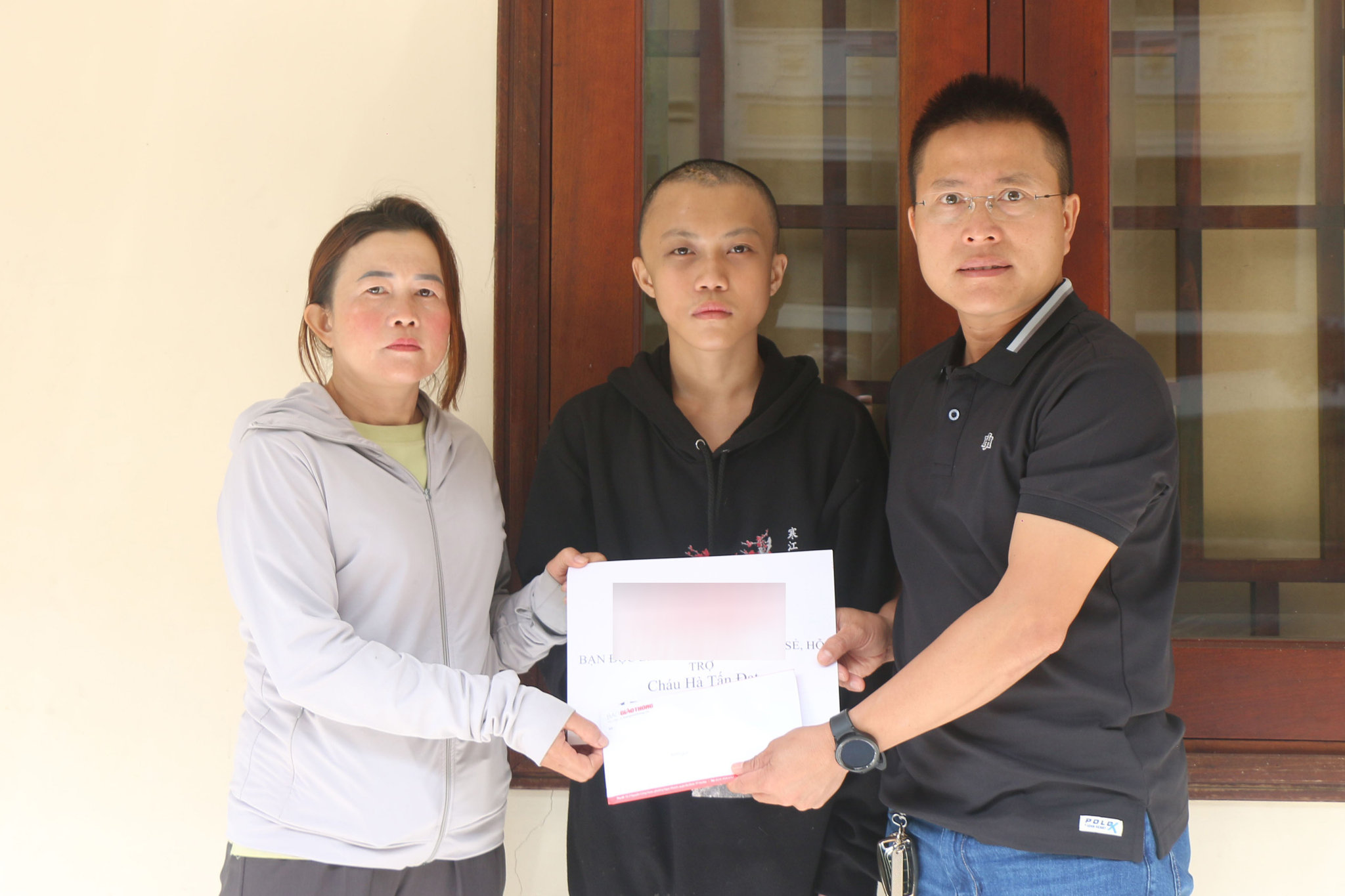
Hung believes stories calling for public support should touch readers emotionally without sacrificing journalistic integrity.
"Humanitarian reporting should move people, but it must always remain truthful," he said.
According to Hung, every sentence deserves careful consideration. Reporters must ensure their stories accurately reflect reality while protecting the dignity of those facing hardship.
"The challenge is to tell an authentic story that resonates with readers without making the people involved feel exposed or humiliated," he explained.
For him, the true value of humanitarian journalism lies beyond social media engagement or fundraising totals.
A successful story is one that inspires compassion, strengthens solidarity and encourages society to care more deeply about those in need.
Months or even years after publication, many journalists continue to receive unexpected phone calls from the people whose lives they once documented.
Some share that they have recovered from serious illness. Others say they have found stable employment, rebuilt their families or watched their children return to school.
Those updates, Hung said, are the profession's greatest reward.
Years later, some of the people we wrote about still call to tell us they have overcome illness, found stable jobs or that their children are continuing their education. Those phone calls—and their words of gratitude—give us the motivation to keep writing humanitarian stories and continue connecting compassionate people with those who still need help.
Ho Ngoc Hung
Reporter, Xay Dung (Construction) Newspaper
The call informing Nguyen Thi Loan that little Diep had recovered after her liver transplant is just one of many such moments experienced by journalists covering humanitarian issues.
For reporters, these conversations are far more meaningful than professional recognition.
They reaffirm that journalism is not merely about documenting events—it also has the power to improve lives.
By telling stories with empathy, accuracy and respect, journalists become trusted bridges between generosity and need, helping transform compassion into meaningful action.
In Lam Dong Province, countless families have found hope through those connections. Their stories stand as a testament to journalism's enduring social mission: not only to inform the public, but also to inspire kindness, strengthen community bonds and help build a more compassionate society.