


Journey to the Land of Tea Fragrance and Silk Colors
Not only blessed with a mild climate and the lush scenery of tea hills, lakes, and waterfalls, Southern Lam Dong also carries a rich cultural depth rooted in tea and silk craft villages that have been preserved through generations.
Values from Traditional Crafts
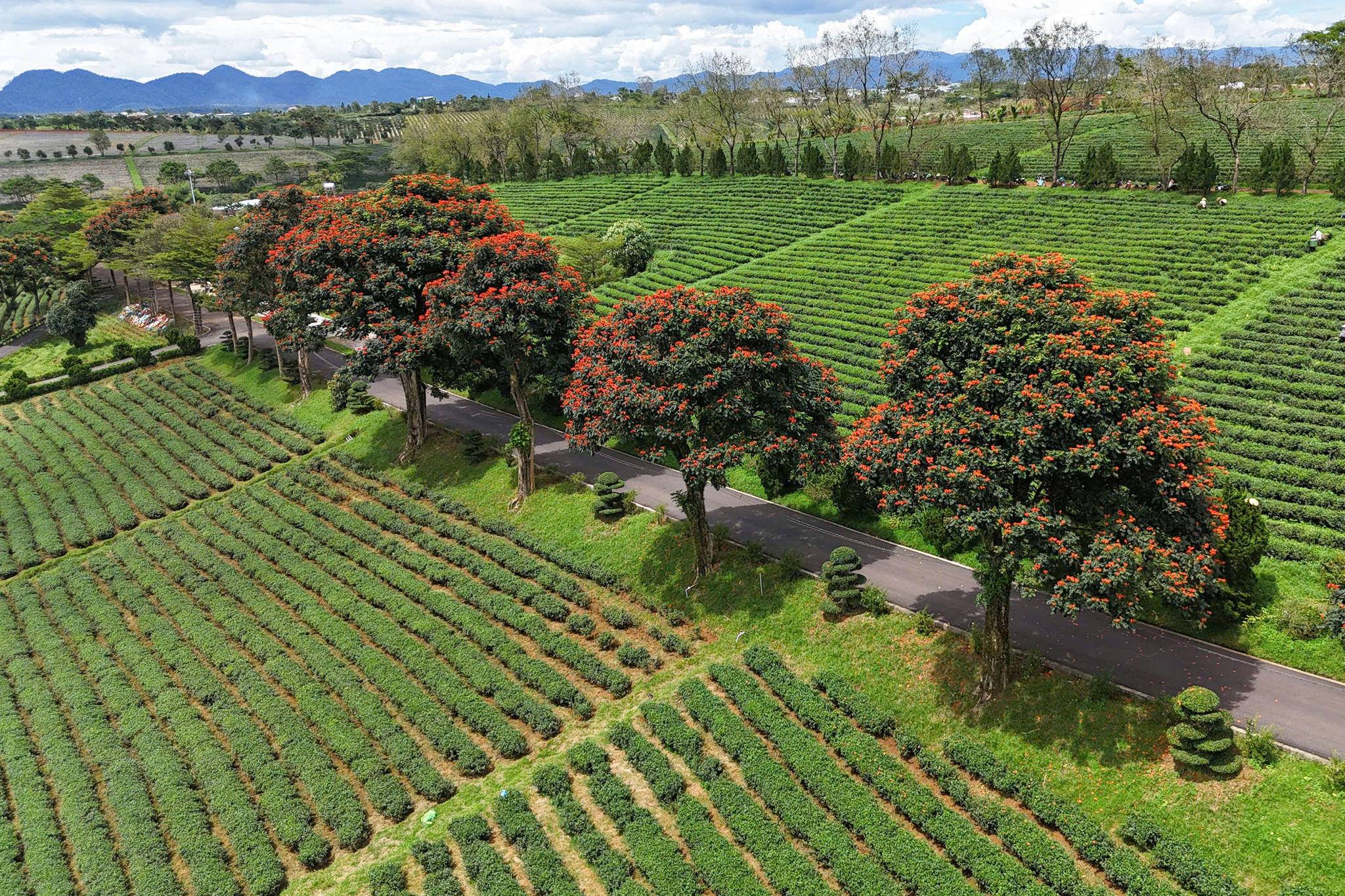
During the early days of summer, among the endless tea plantations shrouded in morning fog, numerous travelers visit Bao Loc not just for leisure but also to embrace the calm and serene pace of a highland area that still holds its pristine beauty.
In recent times, the preferences of tourists have evolved considerably. Rather than merely sightseeing, many now desire more profound experiences linked to local culture, communities, and lifestyles. This shift presents an opportunity for Bao Loc specifically, and Southern Lam Dong more broadly, to convert the distinctive qualities of tea, silk, and high-tech agriculture into tourism offerings with unique identities.
“Bao Loc is recognized for its cultural and historical ties to tea and silk. Creating hands-on experiences that allow visitors to take on the role of artisans and engage in production processes would undoubtedly foster more significant and lasting impressions,” stated Tuong Huu Loc, Director of Tam Anh Da Lat Joint Stock Company.
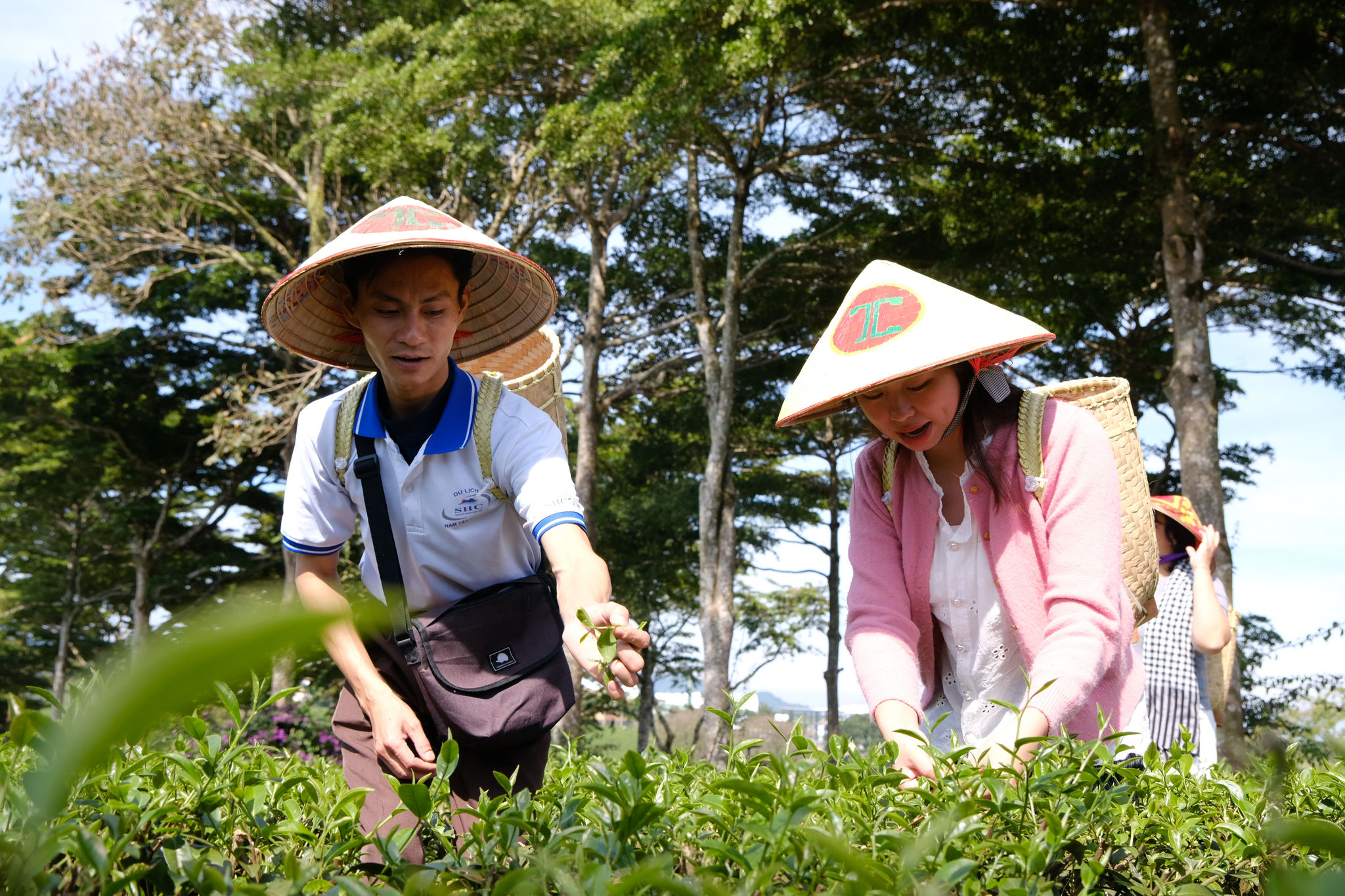
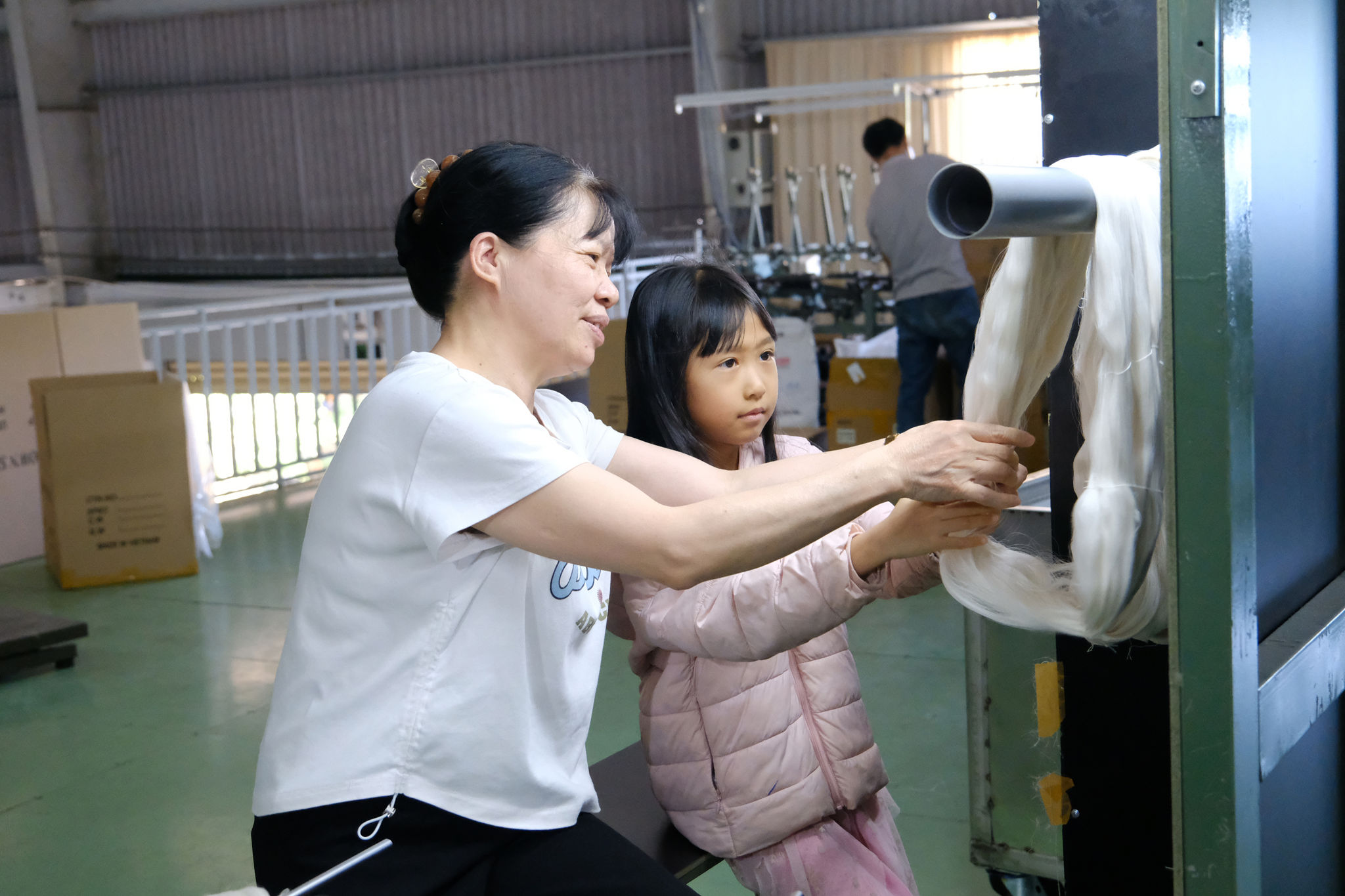
Instead of solely selling products, many tea, coffee, and silk production facilities in Bao Loc have started welcoming visitors. Tourists can participate in picking tea leaves, roasting tea, discovering the processes of silk reeling and weaving, or simply savoring cups of hot tea amidst the lush landscapes of tea hills. These straightforward experiences have become a significant attraction for families and young travelers.
Hoang Dinh Khai, Chairman of the Southern Lam Dong Tourism Association, said that the region has considerable opportunities for ecotourism, wellness tourism, exploration of indigenous cultures, tourism centered around tea and coffee villages, agricultural tourism, green tourism, and therapeutic tourism.
At present, the association has broadened its membership to encompass businesses in the Ham Thuan – Da Mi Lake area, with the goal of revitalizing tourist routes in the southern section of the Lam Vien Plateau. With expansive lakes, picturesque mountain roads, and a variety of ecotourism and resort options, this journey is creating more opportunities for nature enthusiasts.
Enhancing Destination Quality
Throughout this journey of development, the region known for its tea aroma and silk elegance continues to carve out its distinct route. Instead of attracting tourists with noise and thrills, Bao Loc seeks to appeal to visitors through the serene atmosphere of the highlands, the cultural significance of traditional crafts, and experiences deeply intertwined with local life.
“Our main aspiration is for Bao Loc to emerge as a hub linking tourism values throughout Southern Lam Dong. To realize this goal, businesses must adopt a new service mindset, enhance collaboration, and boost the capacity of the destination,” Hoang Dinh Khai shared.
In recent times, many companies have begun to invest more thoughtfully in experiential tourism. From homestays set among tea plantations and eco-friendly resorts to coffee venues offering cultural activities, the region is slowly developing more tourist destinations.
Tran Khoa, a representative from a travel agency in Ho Chi Minh City, noted that after several years of conducting tours to Bao Loc, he has seen the emergence of new attractions, enabling visitors to stay for at least two days and one night rather than just passing through.
“Bao Loc has started developing its own highlights to attract visitors. However, the locality still lacks a nighttime economy and large-scale entertainment products that could further enrich tourist experiences and increase tourism revenue,” Khoa noted.

Despite these encouraging developments, tourism in Southern Lam Dong faces several challenges, particularly in establishing a viable, sustainable development strategy. In practice, many facilities have transitioned from their original production and business roles into the tourism sector, yet they continue to grapple with how to organize services and craft experiences for their guests.
At the same time, contemporary tourism trends demand that destinations not only offer unique products but also share compelling narratives, define their target demographics, and create unforgettable experiences that are distinctive enough to entice visitors to return.
According to Duong Thi Hien, Deputy Head of the Tourism Management Division under the Department of Culture, Sports and Tourism, the current challenge for Southern Lam Dong tourism is no longer simply about increasing visitor numbers but, more importantly, about improving the quality of tourism product and services.
To achieve this, greater attention should be given to human resource training and skill development for tourism workers to meet increasingly diverse and demanding visitor expectations.
Each tourism product needs to improve its quality so that it matches the cost visitors pay. At the same time, the locality should reassess its unique characteristics and develop them more systematically into attractive and distinctive tourism products
Duong Thi Hien, Deputy Head of the Tourism Management Division, Department of Culture, Sports and Tourism.