


K’ho People’s Early Crop Season Worship Ceremony
Amid the vast green forests of La Da and Dong Giang communes, where the K’ho people have lived for generations, the Early Crop Season Worship Ceremony continues to be preserved as a sacred traditional cultural practice closely associated with the community’s agricultural life.
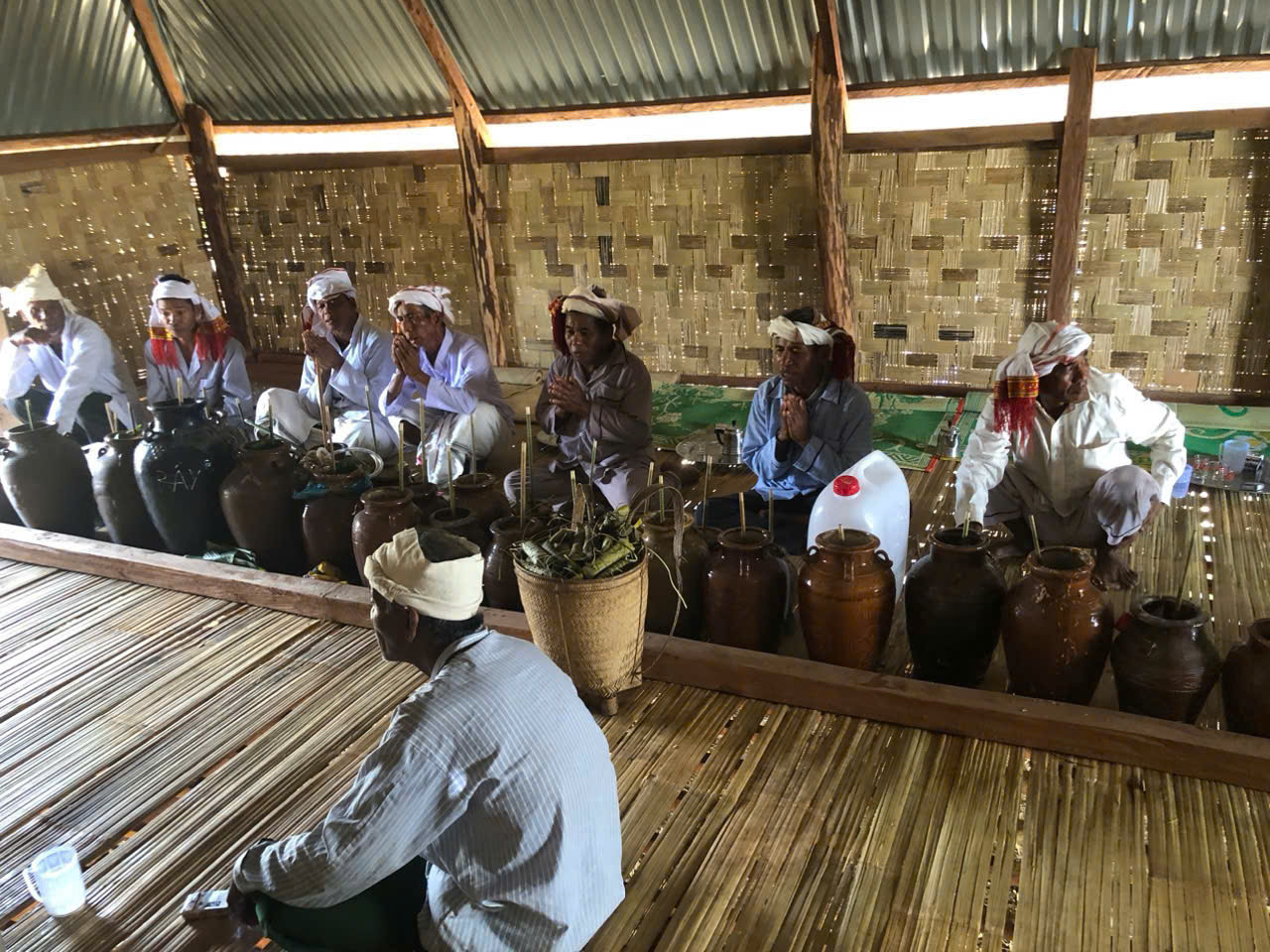
Preserving traditional rituals
Every year, during April and May, as the initial rains of the season start, the K’ho community holds the Early Crop Season Worship Ceremony. This event allows the villagers to show appreciation to their ancestors and deities (Yang) for safeguarding their peaceful existence, while also seeking blessings for bountiful harvests, good health, and prosperity.
Brong Xen Brong Tham, the village elder from Hamlet 1 in La Da Commune, shared that in K’ho culture, people coexist harmoniously with nature, mountains, forests, and spiritual entities. Thus, before the new farming season begins, villagers perform this ritual to pray to Yang for continued protection, fertile soil, and safety from natural calamities and illnesses. In the days leading up to the ceremony, the villages become vibrant with activity as they prepare.
In Dong Giang Commune, the Worship Ceremony for the Early Crop Season has been maintained for generations. Leading up to the event, the atmosphere in the village becomes increasingly lively as residents collaborate to prepare offerings, construct stilt houses, and tidy the ceremonial grounds. This event serves not only as a spiritual practice but also as a chance for the community to come together, strengthen social ties, and transmit cultural traditions to the younger generation.
The youth people of the village venture into the forest jointly to gather bamboo and build a large stilt house on elevated ground a few kilometers from the village. This location is believed to act as a temporary abode for the deities and ancestors during the ceremony.
Every household offers labor and contributions, such as com lam (bamboo-tube rice), canh boi (a traditional thick soup), chickens, ducks, goats, and can wine. All offerings are meticulously prepared to show reverence and the community's belief in spiritual beings and ancestors.
On the day of the event, participants don their finest traditional attire to engage in the rituals. Set against the backdrop of mountains and forests, the sounds of horns, gongs, and drums create a sacred ambiance that is rich in ethnic cultural heritage.
Strengthening community solidarity
According to Nguyen Minh Phuong, Secretary of the Party Committee of La Da Commune, the Early Crop Season Worship Ceremony is not only an expression of folk beliefs but also a unique cultural tradition of the K’ho community in the region.
The K’ho people's ceremony stands out with distinct characteristics in comparison to many other ethnic groups. While many communities celebrate festivals following the harvest to express gratitude for abundance, the K’ho carry out their ritual prior to the planting season, signifying their hopes for a prosperous farming year right from the beginning of the season.
By upholding this ritual, it reinforces the importance of preserving ethnic identity, fosters community unity, and aids younger generations in gaining a deeper understanding of the customs and traditions passed down from their ancestors.
For the K’ho people, the Early Crop Season Worship Ceremony holds great importance, as it is viewed as a ritual that influences the success and abundance of the year's entire agricultural yield. Consequently, everyone engages in the ceremony with genuine enthusiasm and strong faith.
Once the ritual is finished, villagers come together around jars of traditional wine, enjoy local dishes, and partake in singing, dancing, and exchanging farming stories. Traditional songs and dances, which are deeply embedded in the K’ho culture, are continuously passed down through the generations.
The Early Crop Season Worship Ceremony not only plays a key role in maintaining ethnic cultural identity but also acts as a unifying force within the community, enhancing the vibrant cultural tapestry of the province.