


Khu Le Butterfly Lizards – A Delicacy Born from White Sands
If one day you find yourself in Hoa Thang (Lam Dong), a sun-scorched land of golden sand along Vietnam’s South Central Coast, ask the locals about Khu Le butterfly lizards. They will tell you a remarkable story about this small but extraordinary creature.
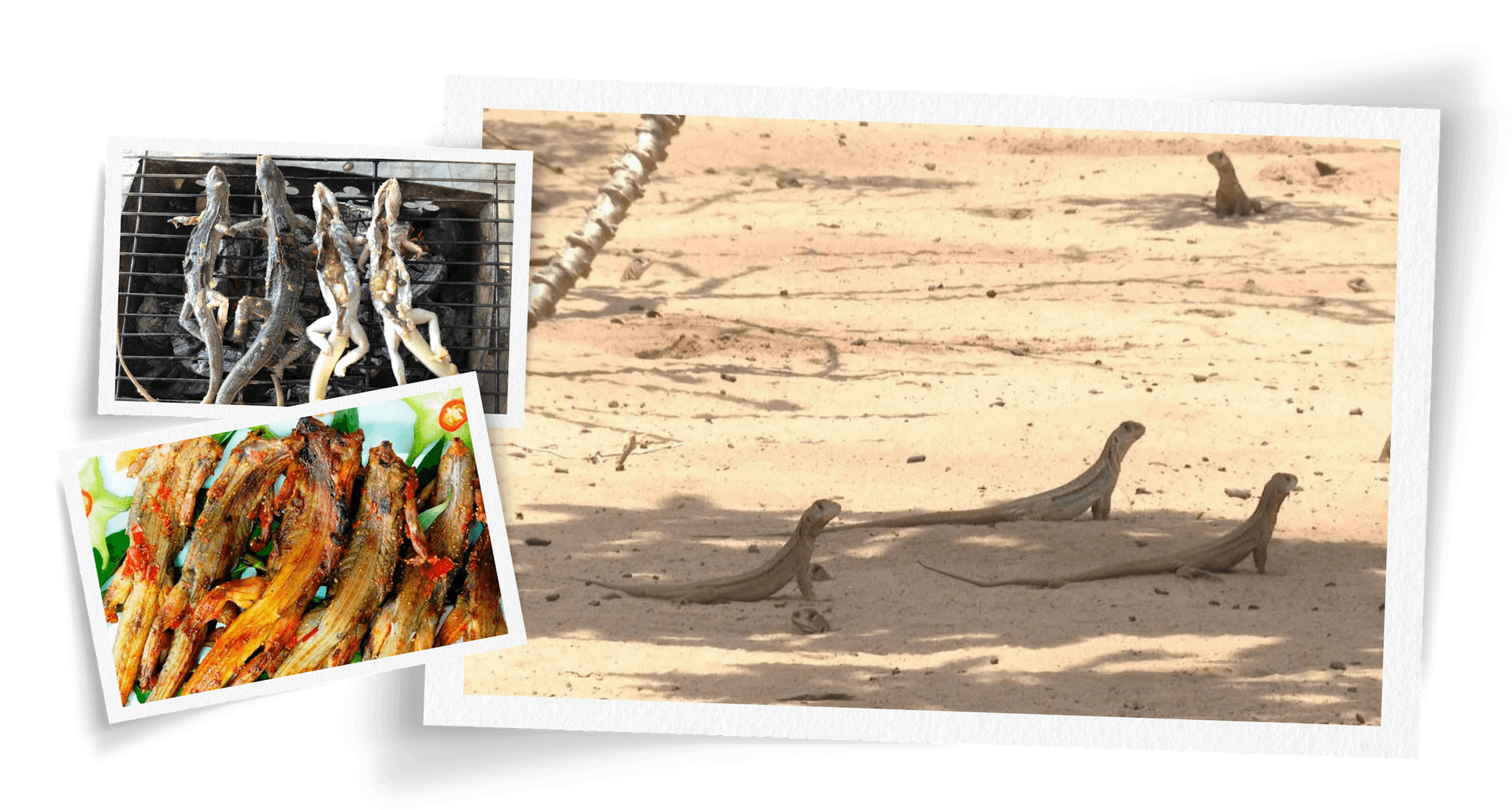
Once hidden beneath the white dunes, the butterfly lizard has since become a famed specialty that keeps visitors coming back. Behind the savory taste of “grilled butterfly lizard with chili salt”or “lime leaf lizard salad” lies not only culinary delight, but also a journey of revival.
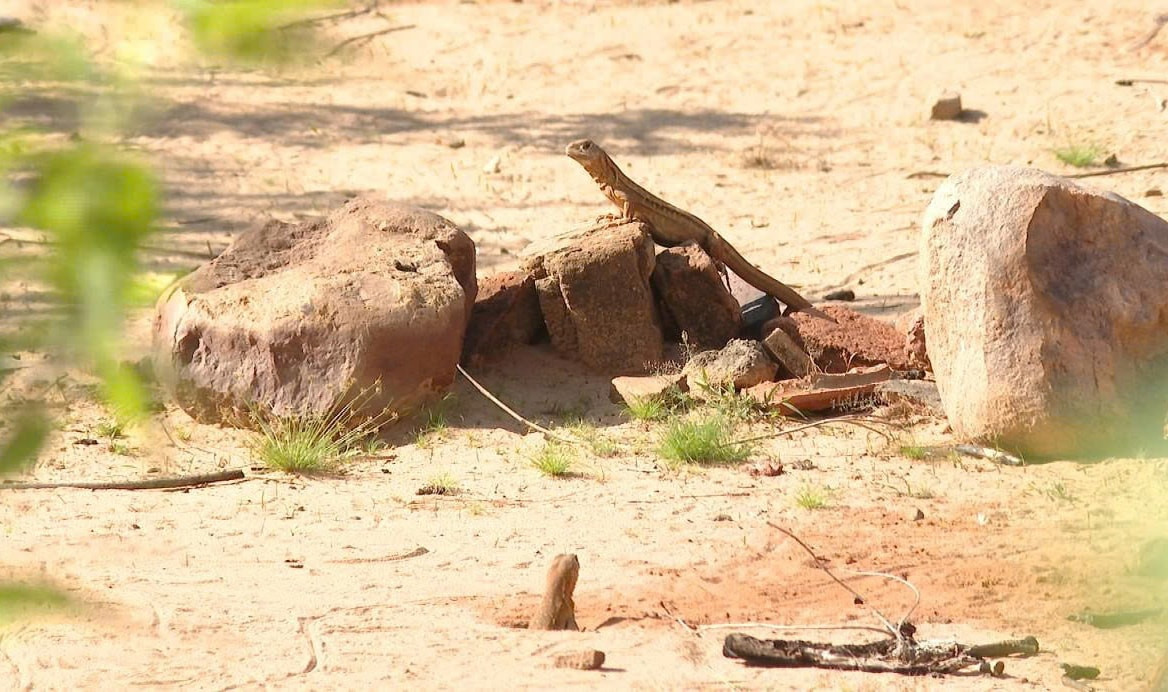
From overhunted treasure to near extinction
Khu Le, a sandy stretch in Hoa Thang commune, was once called the “capital of butterfly lizards” thanks to its dry, hot climate and unique soil—perfect for this reptile to thrive. The lizards burrow deep into the sand, feeding on leaves and fruit. Gentle and clean by nature, they are especially prized for their tender and nutritious meat.
Because of their rarity and taste, however, butterfly lizards became a target for mass hunting. For decades, uncontrolled harvesting decimated their wild population, reducing them to near extinction.
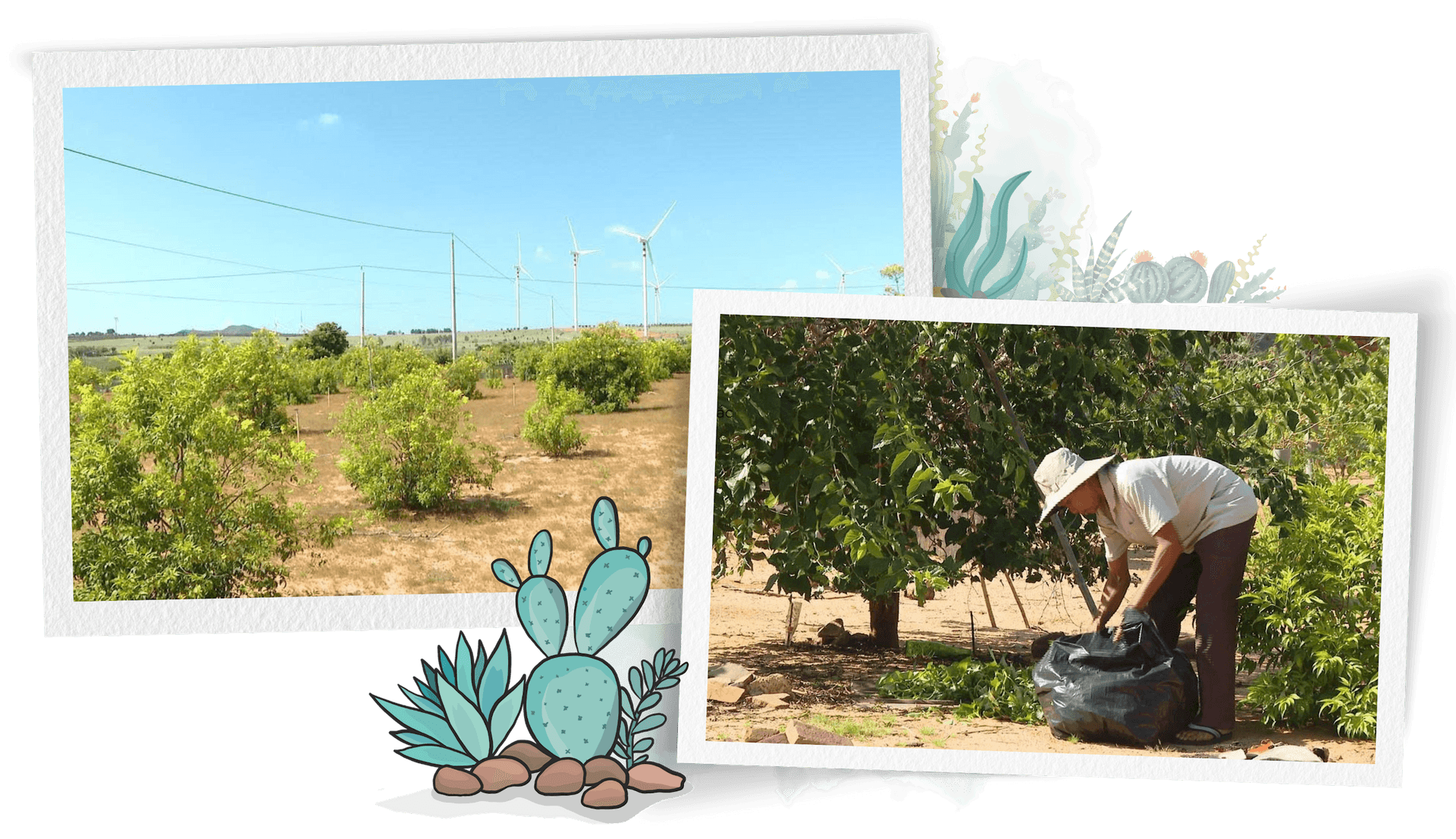
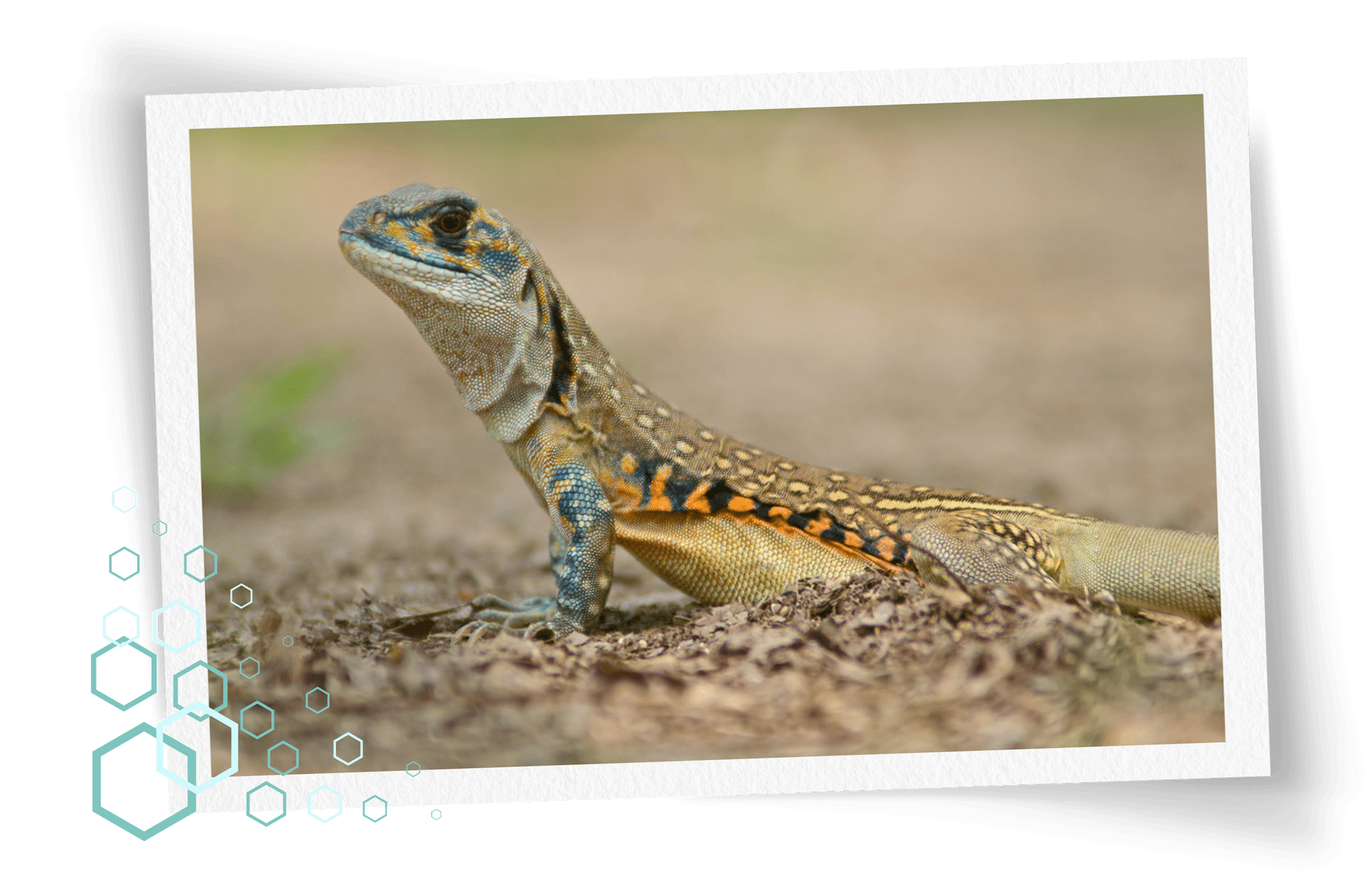
Photo: Internet
A farmer’s bold experiment
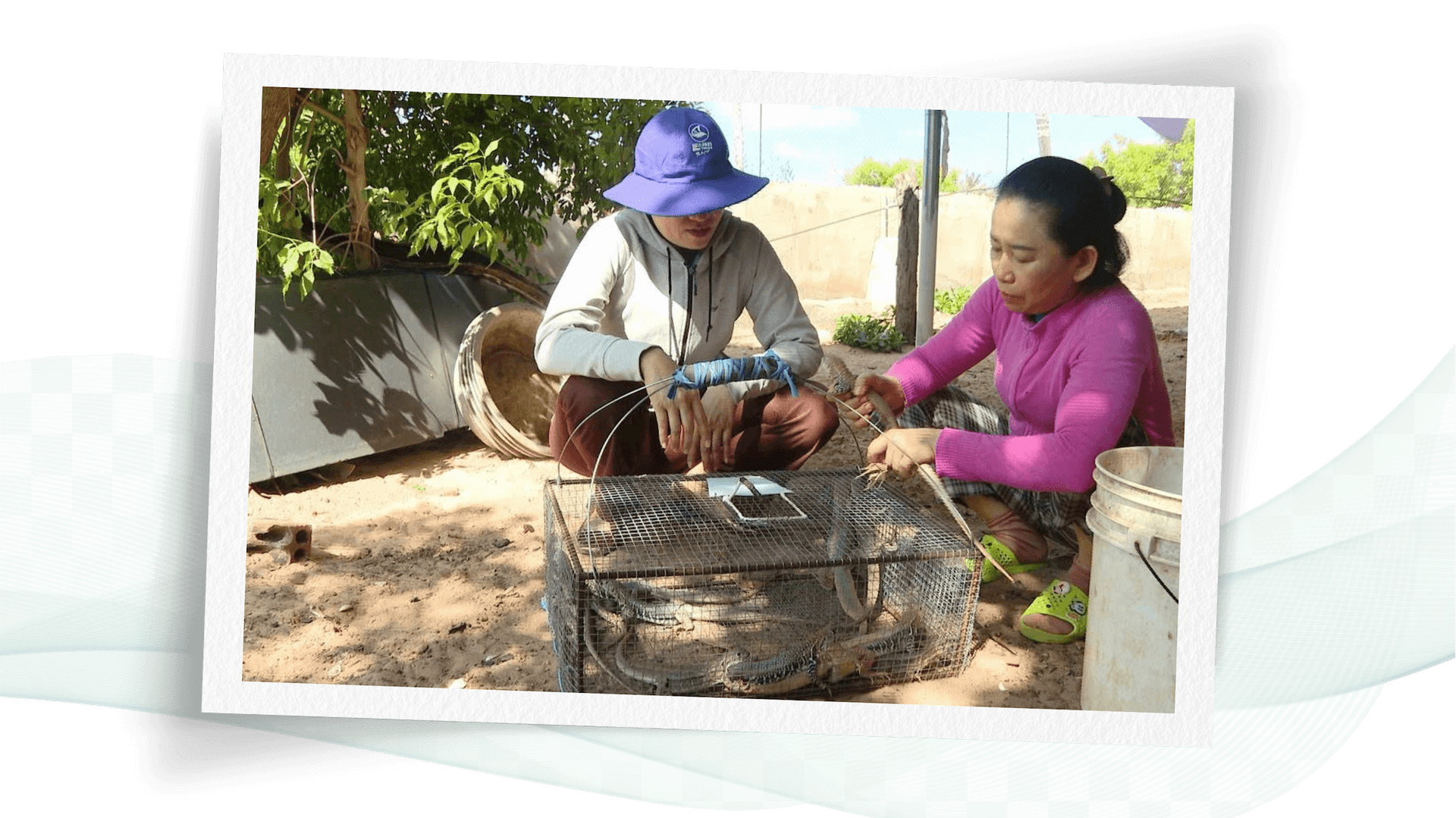
In 2006, a local farmer named Duong Minh Cong from Hong Chinh hamlet made a bold decision: he brought wild lizards home to experiment with farming them in his backyard. Few believed he would succeed, since the species is naturally shy, accustomed to the wild, and notoriously difficult to reproduce in captivity.
But Cong insisted: “The lizards must be unharmed—no broken legs when caught—if they are to adapt and reproduce.” Through trial and error on a 2,000-square-meter farm, he proved that butterfly lizards could be domesticated, grow well, and bring high economic value.
His pioneering model later attracted the attention of the provincial Department of Science and Technology and Ho Cho Minh City University of Agriculture and Forestry, which partnered with him to conserve the unique Khu Le lizard gene pool.
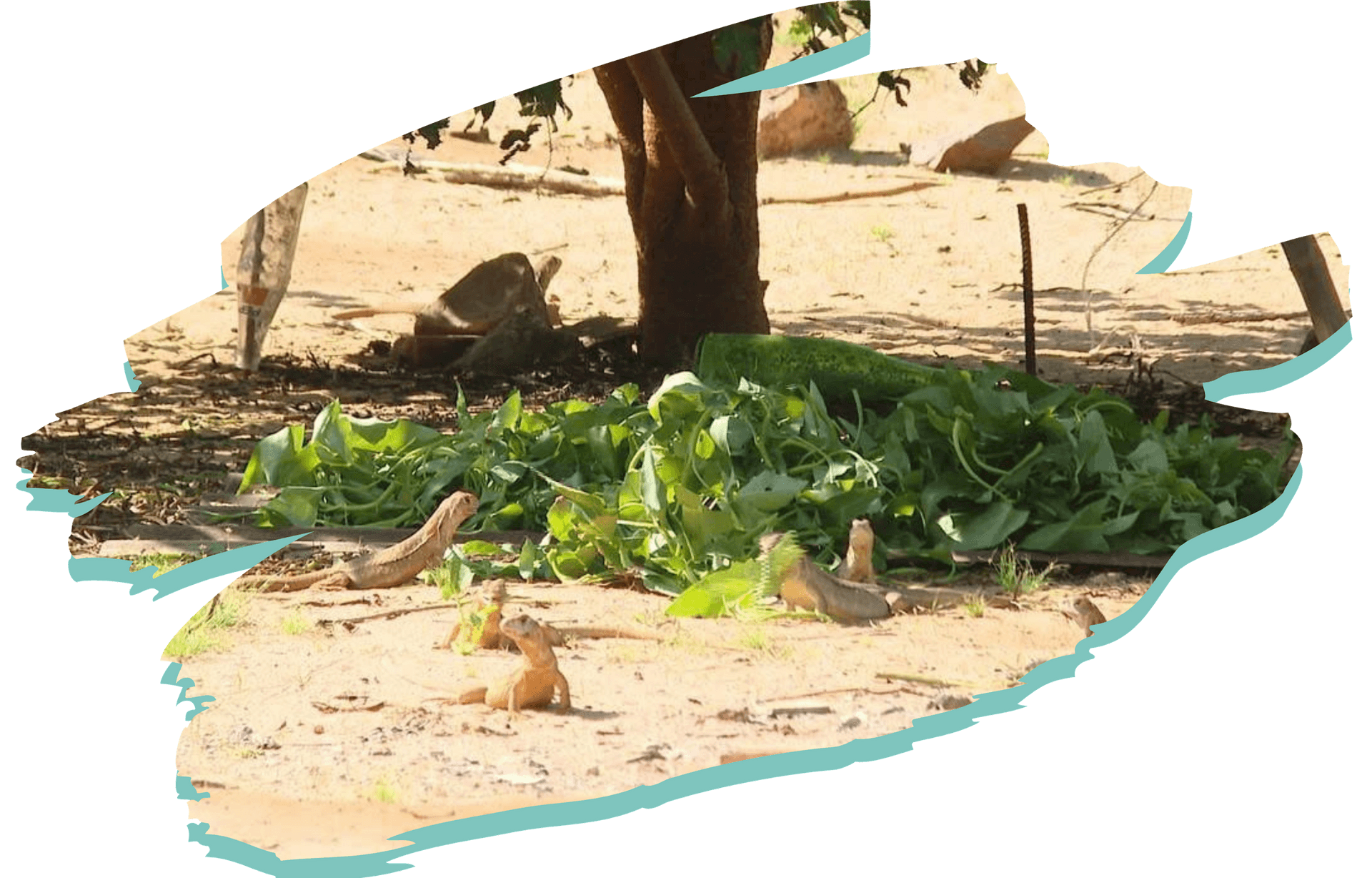
From one farm to a community industry
What began with a single household has now spread to nearly 40 families across Hoa Thang, with more than 5 hectares of lizard enclosures. Breeding techniques have improved over time, supported by both scientists and local authorities.
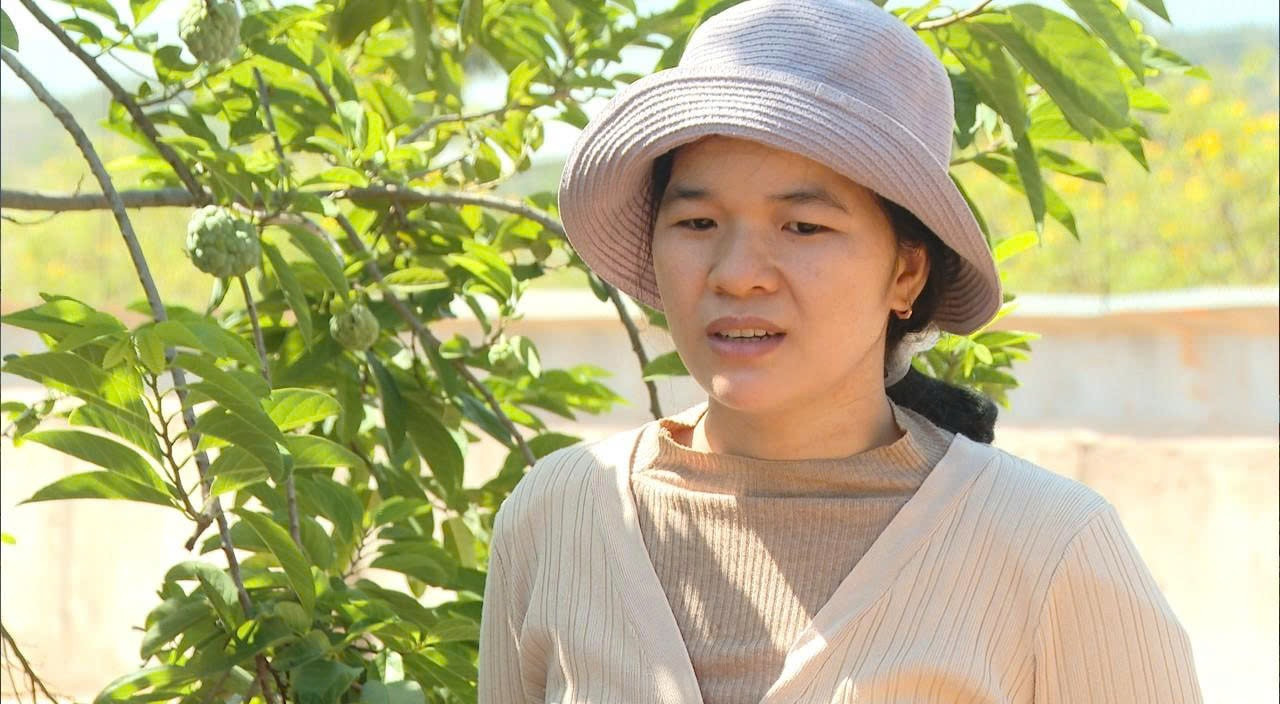
Nguyen Thi Tuong Vy, a farmer in Hong Lam hamlet, shared: “Despite their reputation, butterfly lizards are actually easy to feed—mostly sweet potato leaves, water spinach, peanuts, star gooseberry, or dragon fruit. But raising them requires patience and precise care, especially during breeding season when enclosures must be carefully managed.”
Today, commercial lizard meat fetches between 650,000 and 800,000 VND per kilo. Restaurants, eateries, and tourist resorts eagerly buy them to prepare signature dishes like grilled lizard with chili salt, spicy lime lizard salad, lizard porridge with mung beans, steamed lizard rolls with rice paper, and even herbal lizard stew. Each dish carries a unique flavor that fascinates diners.
More than just a dish
Khu Le was once the Le Hong Phong Revolutionary Base, where generations of resistance fighters left their footprints. Preserving the native butterfly lizard is not just an economic endeavor, it is also an effort to safeguard local biodiversity and restore a fragile sand-dune ecosystem.
Mr. Le Thanh Chung, Vice Chairman of the Hoa Thang commnune People’s committee, said that the locality is encouraging residents to raise butterfly lizards in a sustainable way, combining it with agri-tourism. This model has drawn great interest from visitors.
He added that some households now offer eco-tours where visitors can see lizard farms, try catching the reptiles, and cook them on site. Young and old alike are joining the trade. For them, it’s more than a livelihood—it’s a way of keeping the spirit of their homeland alive.
From the edge of extinction, the Khu Le butterfly lizard has been brought back by the hands and dedication of Hoa Thang’s people. Today, it stands as both a celebrated delicacy and a symbol of how resilience and conservation can go hand in hand in the harsh sands of central Vietnam.