


Krong No communities embrace a new way of life
In recent years, the M'nong and K'ho communities in the Dam Rong area have embraced a more modern way of life while preserving their cultural heritage. Harmful customs have gradually been abandoned, traditional values have been maintained, and each household has become a foundation for building a stronger, more vibrant community.
Leaving Outdated Customs Behind, Building a New Way of Life
Along the peaceful Krong No River, more than 11,000 M'nong and K'ho people living in villages across Dam Rong 3 and Dam Rong 4 communes are witnessing remarkable changes. Once muddy dirt roads have gradually been replaced by concrete roads, the national power grid now reaches every village, and improved infrastructure has significantly enhanced local living standards.
Sitting on the porch of his home, Da Cat Ha Duong from Dong Jri Village recalls the early days when local residents first settled in the area. More than 40 years ago, when the Lieng Krak 2 resettlement area was established, transportation was difficult, schools were far away, electricity had not yet reached the area, and access to healthcare was limited. In addition to material hardship, many traditional customs also placed considerable burdens on daily life.
According to Ha Duong, many families once believed illnesses were caused by evil spirits and sought help from shamans instead of medical professionals. Weddings often involved costly bride-price demands, while funerals lasted several days with elaborate feasts that consumed significant time and financial resources.
"Today, people trust modern medicine. Whenever they are sick, they go to health stations or hospitals for treatment. Weddings have become much simpler, without excessive bride-price demands. Funerals are now conducted in a civilized, orderly, and economical manner," Ha Duong said.
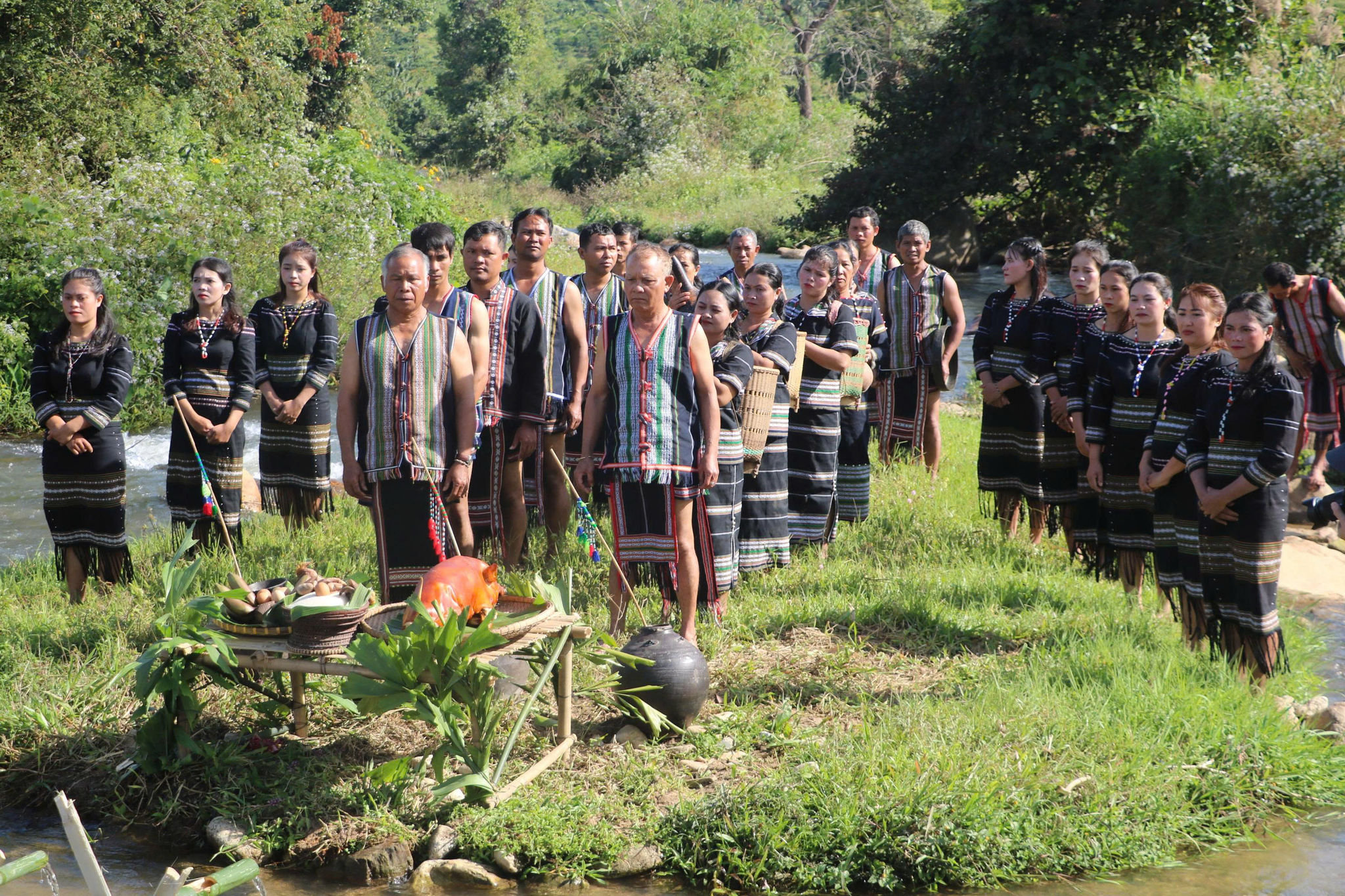
These positive changes have resulted not only from socio-economic development but also from persistent public awareness campaigns carried out by local authorities, respected community leaders, mass organizations, and religious dignitaries. Many outdated customs have gradually disappeared, giving way to lifestyles better suited to modern society.
According to Tran Duc Phat, Head of the Culture and Social Affairs Division of Dam Rong 3 Commune, most M'nong and K'ho residents in the Dam Ron area have actively embraced the positive aspects of modern life while preserving their unique cultural identity. Whereas weddings and funerals once lasted for several days, today these events are organized more simply, reducing financial burdens and allowing families to focus on production and improve their livelihoods and the quality of life.
Preserving Culture in Every Home
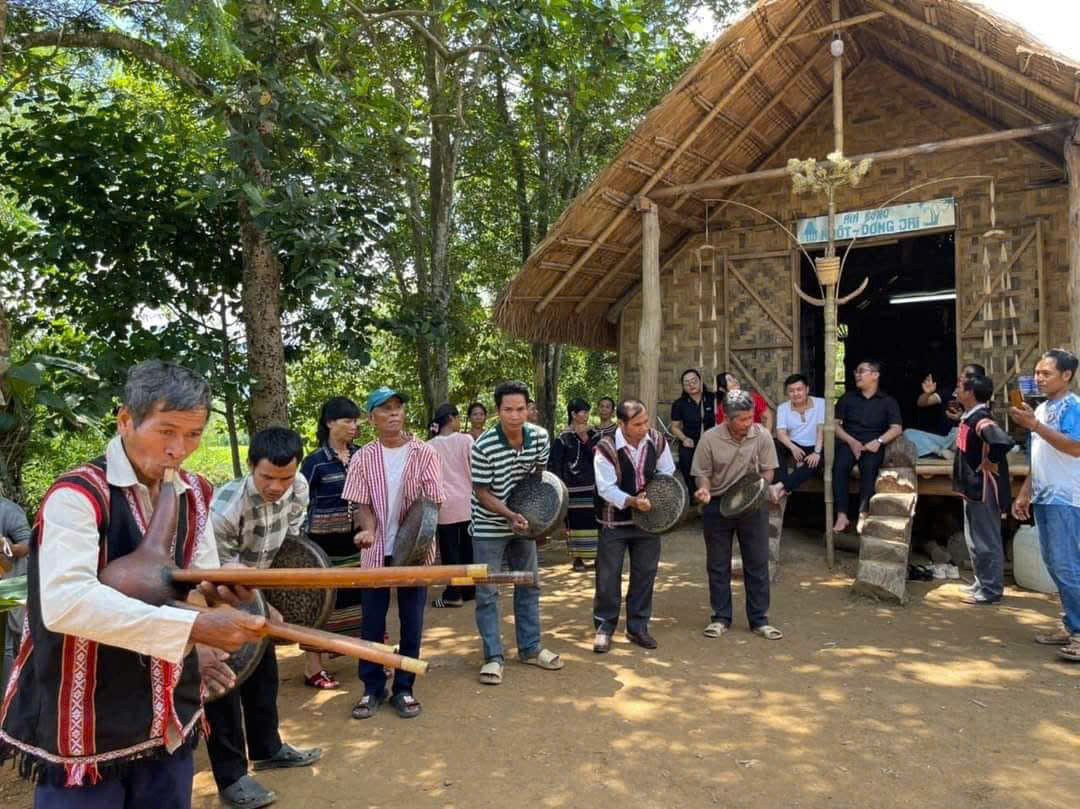
The M'nong community in the Dam Ron region has dedicated itself to maintaining its ancestral traditions while adapting to modern life. In Dong Jri Village, community members collaborated to construct a traditional communal house utilizing bamboo, wood, and thatch sourced from the surrounding area, offering both resources and labor for the project.
This structure now houses artifacts that depict the daily life, occupations, and cultural heritage of the M'nong people, helping younger generations connect with their heritage and cultural identity.
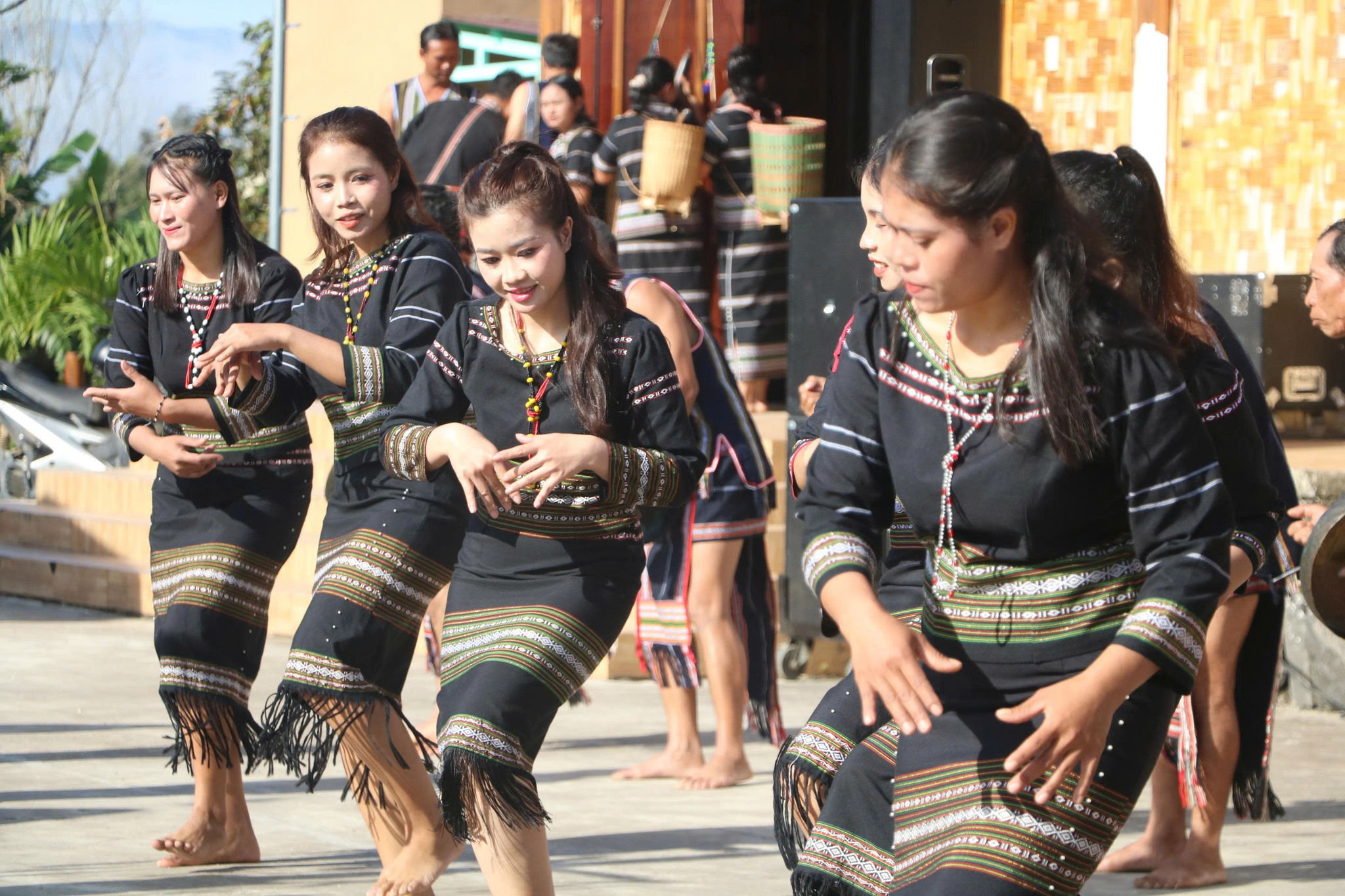
Efforts to preserve local traditions continue through the region's gong culture. In Da Nhinh Village, the Gong Culture Club, led by dedicated residents including Da Cat Tu, performs at local festivals and teaches younger generations to keep the tradition alive. The initiative also supports community-based tourism while reinforcing the role of local people in preserving their cultural heritage.
Currently, the villages along the Krong No River are developing a new lifestyle based on communal spirit and collective responsibility. Outmoded customs are slowly being replaced by more progressive practices, while the sounds of gongs and other traditional values continue to resonate, helping preserve the distinctive cultural identity of the M'nong community.