

Ksenia Gulko’s Tears and a Message from Mui Ne
After 14 years in Mui Ne, Lam Dong, Ksenia Gulko considers the coastal destination her home. She broke down in tears after seeing the beach covered in waste, urging everyone to help save it.
On the afternoon of September 14, I received a call through the Facebook account “Hello MuiNe”. The woman on the other end spoke in a trembling voice: “I burst into tears when I saw Mui Ne beach covered in waste, and I hope everyone will join their voices to help improve the situation.”
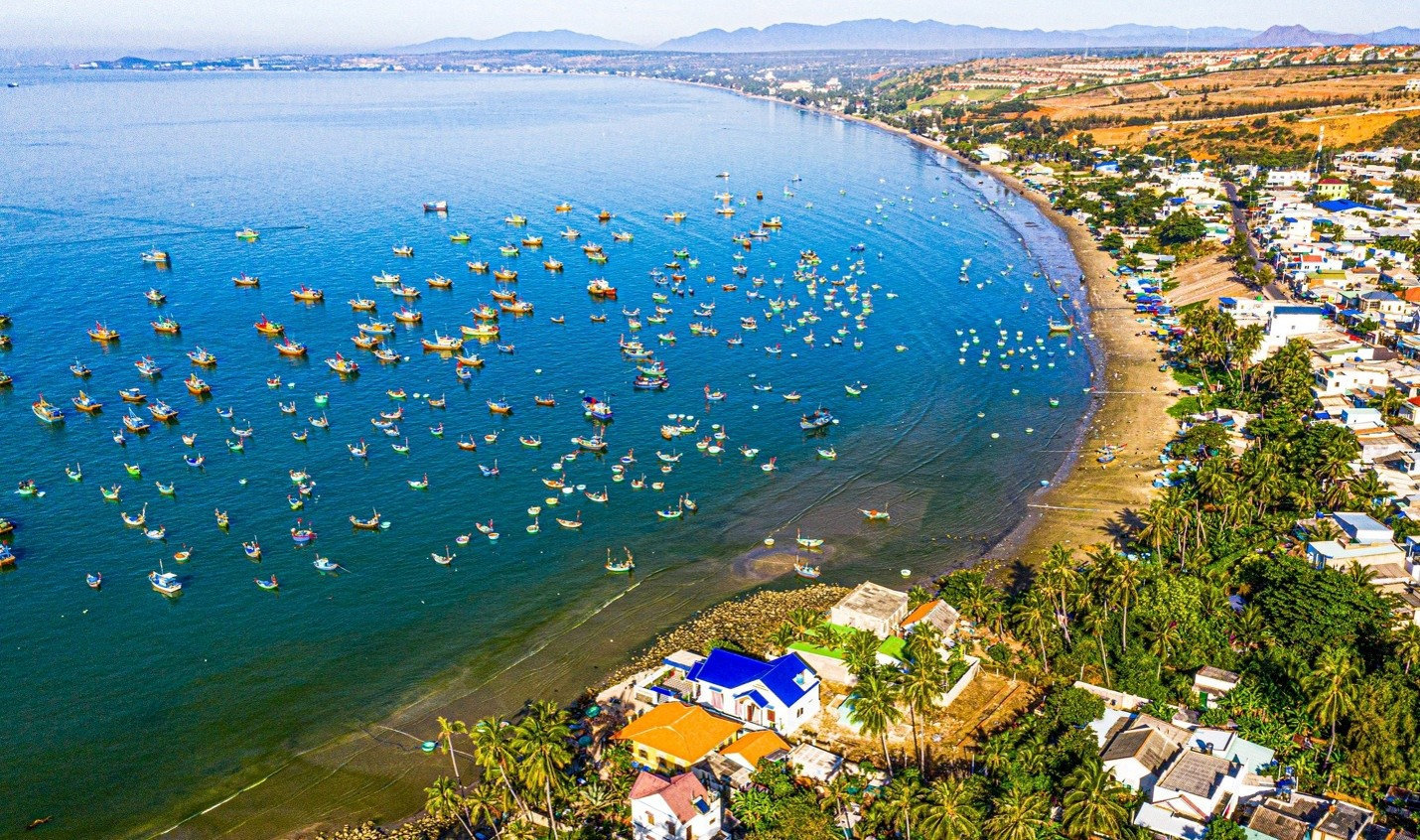
To my surprise, after just a few exchanges, I realized that she was Ksenia Gulko, an old acquaintance who has lived in Mui Ne for 14 years.
Ksenia Gulko’s tears
Anyone who followed news during the COVID-19 pandemic may still remember an image that “went viral” in 2020, when Ksenia and her boyfriend, each riding a motorbike, quietly carried rice to a rice ATM in Mui Ne, made their contribution and quickly left.
They left no names, and no one had time to thank them. They simply wanted to help people struggling during the pandemic, with the heart of people who considered Mui Ne home.

Ksenia said that in her 14 years in Mui Ne, this was the first time she had seen so much waste along the beach, and she could not hold back her tears. For Ksenia, Mui Ne is not merely a tourist destination or a temporary place to live. It is her second home, where she has spent nearly two decades of her life.
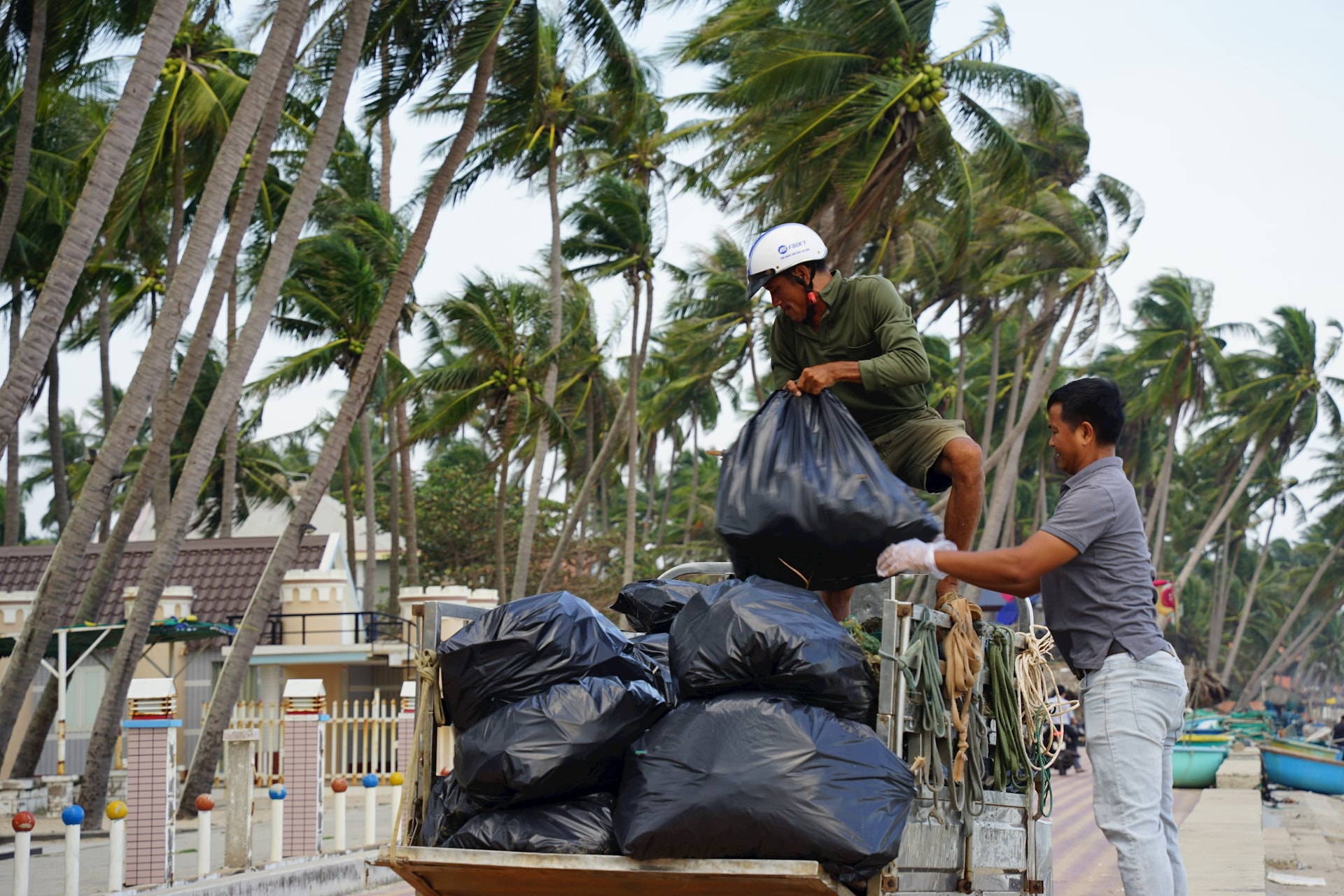
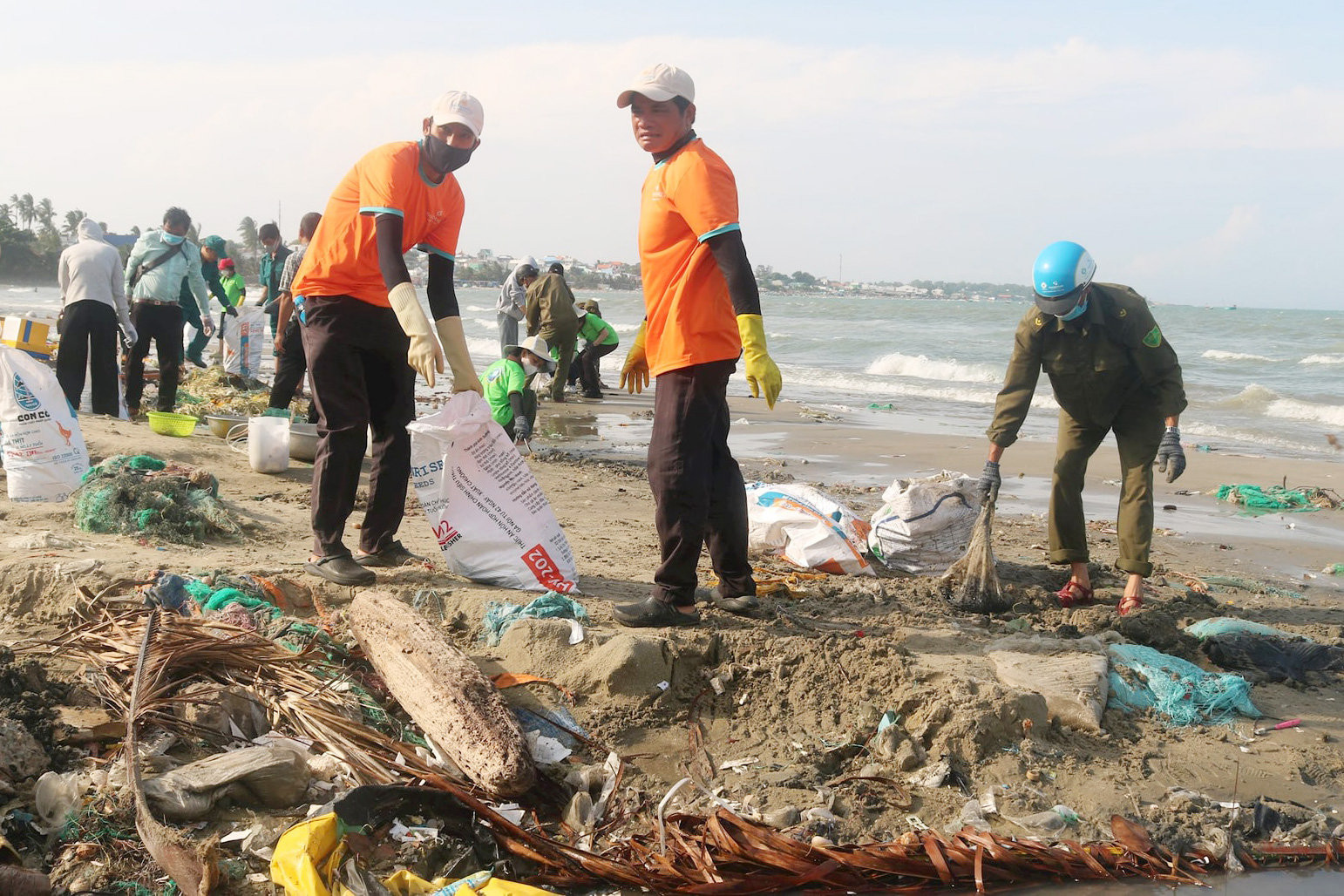
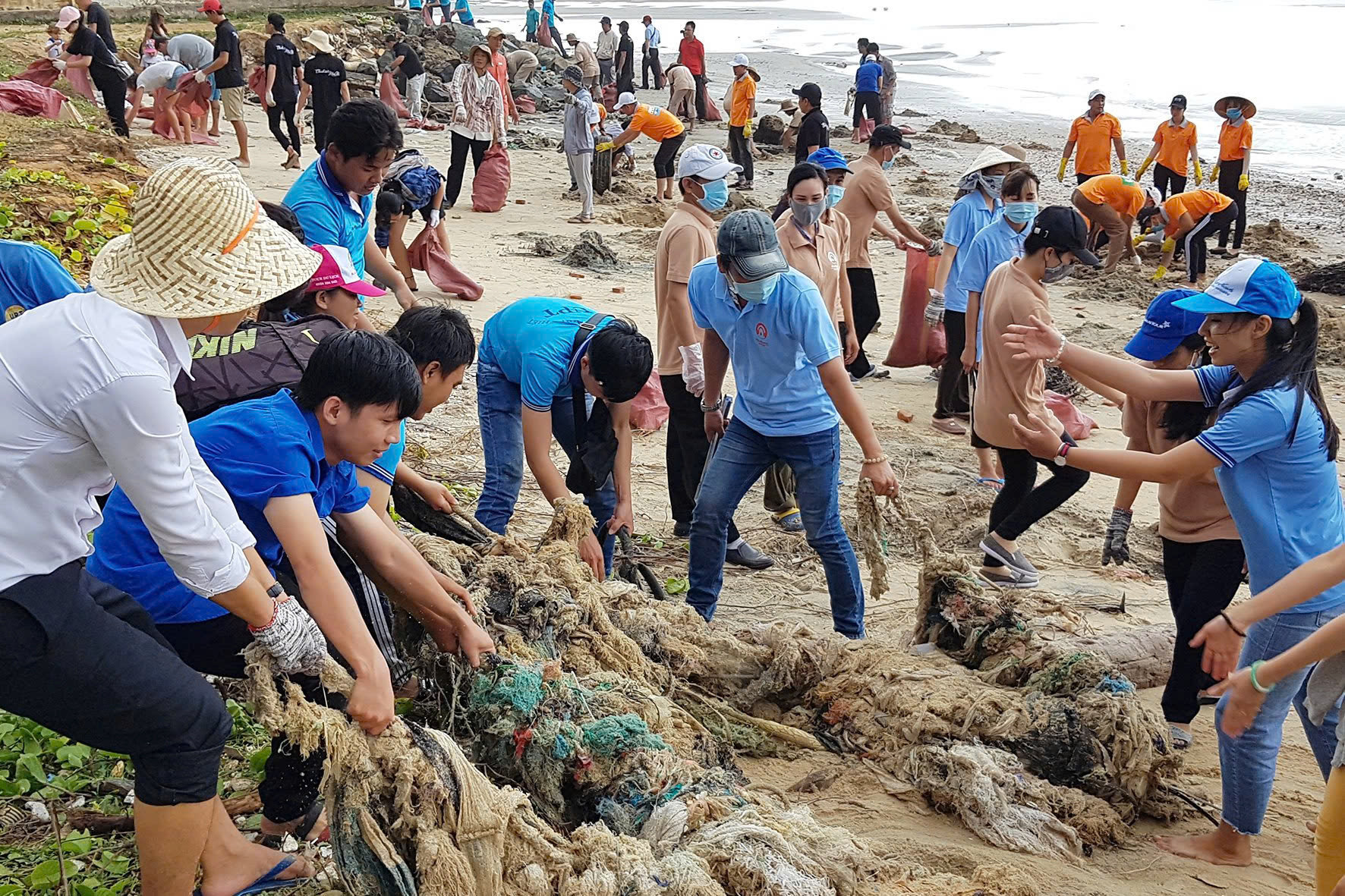
That same afternoon, Le Thanh Son, Chairman of the Mui Ne Ward People's Committee, confirmed that in recent days the locality had mobilized hundreds of people, along with mechanical equipment, to clean up waste in the fishing village and the beach area behind Mui Ne.
Such clean-up operations are nothing new to local residents. Every year, around August and September, the story of marine waste returns like an unwanted appointment.
In recent days, images of Mui Ne beach covered in waste have appeared on social media, sparking considerable debate. After receiving the information, a leader of the Lam Dong Provincial People's Committee said the local authorities had immediately been instructed to take action.
The provincial leader said the locality appreciated the reports and comments posted on social media because they provide a way for residents and authorities to identify problems that remain at an important tourist destination.
However, the official also stressed that the issue should be viewed fairly, as most of the waste found in the areas mentioned above is ocean-borne waste and cannot simply be attributed to local residents or tourists.
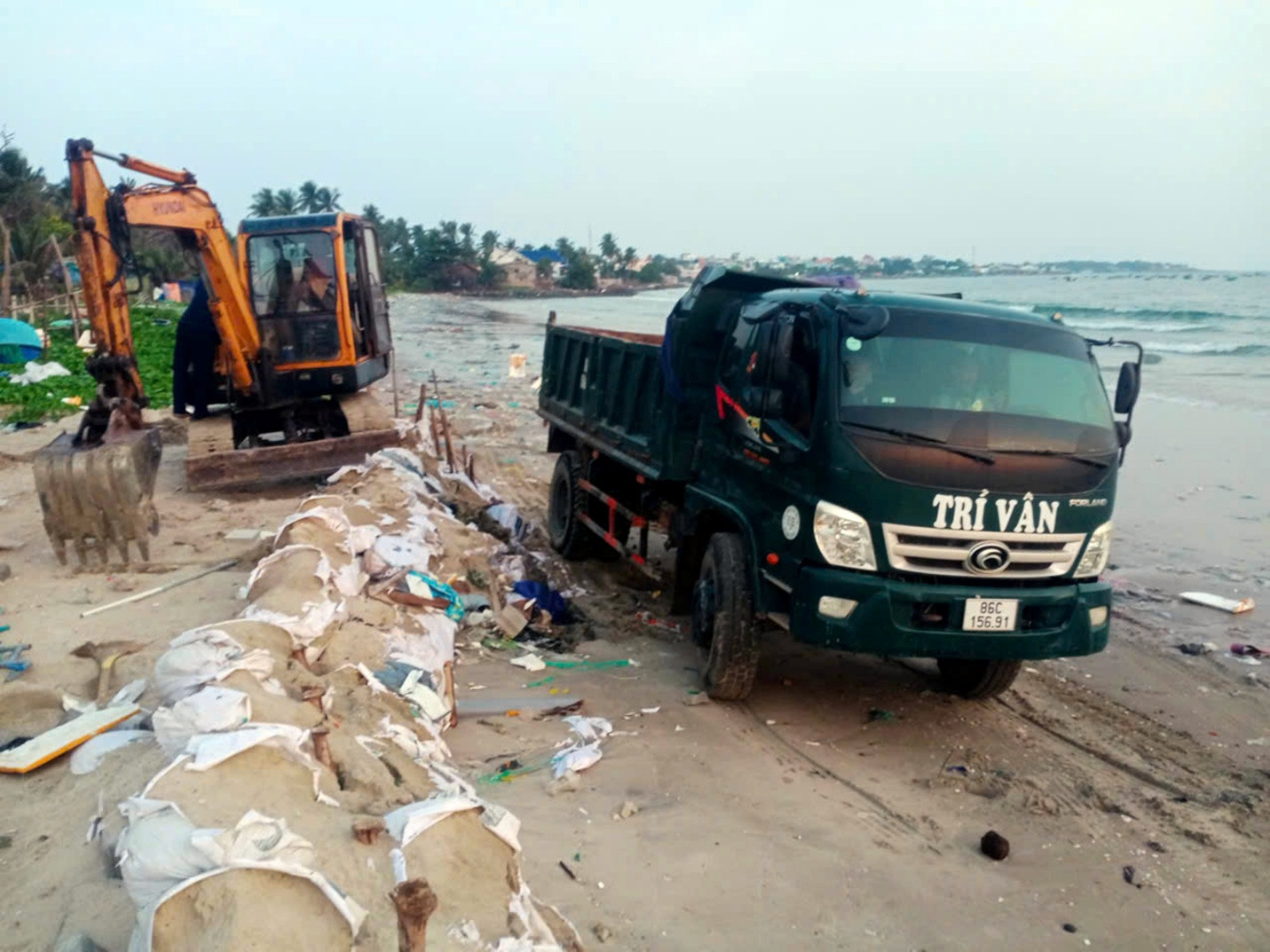
A plastic bottle discarded in one place can be carried by water into a river, from the river to the sea, and then swept along the coast by currents, wind and tides for tens or even hundreds of kilometers before ending up on a completely different sandy beach. This is an issue that must be viewed scientifically, because the sea has no boundaries like roads or fences.
An oceanographer said the ocean is a system of circulating currents, much like a giant washing machine swirling continuously. When the southwest monsoon or seasonal transition brings strong winds, combined with coastal currents, plastic waste from offshore fishing activities, river mouths in neighboring provinces or waste discarded from boats can be swept into “garbage gyres”.
These gyres act like giant brooms, clearing the water surface, gathering and pushing waste toward coastal “low-lying areas” depending on wind direction. Mui Ne can inadvertently become an unwanted stopping point for this ownerless stream of waste.
To save Mui Ne, do more than clean the sand
However, this does not mean we can simply wash our hands of the problem. Science also points to another painful fact: waste does not naturally appear in the ocean. Some of it begins on land; some comes from fishing and aquaculture activities, while another portion comes from tourism and daily life, compounded by inadequate waste management.
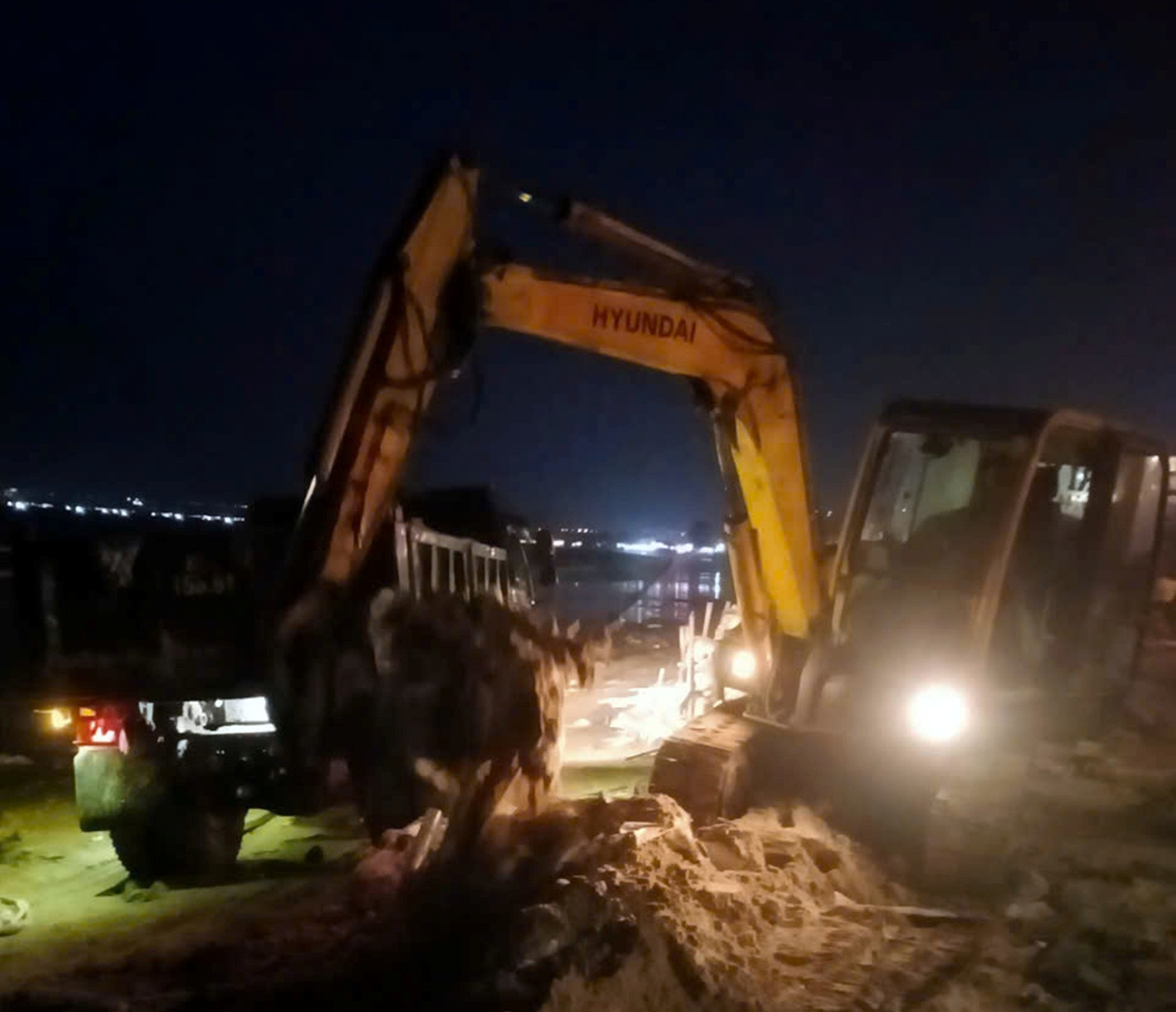
Therefore, keeping Mui Ne clean cannot depend solely on mobilizing people and machinery to collect waste every August and September.
Waste must be stopped at its source, waste on land reduced, fishing-related waste controlled, tourism waste properly managed, while preparations are made in advance for the marine waste season.
This is precisely what makes Ksenia Gulko’s story special, because she sees the place she calls home being harmed.
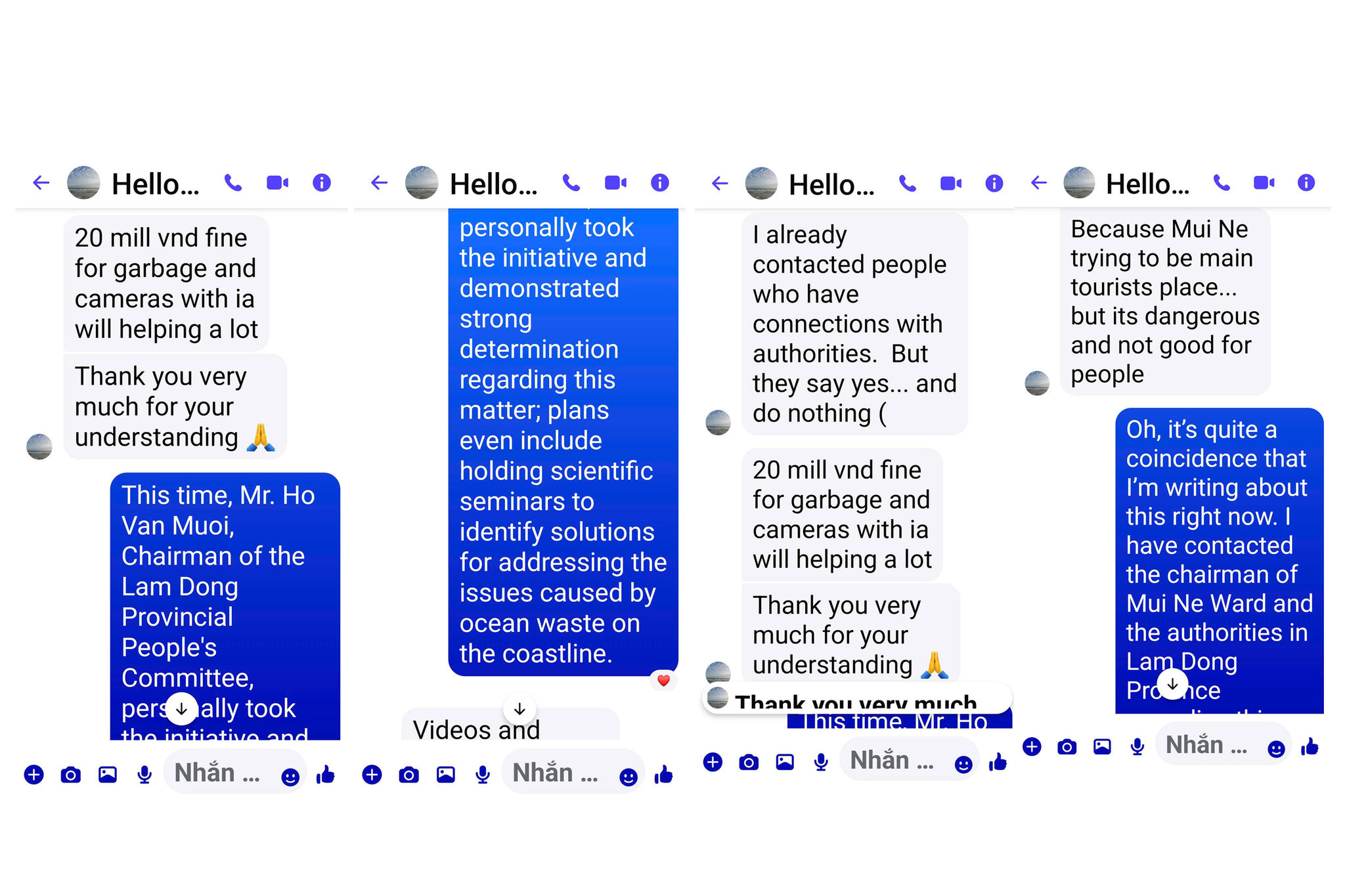
Ksenia believes that, besides ocean-borne waste, some local residents and tourists still underestimate the importance of public hygiene and dispose of waste indiscriminately.
She proposed that the locality combine an AI-integrated camera system with fines of up to VND20 million for littering as a deterrent, saying this could have a strong impact if strictly enforced.
A marine environmental expert said the proposal is worth considering, but cameras and penalties are only one link in the chain.
To address the problem at its roots, Mui Ne needs a multi-layered system.
The first layer is preventing waste from reaching the sea from land. Residential areas, businesses, eateries, markets and tourist sites need closed waste collection systems to prevent rubbish from being carried into the sea by rain, drainage systems or small waterways.
The second layer is controlling waste originating from the sea. Fishermen, fishing vessels and aquaculture facilities need mechanisms to collect damaged nets, ropes, buoys, packaging and other plastic items. A piece of fishing net lost at sea cannot be allowed to become a “weapon” entangling marine life or washing ashore months later.
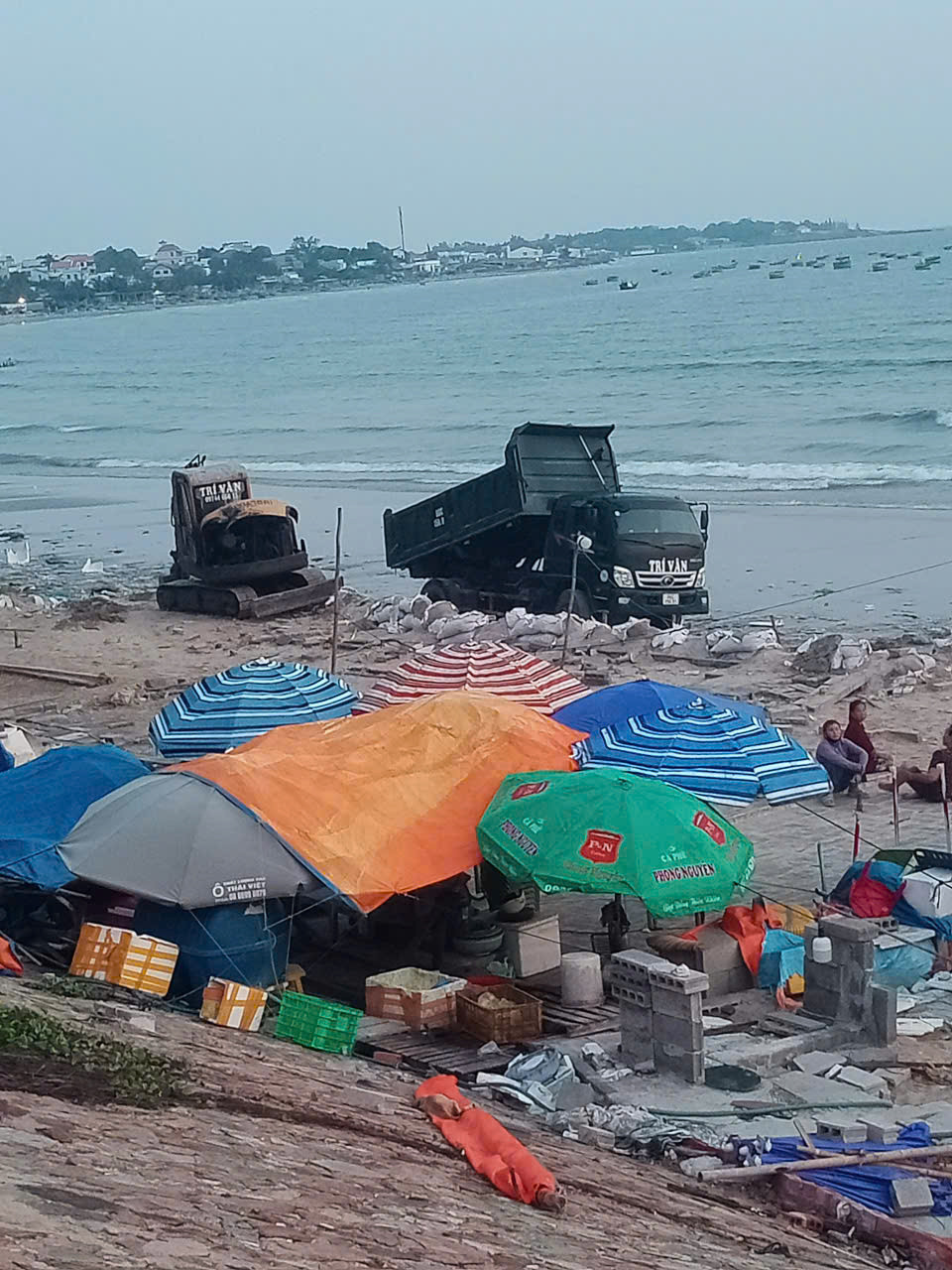
The third layer is seasonal preparedness. If August and September are known to bring large volumes of marine waste, the locality can develop hotspot maps, monitor wind direction, waves and tides, and deploy response teams before the waste reaches shore.
Current science shows that this can be done. Plastic waste tracking models have been used to forecast movement and identify areas likely to become “hotspots”, supporting targeted collection campaigns.
The fourth layer is where cameras and public awareness come in. Cameras can identify violations and AI can support monitoring, but ultimately, people themselves must change their behavior.
Do not throw a plastic cup onto the street simply because you think “someone will clean it up”. Do not throw a plastic bag into a drain because you think “it will wash away”, because that “washing away” may simply be a longer journey for the waste.
It may travel from a drain to a canal, from a canal to a river, and from a river to the sea, only to return one day and lie on the very beach where we swim.
That is the bitter cycle of waste, and Mui Ne cannot continue chasing that cycle year after year.
The encouraging point is that provincial leaders have shown determination to address the issue rather than avoid criticism raised on social media.
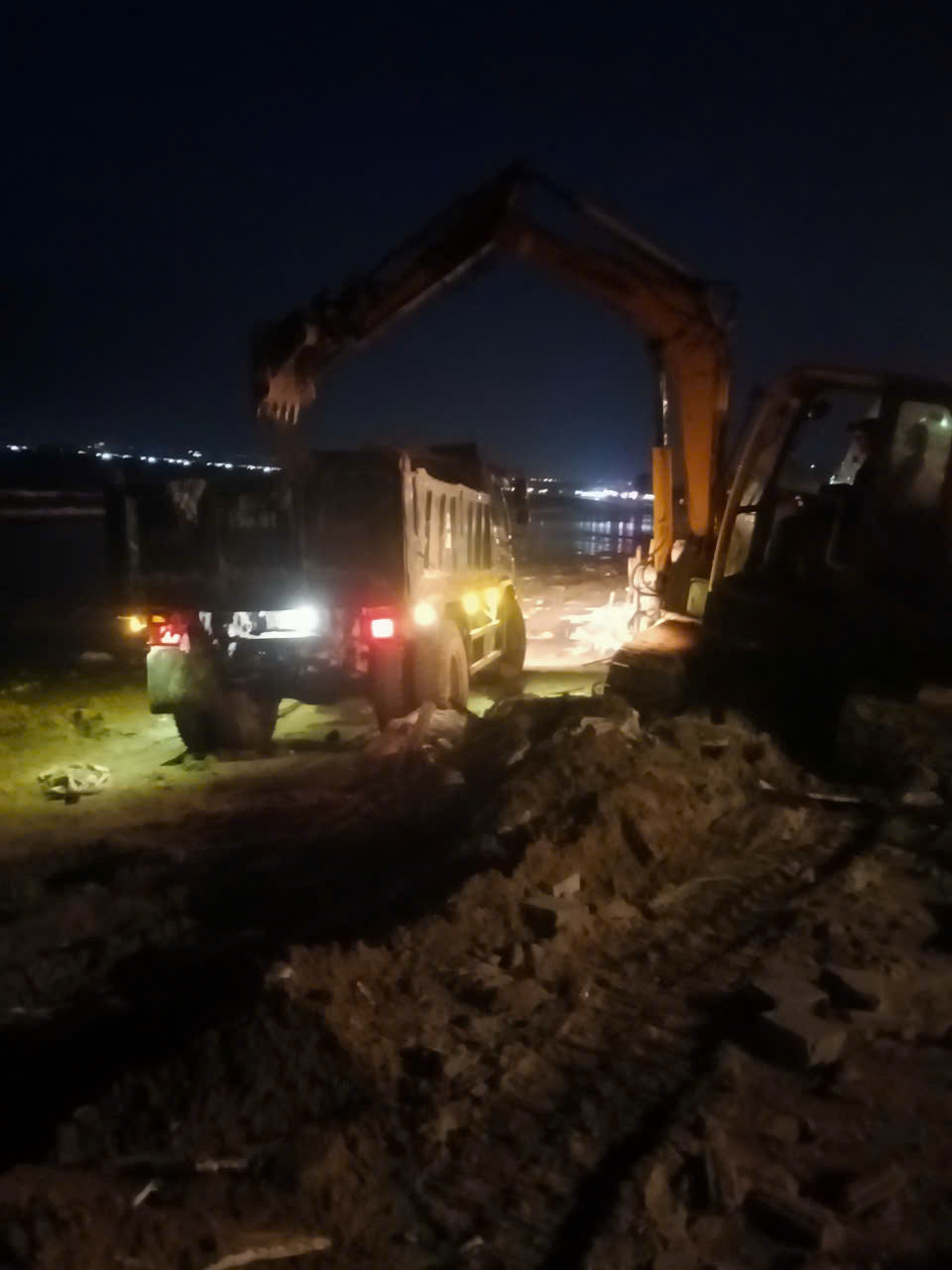
That response is necessary. More importantly, as the provincial leader shared, the locality will continue seeking a reasonable and scientific solution to a problem that has existed for a long time.
Certainly, no one can promise residents that the sea will never again bring waste ashore. Most importantly, keeping the sea clean must become a responsibility shared by the entire community, rather than a campaign lasting only a few days.
When I told Ksenia that Lam Dong’s leaders were taking decisive steps to find a solution, she was very happy. She hopes everyone will raise their voices and roll up their sleeves to take action and make Mui Ne cleaner.
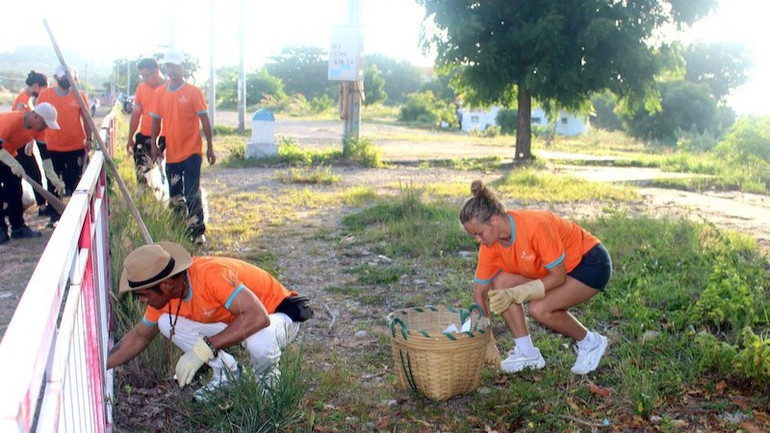
When someone living far from her homeland considers Mui Ne home and cries over its waste, those of us who live on this land cannot simply stand by and watch. Let us turn love into action, so that Mui Ne remains a beloved destination in the hearts of visitors and a source of pride for the people of Lam Dong.