


Lam Dong Accelerates Budget Revenue Collection, Targeting VND34.5 Trillion
Despite facing significant challenges, Lam Dong has continued to post positive results in state budget revenue collection, putting the province on track to meet its 2026 target of nearly VND34.5 trillion.
.jpg)
Key Budget Revenue Drivers
Under its 2026 fiscal plan, Lam Dong has set a state budget revenue target of VND34.435 trillion, more than 9% higher than the 2025 result. The province set a target of more than VND20 trillion for the first seven months of the year.
By the end of July 2026, state budget revenue had exceeded the planned scenario by more than 8%, reaching over VND21.535 trillion. This represented 62.5% of the 2026 estimate assigned by the provincial People's Council and a 14% increase year on year.

Revenue growth was recorded across several key sources. Tax and fee collections reached VND8.154 trillion, equivalent to 67% of the annual estimate. Revenue from imports and exports exceeded VND1.666 trillion, already surpassing the target set for the entire year.
Several tax categories also posted strong growth. Taxes from non-state industrial, commercial and service activities exceeded VND5.6 trillion, reaching 84% of the target. Personal income tax revenue stood at VND1.89 trillion, equivalent to 69% of the estimate.
.jpeg)
Foreign-invested enterprises were another bright spot, contributing VND1.026 trillion, or 75% of the annual estimate, with strong year-on-year growth.
During the first seven months of 2026, 10 of 17 revenue categories and tax items met or exceeded their scheduled targets, while nine recorded growth compared with the same period last year. A total of 106 out of 124 communes, wards and special administrative areas collected more than 60% of their estimates, while 18 remained below the sector-wide average.
Challenges in Land and Mineral Revenue
According to the finance sector, although overall state budget revenue has performed well, several areas continue to record low or declining collections.
Land-related revenue is a major concern. By the end of July, Lam Dong had collected nearly VND2.3 trillion from land use, only 35.3% of the assigned estimate.
.png)
Tran Van Long, Head of the Lam Dong Tax Department, attributed the shortfall to several factors, including delays in completing legal documents and preparing land-use rights auction plans.
Some projects remain ineligible for auction because of detailed planning issues, while compensation, support and resettlement work in several key areas have progressed slowly.
The land valuation process faces major obstacles due to a shortage of qualified consulting firms, low consulting fees and repeated revisions to dossiers. This is a major bottleneck hindering land-related revenue collection.
Tran Van Long, Head of the Lam Dong Tax Department
Mineral-related tax revenue has also declined. By the end of July, the province had collected VND1.665 trillion, down 14% year on year.
Authorities attributed the decline to suspended licenses and incomplete procedures that have led some businesses to terminate mineral extraction operations. Some mining enterprises also face difficulties in finding markets for their products, while several businesses have failed to fully meet their tax obligations, resulting in prolonged arrears of taxes, land rents and mineral extraction fees.
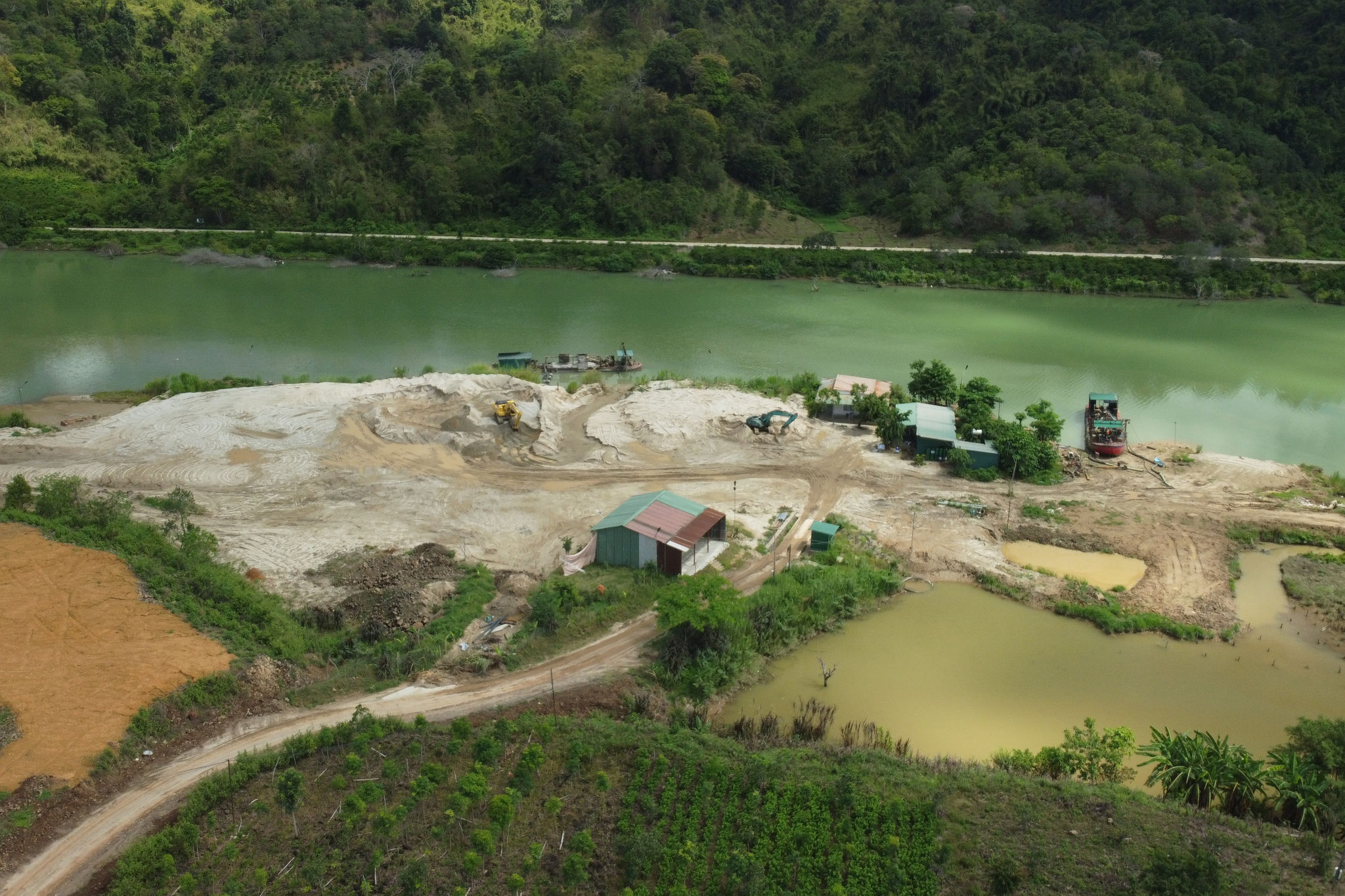
In addition, tax exemption and reduction policies implemented under National Assembly and Government directives are estimated to have reduced Lam Dong's revenue by about VND1.3 trillion.
Other sectors with significant potential have also made limited contributions to the provincial budget because of decentralization mechanisms.
Unlocking New Revenue Potential
To reach its target of nearly VND34.5 trillion, Lam Dong needs to collect an additional VND12.965 trillion during the final five months of 2026, equivalent to an average of VND2.593 trillion per month.
According to Le Ngoc Tien, Director of the Department of Finance, the first priority is to nurture and tap revenue sources in sectors that still have room for growth.
Tien noted that Lam Dong's key products, including agricultural, forestry and aquatic products, have significant export volumes. The launch of aluminum ingot production is also expected to stimulate growth in processing and manufacturing industries.
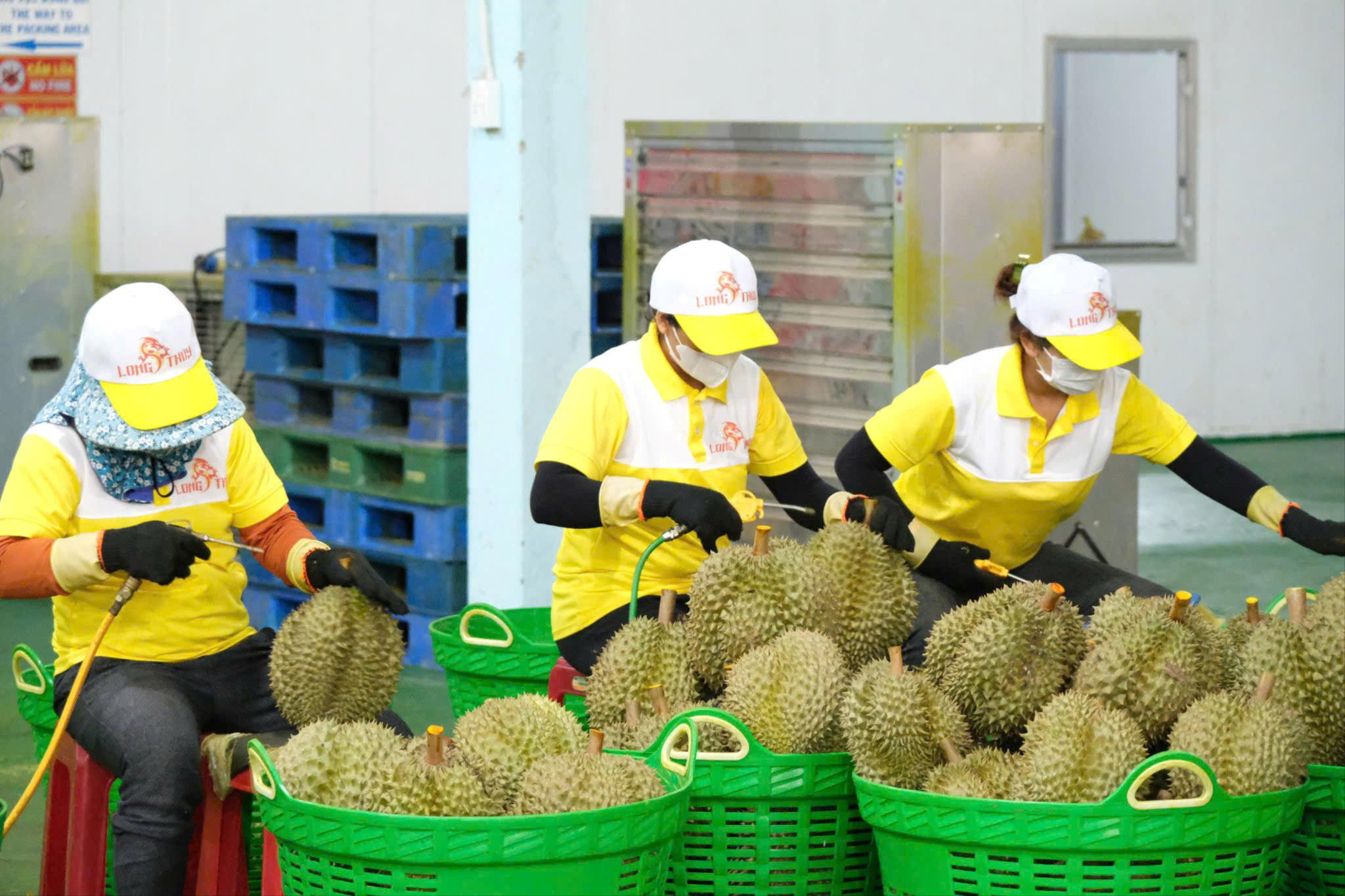
However, state budget revenue from import-export activities remains relatively modest, averaging only VND1.5–2 trillion a year.
Provincial key products are exported in large volumes, but most are exported in raw form or through intermediaries, generating limited revenue. Therefore, mechanisms are needed to fully exploit this potential and increase state budget revenue.
Le Ngoc Tien, Director of the Department of Finance
Regarding export revenue, Vu Le Quan, Head of Customs Branch XIII, said the agency is reviewing revenue sources across Lam Dong. Of the approximately 390 exporting enterprises that have not yet filed customs declarations at local border gates, the customs authority plans to approach and work with them.
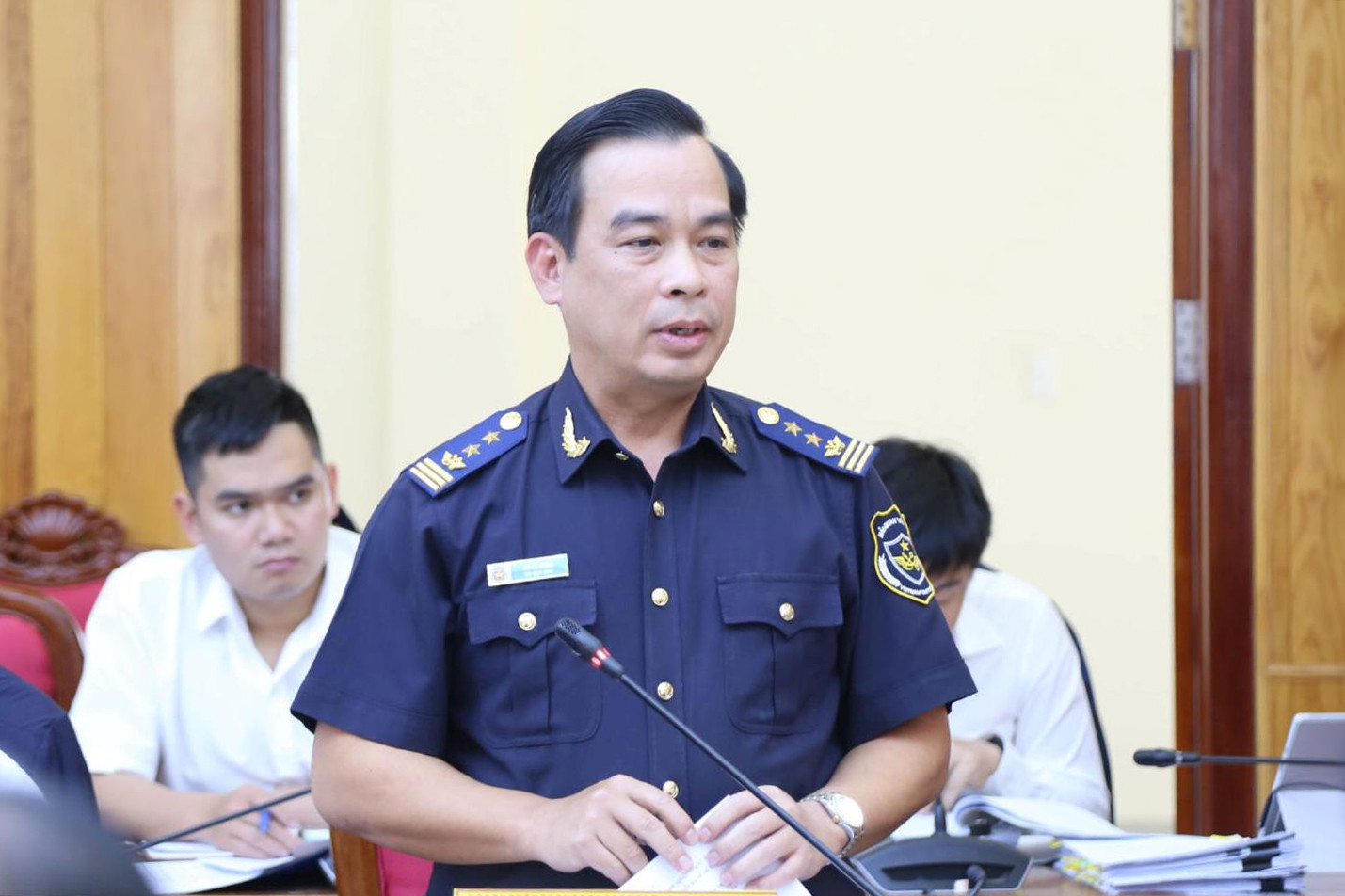
“In August 2026, customs authorities will work with businesses, particularly those with large import-export operations. On that basis, we will promptly address difficulties and encourage enterprises to complete tax declarations and customs procedures through border gates in Lam Dong,” Quan said.
According to the Department of Finance, alongside exports, Lam Dong will maintain growth in industrial production and consumption. Accelerating projects and attracting investors to new industrial parks will also create additional fiscal space.
At the same time, tax administration will be strengthened. Tax authorities will coordinate with relevant agencies to improve risk management, use digital data to combat revenue losses, and strengthen oversight of e-commerce, digital-platform businesses and household enterprises.
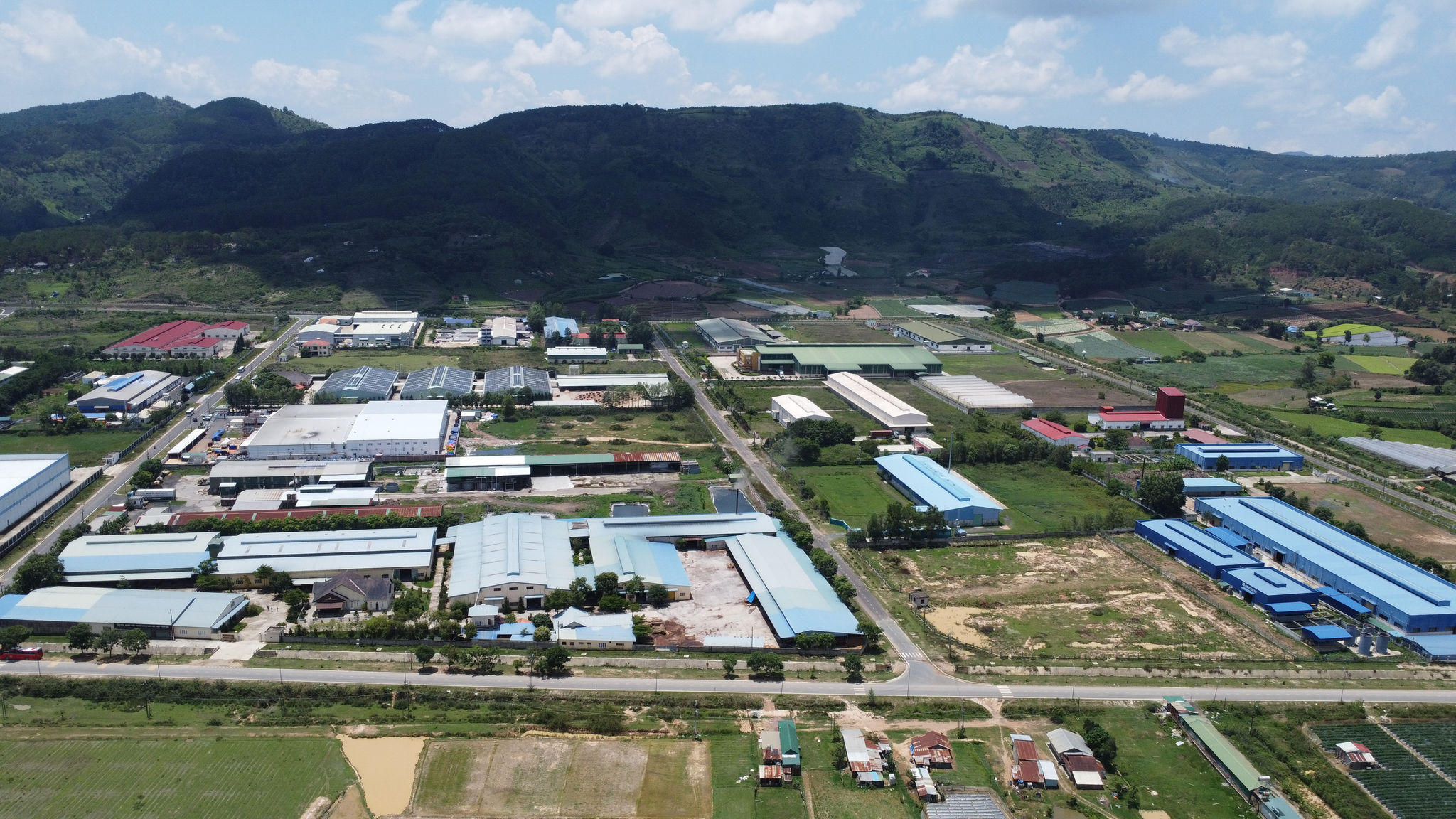
For land-use revenue, key priorities include accelerating planning, site clearance and land-use rights auctions in accordance with the law. Agencies must also select the appropriate timing to ensure the effective mobilization of land resources.
The stronger-than-expected revenue performance in the first seven months has provided greater confidence for Lam Dong's fiscal management. However, the gap between current collections and the VND34.5 trillion target remains substantial, requiring strong determination and concerted action in the remaining months of the year.