


Lam Dong Accelerates Construction of Border Boarding Schools
Lam Dong Province is accelerating the construction of five multi-level boarding schools in border communes, with total investment of more than VND 1 trillion.
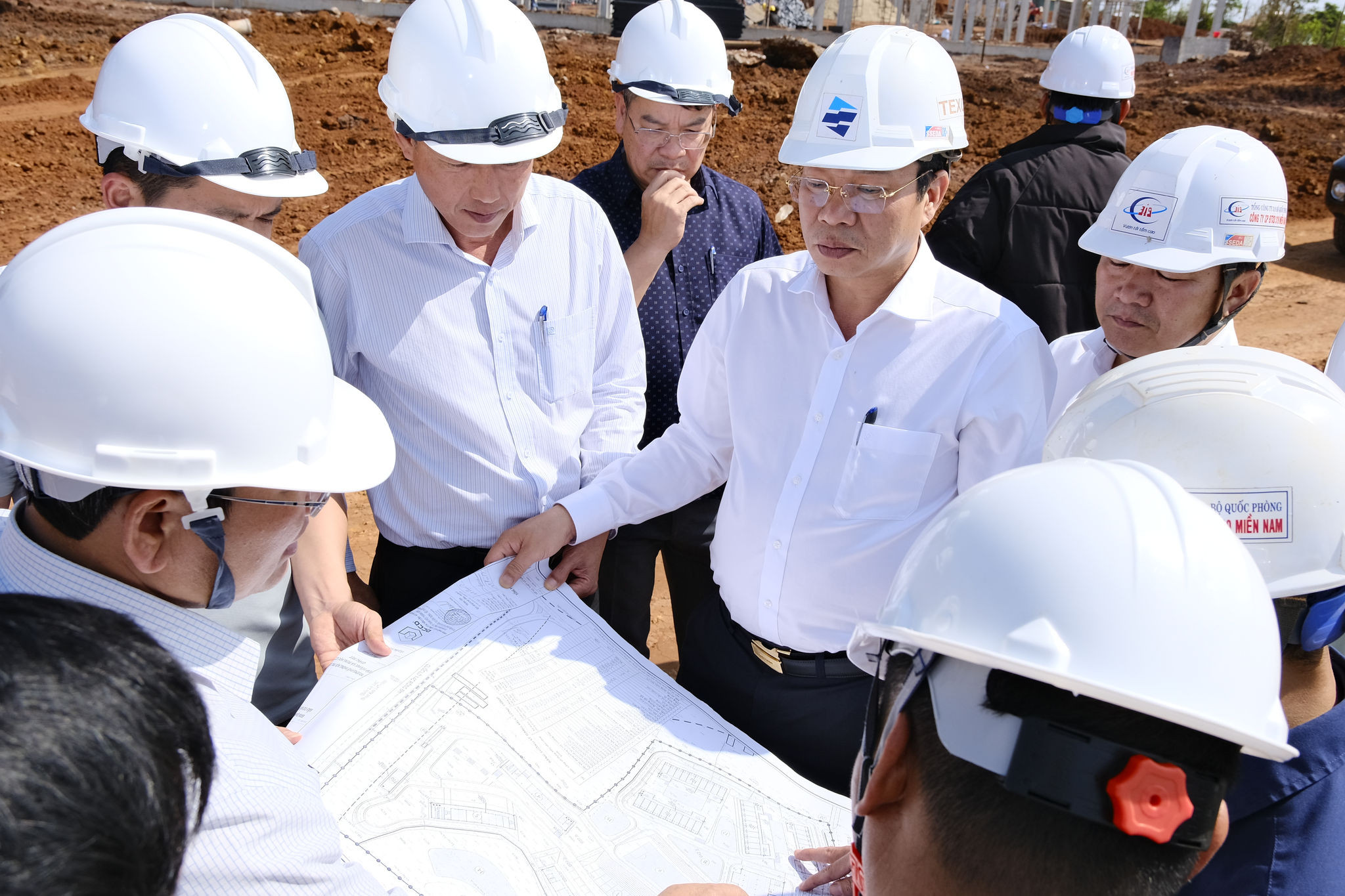
Beyond creating better learning conditions for thousands of students in remote and mountainous areas, the projects also carry strategic significance in developing human resources, ensuring social welfare, and strengthening national defense and security along the national border.
Accelerating Key Projects
Following the merger of the three provinces of Lam Dong, Dak Nong, and Binh Thuan, the new Lam Dong Province now covers more than 24,233 square kilometers, making it the largest province in Vietnam. Lam Dong shares over 141 kilometers of land border with Mondulkiri Province of Cambodia and has a coastline stretching 192 kilometers. The border region is considered strategically important in terms of economy, defense, and security.
However, educational infrastructure in border communes has yet to meet actual needs. Therefore, the construction of multi-level boarding schools for primary and lower secondary students is seen as a crucial step toward providing stable learning environments for children in border communities.
According to Tran Si Thanh, Deputy Director of the Lam Dong Department of Education and Training, in line with policies issued by the Politburo and the Government on building schools in border communes, Lam Dong has urgently launched five multi-level boarding school projects in Quang Truc, Thuan An, Tuy Duc, Thuan Hanh, and Dak Wil communes.
.jpg)
From the outset, the province established a Steering Committee and inspection task forces to supervise and speed up implementation. Authorities also issued multiple directives to resolve difficulties related to investment procedures, site clearance, and capital allocation.
In Phase 1, two projects in Quang Truc and Thuan An were selected for implementation with a combined investment of nearly VND 466 billion.
The multi-level Boarding School Project for Primary and Secondary Students in Quang Truc Commune was approved on October 29, 2025, with a total investment of VND 240 billion, and construction officially began on November 9, 2025. In 2025 alone, the project was allocated VND 57 billion, achieving 100 percent disbursement of the planned capital.
In 2026, the local budget allocated an additional VND 26 billion, of which more than VND 7.3 billion has already been disbursed, reaching over 28 percent of the plan. In addition, the central government allocated nearly VND 133 billion for subsequent construction phases.
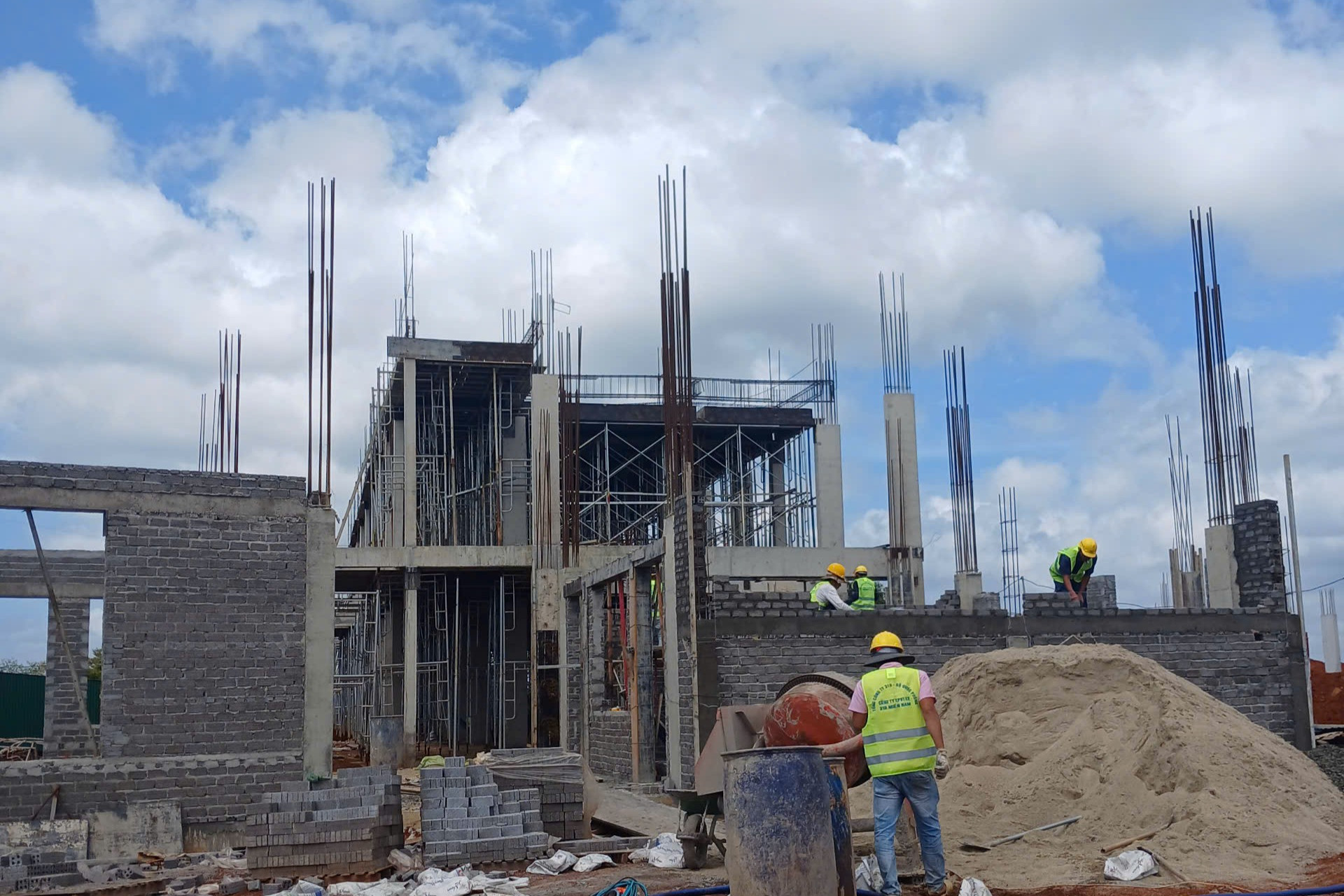
To date, land leveling for building blocks has been fully completed; technical infrastructure leveling has reached approximately 40 percent; foundations for major structures have been fully completed; while structural and finishing works have reached around 45.25 percent.
Meanwhile, the multi-level Boarding School Project in Thuan An Commune has a total investment of nearly VND 226 billion. In 2025, the project also received VND 57 billion and achieved full disbursement. In 2026, the province allocated more than VND 36 billion, with over VND 12 billion already disbursed, accounting for nearly 33.5 percent of the annual plan.
Notably, site clearance work in Thuan An has been completed, with local households receiving compensation and handing over land for construction. According to the schedule, both projects in Quang Truc and Thuan An are expected to be completed and put into operation before August 30, 2026, in time for the new academic year.
.jpg)
The three Phase 2 projects were approved in March 2026, each with an investment of approximately VND 225.94 billion. In 2026 alone, each project was allocated VND 142 billion for implementation.
Currently, these projects are focusing on site clearance, land surveys, map adjustments, and land price determination. Some land leveling works have already begun. According to the plan, the projects are expected to be completed by July 2027.
Investing in Education to Safeguard Border Areas
More than just educational facilities, the border boarding schools are expected to become training centers for human resources in some of Lam Dong’s most disadvantaged areas.
To ensure progress, the province is actively addressing numerous challenges arising during implementation, with site clearance identified as a top priority.
.jpg)
Several localities are still facing difficulties in identifying land origins, conducting land surveys, updating cadastral maps, and determining specific land prices. In addition, prolonged rainfall in western Lam Dong has significantly affected the progress of land leveling and technical infrastructure works.
Moreover, the shortage of skilled local labor and the transportation of materials and machinery to remote areas remain difficult due to underdeveloped transportation infrastructure.
.jpg)
In response to these challenges, Vice Chairman of the Lam Dong Provincial People’s Committee Nguyen Minh has instructed departments, agencies, and local authorities to strengthen coordination, accelerate site clearance, complete investment procedures, and ensure sufficient resources for projects to proceed on schedule.
He emphasized that the province is focusing on directing relevant units to complete investment preparation, site clearance, and resource allocation according to the required timeline. He also urged investors and contractors to mobilize machinery and manpower while taking advantage of favorable weather conditions to speed up construction progress.
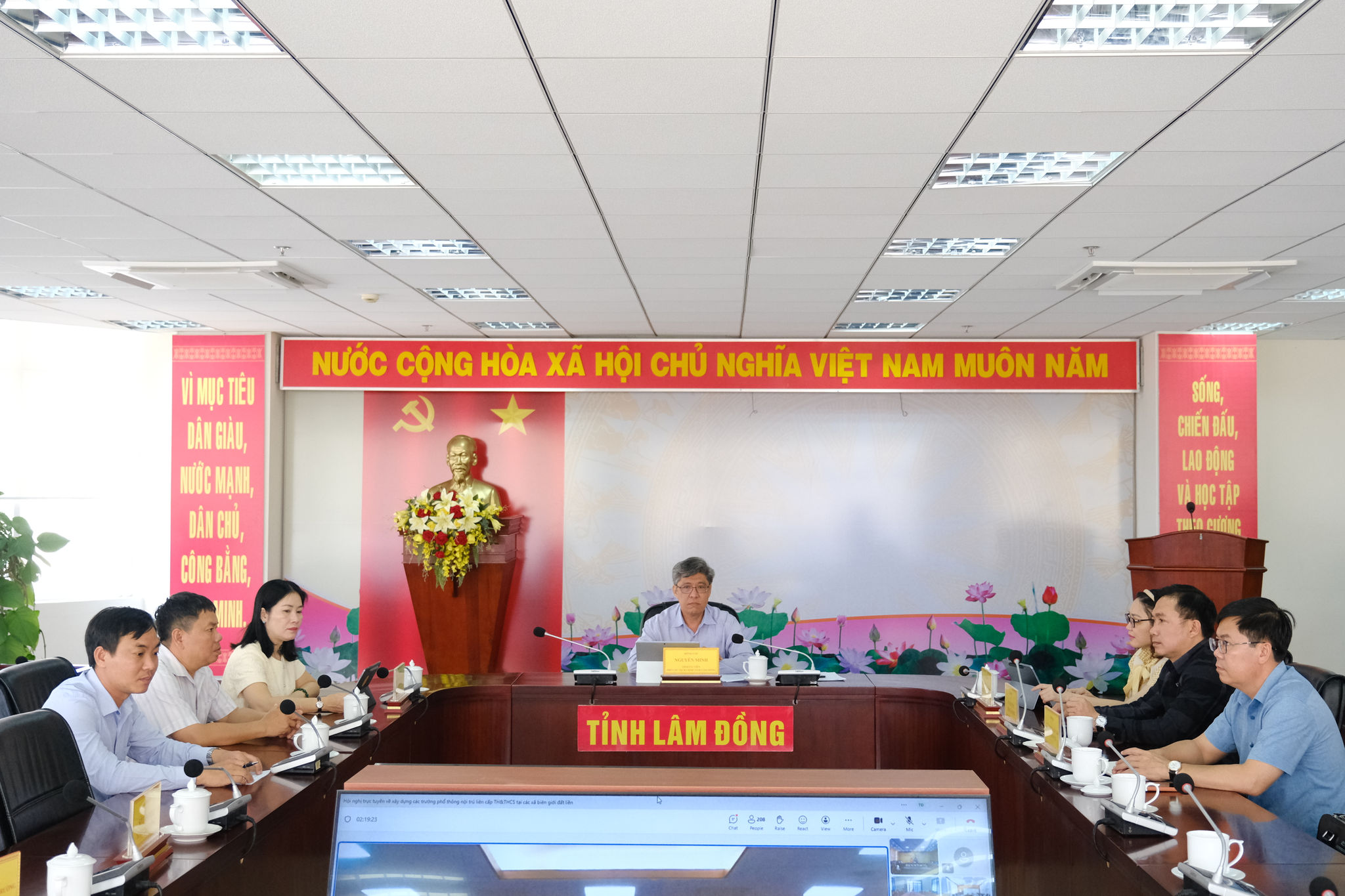
Alongside school construction, the province also focus on long-term operational planning. The Department of Home Affairs has been tasked with coordinating teacher staffing, while the Department of Finance will advise on allocating regular operational funding. Local authorities are also proactively developing enrollment plans suited to actual conditions.
Notably, the education sector is also studying the introduction of Cambodian language instruction for students in border communes adjacent to Cambodia, helping promote cultural exchange and socio-economic development in the border region in the future.
As part of Lam Dong’s sustainable border development strategy, these new schools are expected not only to create educational opportunities for disadvantaged students but also to help retain local populations, improve educational standards, develop local human resources, and strengthen national solidarity and security along the country’s frontier.