


Lam Dong Accelerates Digital Transformation in Culture, Sports and Tourism
Deputy Chairman of the Lam Dong Provincial People's Committee Nguyen Ngoc Phuc emphasized that digital transformation in culture, sports and tourism must go beyond improving public administration to create new value, helping culture become a driving force for development.
On the afternoon of July 28, Nguyen Ngoc Phuc, Member of the Provincial Party Committee and Deputy Chairman of the Lam Dong Provincial People's Committee, chaired a working session with the Department of Culture, Sports and Tourism to review the implementation of digital transformation and Resolution No. 57-NQ/TW, issued by the Politburo on December 22, 2024, on breakthroughs in science and technology, innovation and national digital transformation.
.jpg)
Building a Comprehensive Digital Ecosystem
According to the department's report, during the first seven months of 2026, it actively implemented central and provincial policies on digital transformation while issuing action plans tailored to the sector's specific needs.
Digital transformation has been integrated with administrative reform, digital government development, cybersecurity and improvements in public services for citizens and businesses.
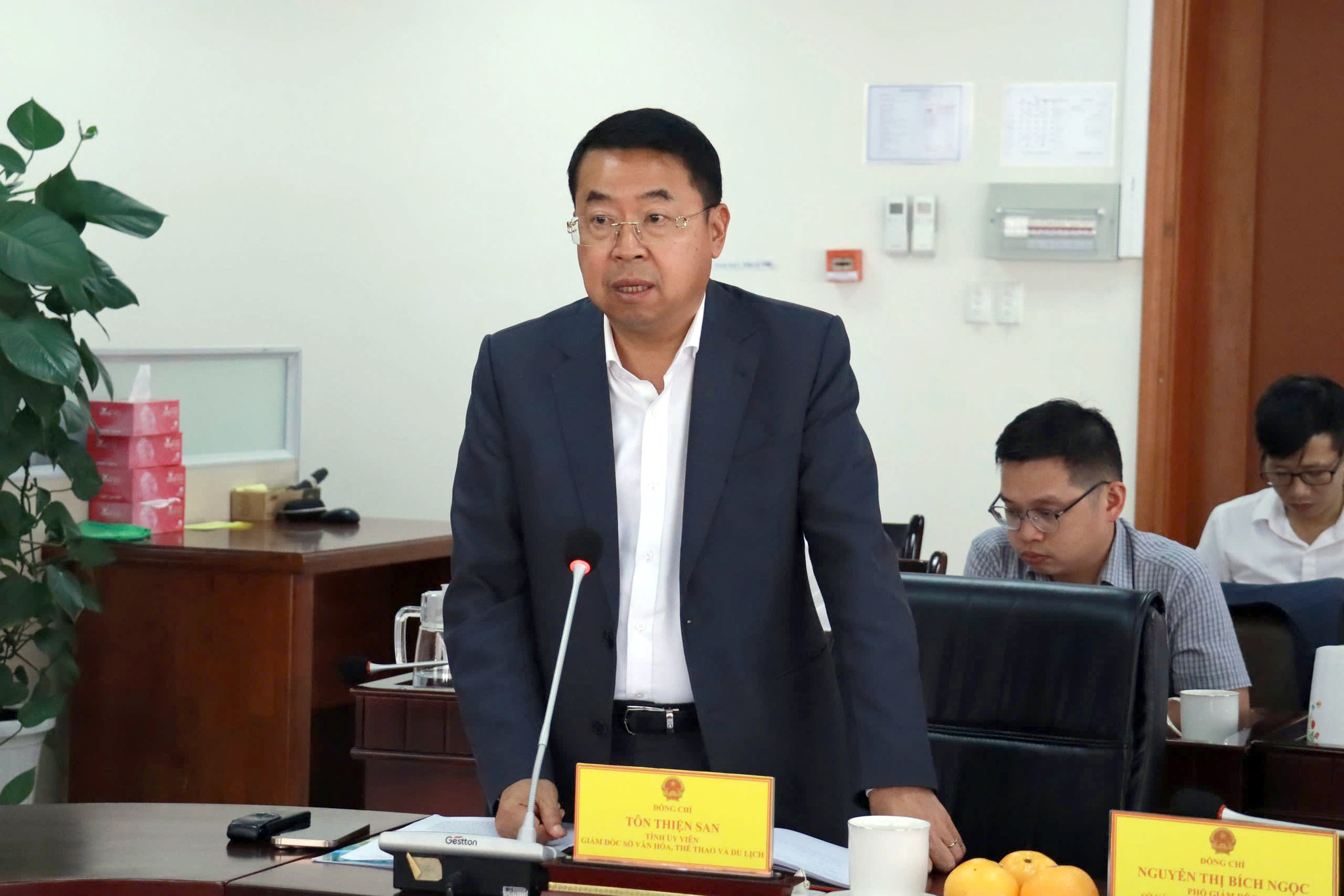
The sector has made notable progress in developing specialized digital databases. The Provincial Library has digitized 330 catalog records covering more than 77,600 pages of local history, culture and heritage documents. Meanwhile, the Provincial Museum has uploaded more than 300 artifacts into its digital management system and inventoried nearly 12,000 artifacts for a large-scale digitization project.
QR code systems and automated audio guides have been introduced at museums and heritage sites, enhancing visitor experiences. The province's smart tourism platform has also compiled data on thousands of accommodation providers, tourist attractions, shopping venues and service establishments, while completing the digitization of 18 destinations through interactive 3D/360-degree tourism maps.
.jpg)
Digital platforms are increasingly embedded in daily operations. All outgoing official documents are digitally signed, all non-confidential administrative files are processed online, and invitations and work schedules are now issued electronically.
The department has also expanded the use of digital technologies through online conferences, paperless meetings, livestreaming of cultural and artistic events, and shared provincial digital applications.
.jpg)
In implementing Resolution No. 57-NQ/TW, the department has developed a sector-wide data strategy for 2026-2030, integrated administrative procedures with document management software, and achieved a 100% rate for the creation, processing and archiving of electronic documents.
The department currently manages 174 administrative procedures, all publicly available on the National Administrative Procedures Database and the Provincial Public Administration Service Center. Between July 1, 2025 and June 30, 2026, it received 1,632 online applications and processed 1,584, all on or ahead of schedule, while ensuring full digitization of administrative results and online payments through the National Public Service Portal.
.jpg)
Despite these achievements, the department acknowledged several challenges, including aging IT infrastructure at some units, fragmented sectoral databases, the absence of unified specialized software, limited numbers of IT professionals, and insufficient funding for digital transformation and cybersecurity.
.jpg)
Prioritizing Smart Tourism and Digital Heritage
Addressing the meeting, Deputy Chairman Nguyen Ngoc Phuc stressed that digital transformation should generate tangible value beyond administrative management, enabling culture to become a development resource and tourism to evolve into one of Lam Dong's key economic sectors.
He urged the department to adopt a stronger strategic approach with clearly defined objectives, products and implementation roadmaps, avoiding fragmented or symbolic initiatives.
.jpg)
The department was instructed to build an integrated, modern digital database capable of serving not only internal operations but also citizens, businesses and visitors. The system should be incorporated into the province's shared data platform to ensure interoperability, data sharing and efficient investment.
According to Nguyen Ngoc Phuc, priority should be given to digitizing museums, libraries, historical and cultural relics, scenic sites, tangible and intangible cultural heritage, sports data and tourism resources.
He also called for upgrading digital museums and libraries with high-quality images, 3D models, multilingual audio guides and gradually integrating artificial intelligence (AI) to improve public access while exploring sustainable revenue models for reinvestment.
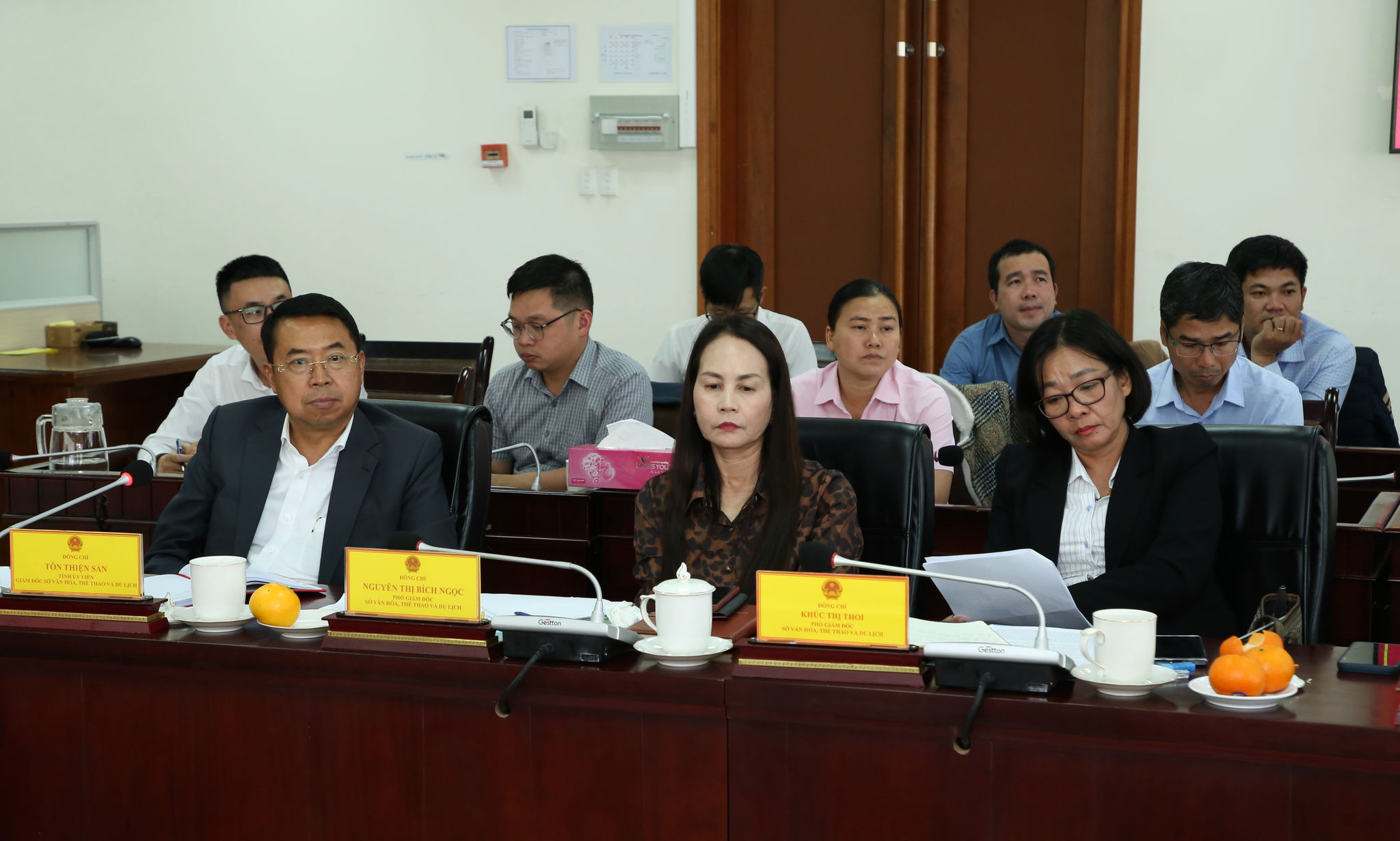
The Deputy Chairman further proposed developing a unified digital portal and mobile application integrating culture, sports and tourism services. The platform should include digital maps, QR-code-enabled attractions, information on festivals, events, accommodation and destinations, along with data analytics tools to support public administration.
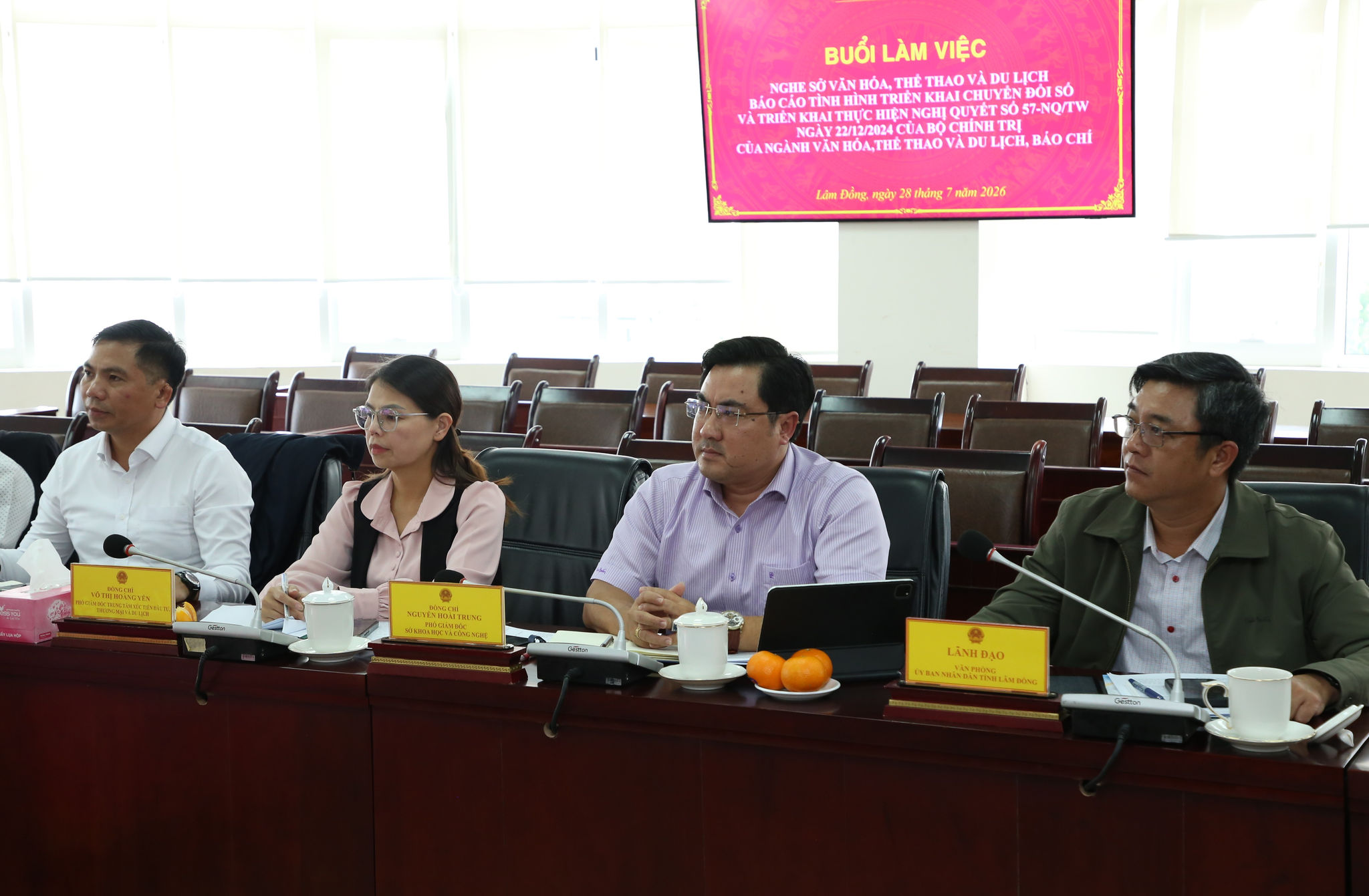
He also highlighted the importance of AI applications in communications, visitor information services and analysis of public and business feedback to improve service quality. At the same time, tourism businesses, hotels, restaurants and service providers should receive greater support in adopting digital platforms for management, e-commerce and destination promotion.
Emphasizing measurable outcomes, Nguyen Ngoc Phuc urged the department to promptly develop implementation plans with clear performance indicators and deliverables.
Digital transformation must deliver verifiable products and measurable results, rather than remain limited to plans and reports. Every sector should complete at least one flagship digital product in the near future, creating a foundation for developing cultural industries, smart tourism and more effective state governance.
Nguyen Ngoc Phuc, Deputy Chairman of the Lam Dong Provincial People's Committee