


Lam Dong Adopts Polycentric Urban Planning to Balance Growth and Cultural Preservation
Lam Dong's newly approved provincial master plan embraces a polycentric development model designed to ease pressure on historic urban centers while safeguarding the cultural identity of the Central Highlands' indigenous communities. Officials and planners say the strategy seeks to ensure that modernization strengthens—not erodes—the province's unique heritage.
Balancing urban expansion with cultural heritage
The expansion of Lam Dong's administrative boundaries has created new opportunities for economic development while presenting a critical challenge: how to accommodate rapid urban growth without sacrificing the province's distinctive cultural landscape.
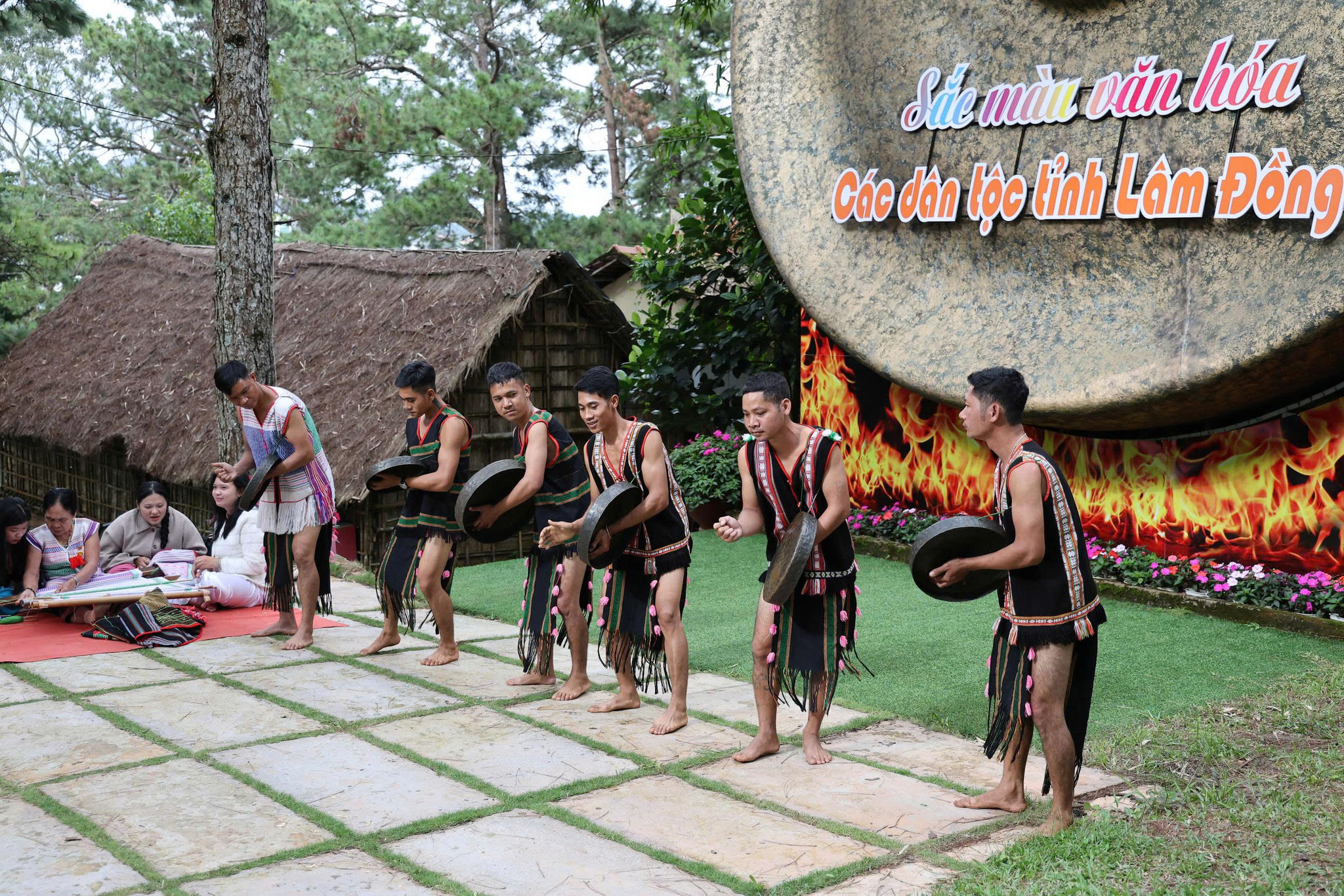
Across many villages inhabited by the K'ho, Ma, and Chu Ru ethnic communities, traditional longhouses and stilt houses—once central to matrilineal family life and the famed Central Highlands gong culture—are gradually being replaced by standardized concrete homes.
Urban planners warn that the disappearance of indigenous architecture represents more than a change in building materials. It also threatens the cultural spaces where traditions, community life, and intangible heritage have been preserved for generations.
Responding to these concerns, Lam Dong's 2021–2030 Provincial Master Plan, with a vision to 2050, approved in June 2026, adopts a strategic spatial framework centered on polycentric urban development and clearly defined economic regions.
Rather than concentrating growth in a single urban core, the province plans to distribute development across interconnected urban centers while reducing pressure on historically significant cities.
.jpg)
Protecting Da Lat through satellite development
Under the master plan, central Da Lat will continue serving as the province's primary administrative, tourism, and international resort destination.
However, future population growth, infrastructure expansion, and investment will increasingly be directed toward surrounding satellite urban areas.
Architect Nguyen Hoang Giang believes the strategy offers a practical solution to preserving Da Lat's architectural character.
"Instead of allowing Da Lat to absorb all population and infrastructure pressures, the province is building a network of satellite cities that can accommodate future growth while protecting the historic urban landscape from uncontrolled urbanization," he said.
He added that the province's new economic zoning strategy is based on comparative advantages rather than uniform development.
While logistics, seaports, renewable energy, and industrial activities will be concentrated in designated growth corridors, the Central Highlands region will focus on high-value agriculture, eco-tourism, wellness tourism, and cultural tourism.
This approach allows economic development to reinforce, rather than replace, local cultural assets.
.jpg)
Keeping indigenous communities at the center
Urban planners describe cultural preservation as one of the most significant principles embedded in Lam Dong's new planning strategy.
Rather than applying conventional urban development models to rural ethnic communities, the province intends to tailor housing and village development to local geography, cultural traditions, and indigenous architectural styles.
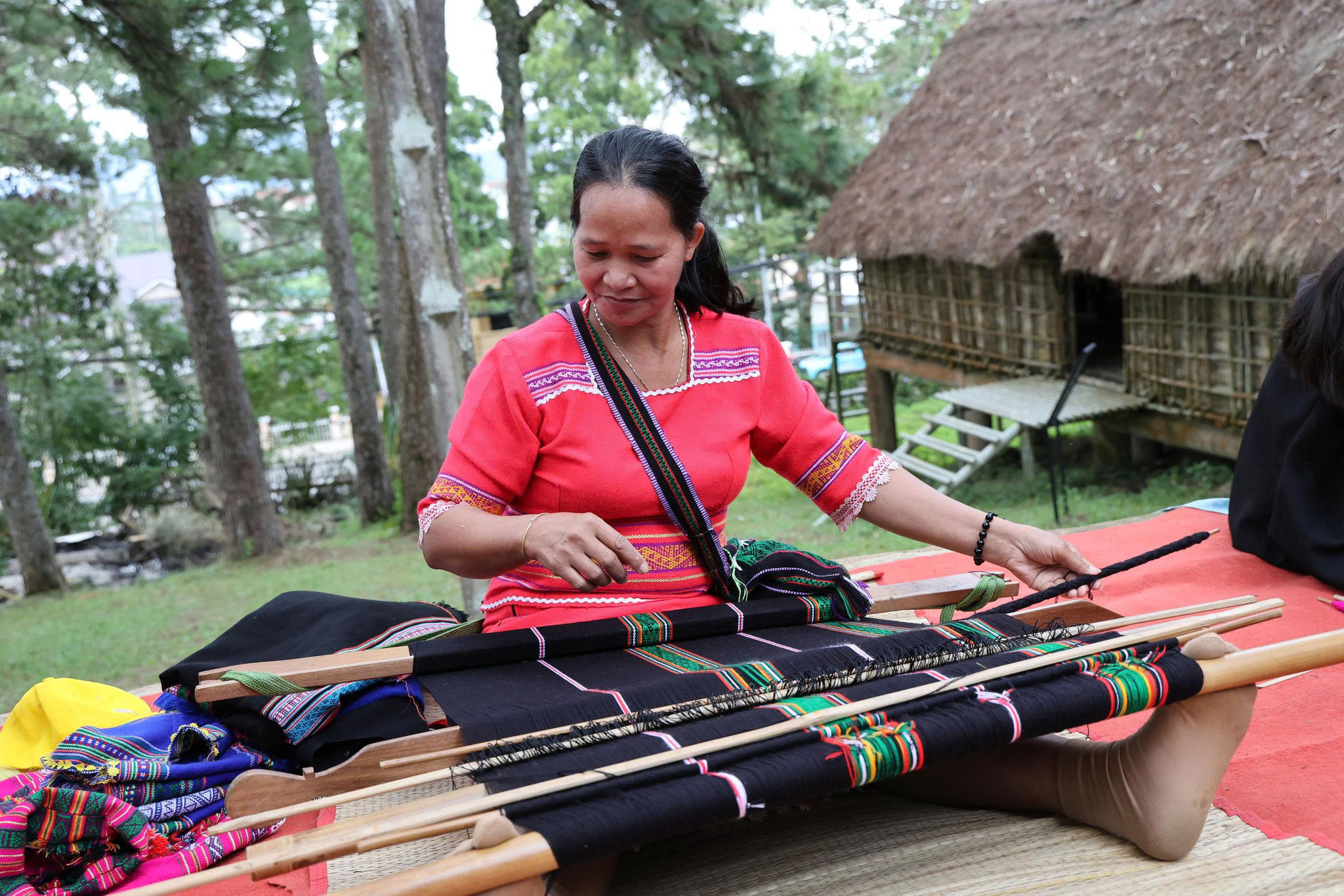
The plan also prioritizes the preservation and revitalization of traditional craft villages specializing in:
- Brocade weaving
- Silk production
- Traditional food processing
- Indigenous handicrafts
These activities are expected to generate sustainable incomes while creating authentic tourism experiences rooted in local culture.
Community cultural spaces are also being incorporated into eco-tourism subregions, enabling K'ho, Ma, and Chu Ru communities to preserve and present their living cultural heritage, including the renowned Central Highlands Gong Cultural Space, recognized by UNESCO as an Intangible Cultural Heritage of Humanity.
Development without cultural assimilation
The provincial housing strategy emphasizes respect for indigenous lifestyles, traditional settlement patterns, and vernacular architecture.
Officials believe this approach can improve living standards while maintaining the cultural identity that distinguishes Lam Dong from other rapidly urbanizing regions.
K'Tieu, a resident of Lac Duong Commune, welcomed the planning vision: "Our longhouses, gong music, and weaving traditions are the soul of the K'ho people. If the master plan preserves these cultural spaces, we can protect our heritage while also creating new livelihoods through tourism. Our villages can become more prosperous without losing their identity."
A key advantage of the polycentric planning model is the creation of what planners describe as "cultural buffer zones."
Heavy industries—including deep-processing manufacturing and renewable energy projects—will be concentrated in designated industrial corridors and midland economic zones rather than near indigenous settlements.
This separation allows ethnic communities to benefit from improved infrastructure and public services through nearby satellite towns while preserving the cultural and spiritual landscapes of their ancestral villages.
A vision for sustainable urban identity
For Lam Dong, urbanization is viewed as inevitable—but not at the expense of cultural identity.
Provincial planners argue that truly livable cities are defined not only by modern infrastructure but also by their history, memory, and distinctive character.
Through its polycentric planning strategy, Lam Dong seeks to create a development model in which economic growth and modernization coexist with cultural preservation, ensuring that indigenous heritage remains a living part of the province's future rather than a relic of its past.
The Lam Dong Provincial Master Plan for the 2021–2030 period, with a vision to 2050, reflects this long-term strategy by organizing development through interconnected urban centers and specialized economic regions—reducing pressure on historic urban cores while unlocking the development potential of surrounding areas without compromising cultural identity.