


Lam Dong Advances Intellectual Property Development to Enhance the Value of Agricultural Products
In recent years, backed by advances in science, technology, and innovation, Lam Dong has stepped up efforts to build brands and strengthen intellectual property protection for its signature agricultural products, enhancing their value and reinforcing their market position.
.jpg)
Leveraging Local Strengths to Build Brands
Farmers in Lam Dong Province are embracing advanced agricultural techniques and focusing on brand development and product traceability to meet export standards. These initiatives are part of the province's Intellectual Property Development Program, which seeks to increase the value of locally produced agricultural products.
In Da Huoai Commune, regular training programs, field workshops, and technology transfer initiatives are held to help farmers enhance their skills in modern cultivation methods while ensuring product quality.
The establishment of a geographical indication (GI) for the "Da Huoai Durian" brand, backed by the provincial Department of Science and Technology and finalized in 2025, has bolstered the market position of the product and demonstrated the benefits of aligning intellectual property development with quality enhancement.
Vo Van Hoanh, a representative from the Da Huoai Integrated Service Center, stated that the registration of planting area codes, packing facility codes and geographical indication for Da Huoai durian has greatly increased the value of this local specialty.
.jpg)
In addition to the Da Huoai Durian brand, Lam Dong has established several well-known local brands, such as Binh Thuan Dragon Fruit, Phan Thiet Fish Sauce, Lam Dong Coffee, and Da Lat – A Magical Essence from the Good Earth. Developing and safeguarding these brands not only protects the interests of producers but also enhances the market value of regional products.
The province has carried out over 10 science and technology initiatives aimed at developing, managing, and protecting geographical indications and certified trademarks for key commodities like coffee, pepper, durian, macadamia, and dragon fruit. These efforts have resulted in increased product value, improved market access, and greater participation in global supply chains.
Raising Quality Through Standards and Technology
Alongside the development of intellectual property, Lam Dong has prioritized the enhancement of product quality by embracing modern technologies and international standards. The province has assisted 58 businesses in boosting productivity and quality by adopting advanced management systems and globally recognized standards, such as ISO, HACCP, VietGAP, and GlobalGAP.
By standardizing production methods, companies have been able to meet increasingly rigorous market demands, especially in lucrative export markets.
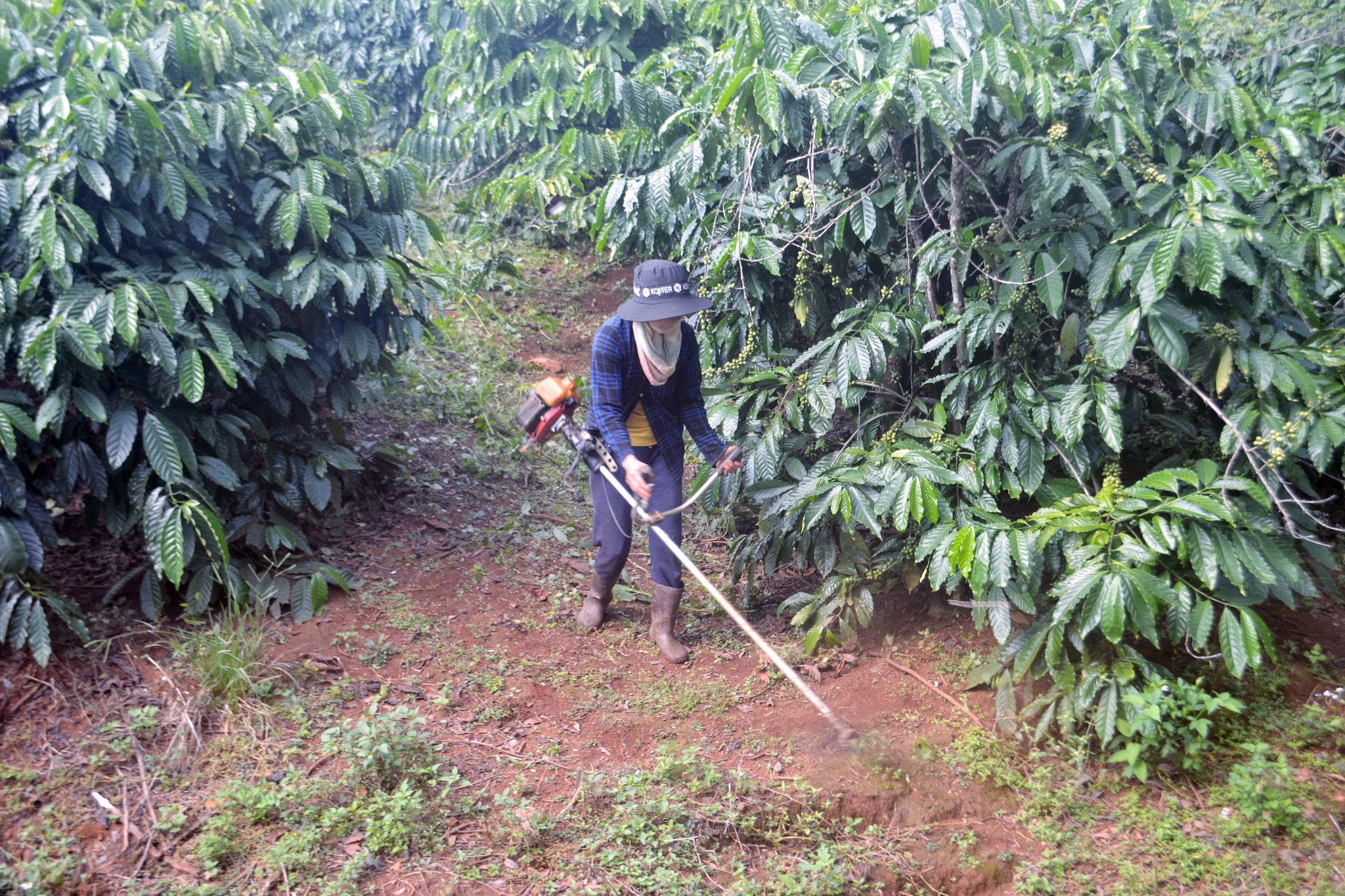
Pham Thi Minh Hien, Deputy Director of the Lam Dong Department of Science and Technology, highlighted that one of the province's key initiatives involves utilizing big data and blockchain technology to trace the origins of agricultural, forestry, and fishery products. These technologies enhance the benefits derived from free trade agreements such as the EU–Vietnam Free Trade Agreement (EVFTA) and the Comprehensive and Progressive Agreement for Trans-Pacific Partnership (CPTPP).
Digital platforms ensure product information is clear from production to consumption, enabling consumers to verify product origins and strengthening consumer confidence in the market.
To support business development, provincial authorities have actively shared 1,113 Technical Barriers to Trade (TBT) notifications, helping enterprises improve their competitiveness. Thus, the development of intellectual property goes beyond merely protecting brands; it acts as a catalyst for increasing product value, expanding markets, and promoting economic growth through science, technology, innovation, and digital transformation.
As of now, Lam Dong has obtained intellectual property protection for 96 community brands, including 37 certification trademarks, 54 collective trademarks, and 5 geographical indications. The province has also registered 6,336 trademarks, 519 industrial designs, and 24 inventions.