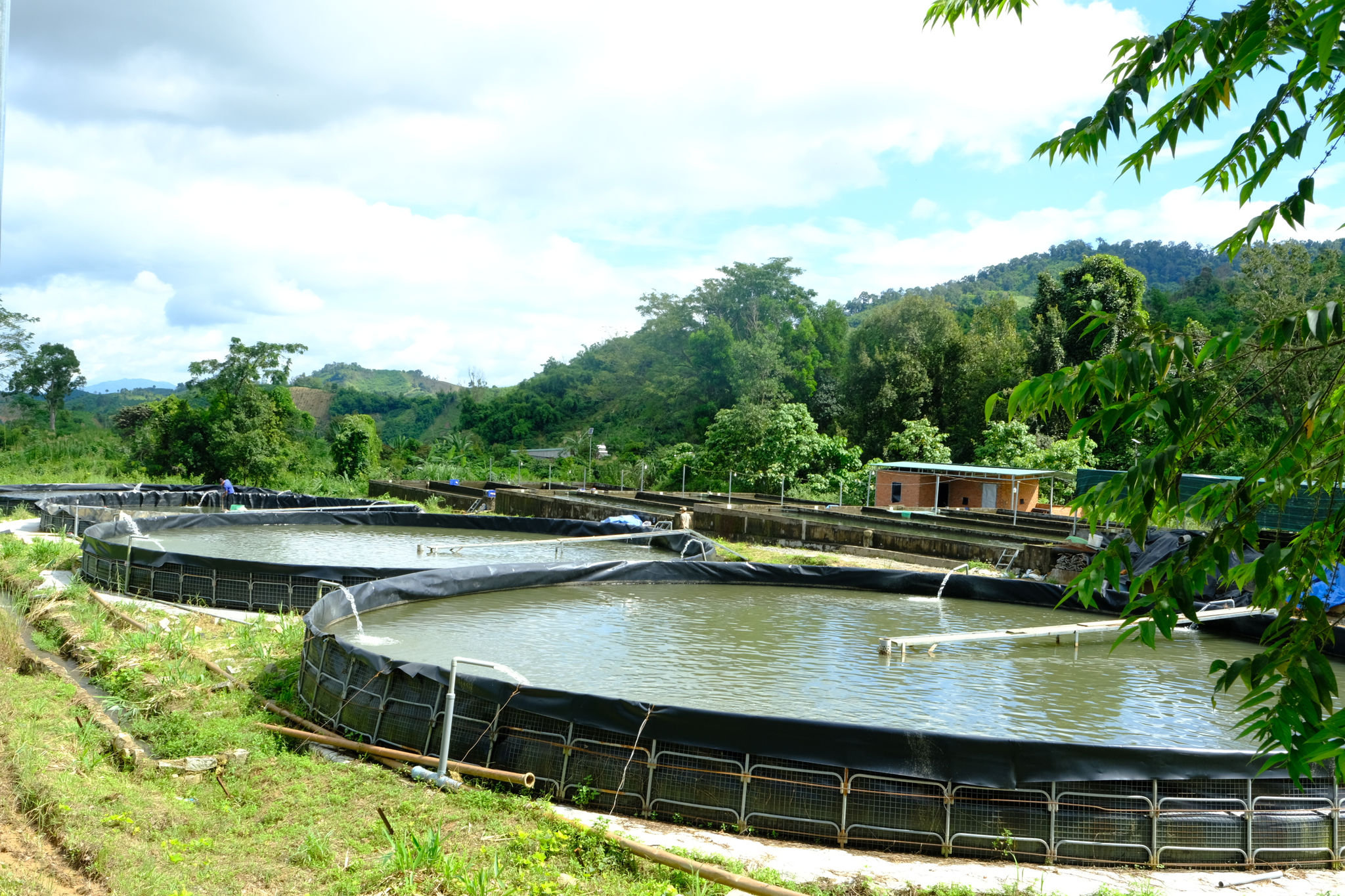


Lam Dong Affirms Its Position in High-Tech Agriculture
Lam Dong Province continues to affirm its pioneering role in high-tech agriculture through large-scale production, extensive application of science and technology, and increasingly complete value chains.
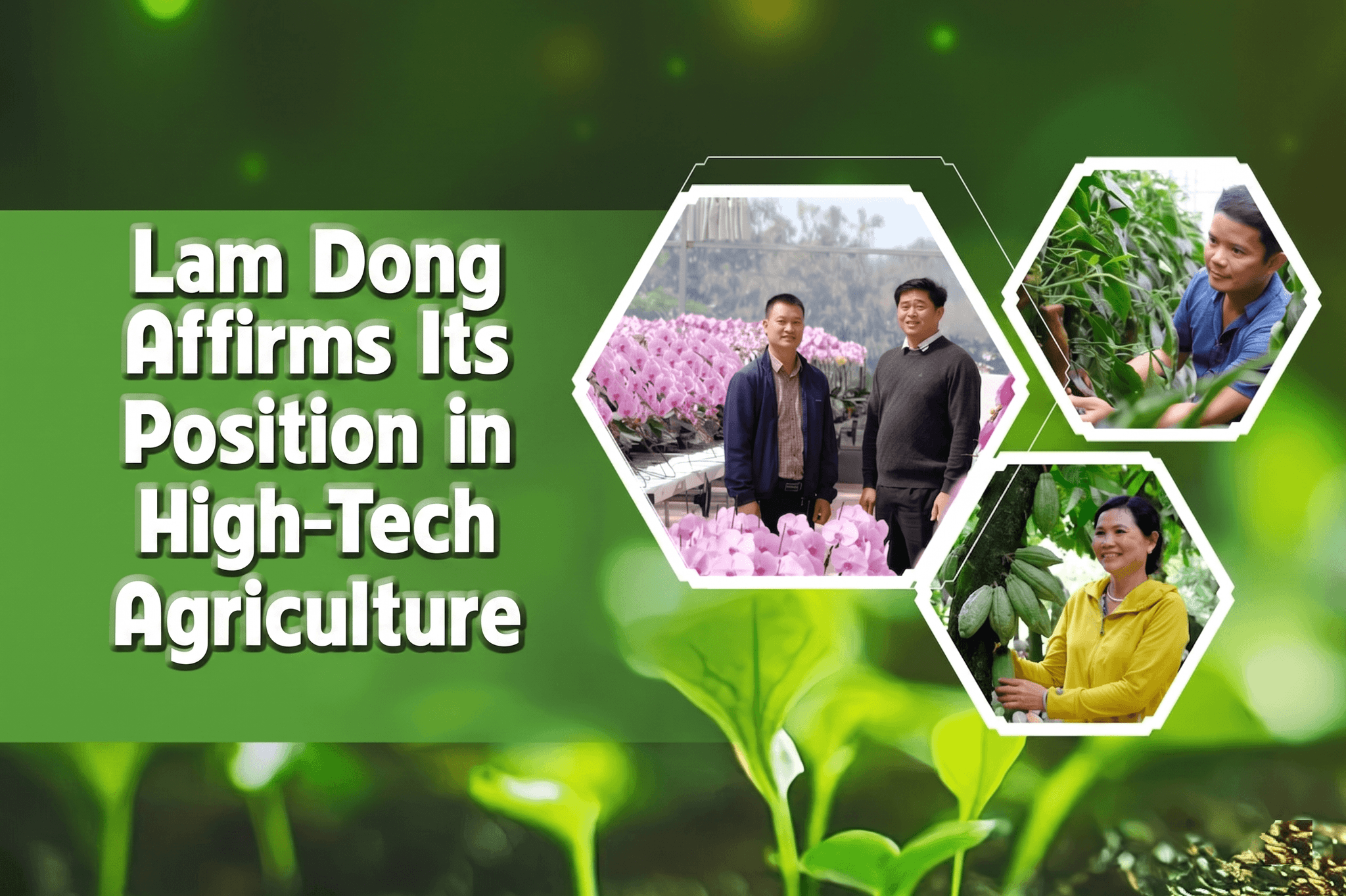
Lam Dong continues to affirm its pioneering role in high-tech agriculture through large-scale production, extensive application of science and technology, and increasingly complete value chains.
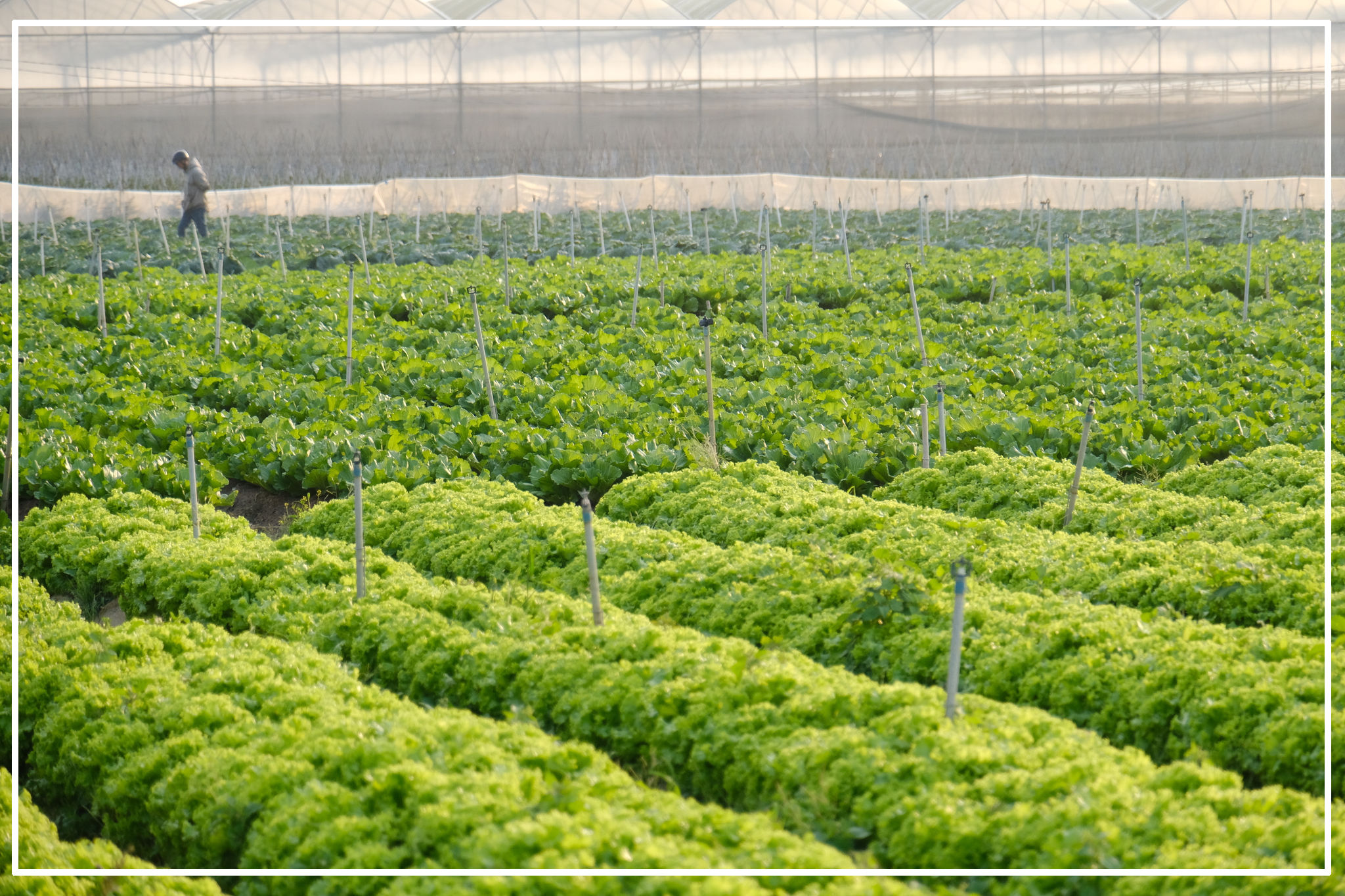
Building on its traditional agricultural foundation, the province is rapidly transitioning toward modern production models, enhancing added value, expanding markets and steadily emerging as one of Vietnam’s leading agricultural bright spots.

High-tech agricultural production in Lam Dong continues to expand in both scale and sophistication.
To date, the province has developed 107,456 hectares under high-tech agricultural production standards, accounting for approximately 10% of its cultivated area. Of this area, around 1,200 hectares apply smart farming practices, highlighting a clear shift from traditional farming methods to modern, science-based production.
According to Ha Ngoc Chien, Director of the Lam Dong Sub-Department of Crop Production and Plant Protection, the province has established 16 high-tech cultivation zones specializing in coffee, tea, durian, mango, vegetables, flowers, pepper and rice.
The development of concentrated production areas not only improves productivity and quality, but also facilitates management, traceability and market linkages.
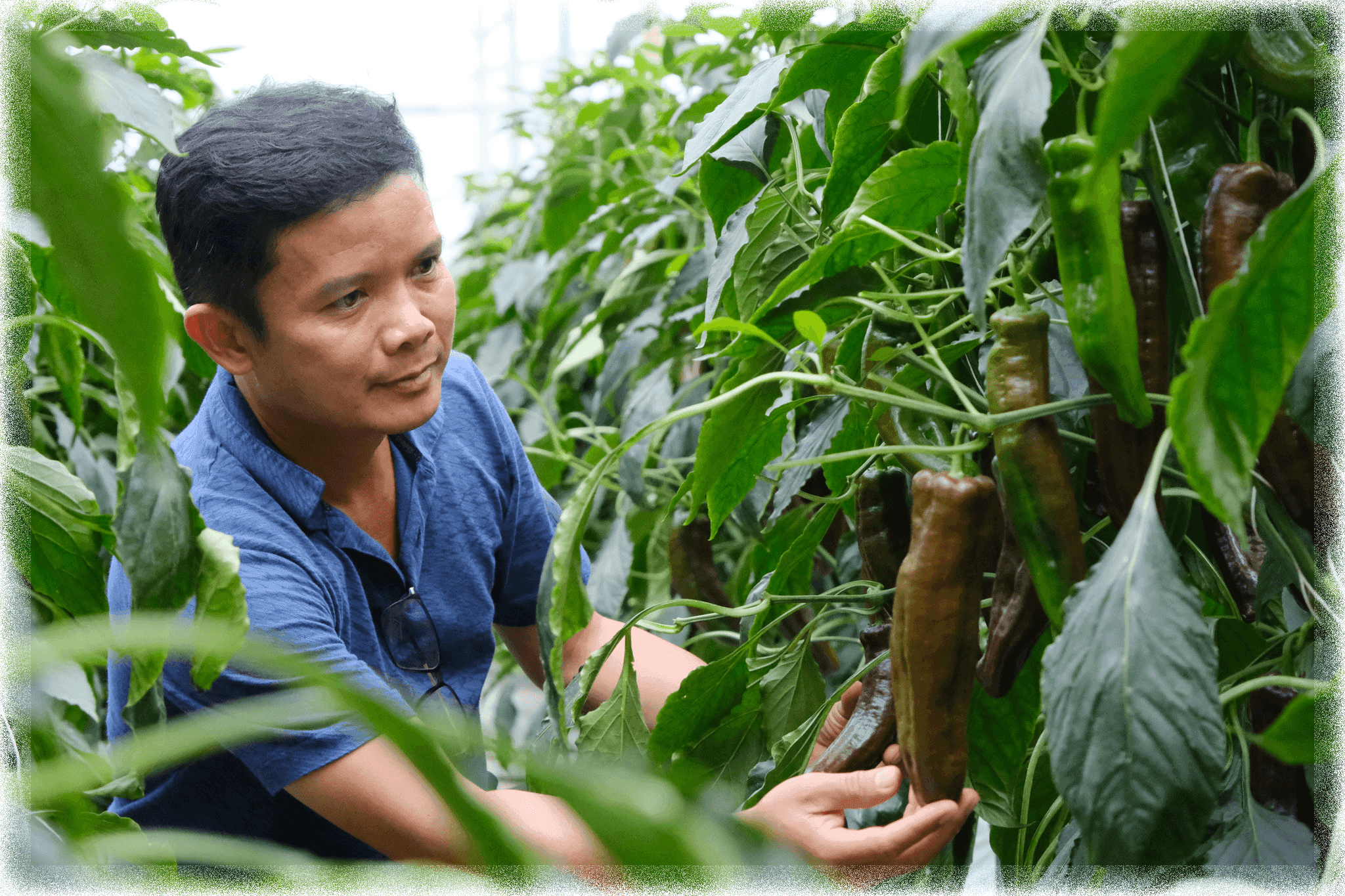
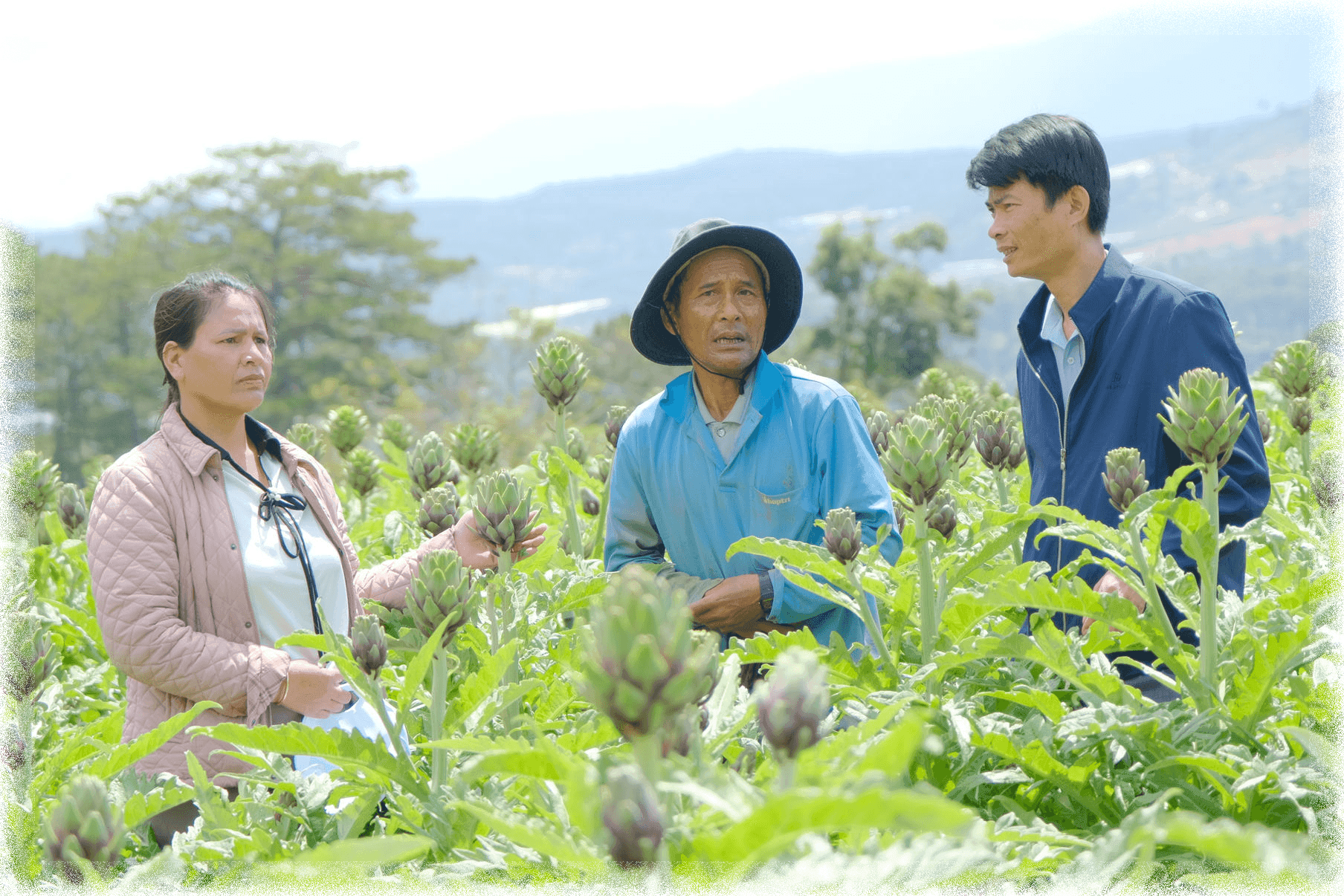
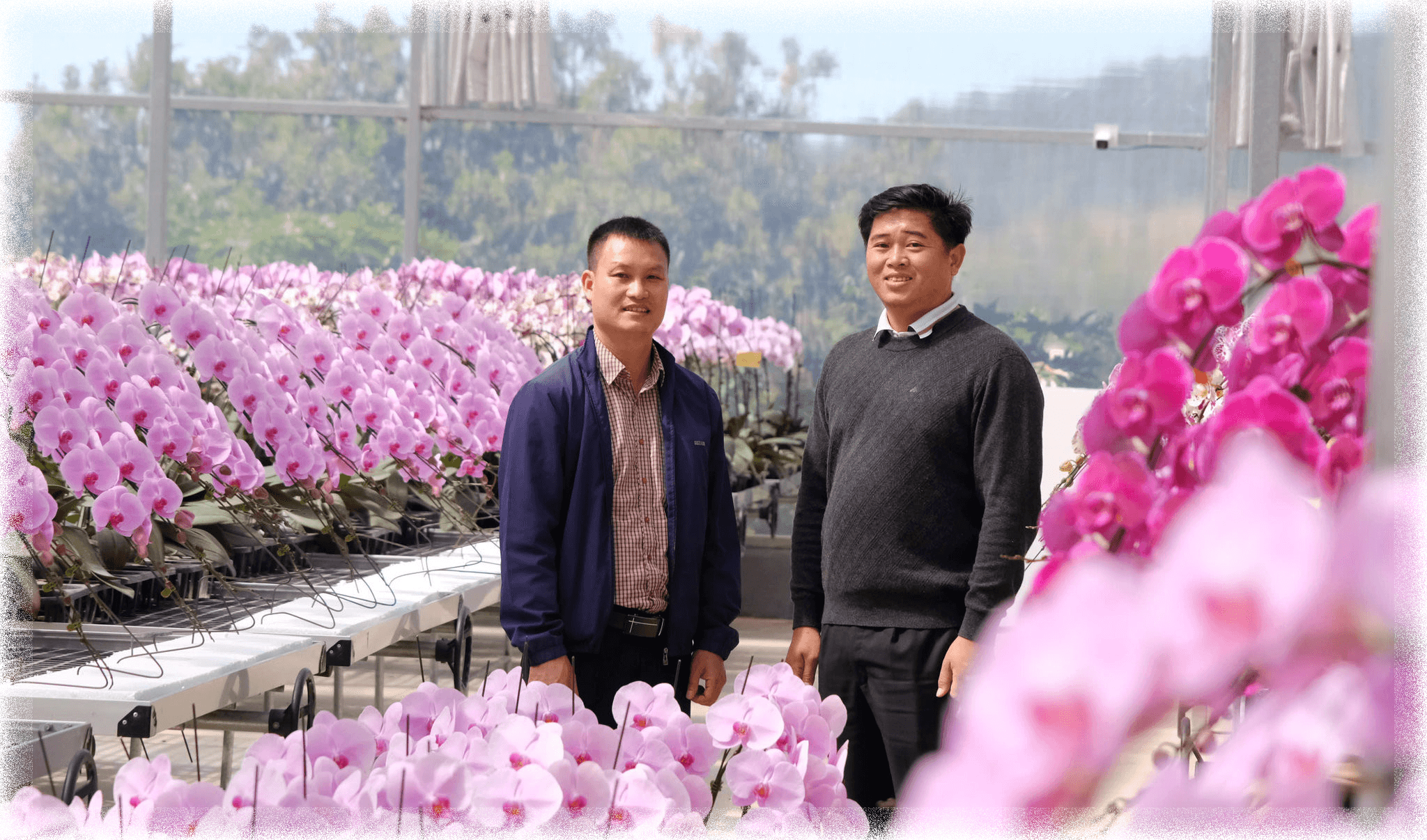
The business sector plays a crucial role in accelerating this transformation. The province currently has seven enterprises officially recognized in the fields of crop production and plant protection.
These enterprises have contributed significantly to technology dissemination, the formation of modern production models and the gradual improvement of local agricultural competitiveness.
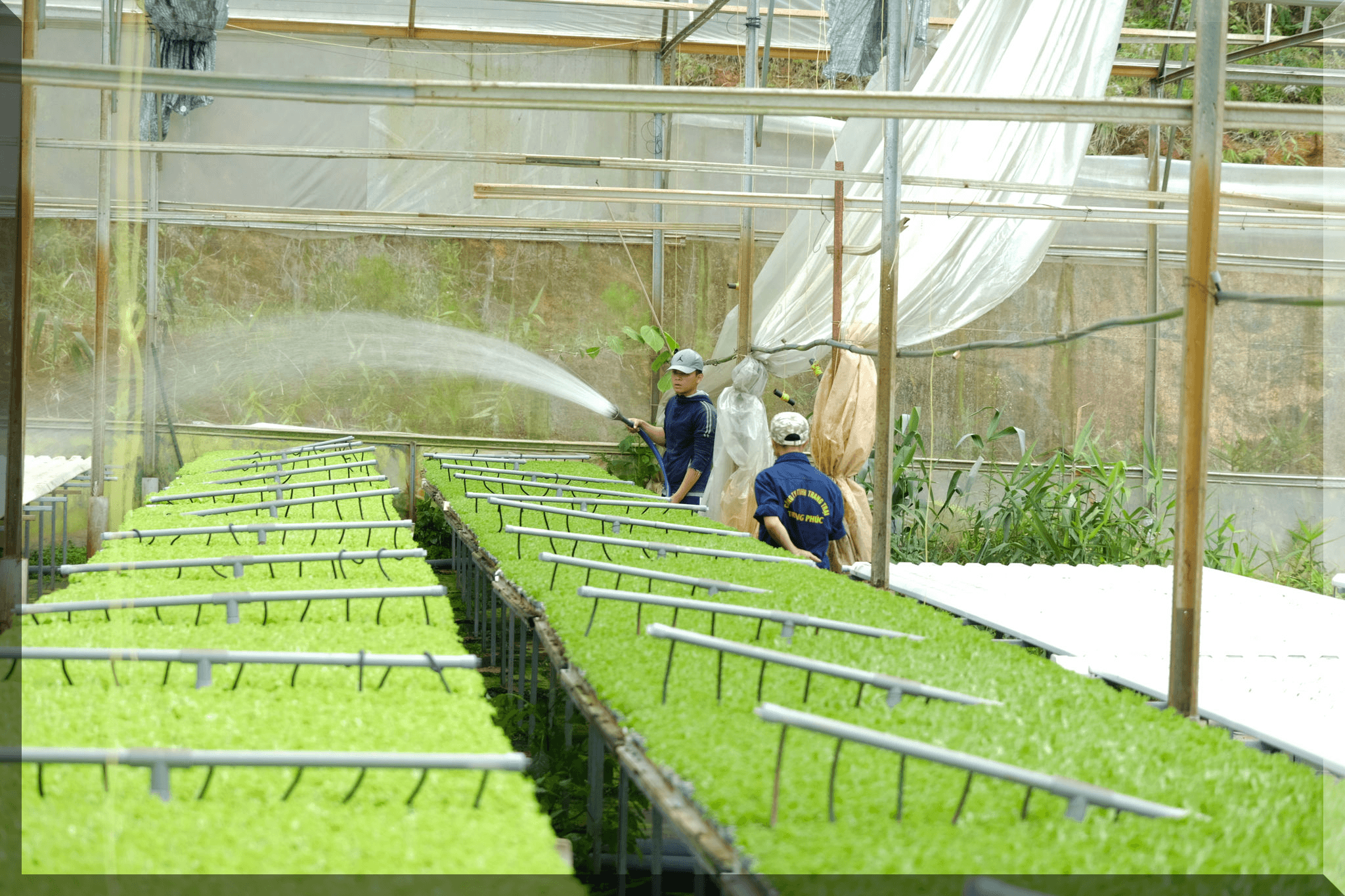
Crop restructuring is increasingly shifting toward high-value production. Vegetable cultivation exceeds 90,000 hectares with nearly 3 million tons of output; flowers cover nearly 12,000 hectares with more than 4.4 billion stems; while coffee remains stable at over 328,000 hectares with production surpassing 1 million tons.
Agriculture continues to serve as a key pillar of Lam Dong’s economy, accounting for nearly 39% of the economic structure and recording a growth rate of 5.1% in 2025. Total cultivated area exceeded 1.048 million hectares, while average production value reached approximately VND 195 million per hectare, among the highest in the country.
Notably, durian has emerged as a rapidly growing export commodity, making an increasingly important contribution to overall export turnover.

In livestock farming, production is developing toward industrialized, biosecure models, with more than 200 large-scale farms contributing to higher productivity and more effective disease control.
Beyond production, Lam Dong is progressively completing its agricultural value chains.
.png)
The province currently has 428 production and consumption linkage chains involving nearly 47,600 households, fostering close cooperation among farmers, cooperatives and enterprises while stabilizing market access and enhancing product value.
Investment in preliminary processing and manufacturing systems continues to expand, with more than 500 facilities now in operation, bringing the proportion of processed agricultural products to approximately 24.4%. This marks an important step in increasing value-added output and reducing dependence on raw product sales.
Market expansion efforts have achieved notable progress. The issuance of planting area codes and packaging facility certifications has been strengthened, enabling agricultural products to meet the stringent requirements of demanding markets such as Europe, the United States, Japan and South Korea.
E-commerce is also increasingly demonstrating effectiveness in promoting and distributing agricultural products.
Science and technology remain central drivers of this development. Numerous advanced production models have been deployed, helping reduce input costs, improve productivity and protect the environment.
.png)
Training and technical transfer initiatives are being prioritized, enabling farmers to gradually master new technologies and adapt to evolving market trends.
In addition to economic benefits, high-tech agriculture has significantly improved rural living standards. The multidimensional poverty rate has declined to 3.19%, while the new rural development program has achieved substantial progress and infrastructure continues to improve.
However, according to Ha Ngoc Chien, the agricultural sector still faces significant challenges, including climate change, natural disasters, disease outbreaks and limitations in deep processing capacity.
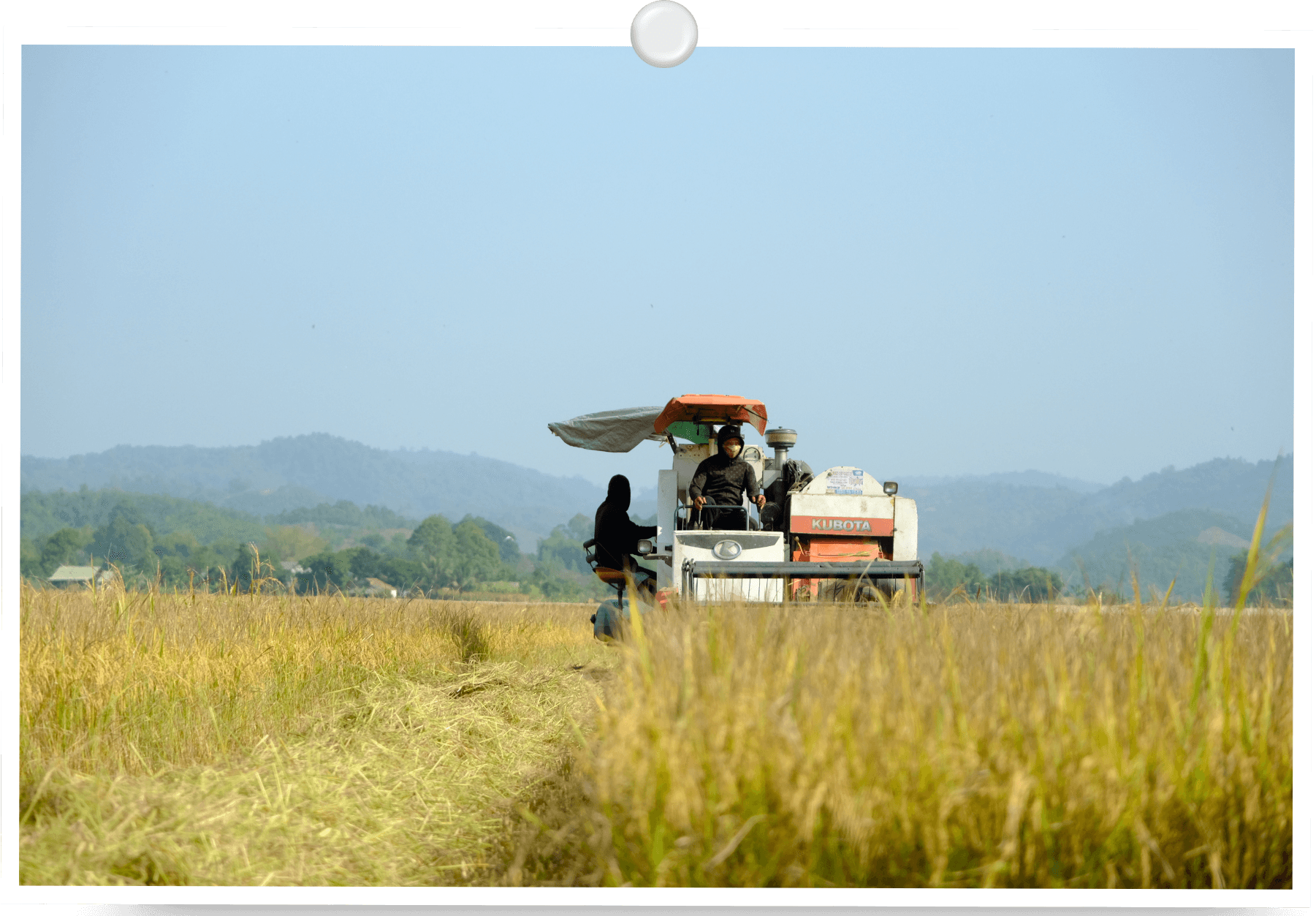
These challenges require the province to further strengthen adaptive capacity, accelerate technological application and continue refining its production value chain.
With the achievements already realized, it can be affirmed that high-tech agriculture — through the integration of production scale, technological innovation and market organization — has created a distinct competitive advantage for Lam Dong.
Moving forward, by continuing to accelerate digital transformation, expand deep processing industries and broaden market access, Lam Dong is expected to maintain its leadership position and move toward becoming a modern agricultural center for both the region and the nation.