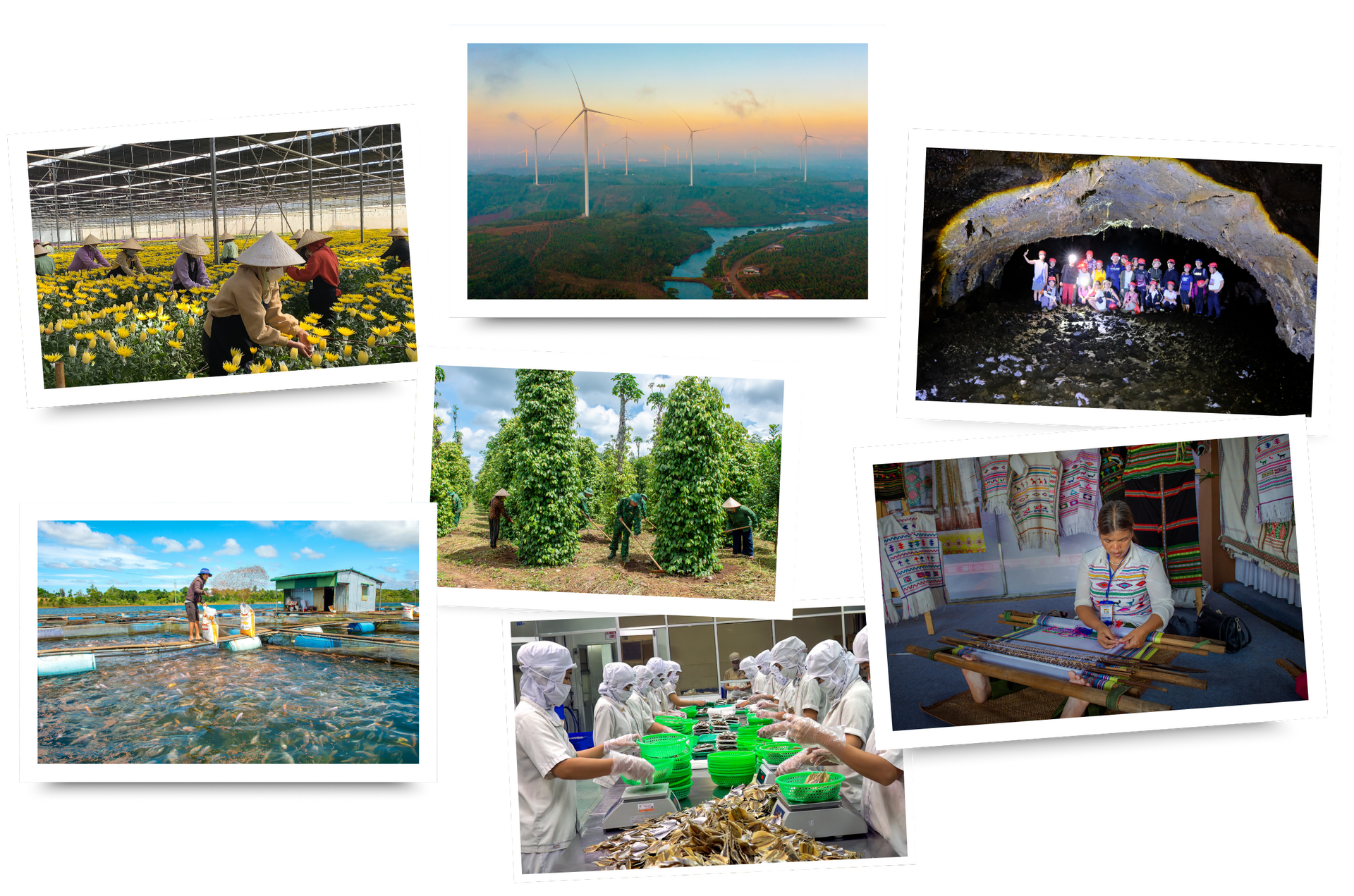


LAM DONG AFTER THE MERGER: A NEW GROWTH FRONTIER FROM HIGHLANDS TO SEA
Three Spaces,One Aspiration
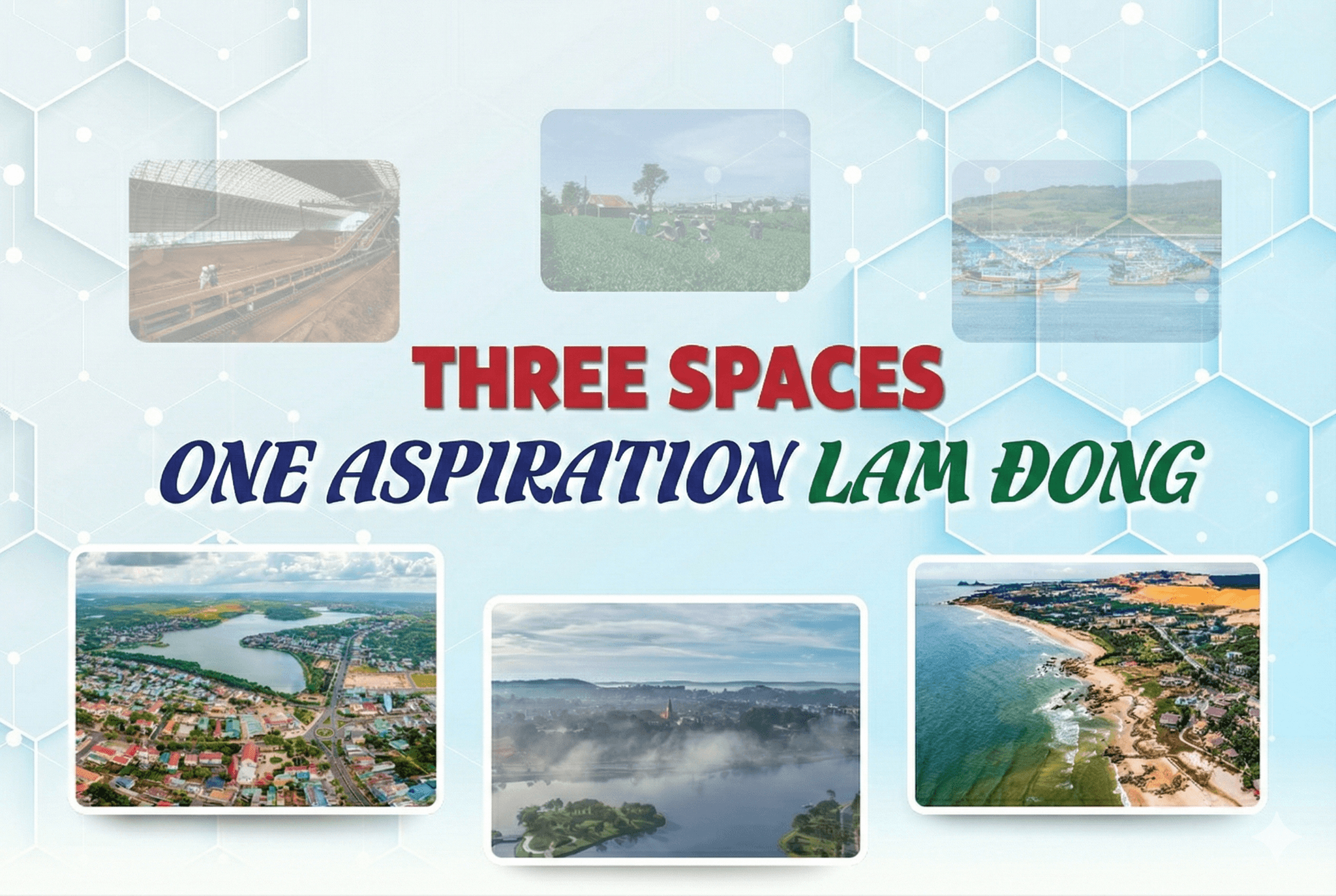
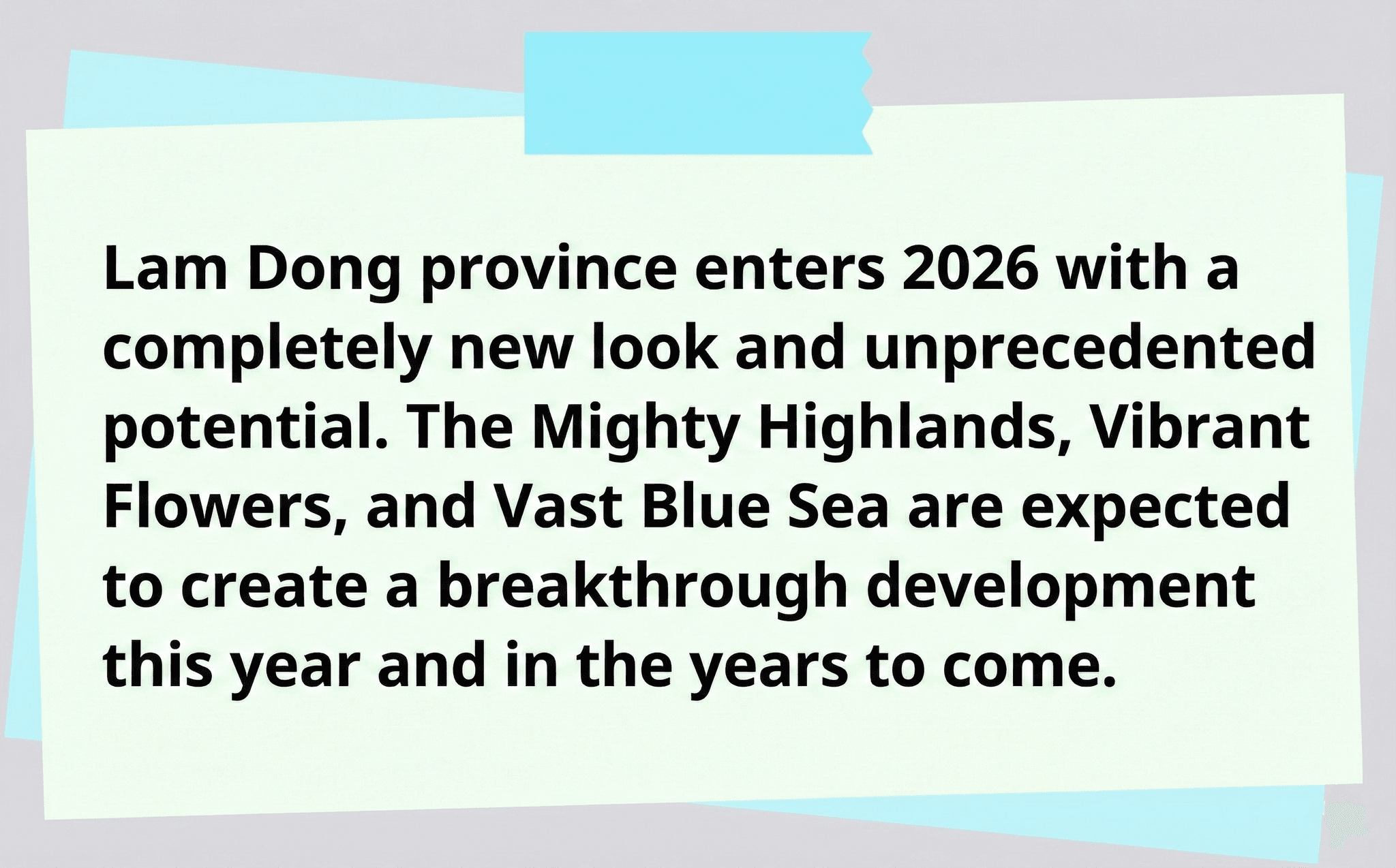
With an area of 24,233 km² – the largest in Viet Nam – and a population of nearly 3.87 million, Lam Dong after the administrative merger has emerged as a rare geographical convergence: the vast Central Highlands forests of Dak Nong, the flower-filled plateau of Da Lat, and the blue coastline of Phan Thiet – Mui Ne.
This natural diversity is not only a spatial expansion, but a new development architecture, opening unprecedented space for inter-regional connectivity and multi-sector growth.
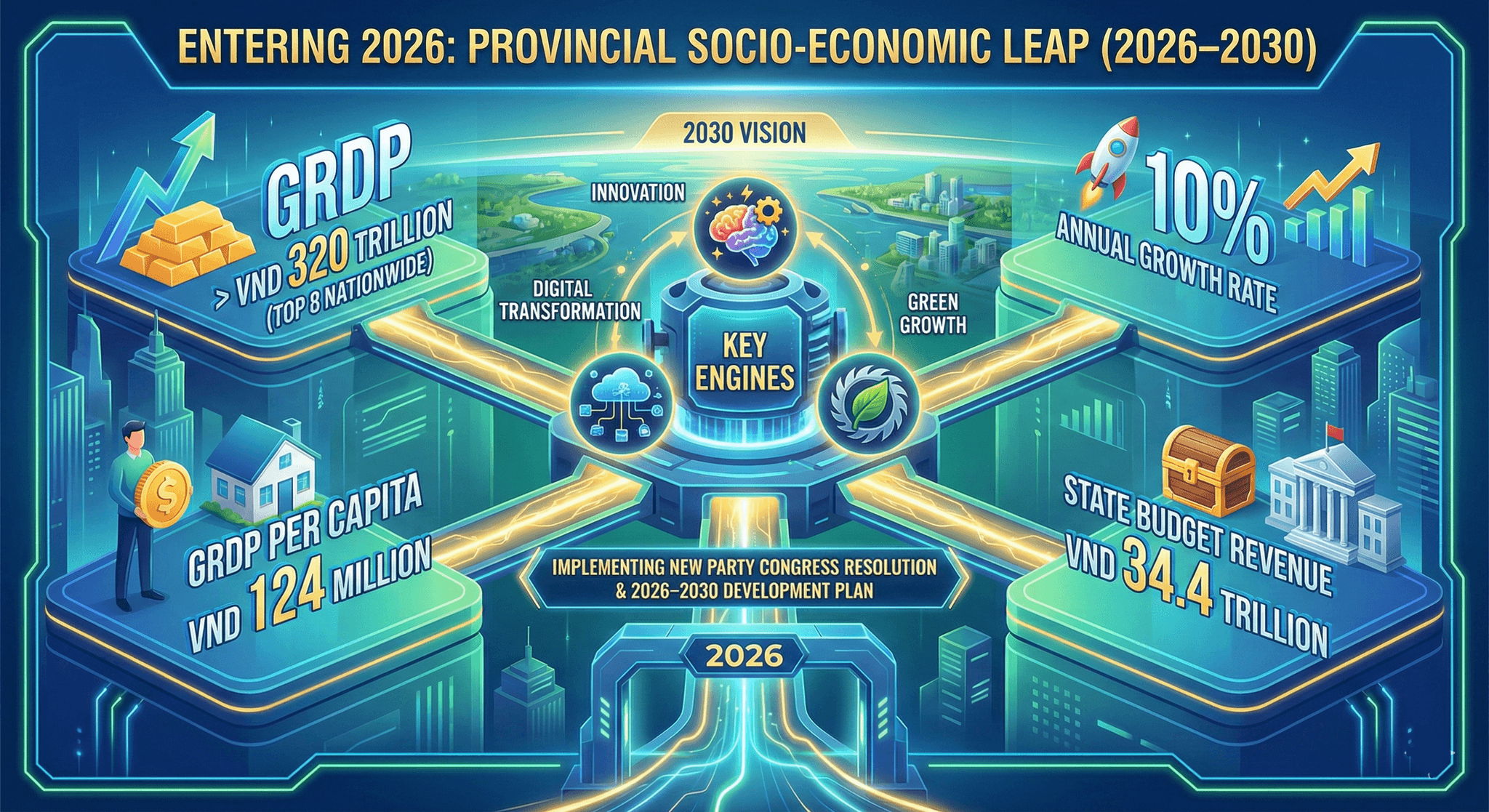
Entering 2026, the province begins implementing its new Party Congress Resolution and the 2026–2030 socio-economic development plan with ambitious targets:
Three Strategic Pillars: Highlands – Flowers – Sea
Lam Dong’s unique terrain naturally shapes three breakthrough zones that will define its future economy.
The Great Highlands: Industry, Agriculture and Geo-tourism
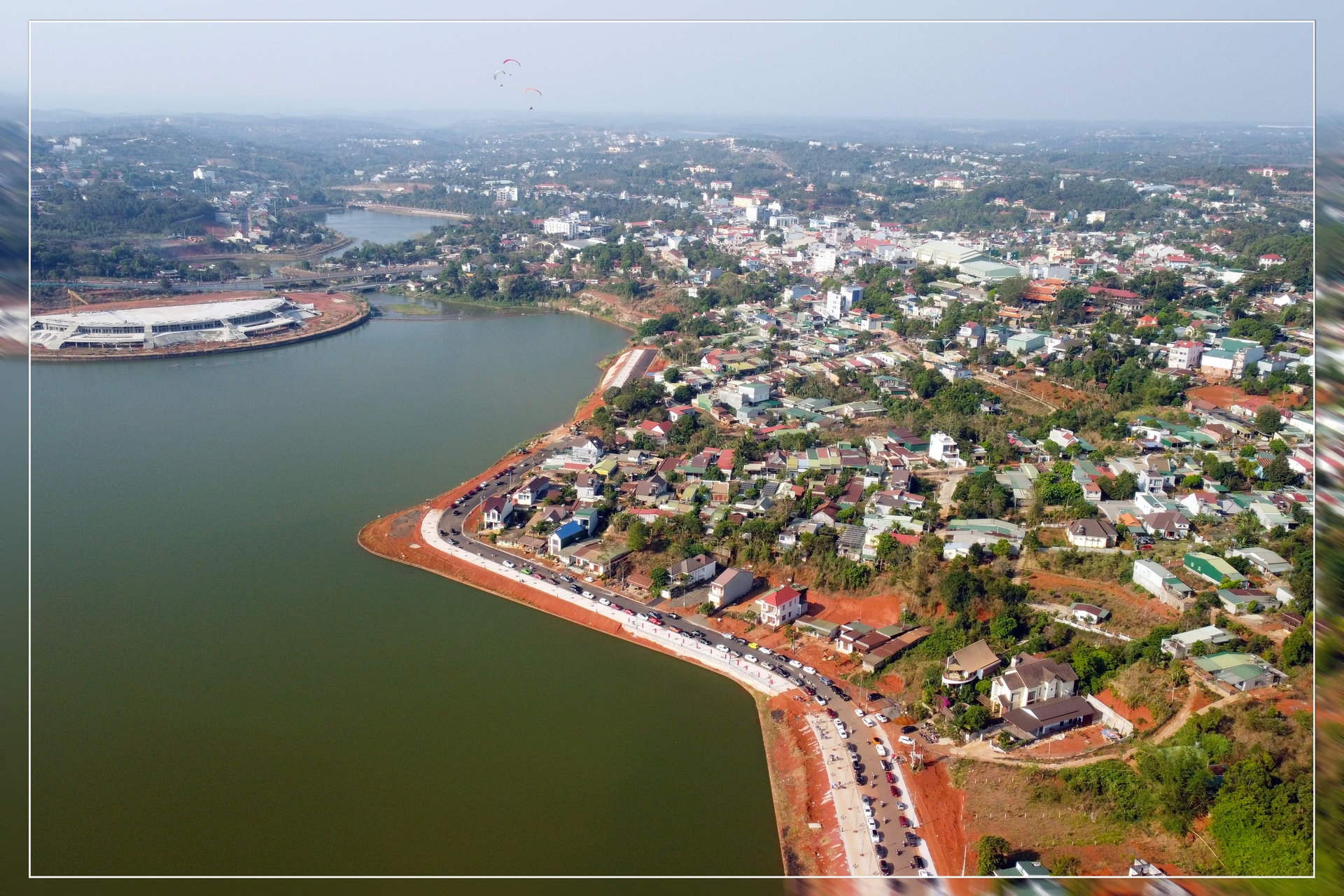
The western highlands prioritize bauxite processing industries and high-tech agriculture, aiming to increase productivity of long-term industrial crops such as coffee and rubber by 15–20%.
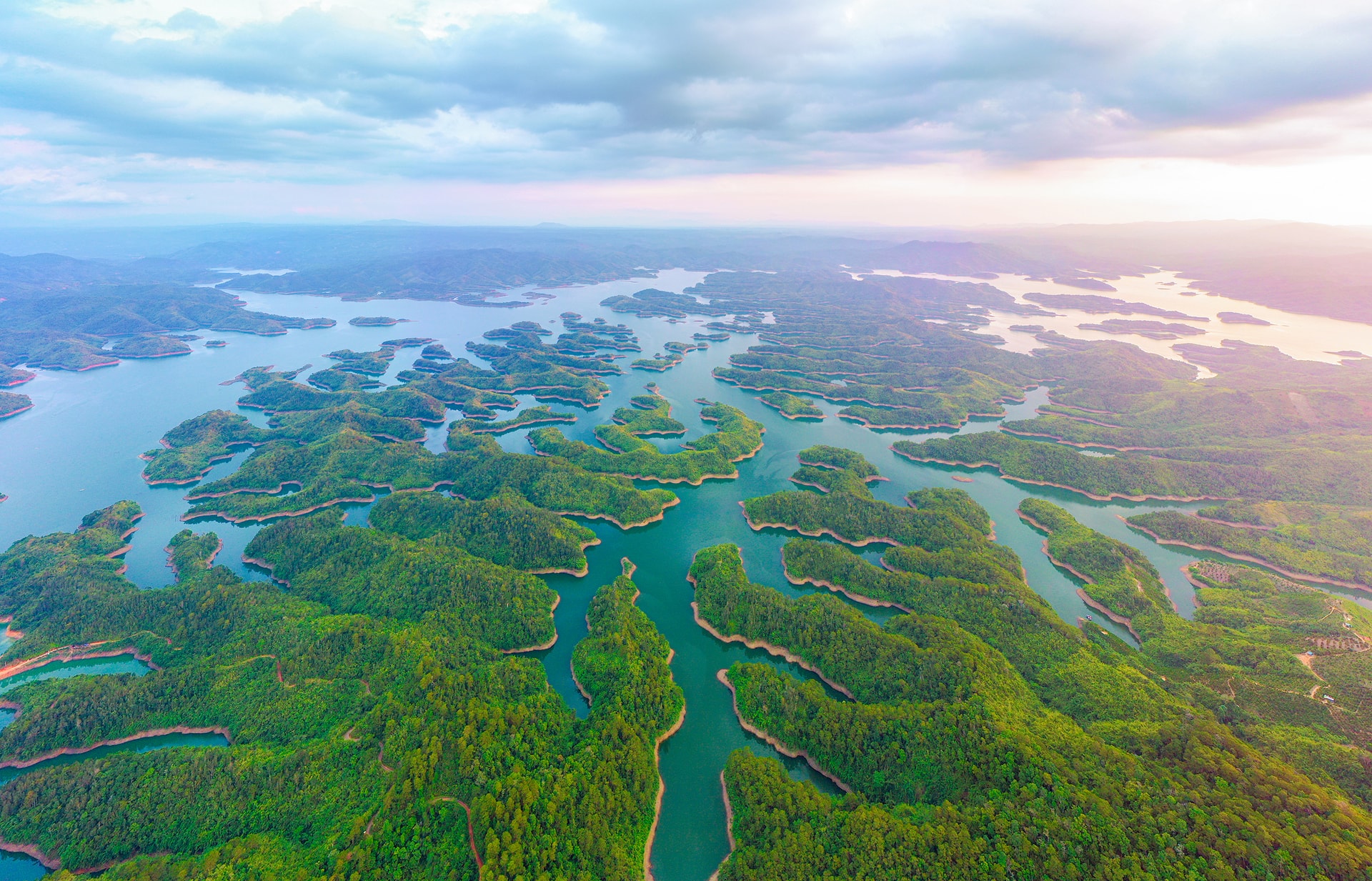
Forestry restructuring and sustainable resource management will contribute millions of cubic meters of timber output annually. Meanwhile, Dak Nong UNESCO Global Geopark, Dray Sap Waterfall and Ta Dung National Park are positioned as leading eco- and geo-tourism destinations, combined with ethnic community-based tourism.
Digital transformation will also play a central role, with AI and IoT applied to forest monitoring and environmental protection, thereby accelerating rural modernization.
The Flower Plateau: Tourism, Creativity and Smart Services
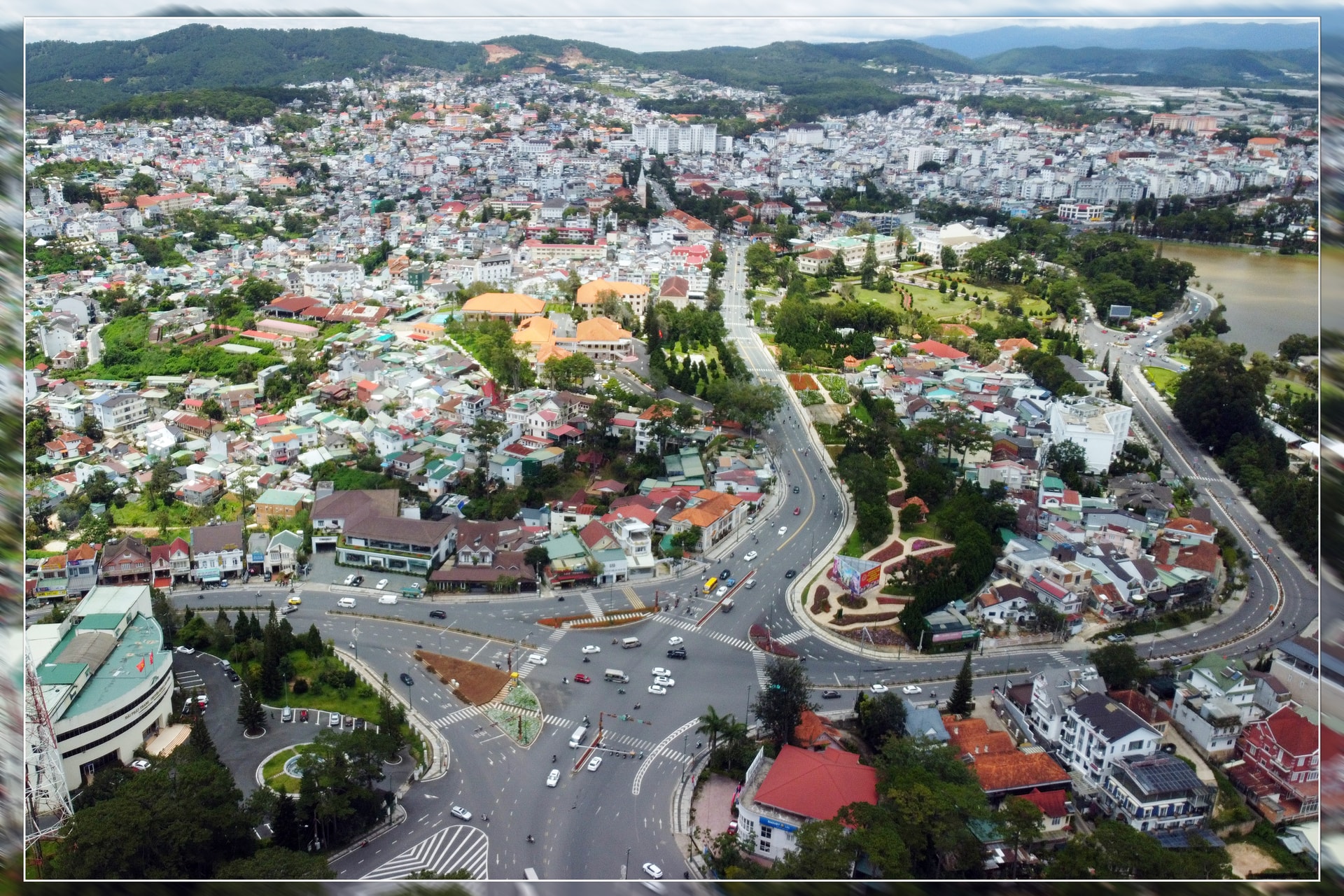
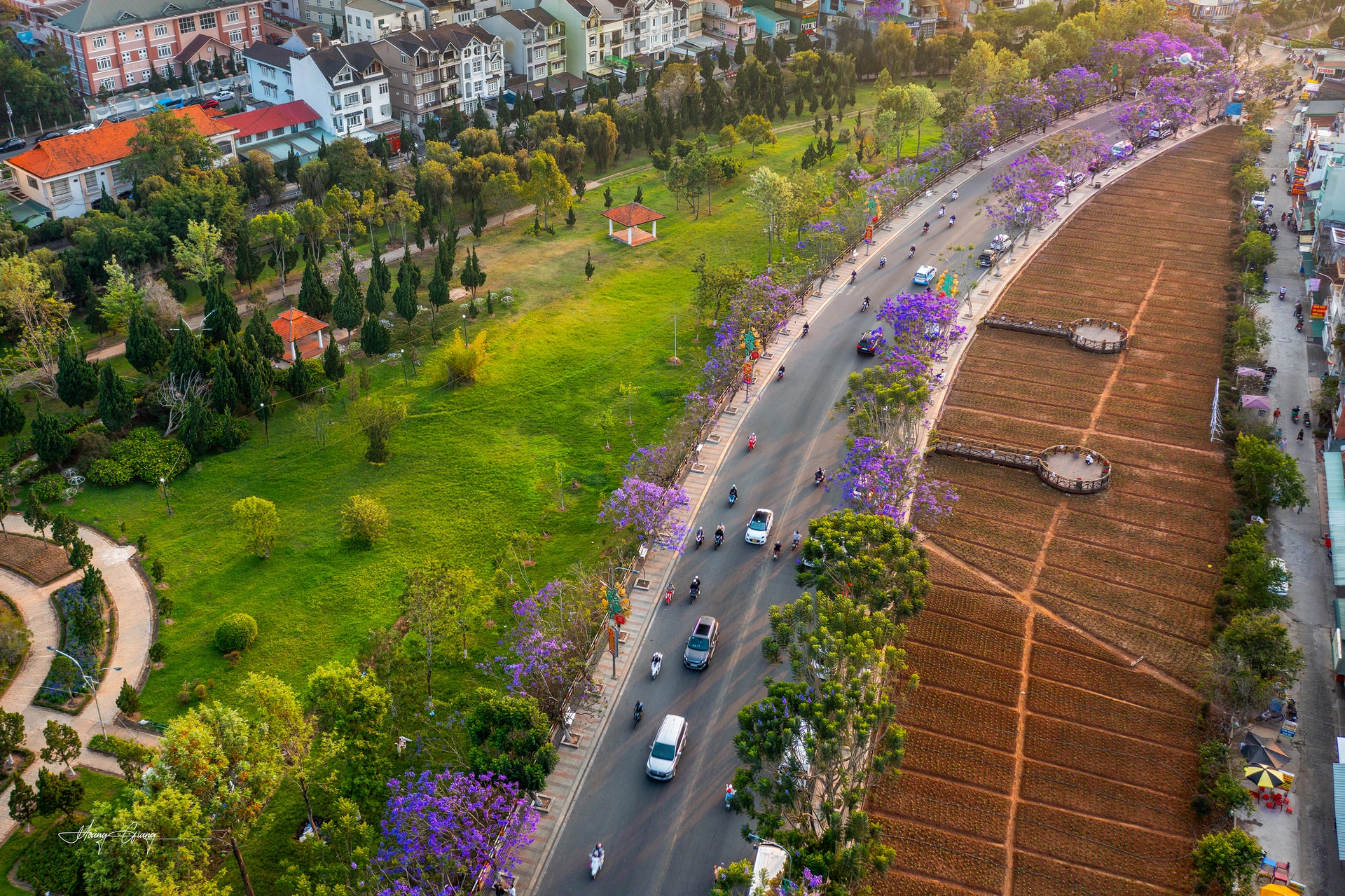
Da Lat and surrounding areas – known as the “land of a thousand flowers” – are expected to welcome 15 million out of 25 million tourists targeted for the province in 2026.
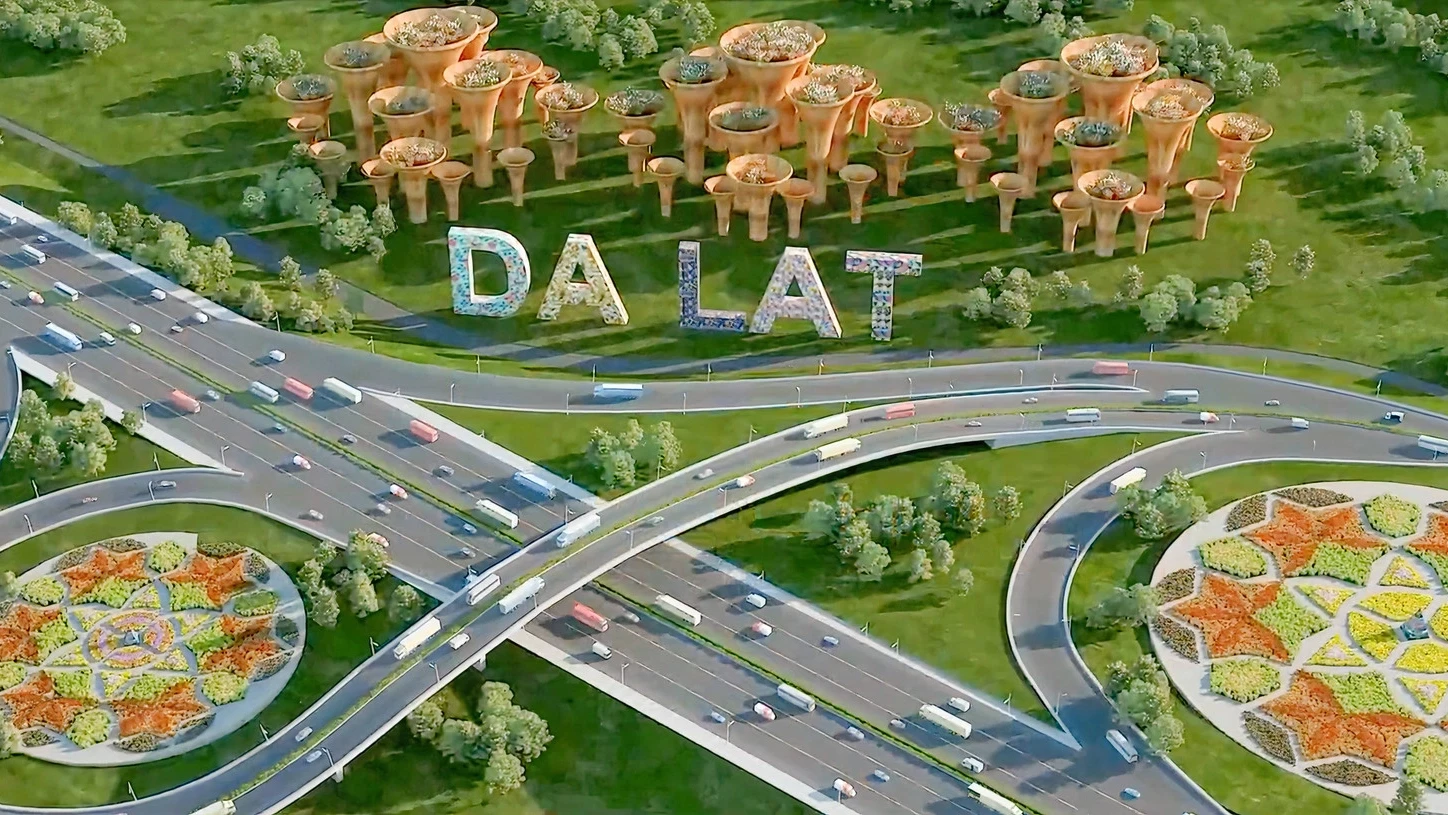
The province plans VND 2 trillion in tourism infrastructure investments, targeting VND 30 trillion in tourism revenue.
Digital platforms will handle 80% of tourism services online, creating seamless connections between flower farming, festivals and experiences.
Lien Khuong Airport will undergo a VND 966 billion runway and infrastructure upgrade, improving regional connectivity.
Beyond tourism, the area will expand into organic agriculture, education, healthcare and medical tourism, enhancing human development and service quality.
The Blue Coast: Marine Economy and Renewable Energy
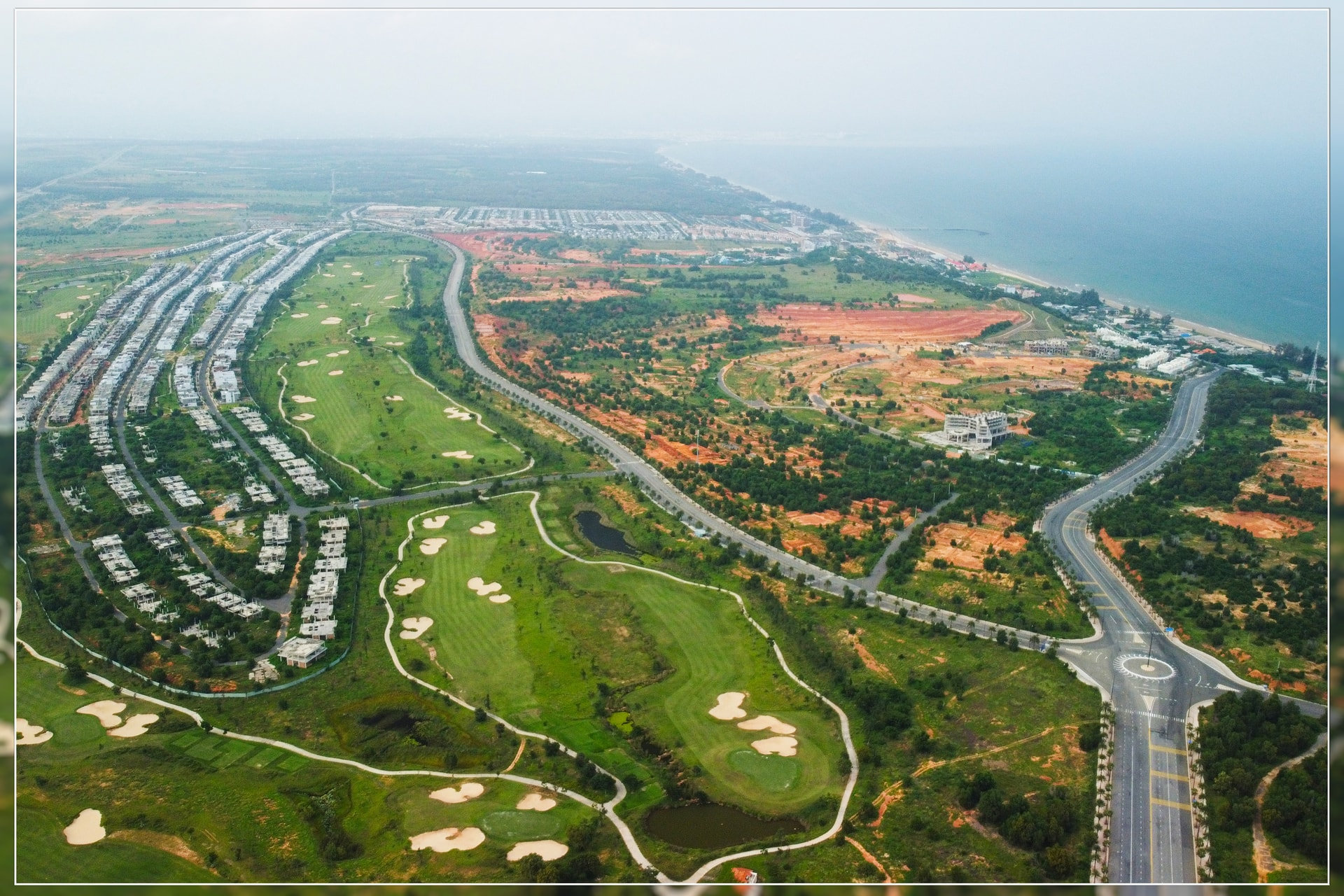
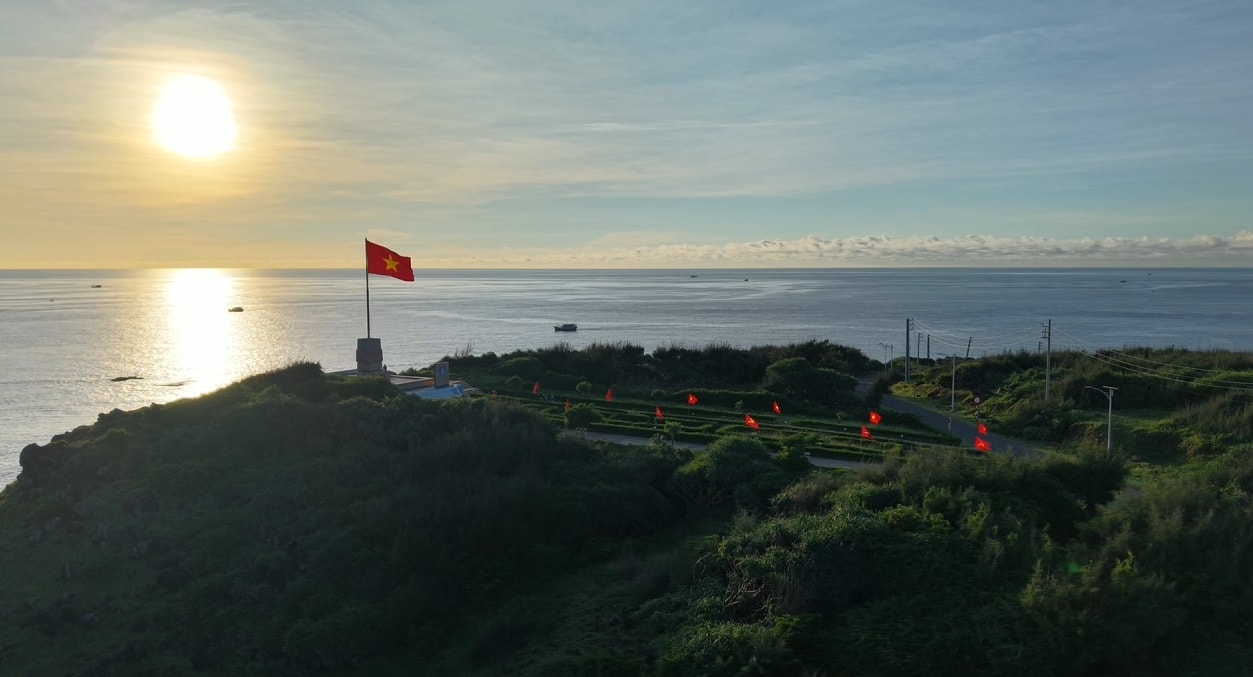
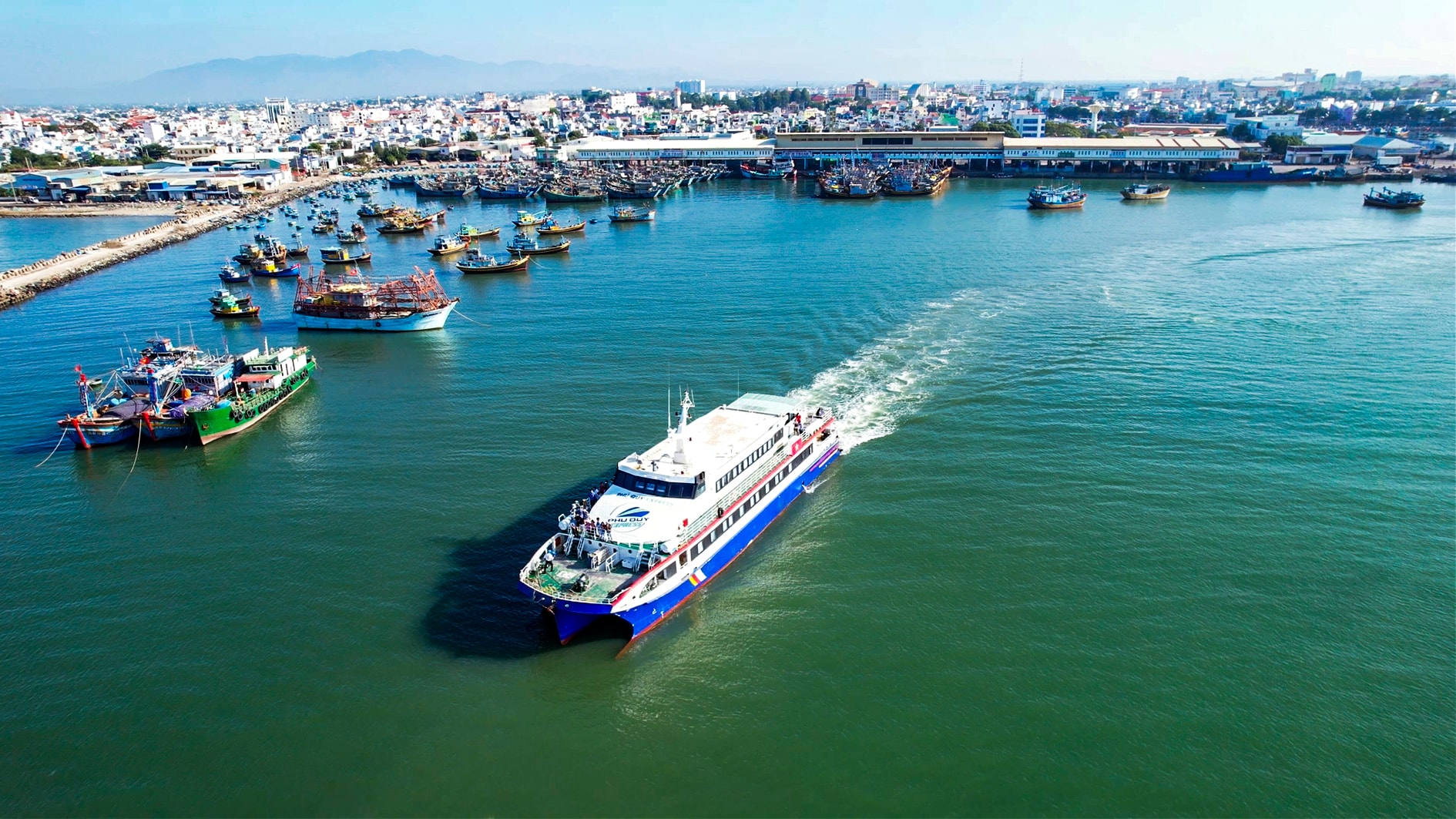
The coastal zone, centered on Mui Ne and Phu Quy Island, aims to attract 10 million international visitors, generating VND 15 trillion from marine tourism services.
Key projects include:
- Upgrading Phan Thiet Port
- Offshore wind energy (20% of provincial electricity output)
- Marine logistics and fisheries (200,000 tons/year)
- Creating jobs for 50,000 workers
The marine economy is projected to contribute 25% of provincial GRDP.
Strategic transport routes such as National Highway 28B will strengthen the inter-regional tourism corridor linking forest – plateau – sea.
Infrastructure and Governance for a New Era
To unlock growth, Lam Dong will prioritize:
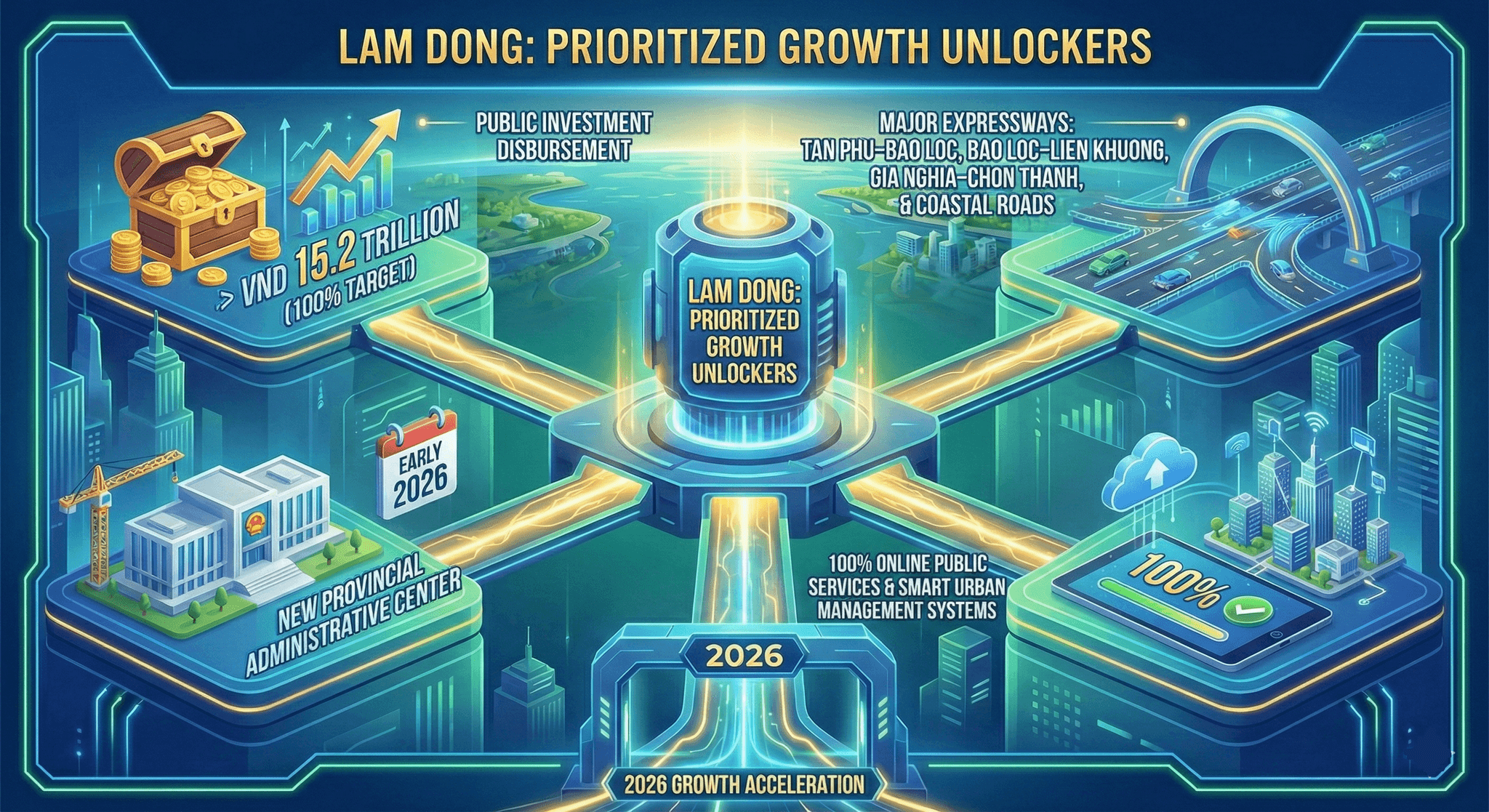
- More than VND 15.2 trillion in public investment disbursement (100% target)
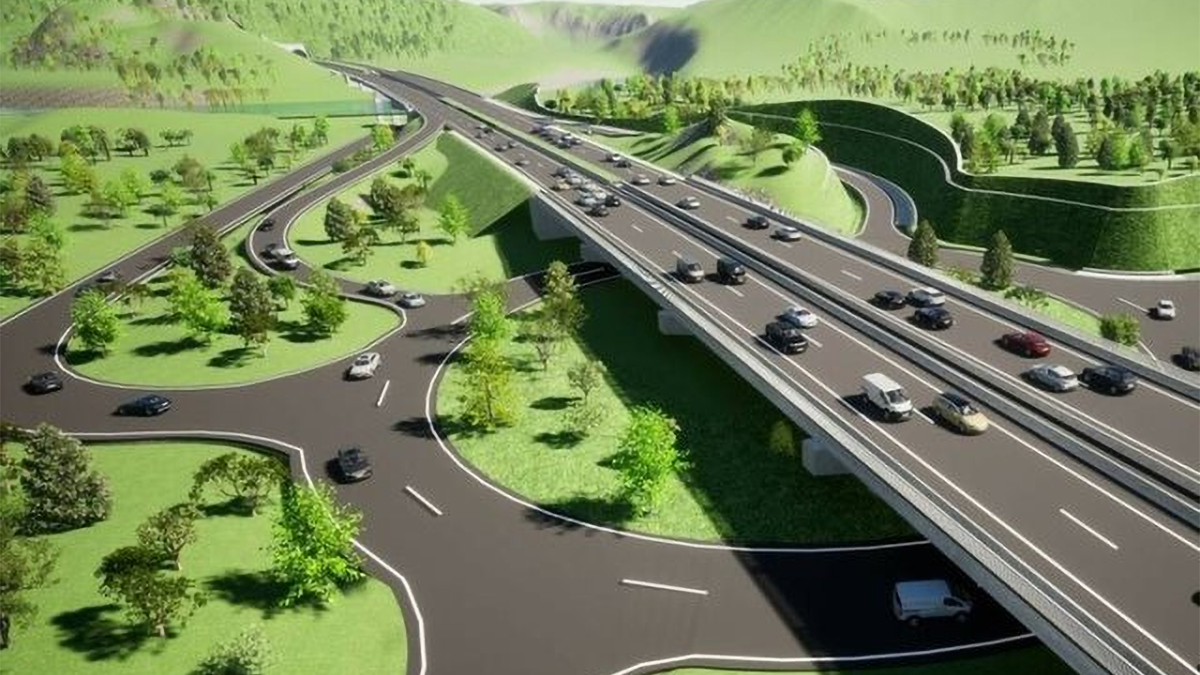
- Major expressways: Tan Phu–Bao Loc, Bao Loc–Lien Khuong, Gia Nghia–Chon Thanh, and coastal roads
- A new provincial administrative center (planned in early 2026)
- 100% online public services
- Smart urban management systems
Education and healthcare will receive strong investments, including international education centers, modern hospitals and universal health insurance coverage.
.png)
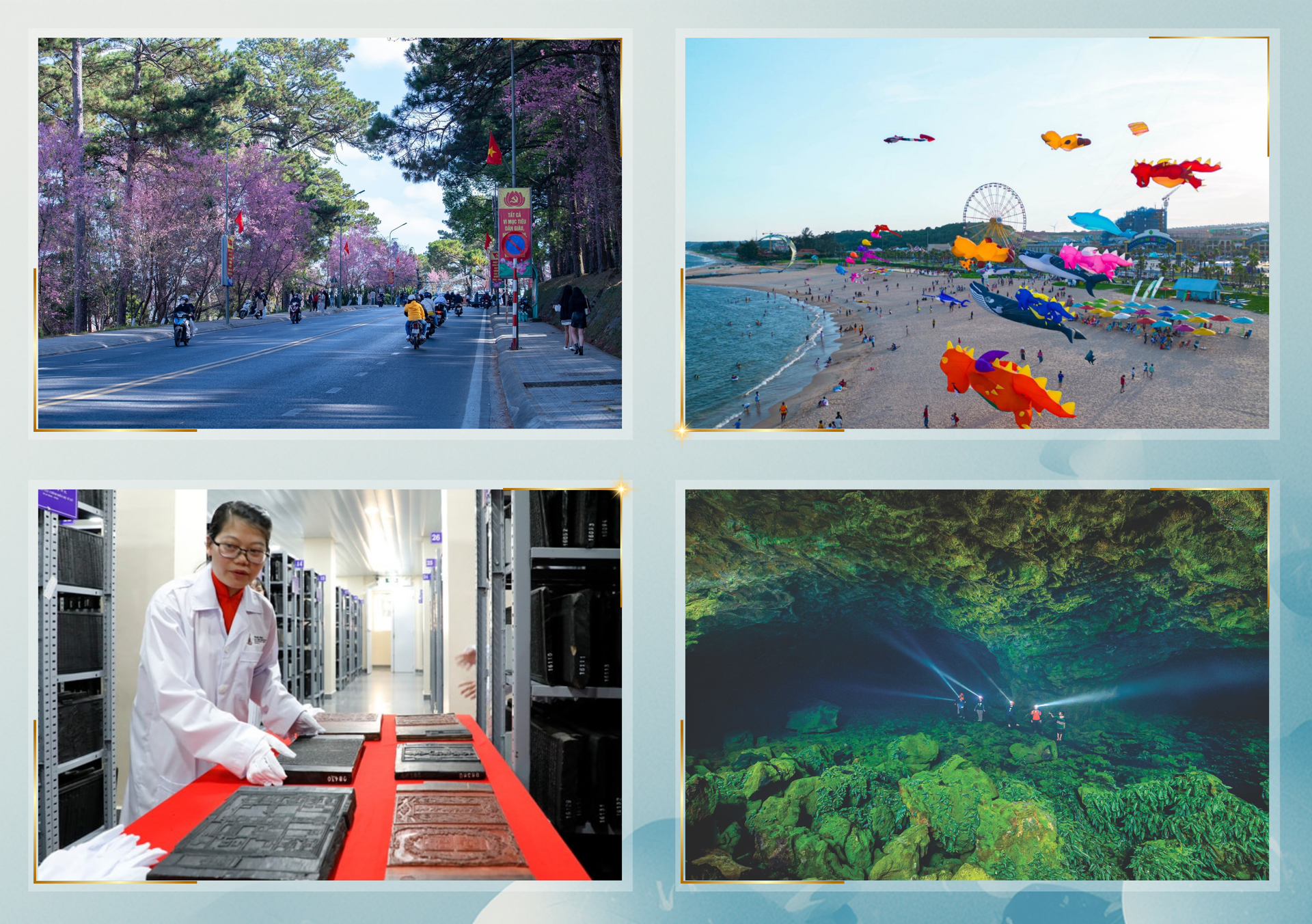
Cultural identity will also be preserved through hallmark events such as the Da Lat Flower Festival, Mui Ne Sea Festival, and heritage conservation programs.
A New Symbol of Sustainable Growth
From vast highlands to open seas, Lam Dong today is not merely stabilizing after a merger – it is redefining its development model.
With strategic planning, green transformation and strong public determination, the province aspires to become a national leader in sustainable growth, where nature, culture and people thrive together.
Lam Dong’s new chapter is no longer a vision on paper, but a journey already underway – building prosperity for today and inspiration for generations to come.