Lam Dong agriculture develops new growth potential
Diem Thuong•27/05/2026 05:17
Lam Dong has an opportunity to transform its agricultural sector into a greener, higher-value model linked to processing and exports.
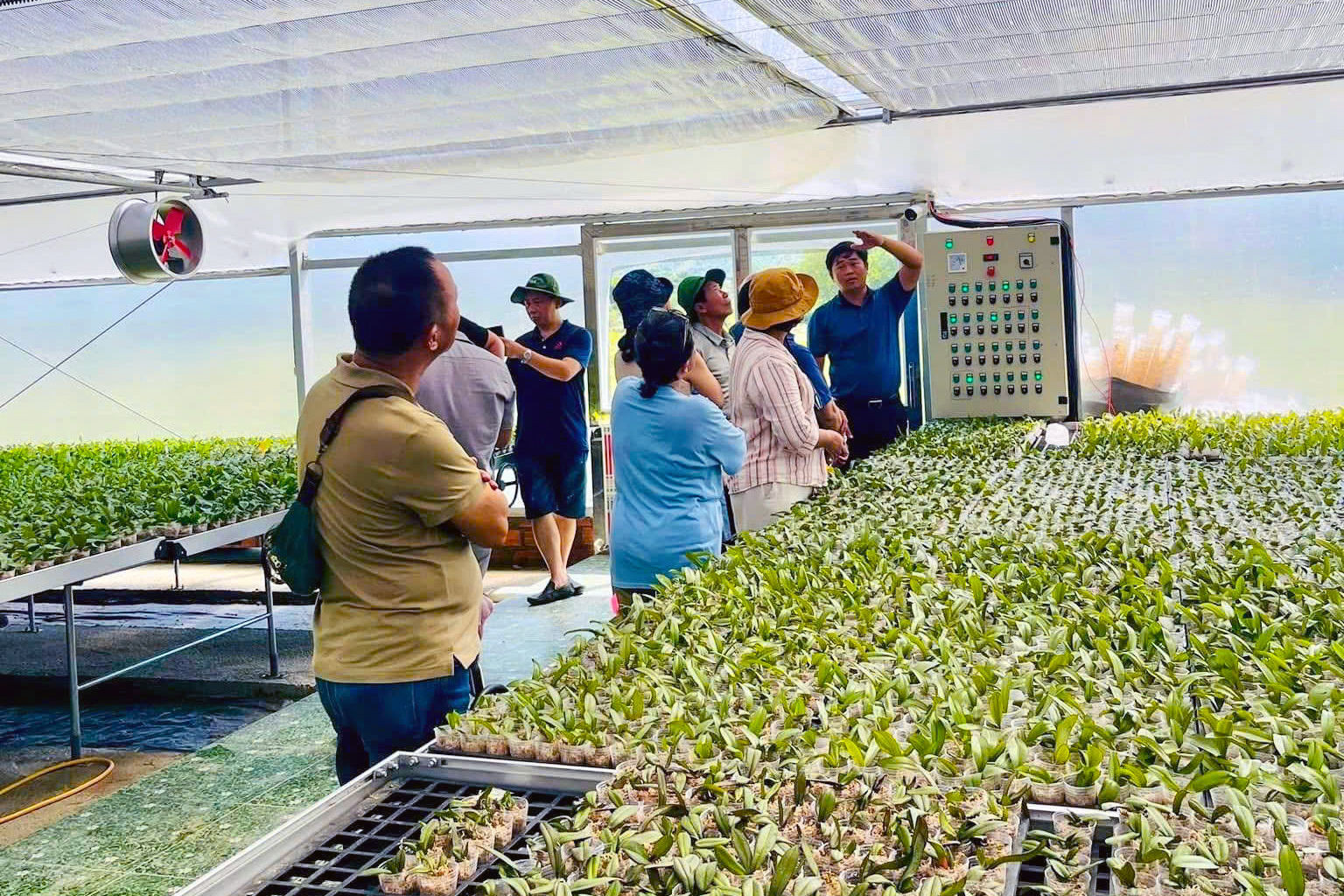
Lam Dong remains a leader in high-tech agriculture.
Remaining a key growth driver
In the first five months of 2026, agriculture continued to play a foundational role in the province’s economy following the administrative merger.
A newly expanded development space, stretching from the highlands and midlands to coastal areas, has created a more diverse production structure. In this context, agriculture is no longer simply a traditional livelihood but also an important driver for building large-scale commodity value chains.
According to data, the province’s total cultivated area since the beginning of the year reached approximately 771,551 hectares, achieving 72.5% of the annual target. Of this, annual crops accounted for 137,058 hectares, while perennial crops covered 634,493 hectares.
The province currently has 107,456 hectares of high-tech agricultural production, accounting for around 10% of total cultivated land, including about 1,200 hectares applying smart farming technologies. These figures reflect a gradual shift from advantages in land, climate, and soil toward strengths in technology, standards, and productivity.
Among annual crops, key agricultural products continue to maintain large-scale production. Rice cultivation reached 60,400 hectares with an estimated output of 291,935 tons, while vegetables covered 44,910 hectares with output exceeding 1 million tons. Flower cultivation totaled 6,690 hectares, with estimated production of 1.86 billion stems.
These sectors are closely tied to consumer markets, tourism, services, and exports, and have formed Lam Dong’s agricultural brand over many years.
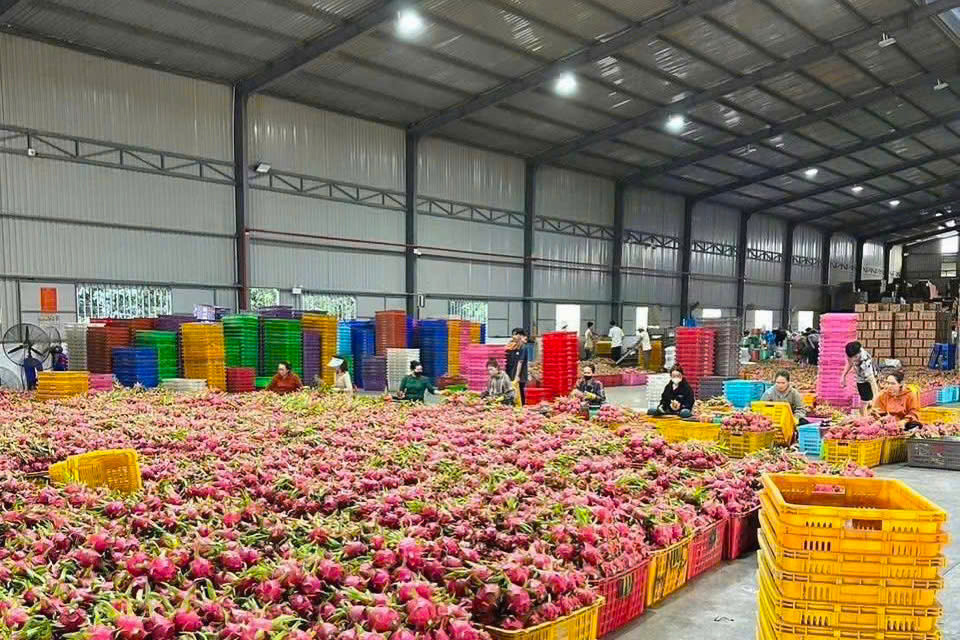
Lam Dong has harvested 271,000 tons of dragon fruit, reaching 46.9% of the annual target
In the group of perennial crops, the production structure continues to show greater commodity depth. Coffee covers 328,650 hectares, pepper 37,193 hectares, and fruit trees more than 111,000 hectares, including 44,450 hectares of durian and 26,126 hectares of dragon fruit.
Dragon fruit alone has recorded an output of 271,000 tons, reaching 46.9% of the annual plan. The conversion of some inefficient cashew areas to higher-value crops also reflects an ongoing restructuring process across production zones.
Notably, Lam Dong's agriculture is serving as a direct growth driver for processing and exports. In the first five months of the year, several key agricultural exports recorded strong growth: coffee beans reached USD 353.72 million, up 33.08%; fruits and vegetables USD 53.8 million, up 25.7%; pepper USD 58.6 million, up 14.68%; fresh flowers USD 46.32 million, up 31.97%; and processed tea USD 7.27 million, up 21.17%.
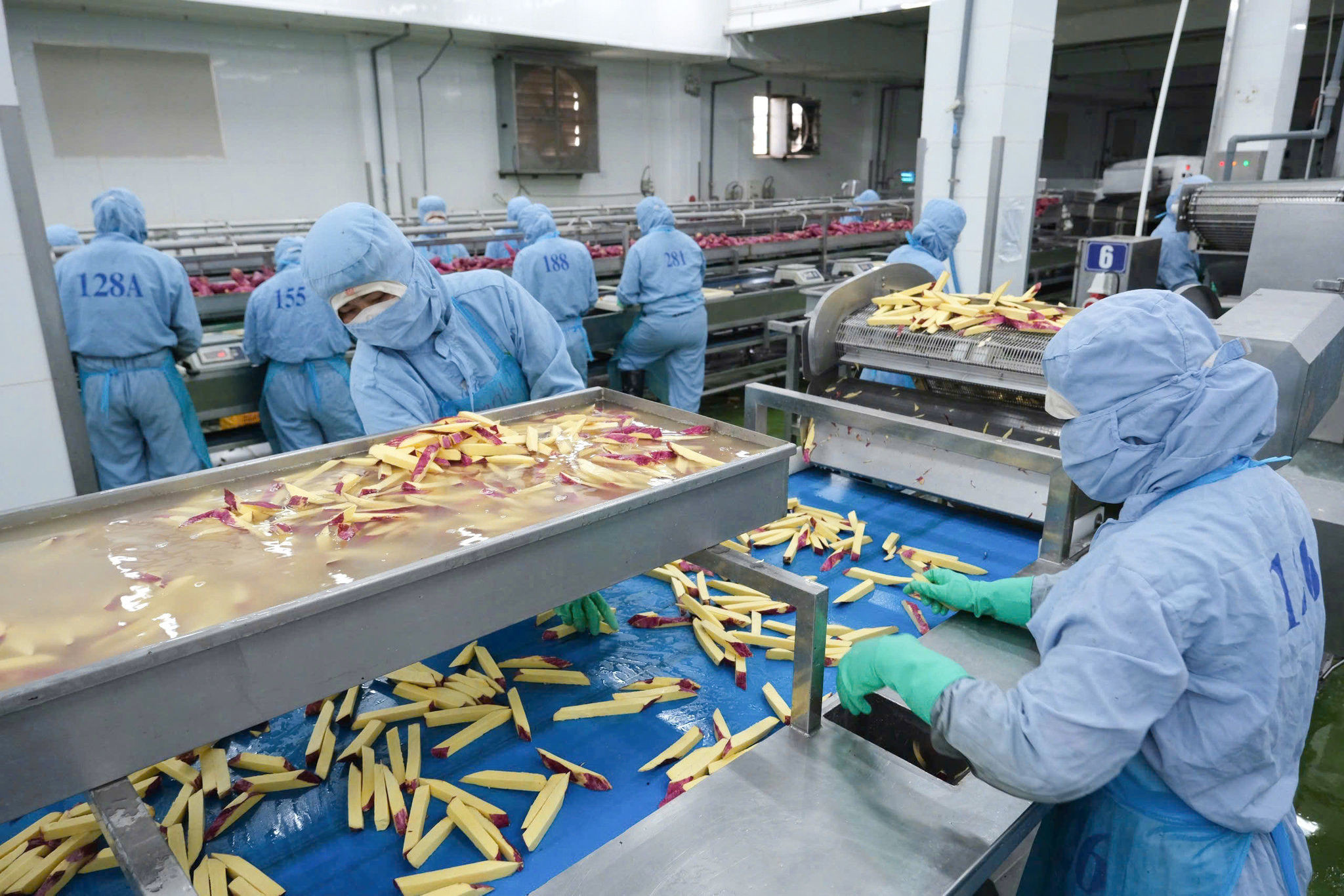
Agriculture in Lam Dong is becoming a key driver of processing and export industries
In addition, processed vegetables and fruits reached 16,236 tons, up 10.36%, while processed and preserved seafood products totaled 9,977 tons, an increase of 25.07%.
These figures show that agriculture is no longer limited to primary production but is increasingly integrated into the processing, logistics, and trade value chains.
Heading toward sustainable development
If crop cultivation remains the traditional pillar, livestock, aquaculture, forestry, and natural resource management are becoming key components of Lam Dong’s new agricultural economic model.
In livestock production, the province currently has 1.921 million head of cattle, 22.15 million poultry, and 137,760 bee colonies, nearly meeting the annual target. Livestock activities have remained generally stable, with no outbreaks of major diseases such as foot-and-mouth disease, African swine fever, or lumpy skin disease reported.
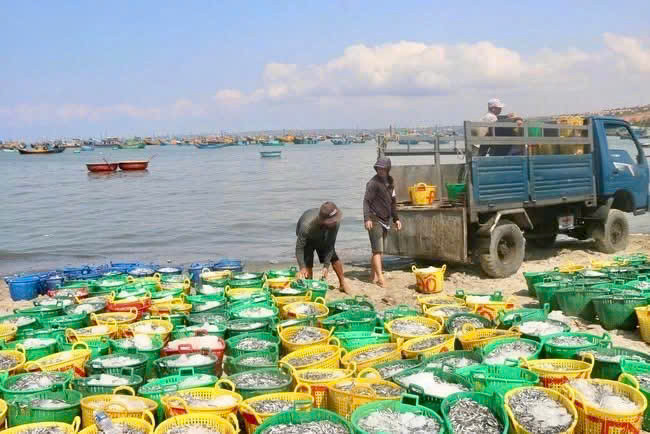
Lam Dong fishermen enjoy a bumper anchovy season
In the fisheries sector, the coastal advantages gained after the merger are adding a new “pillar” to Lam Dong’s agricultural economy. Since the beginning of the year, the cumulative seafood catch has reached 94,535 tons, while aquaculture production has totaled 12,070 tons.
Alongside increasing output, the province is strengthening measures against illegal, unreported, and unregulated (IUU) fishing. This requirement is closely linked to Lam Dong’s goal of developing a sustainable marine economy that balances exploitation with market responsibility.
In the upcoming period, the province aims to continue restructuring the agricultural sector in line with growth model innovation, while developing a highly efficient, large-scale agricultural economy with high added value, especially for key products.
The locality will focus on developing climate-resilient specialized farming zones and promoting technology application to enhance productivity, quality, and competitiveness.
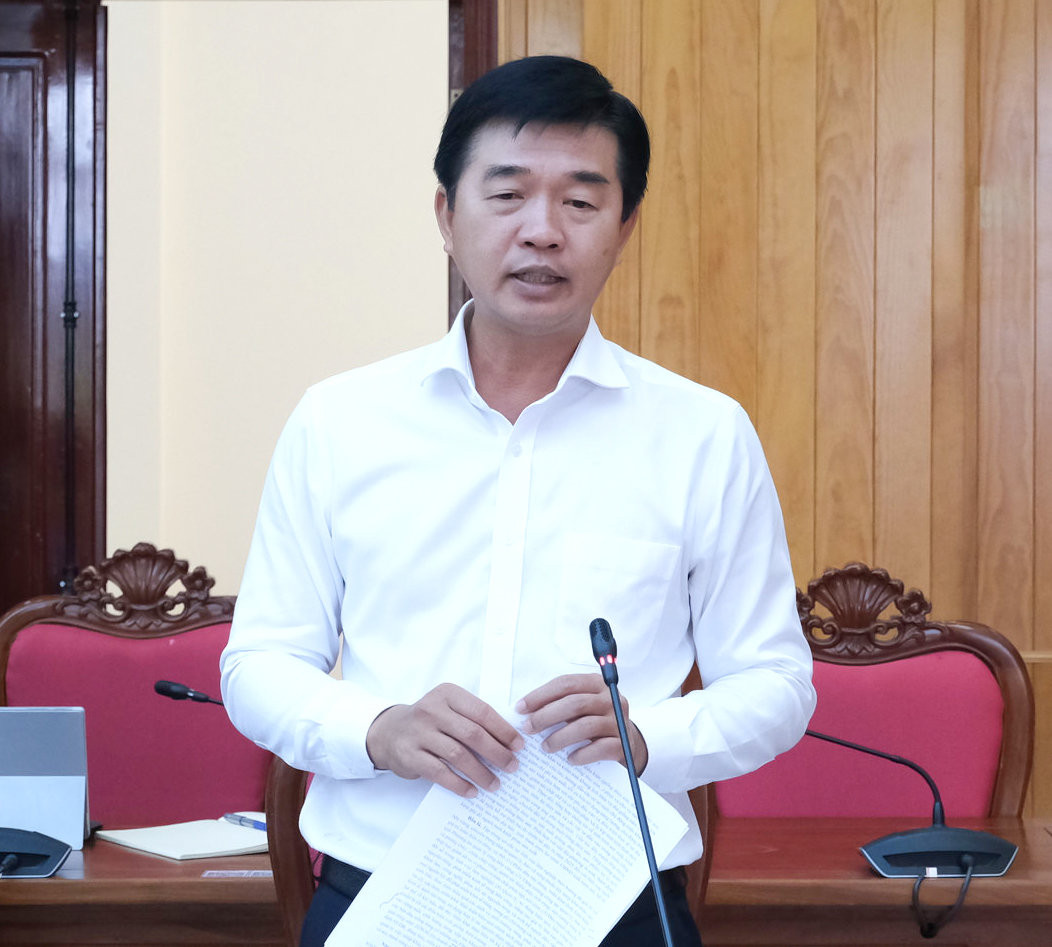
According to Phan Nguyen Hoang Tan, Director of the Department of Agriculture and Environment, the potential of Lam Dong’s agriculture lies not only in expanding cultivation areas or increasing output, but also in the ability to reorganize production space.
“
When these advantages are connected through land-use planning, processing infrastructure, planting area codes, green standards, and resource management, agriculture will become one of the province’s key drivers of sustainable and in-depth growth.
Phan Nguyen Hoang Tan, Director of the Department of Agriculture and Environment
The challenge in the coming period is to prevent agriculture from developing extensively, in a fragmented manner, and without strong connection. Lam Dong needs to continue shifting decisively from the mindset of “agricultural production” to that of an “agricultural economy”; from selling raw materials to deep processing; and from relying on natural advantages to building advantages based on standards, branding, and markets.
Only then will figures on cultivation area, output, and exports reflect not only the province’s scale, but also Lam Dong’s new capabilities in its journey toward building a green, modern, and sustainable economy.