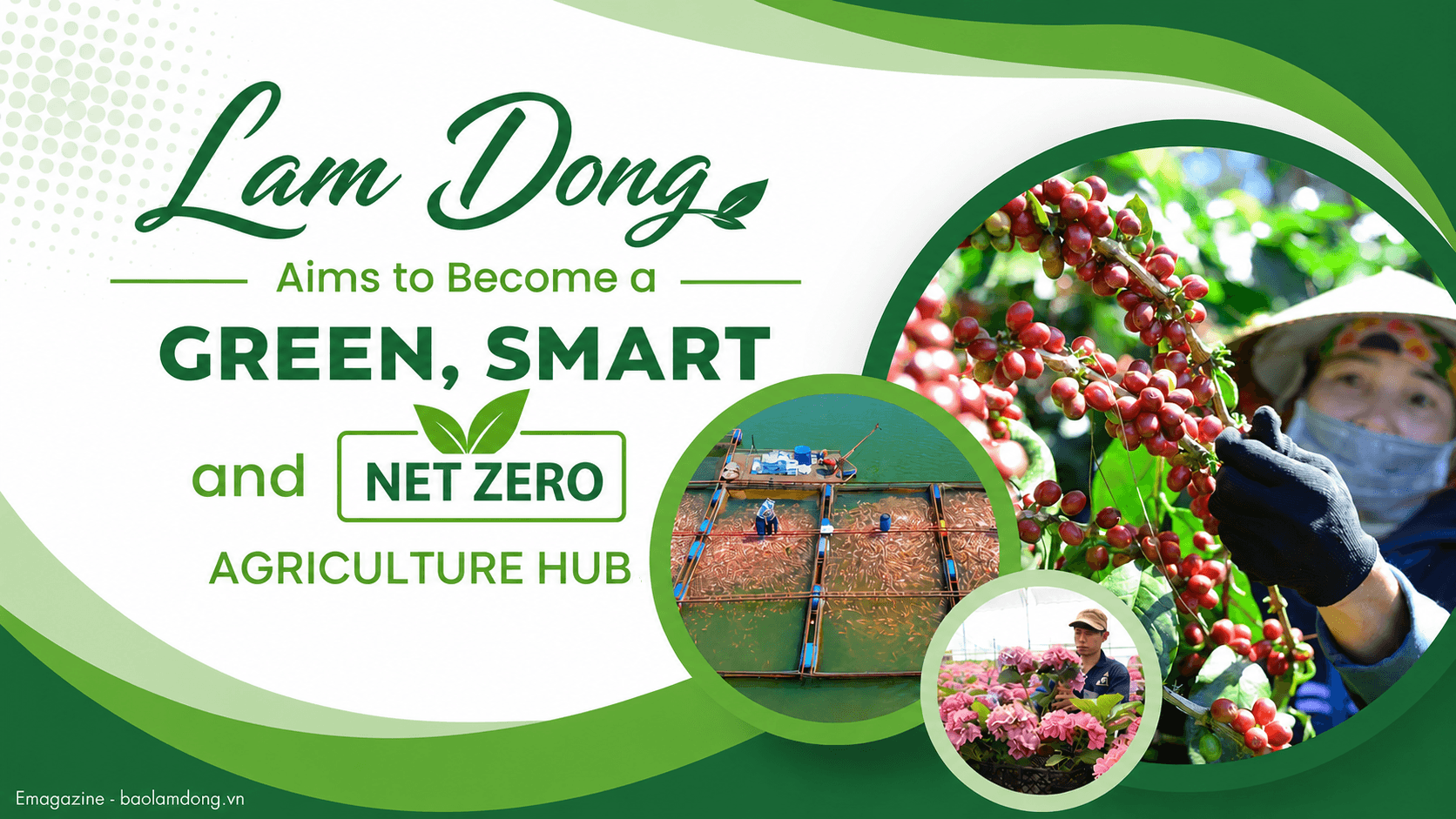
Lam Dong Aims to Become a Green, Smart and Net-Zero Agriculture Hub
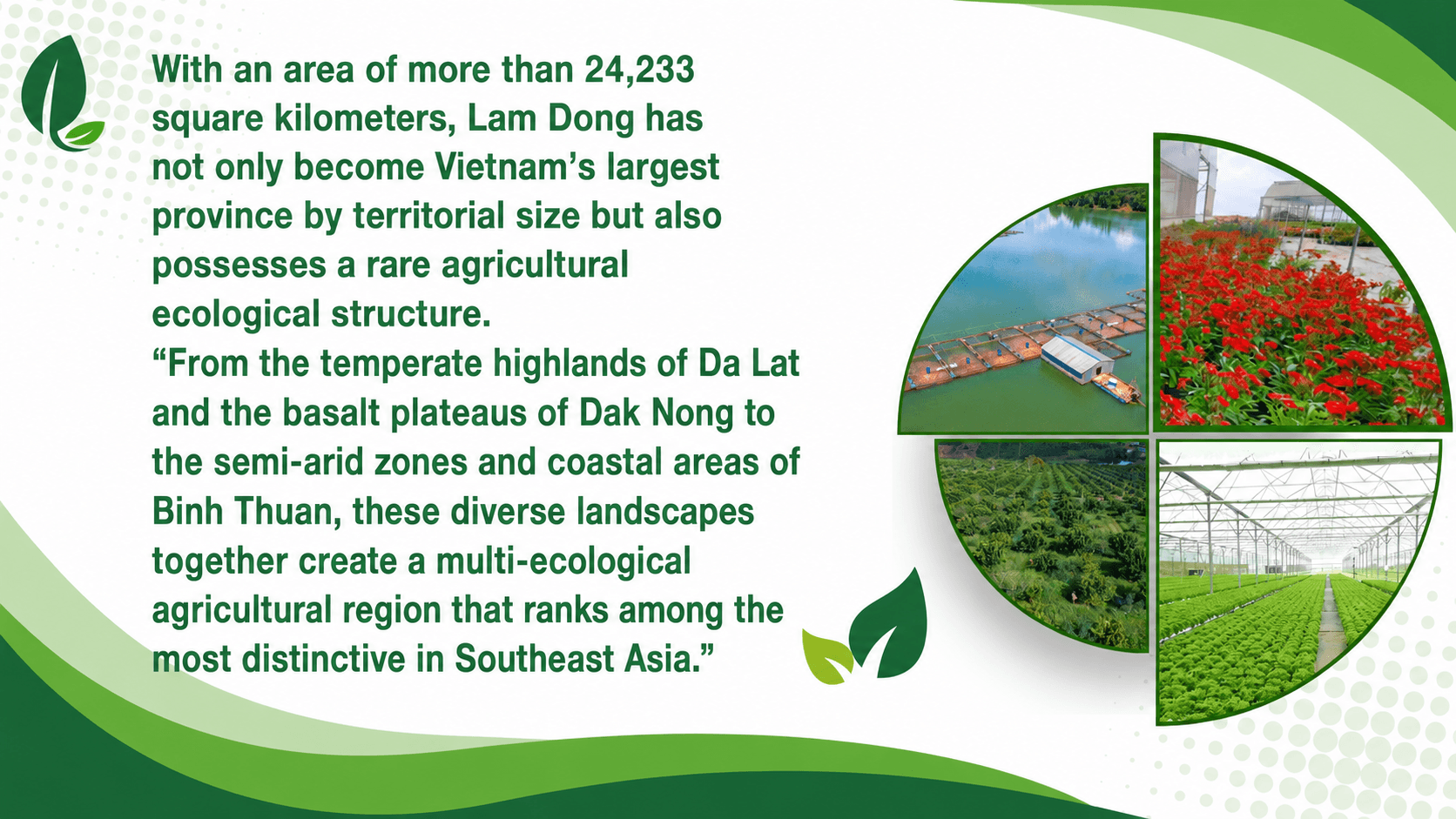
With an area of more than 24,233 square kilometers, Lam Dong has not only become Vietnam’s largest province by territorial size but also possesses a rare agricultural ecological structure. “From the temperate highlands of Da Lat and the basalt plateaus of Dak Nong to the semi-arid zones and coastal areas of Binh Thuan, these diverse landscapes together create a multi-ecological agricultural region that ranks among the most distinctive in Southeast Asia.”
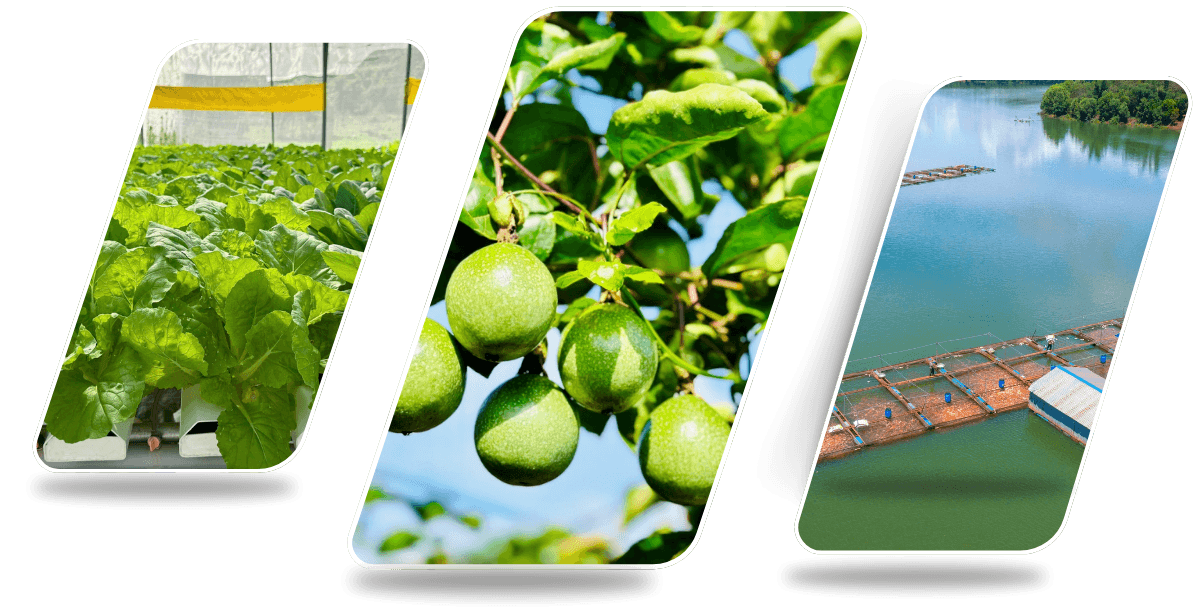
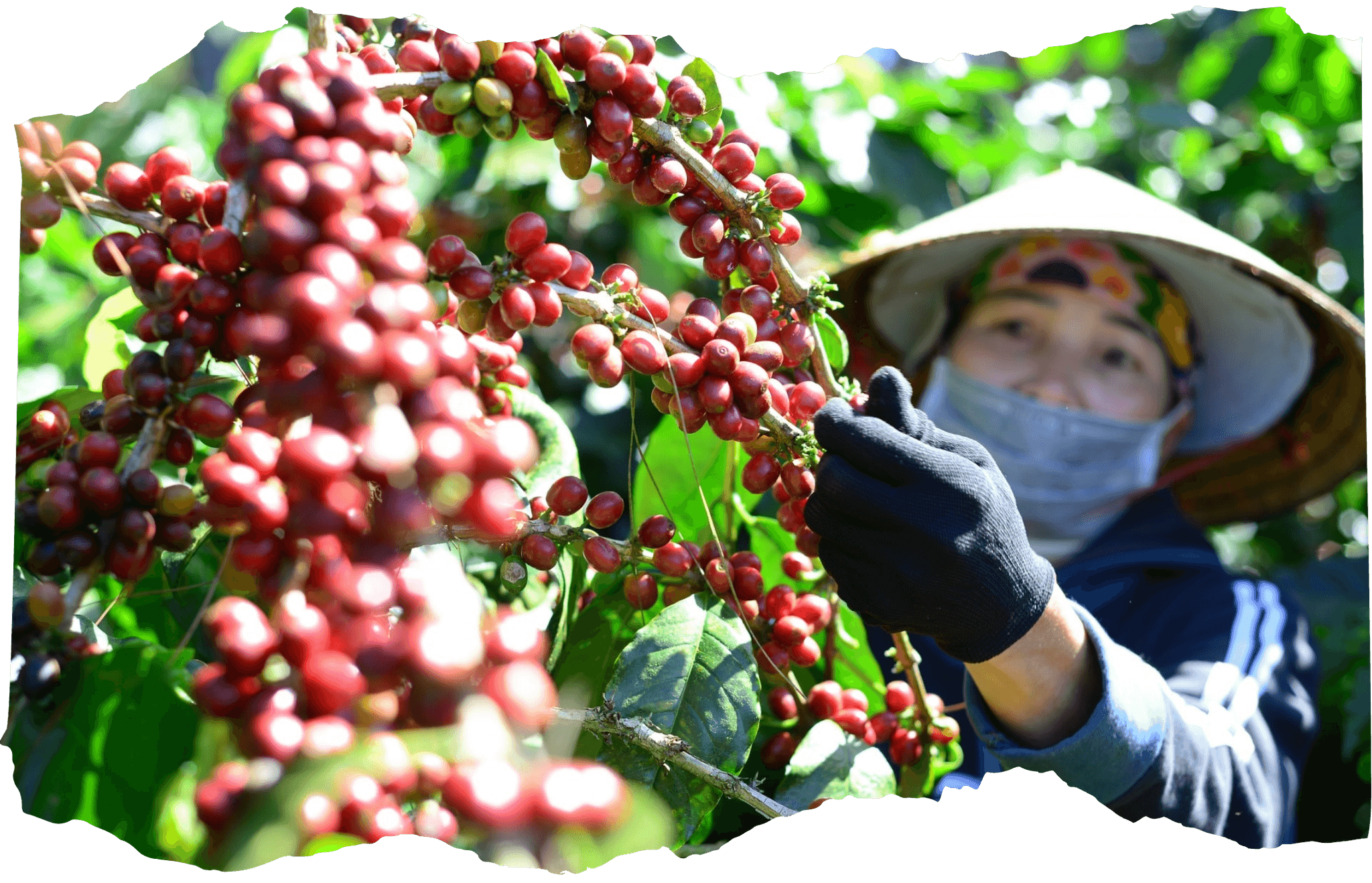
While many regions excel in only a few agricultural commodities, Lam Dong possesses outstanding advantages across a wide range of sectors, including coffee, tea, sericulture, vegetables, flowers, fruit crops, medicinal plants, livestock farming, cold-water aquaculture, and the marine economy. These strengths provide a solid foundation for the province to develop into a green, multi-value agricultural hub with strong international competitiveness.
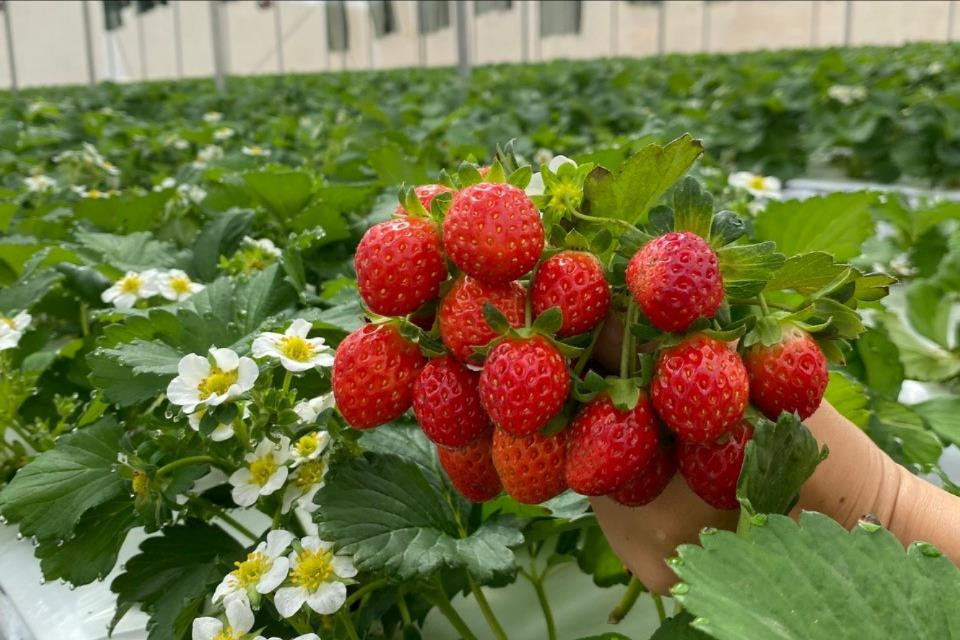
Lam Dong is entering a new phase of development, building on a foundation of science and technology that has been developed and proven over the past two decades.
The province has been a pioneer in Vietnam in adopting, mastering, and successfully applying advanced agricultural technologies from Israel, the Netherlands, Japan, Germany, and the United States, creating the country's most comprehensive high-tech agricultural ecosystem.
.jpg)
A wide range of advanced technologies has been widely adopted, including climate-controlled greenhouses and net houses; Israel’s drip irrigation and automated fertigation systems; industrial-scale tissue culture propagation technology; sensor networks and the Internet of Things (IoT) for real-time monitoring of production environments; smart farming models; QR code and blockchain-based traceability systems; drones for crop monitoring and precision spraying; as well as artificial intelligence (AI) applications for production management, pest and disease forecasting, and crop yield optimization.
.jpg)
By mastering these advanced technologies, Lam Dong has developed nationally renowned high-tech production zones for vegetables, flowers, tea, coffee, fruit crops, and dairy farming, generating annual production values ranging from VND 1 billion to VND 3 billion per hectare.
.jpg)
At the same time, the province has built a relatively complete value chain, spanning seed research and development, production, deep processing, marketing, and export.
This serves as a crucial foundation for Lam Dong’s new development space to fully unlock the potential of Dak Nong’s basaltic soils, Lam Dong’s vegetable and flower-growing regions, and Binh Thuan’s fruit-producing and climate-resilient agricultural areas, creating a large-scale high-tech agricultural hub stretching from the blue sea to the highlands.
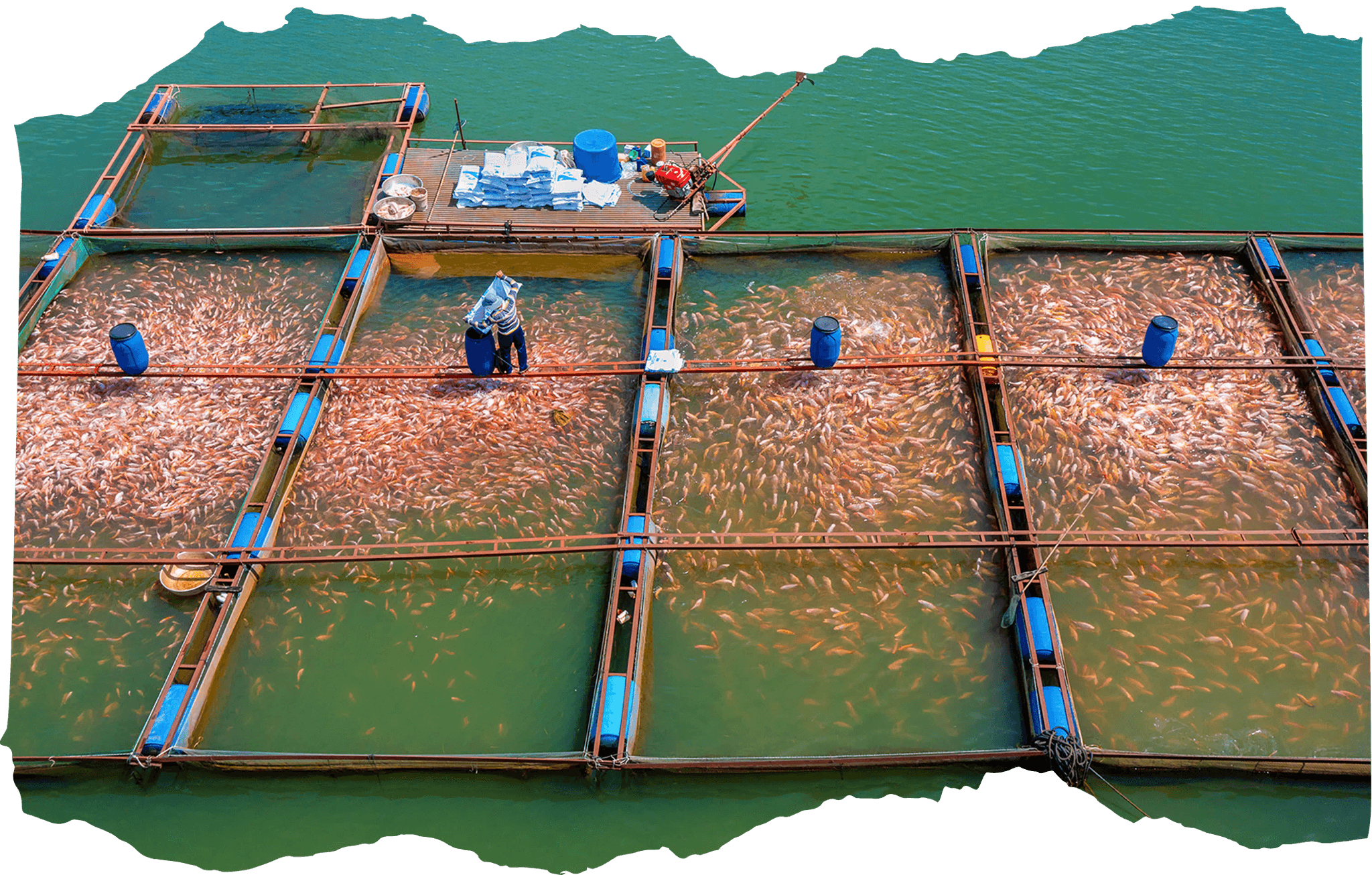
The integration of advanced technologies with Lam Dong’s rich land resources, favorable climate, and diverse ecosystems is creating opportunities to develop a leading center for green, smart agriculture, the bioeconomy, and the carbon economy in Vietnam, while gradually advancing toward a leading position in Southeast Asia.
.jpg)
.jpg)
Lam Dong possesses advantages that few other localities are able to simultaneously converge:
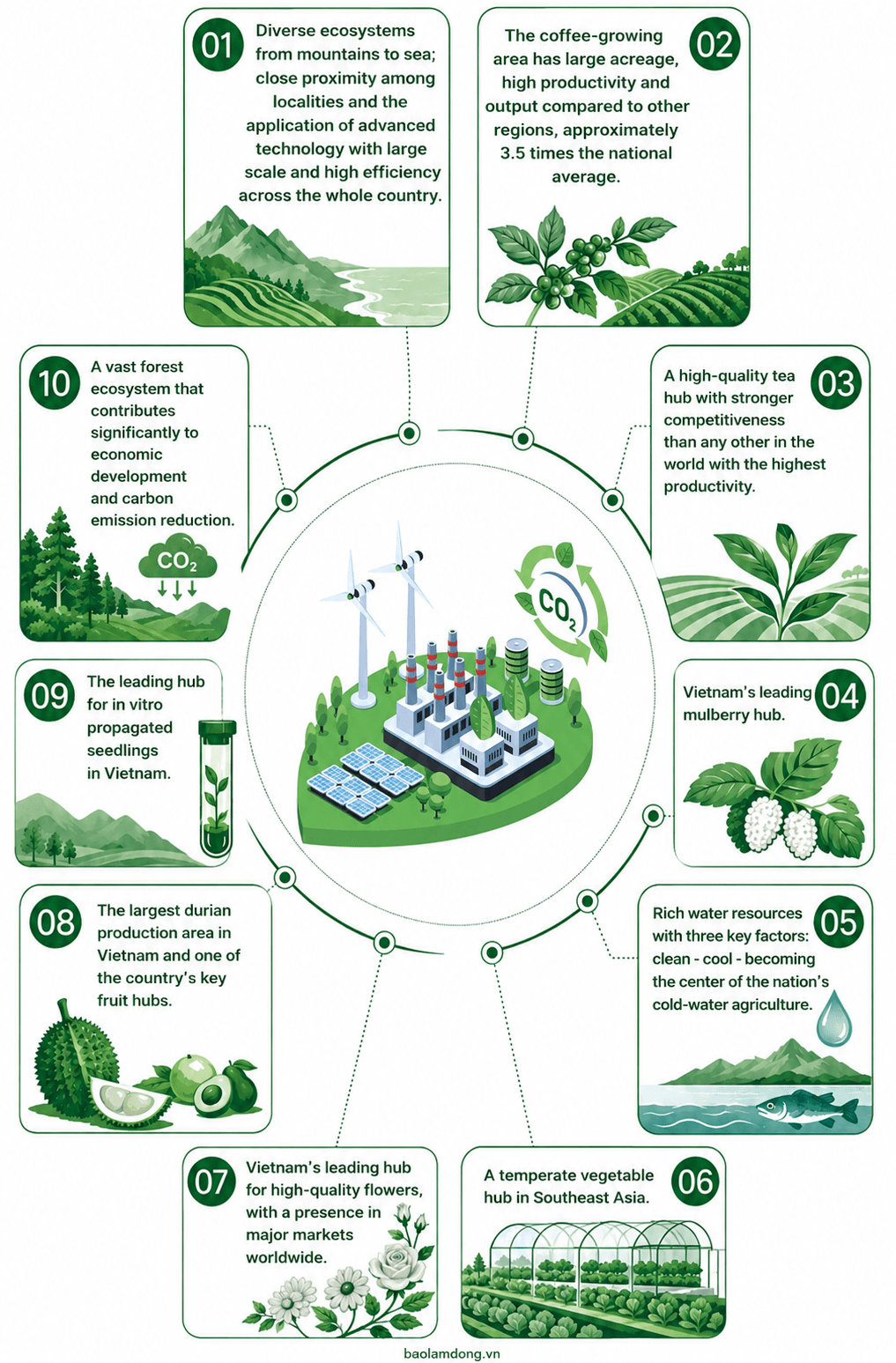
These advantages do not exist in isolation but complement one another, forming a foundation for the future development of large-scale green agriculture and the bioeconomy.
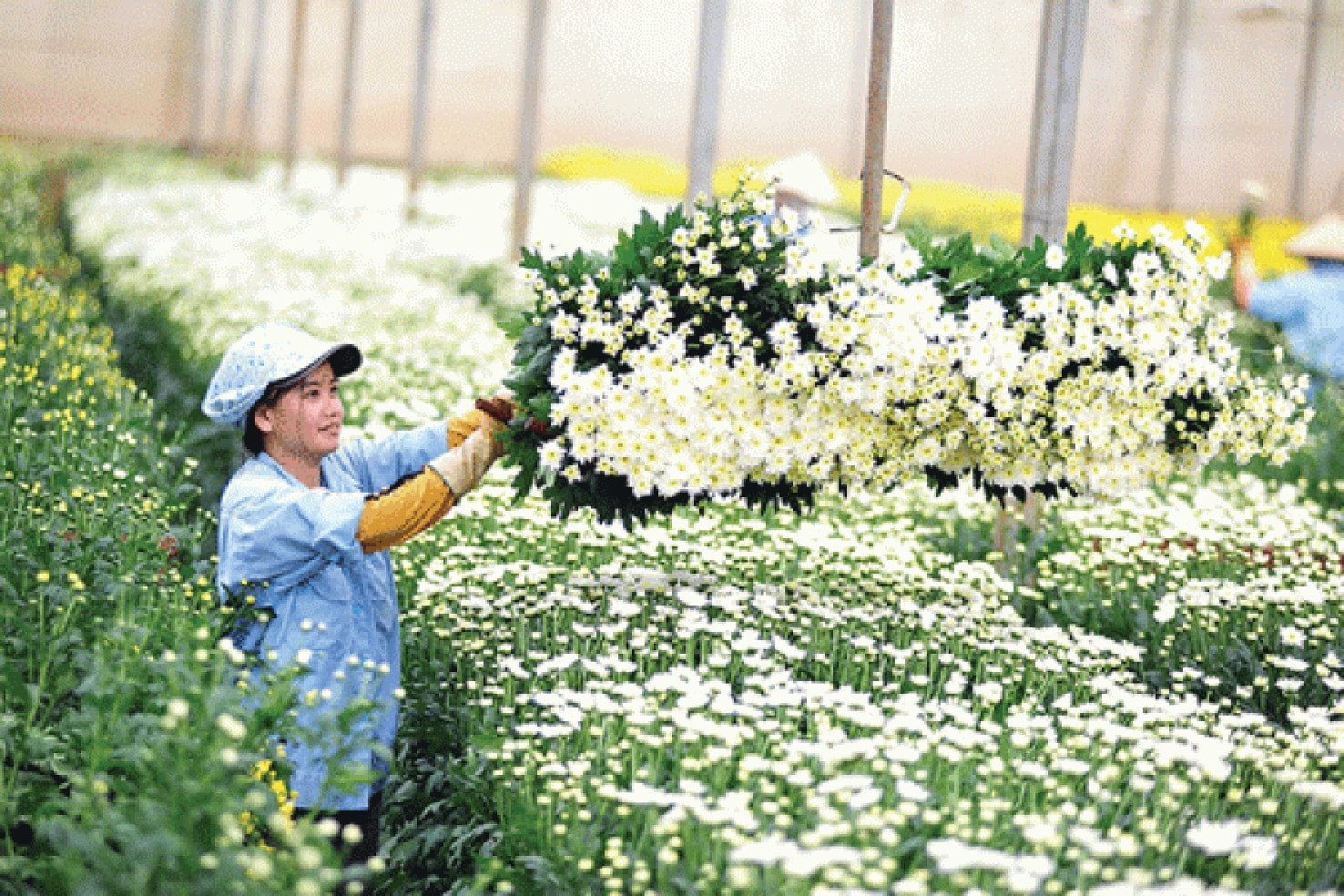
Entering a new stage of development, Lam Dong aims not only to become Vietnam’s leading high-tech agricultural hub but also to emerge as a Southeast Asian center for green agriculture and sustainable development.
.jpg)
Amid climate change, natural resource depletion, and increasingly stringent environmental, social and governance (ESG) requirements in international markets, this development direction is both inevitable and a strategic opportunity for Lam Dong to affirm its pioneering position.
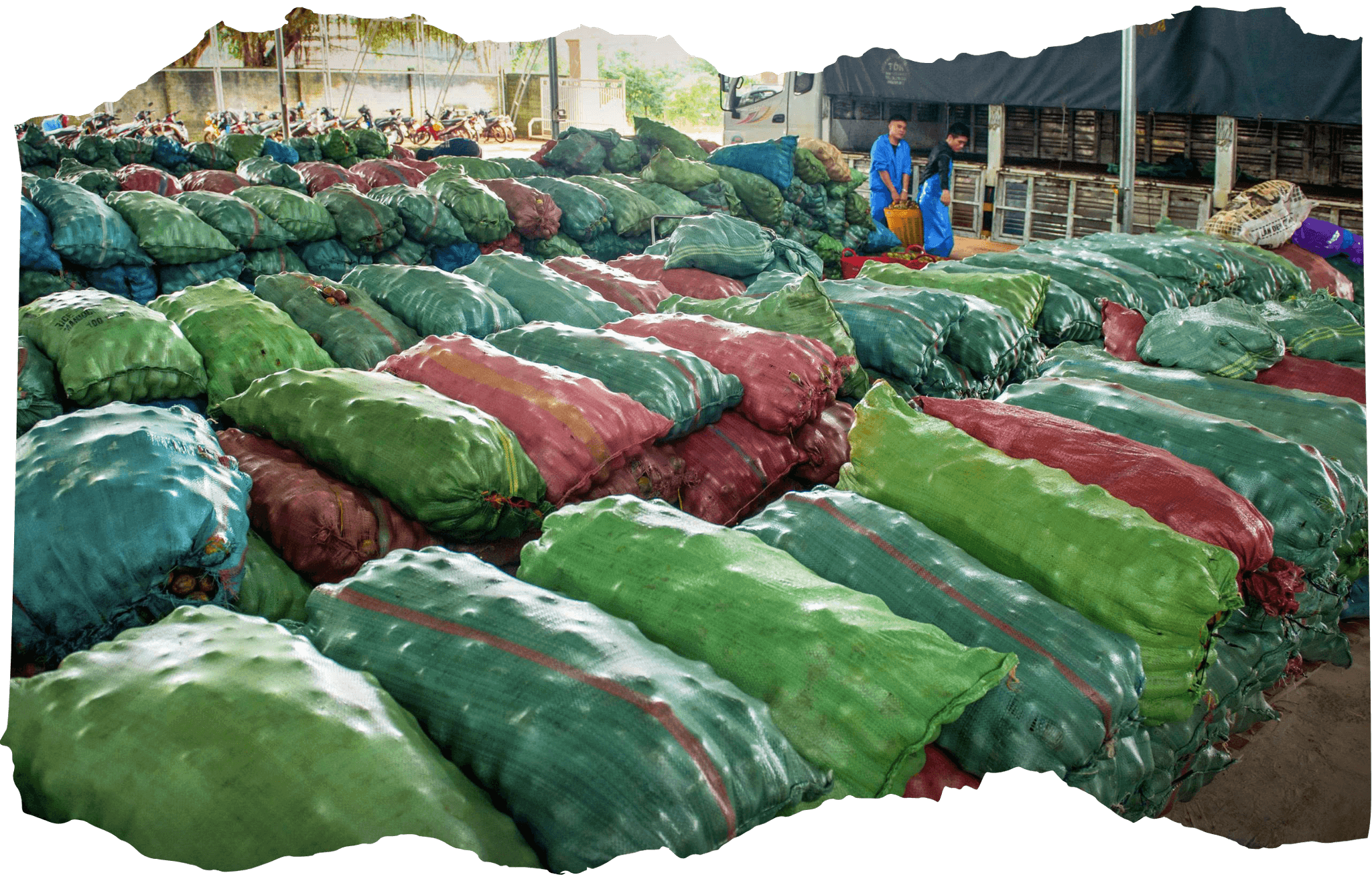
Lam Dong’s goal goes beyond increasing agricultural productivity, quality and export value to building a low-emission agricultural system that uses land, water and energy efficiently, while conserving biodiversity, restoring ecosystems, and generating economic value from carbon credits.
Achievements in high-tech agriculture, organic farming, biotechnology, digital transformation, and the circular economy are providing a solid foundation for realizing this goal.
.jpg)
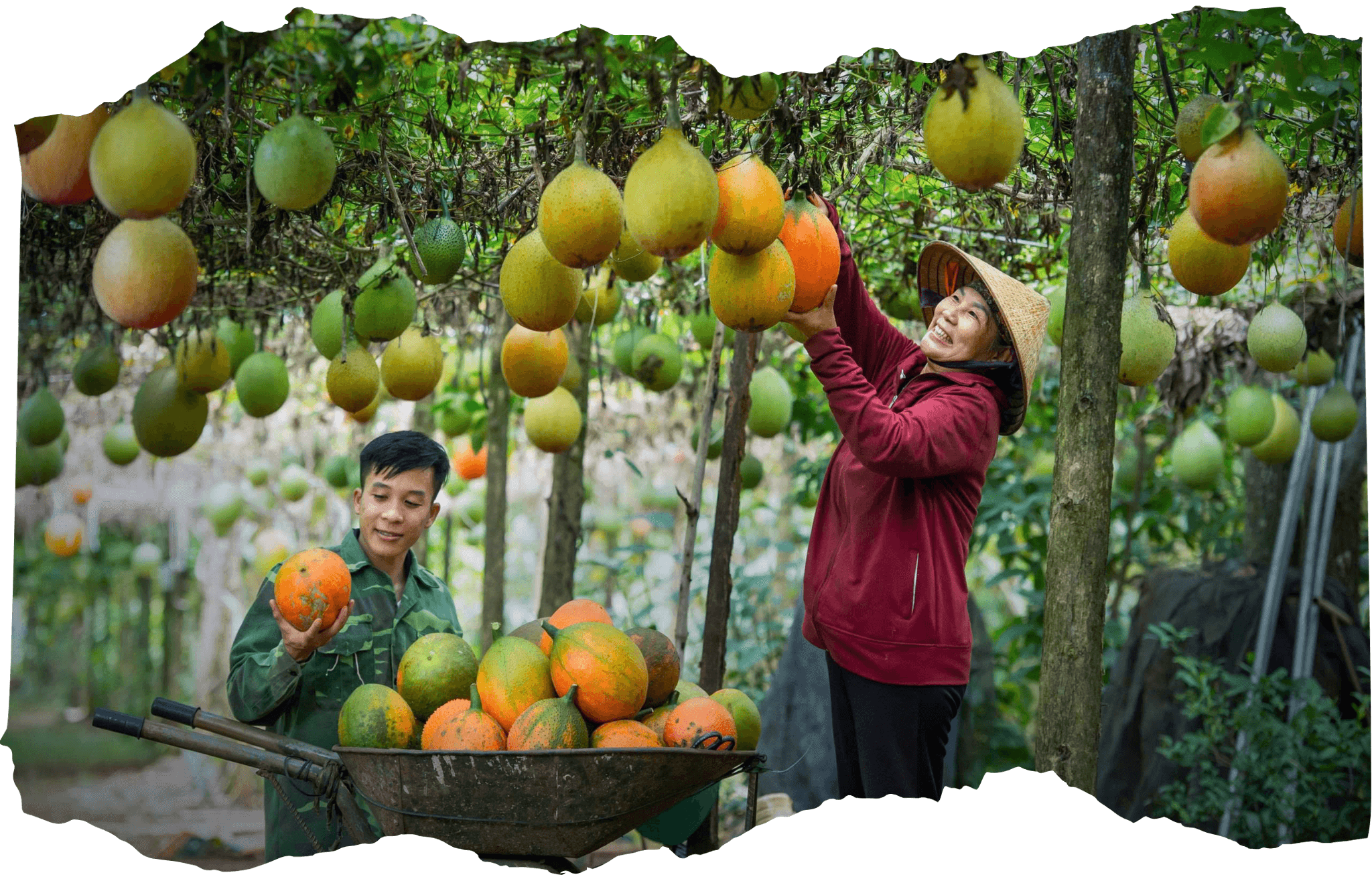
Typical products such as Bourbon Cau Dat coffee, high-quality tea, high-tech vegetables and flowers, specialty fruit crops (dragon fruit, durian), valuable medicinal plants (artichoke, white Ngoc Nu), along with environmentally friendly bio-based products, all have strong potential to become global brands associated with Vietnam’s green development story.
Each product not only carries commercial value but also conveys a message of environmental responsibility, nature conservation, and sustainable development.
.jpg)
.jpg)
With its unique natural potential, advanced science and technology foundation, and strong determination for innovation, Lam Dong is steadily realizing its aspiration to become a model of green agriculture, making active contributions to Vietnam’s Net Zero 2050 goal and establishing a new position on the global map of sustainable agriculture.
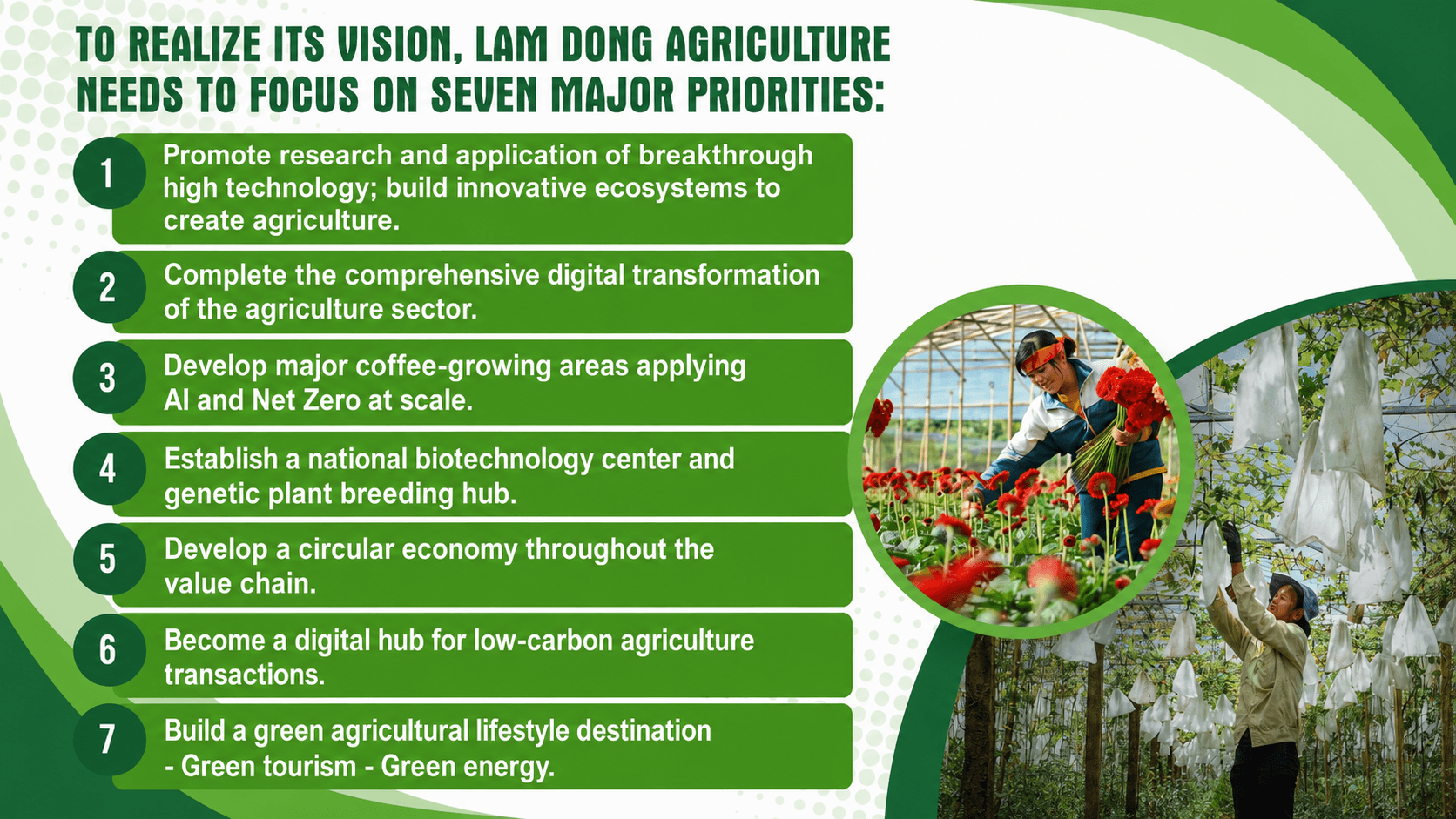
Implementing these seven synchronized solutions is not only about economic development measures but also forms the foundation for building a new development model based on science and technology, innovation, and environmental responsibility.
Lam Dong stands before a historic opportunity. Its vision for 2050 goes beyond becoming a major agricultural production region; it aims to position the province as a leading Asian center for green agriculture, smart agriculture, the bioeconomy, and net-zero agriculture. This vision is not only Lam Dong’s aspiration but also has the potential to serve as a model for Vietnamese agriculture in the era of green and sustainable development.
Content: Pham S (The article uses archival images)
Presentation: Nguyet Nga