


Lam Dong Carbon Credit Potential - the “Green Gold Mine”
With its vast forests, Lam Dong's carbon credit potential is driving a green economy shift that generates sustainable revenue while preserving vital ecosystems.
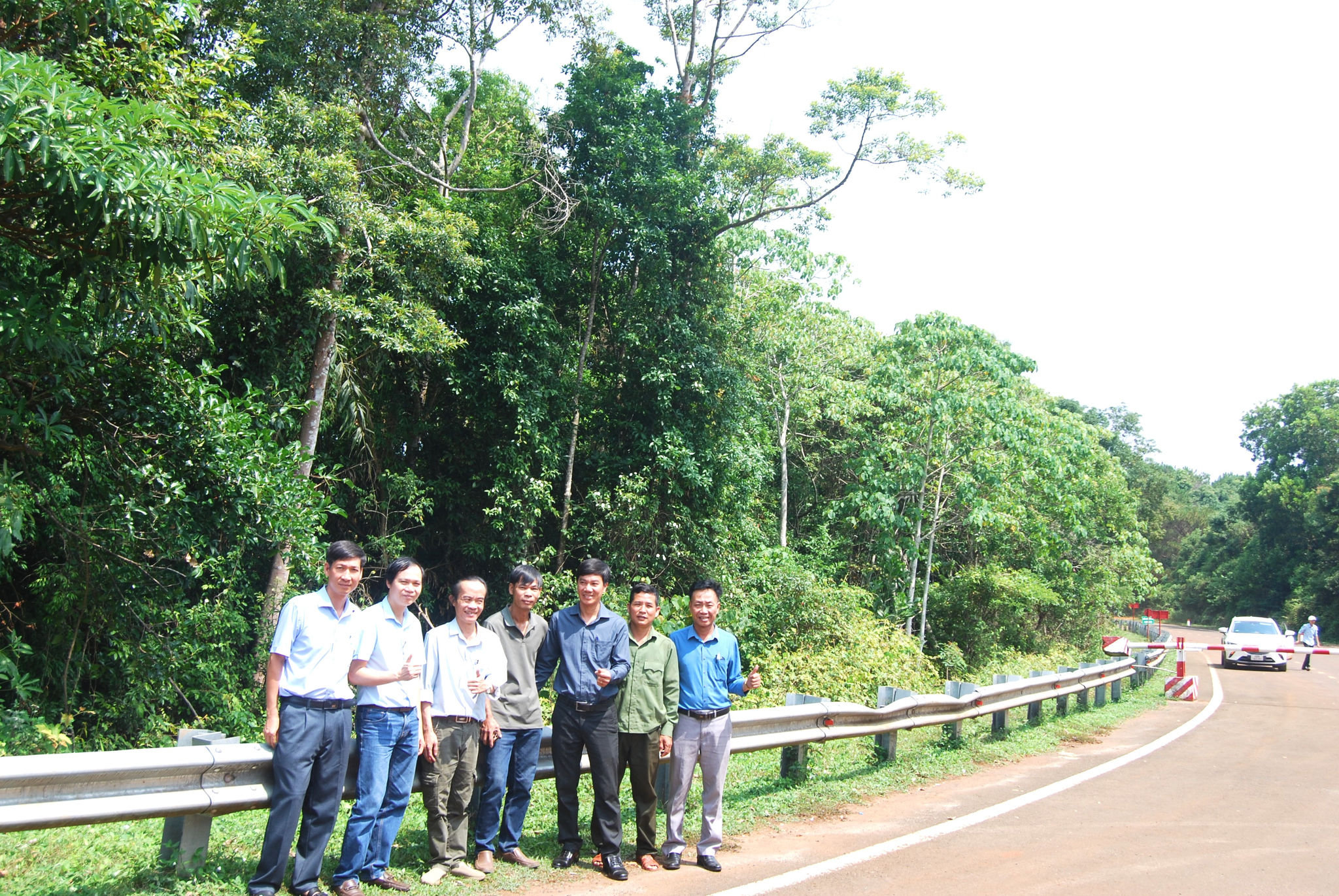
Sequestering and storing vast volumes of carbon
A comprehensive survey of border protection forest areas in Lam Dong shows that more than 16,208 hectares are currently under management and protection. Of this, nearly 14,955 hectares are forested, while over 1,254 hectares remain non-forested.
These areas are distributed across 25 sub-zones in five communes: Dak Wil, Thuan An, Thuan Hanh, Tuy Duc and Quang Truc. Land classification includes more than 16,114 hectares of protection forest, over 18.3 hectares of production forest and about 75.5 hectares classified as non-forestry land.
According to Do Thanh Tam, Deputy Director of the Border Protection Forest Management Board, the agency oversees five specialized forest protection units covering more than 14,024 hectares.
In parallel, 11 local communities comprising 166 households are contracted to protect nearly 930 hectares. In 2025, forest environmental services were implemented across more than 10,411 hectares, generating over 6 billion VND (approximately $235,000) for local stakeholders.
To improve land-use efficiency, authorities have also encouraged intercropping of high-value crops such as macadamia, durian, avocado and longan across about 1,200 hectares of long-established agricultural land within forest zones.
“Through a combination of strict patrols, community engagement and tailored fire prevention strategies, we have maintained zero violations. Forest coverage in the managed area currently exceeds 92%,” Tam said.
Nationally, Vietnam’s forest area reaches nearly 14.97 million hectares, with a coverage rate of 42.03%. In Lam Dong, total forest area stands at approximately 1.12 million hectares, with coverage at 45.91%. These ecosystems serve as a vast carbon sink, absorbing and storing significant volumes of carbon dioxide.
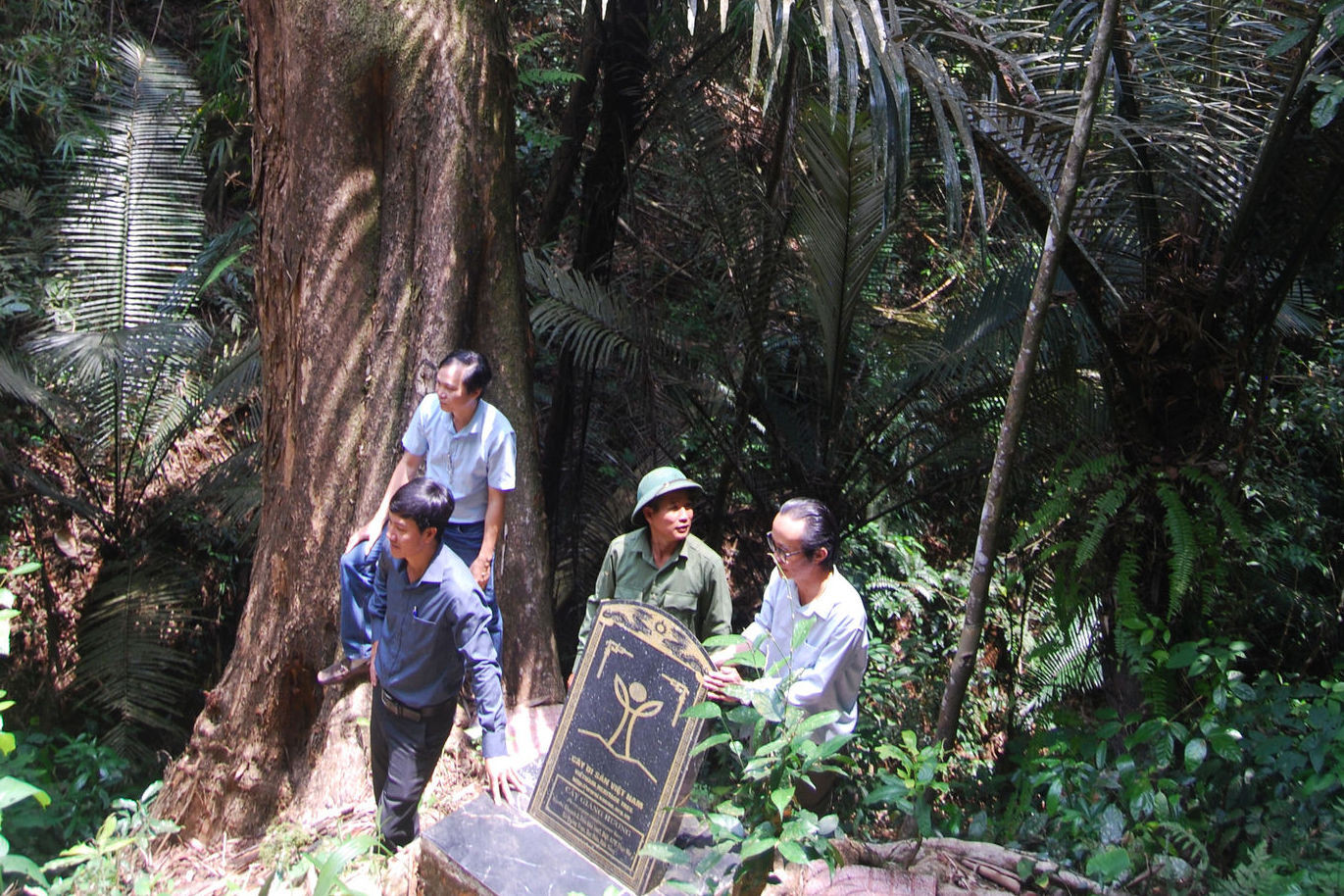
Carbon credits as a specialized forest commodity
Tran Ngoc Toan, a member of the Scientific Council of the Vietnam Sericulture and Eco-Tourism Association, explained that forests generate economic value through carbon sequestration.
“Through photosynthesis, forests absorb carbon and store it in biomass and soil, effectively creating a specialized commodity. The carbon market operates on a simple principle: emitters pay those who reduce or absorb emissions. Corporations purchase carbon credits to offset their greenhouse gas output,” he said.
Under the REDD+ framework, Vietnam—including Lam Dong—has already transferred millions of tons of emission reductions to international partners. These pilot initiatives lay the groundwork for the country’s participation in the global carbon market, expected to be fully operational by 2028.
Dr. Nguyen Cong Truong, Head of the Faculty of Agriculture, Forestry and Fisheries at Nghe An University, noted that Lam Dong has strong potential to expand carbon stocks through afforestation strategies, including the cultivation of up to 100,000 hectares of bamboo.
“Bamboo grows rapidly in Lam Dong’s conditions. In addition to preventing soil erosion, it generates continuous biomass and has one of the highest carbon sequestration rates among plant species,” he said.
According to Dr. Truong, transforming forest resources into tradable carbon credits requires a strict seven-step certification process: defining land boundaries, identifying suitable carbon-sequestering crops, preparing project design documentation, monitoring biomass growth, conducting verification and validation, obtaining approval and carbon codes from the Ministry of Agriculture and Environment, and finally registering for trading on the national carbon exchange.
This structured pathway underscores both the complexity and the long-term potential of carbon credits as a new economic frontier for Lam Dong’s forestry sector.