


Lam Dong Chairman Works with Three Departments on Key Development Priorities
Chairman of the Lam Dong Provincial People's Committee Ho Van Muoi has called on provincial departments and agencies to demonstrate strong determination and decisive action in consolidating their organizational structures, effectively carrying out sector-specific responsibilities and striving to achieve the highest possible results in all assigned tasks.
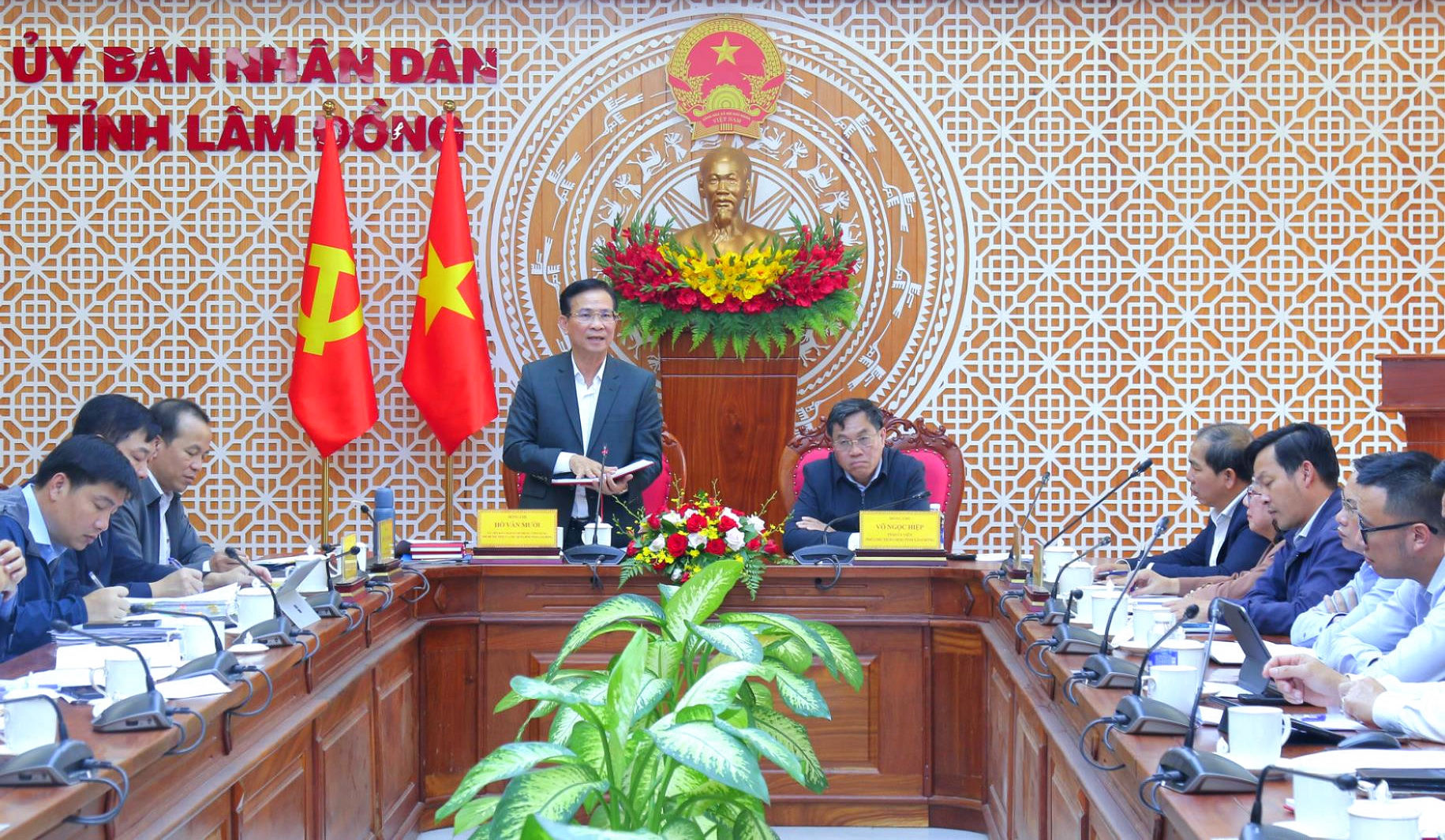
On July 16, Ho Van Muoi, Member of the Party Central Committee, Deputy Secretary of the Lam Dong Provincial Party Committee and Chairman of the Provincial People's Committee, chaired working sessions with the Departments of Finance, Construction and Justice to discuss key priorities for the coming period.
During the meetings, each department reported on the implementation of its assigned responsibilities, organizational operations, personnel arrangements and management activities. They also outlined difficulties and challenges encountered during the restructuring process and operation of their new organizational systems.
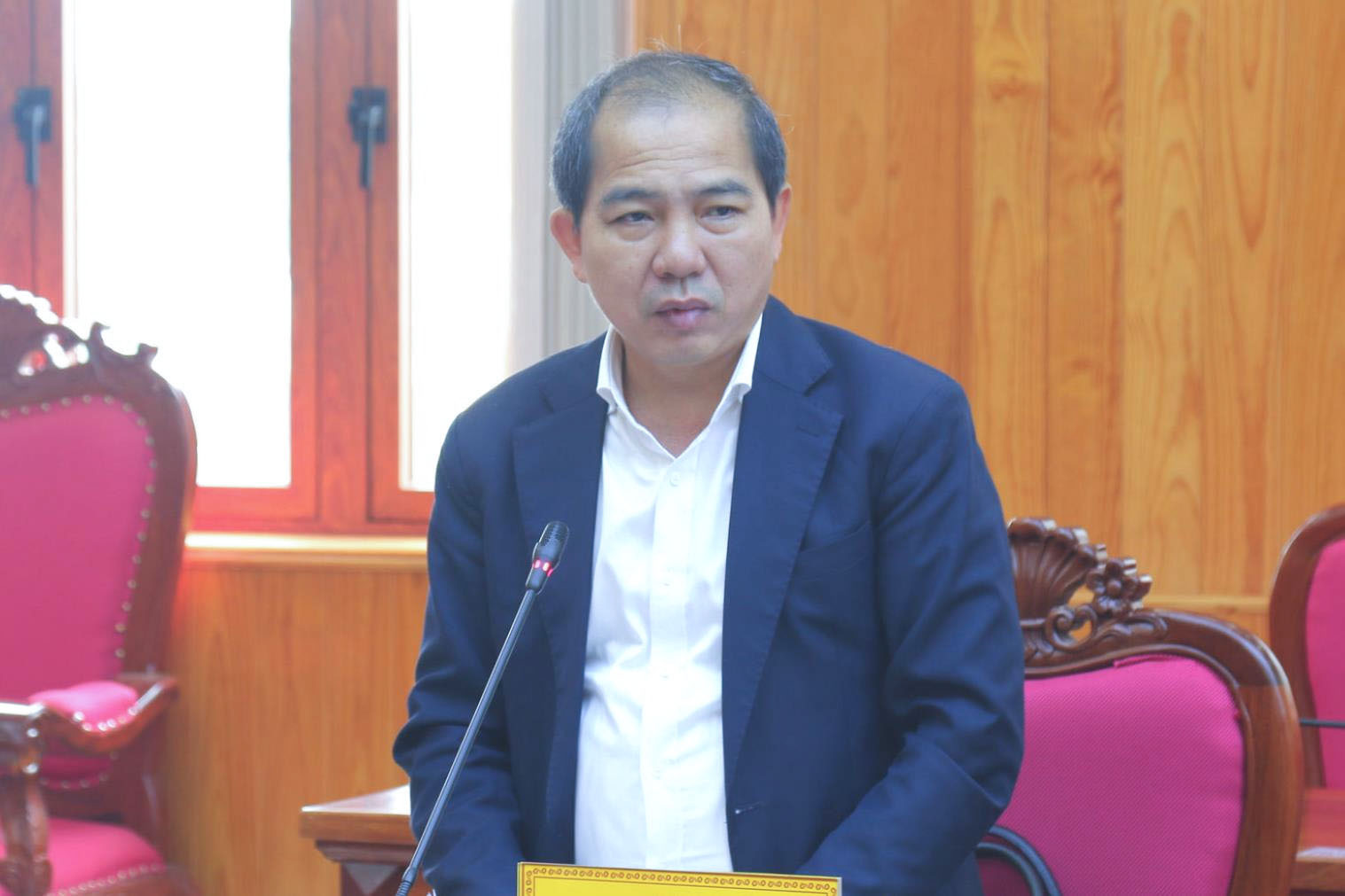
The Department of Finance reported that its organizational restructuring and personnel arrangements have been largely completed and stabilized. The department is now focusing on accelerating several key priorities, including public investment disbursement, resolving obstacles facing non-budget-funded investment projects, and managing surplus public assets following the administrative merger.
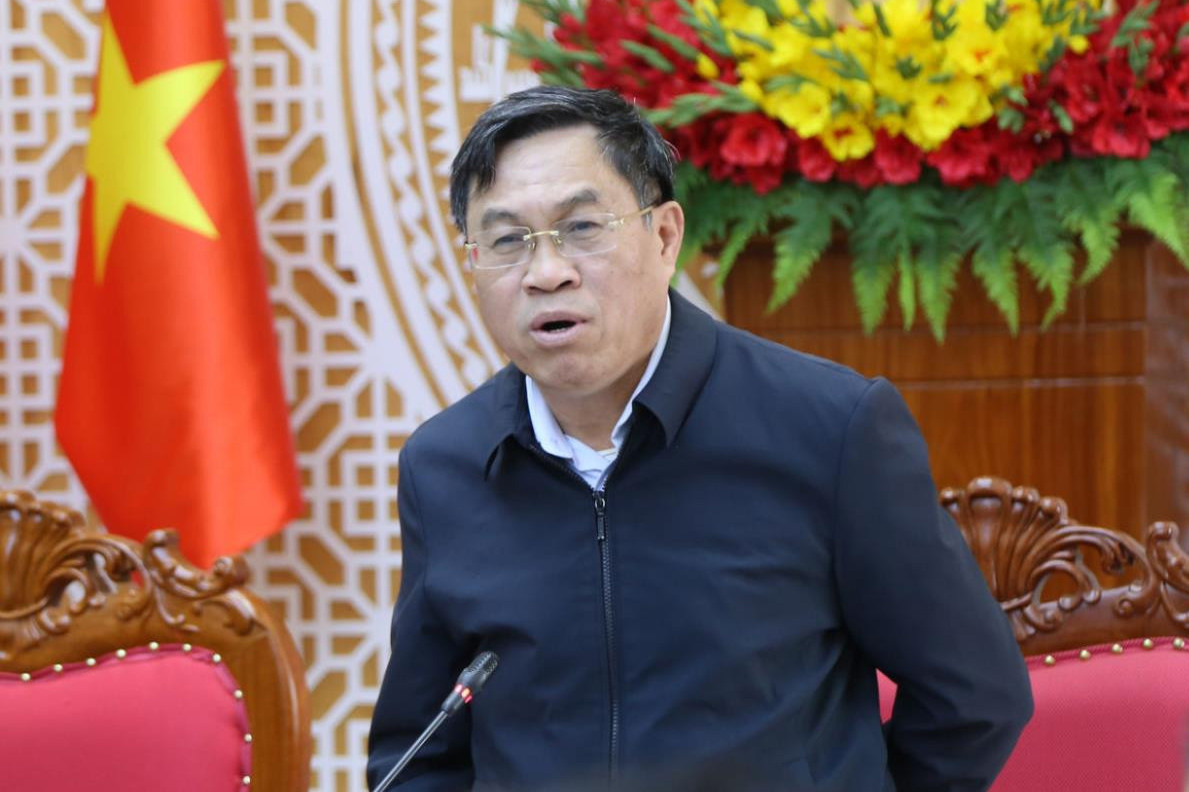
The department has also coordinated with relevant agencies in planning management, state budget revenue and expenditure administration, while advising the provincial government on the timely allocation of funding for social welfare policies and benefits.
Meanwhile, the Department of Construction stated that during the first six months of 2026, it regularly reviewed and addressed difficulties across its areas of responsibility while promoting transportation development and investment in key infrastructure projects.
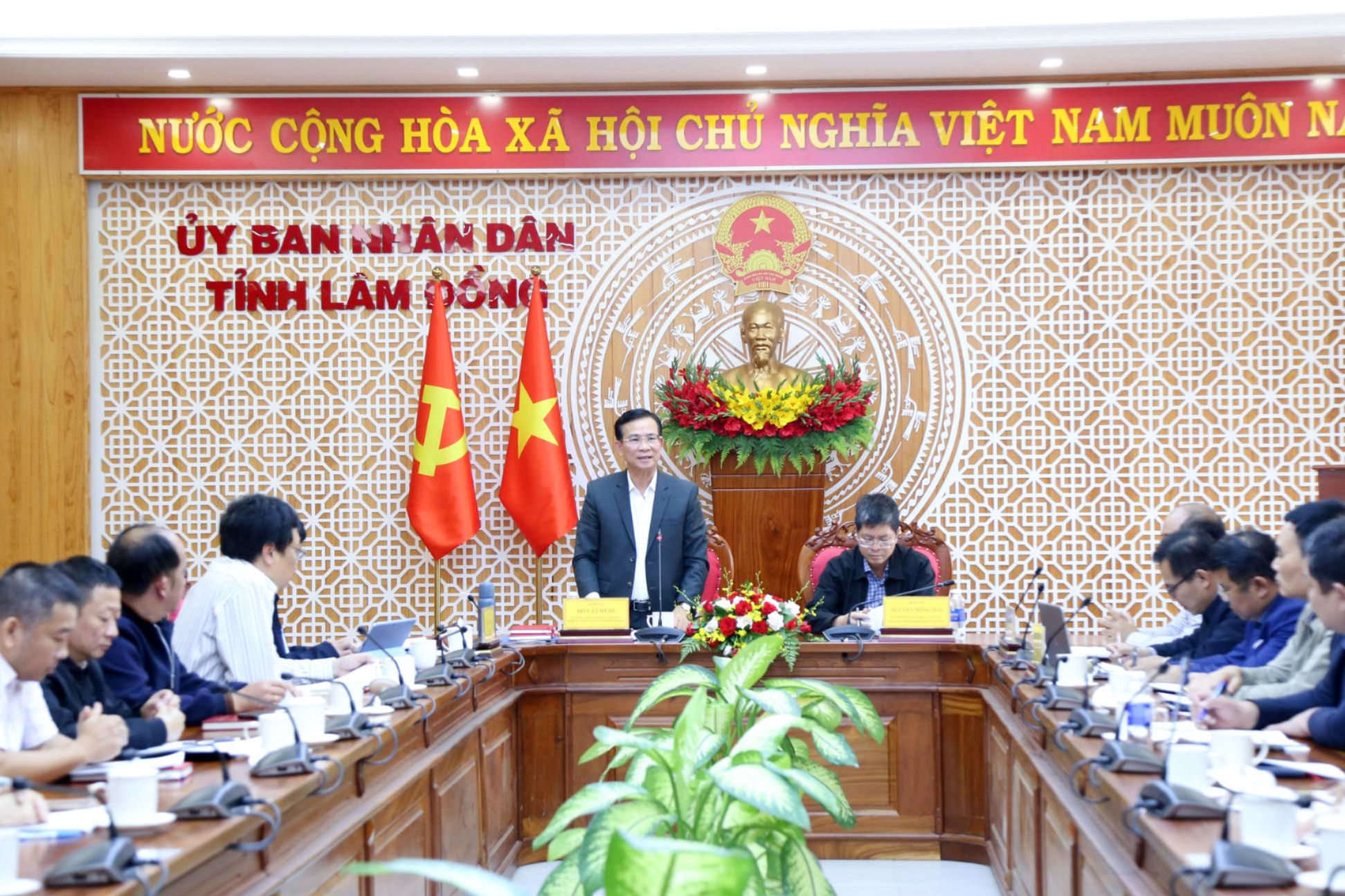
The department has proactively implemented amendments to the Law on Urban and Rural Planning to facilitate investment attraction and support economic growth. Decentralization in planning and construction management has also helped shorten administrative procedures and enhance the autonomy of local authorities.
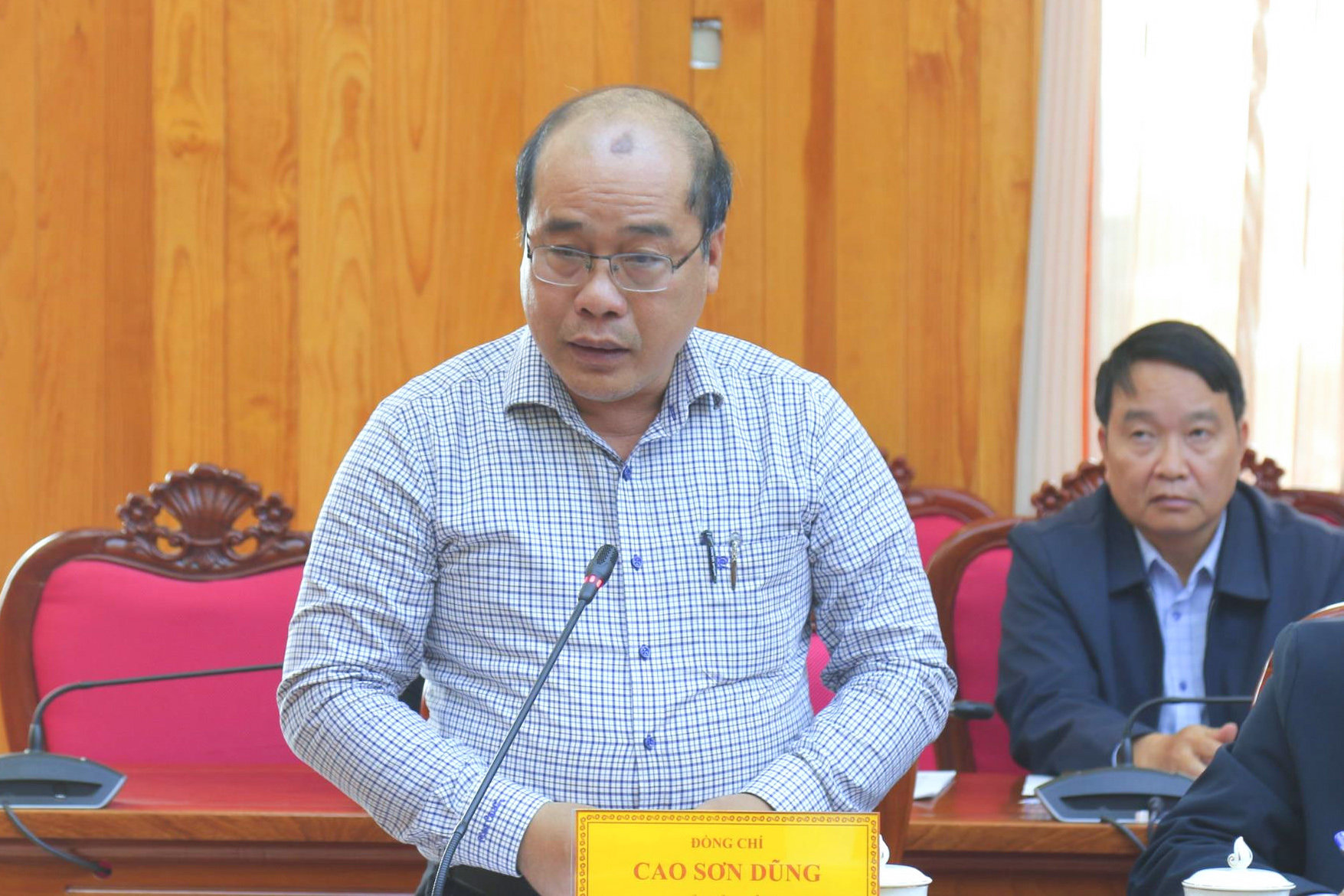
The Department of Justice reported that legal drafting, appraisal, review and inspection of legal normative documents were carried out comprehensively during the first half of the year. Administrative enforcement, notary services, property auctions and other judicial functions also received close attention.
However, the department noted that heavy workloads combined with limited staffing in several localities have resulted in occasional backlogs. Coordination among some agencies and local authorities also requires further improvement.
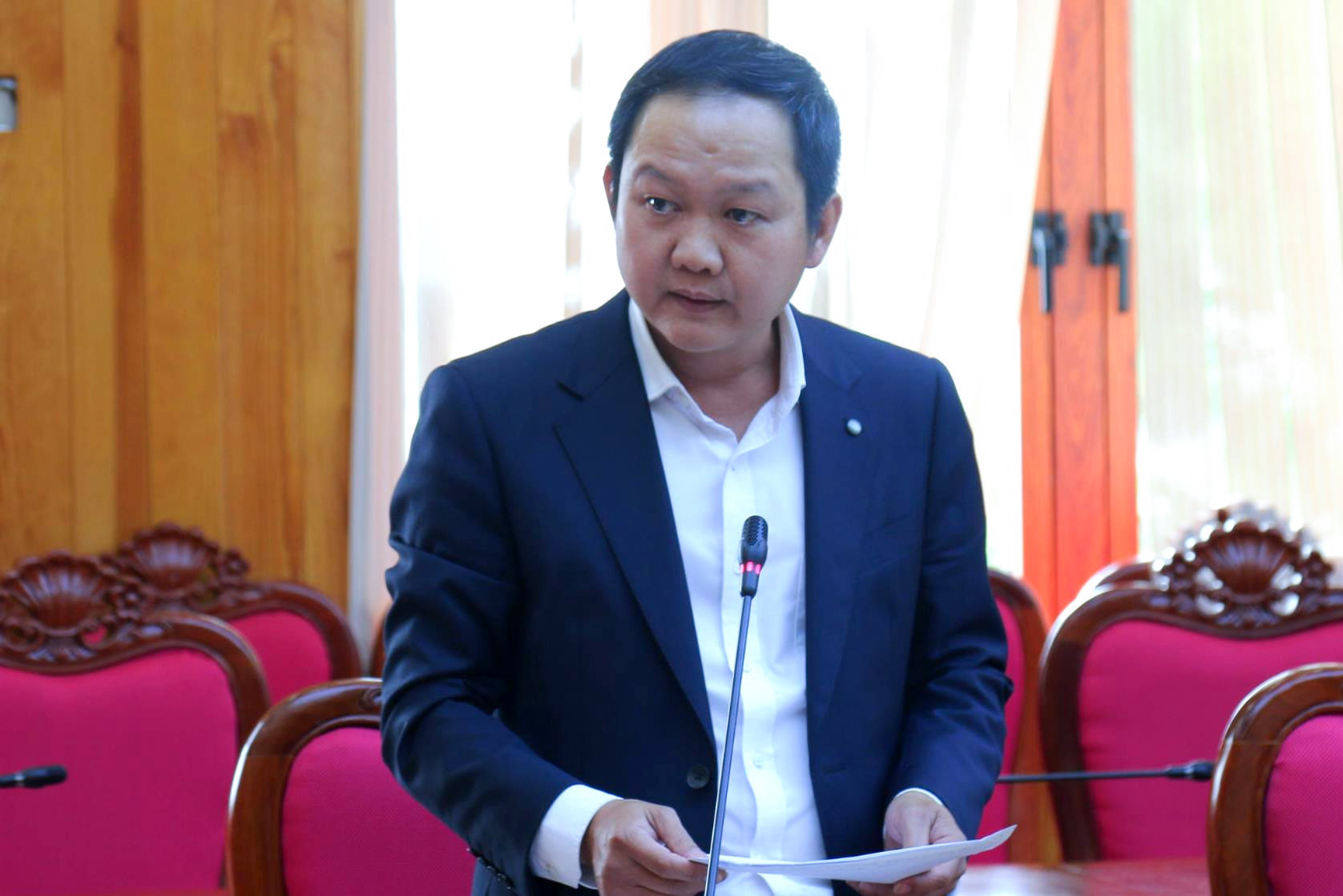
Departments urged to maximize performance
Concluding the meetings, Chairman Ho Van Muoi stressed that the effectiveness of specialized departments would play a decisive role in achieving Lam Dong's socio-economic development goals. Only when each department fulfills its responsibilities efficiently can the province successfully accomplish its overall objectives.
He emphasized that achieving the province's target of double-digit GRDP growth presents significant challenges and requires strong unity, determination and a sense of responsibility among all departments and localities.
.jpeg)
Every department and agency must be fully committed to completing each assigned task. More than ever, the provincial leadership needs flexibility, initiative and proactive solutions from every sector in achieving the province's development targets. We must remain united, support one another and strive to deliver the highest possible results.
Chairman of the Provincial People's Committee Ho Van Muoi
Regarding the Department of Finance, Chairman Ho Van Muoi commended its prompt personnel restructuring based on competence and job suitability. He instructed the department to continue reviewing staffing needs and propose timely adjustments to address personnel shortages or weaknesses.

For the 2026 state budget, the department was directed to maintain flexible and proactive fiscal management while placing greater emphasis on increasing land-related revenues.
The Department of Finance was also instructed to accelerate the review of bottlenecks, promote auctions and leasing of public assets to generate additional revenue, while ensuring lawful, efficient and flexible budget expenditures.
Regarding public investment disbursement, the department was asked to work closely with relevant agencies to clarify the responsibilities for each investor and implementing unit. It was also instructed to classify non-budget-funded investment projects and prioritize solutions for projects facing prolonged obstacles.
.jpeg)
For the Department of Construction, the provincial chairman requested the agency to become a model in fulfilling development targets and to serve as an example for other departments. He urged the department to strengthen internal solidarity and encourage officials and civil servants to achieve the highest possible performance.
.jpeg)
The department was also tasked with taking the lead in removing obstacles affecting investment projects and businesses, particularly non-budget-funded projects involving planning and construction procedures.
Priority was given to accelerating social housing projects and improving the organization of housing management boards based on merit, professionalism and impartiality.
In addition, the Department of Construction was instructed to identify transport routes and areas at high risk of landslides during the rainy season, enabling authorities to prepare timely response plans and activate emergency measures when necessary.
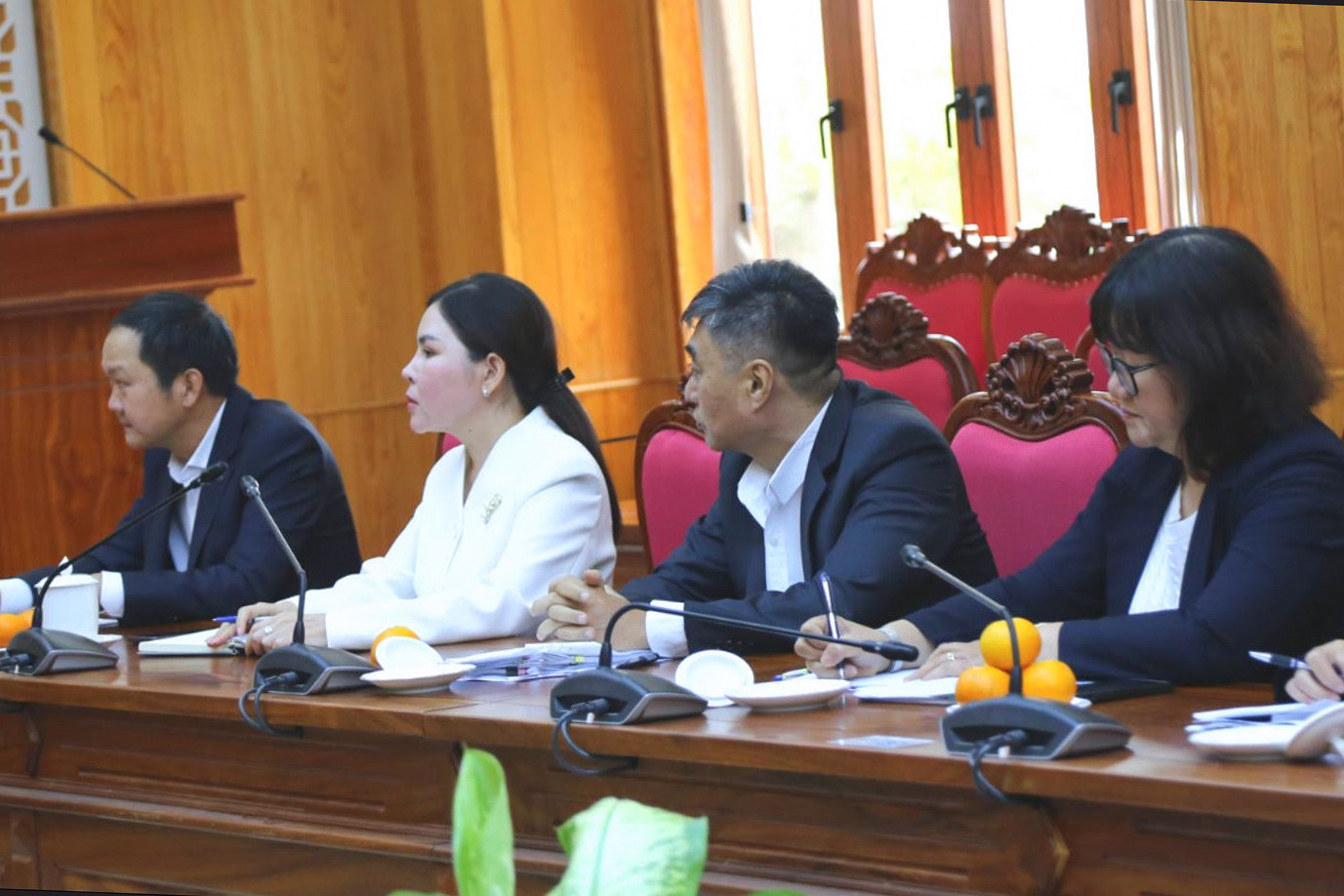
For the Department of Justice, Chairman Ho Van Muoi requested a comprehensive review of all specialized divisions and instructed the department to advise the provincial government on supplementing staffing where necessary, ensuring the right people are assigned to the right positions.
The department was also directed to compile and assess the entire inventory of legal documents requiring review, clearly identifying those that should be retained, amended or repealed, while assigning responsibility to each department, agency and locality to prevent delays and administrative backlogs.