


Lam Dong classifies and resolves bottlenecks for 15 non-budget investment projects
Working Group No. 5, established under Decision No. 1896/QD-UBND dated April 29, 2026, by the People’s Committee of Lam Dong province, has been tasked with reviewing and resolving bottlenecks for 15 non- budget investment projects across the province.
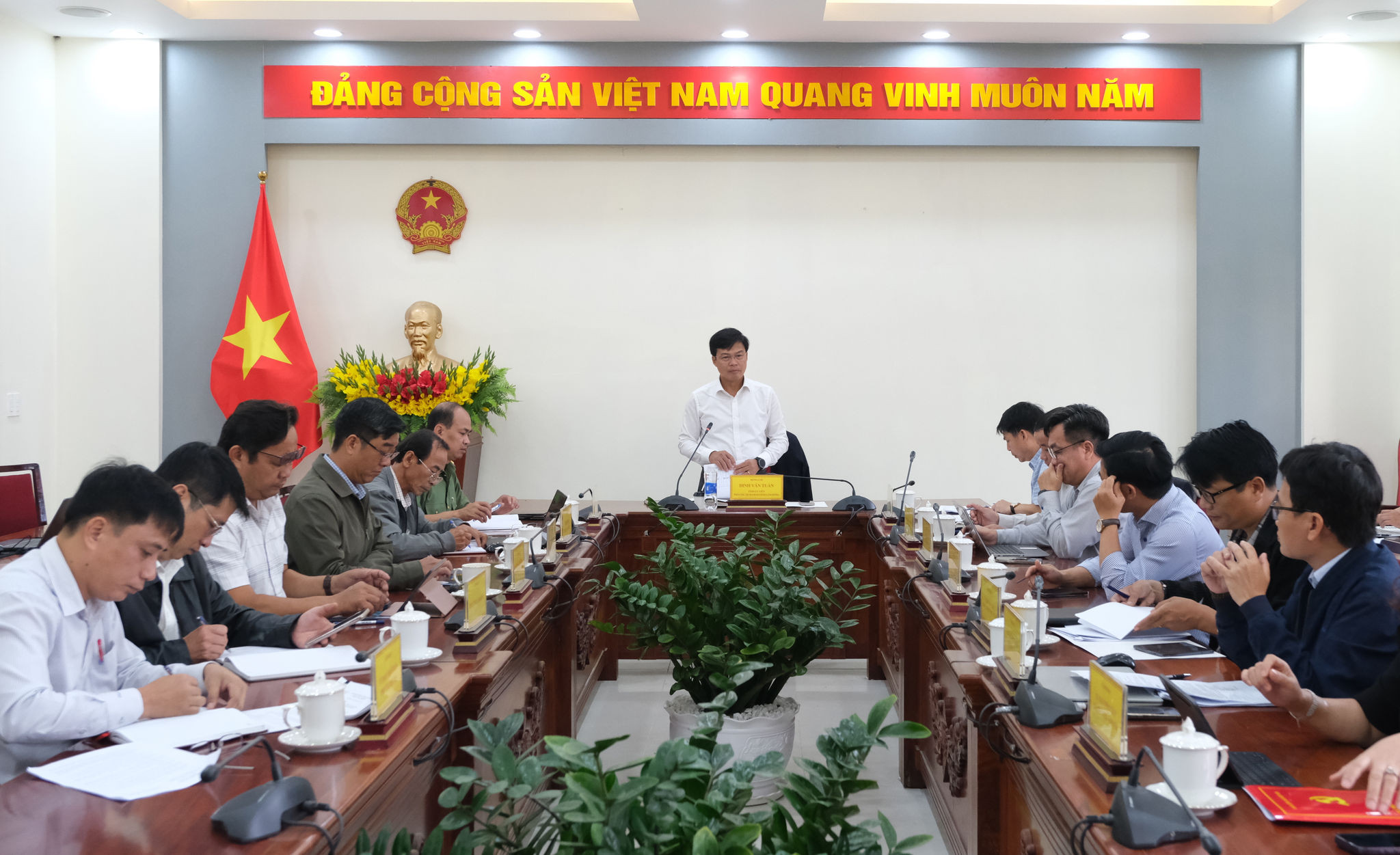
Most of 15 Reviewed Projects Fall Under Local Jurisdiction
According to official reports, 10 projects face single-issue obstructions, while five others are grappling with multiple overlapping complications. This classification serves as a strategic roadmap for the working group to assign specific responsibilities to relevant departments and sectors.
In a significant breakdown of jurisdiction, the committee identified that 14 of the projects fall under the direct authority of the provincial government, while one project requires intervention and guidance from central authorities. Notably, one provincial-level project is currently subject to inspection under the Lam Dong Inspectorate’s Plan No. 64/KH-TTr, dated May 4, 2026.
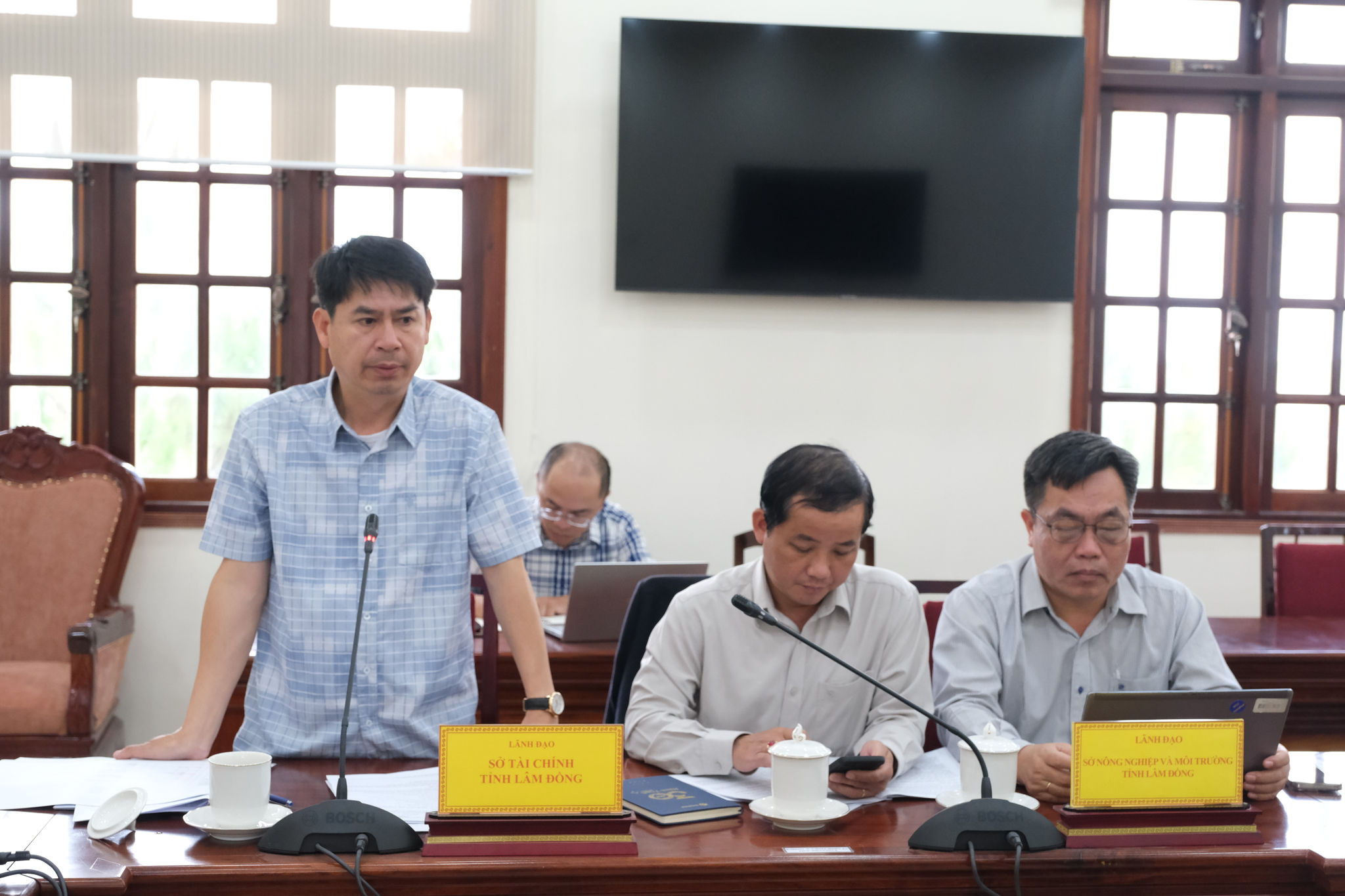
The bottlenecks primarily involve land-use procedures, compensation and site clearance, urban planning, financial obligations, and investment formalities that have emerged during implementation.
While several projects have seen initial progress, further efforts are required to finalize documentation. Key priorities include clearly defining the responsibilities of lead agencies, setting strict deadlines for advisory submissions, and establishing definitive resolutions for each case.
Direct Accountability to Avoid Delays
During the session, provincial departments proposed specific solutions for each project group. For the single project under central jurisdiction, Working Group No. 5 recommended complying with national directives once official guidance is issued.
The Department of Finance has been tasked with coordinating with relevant agencies to expedite these recommendations, aiming for a resolution within the second quarter of 2026.
Regarding the project under inspection, the provincial leadership opted to wait for the final inspection conclusions to ensure legal compliance and objectivity, avoiding any conflict between administrative facilitation and regulatory oversight.
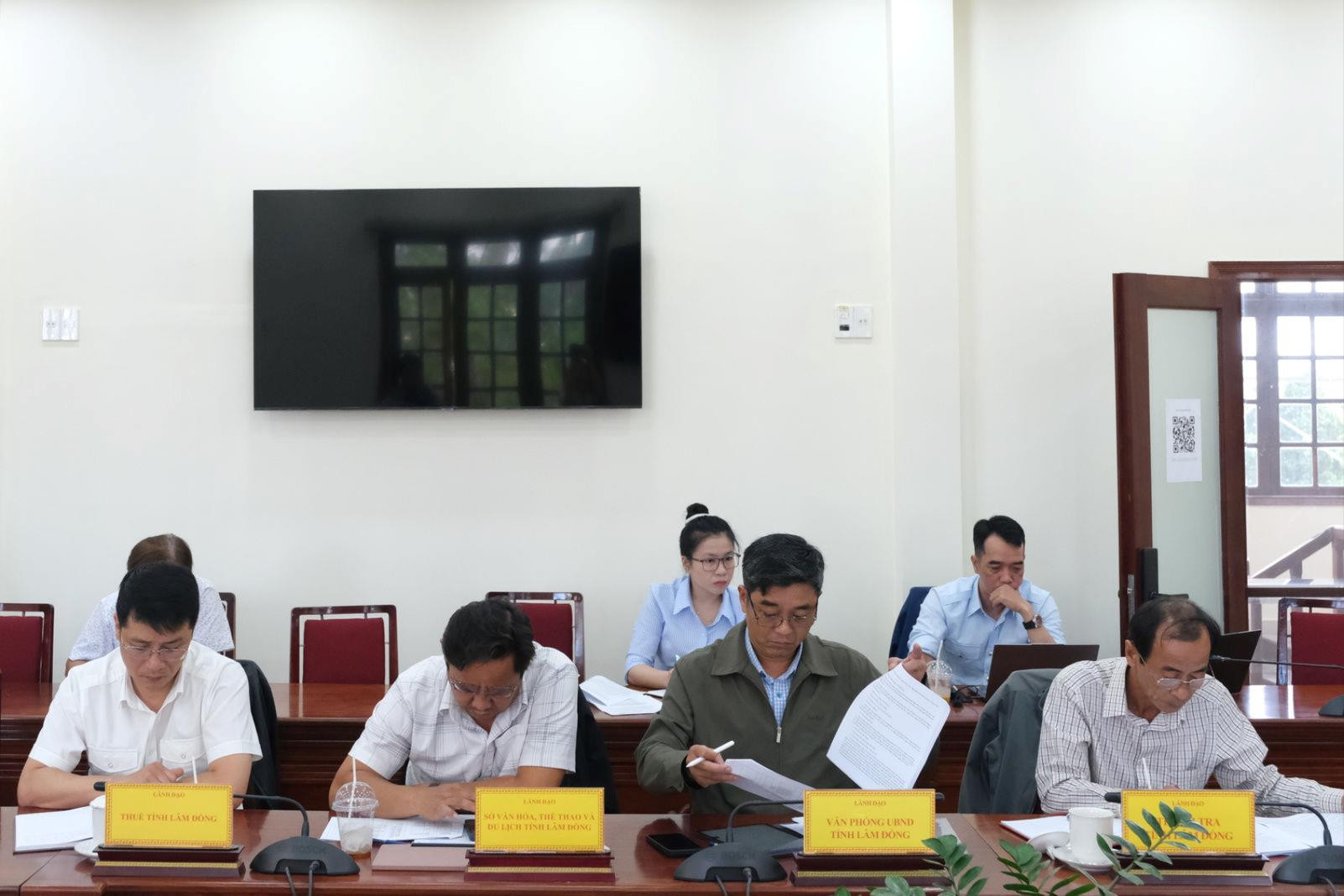
For the remaining 13 projects, following the classification and designation of lead agencies under Decision No. 1896/QD-UBND, assigned units have been proposed to build upon current progress to finalize comprehensive reports for the Working Group’s review and resolution.
The specific breakdown of project oversight is as follows: Department of Culture, Sports and Tourism: 1 project, Department of Finance: 1 project, Department of Construction: 2 projects, Provincial Tax Authority: 1 project, Department of Agriculture and Environment: 8 projects.
The group of projects managed by the Department of Agriculture and Environment represents the largest share of the workload, with primary complications identified in compensation and site clearance operations.
Officials have designated this portfolio as a priority requiring intensified coordination among specialized departments, local authorities, and investors. The collaborative effort aims to rigorously verify land origins, finalize compensation schemes, and accelerate both site clearance progress and land-related legal procedures.
Presiding over the session, Vice Chairman of the Provincial People’s Committee Dinh Van Tuan issued a directive requiring departments, sectors, and local authorities to strictly adhere to their assigned tasks.
He emphasized that the resolution of each project must be executed under a framework of "clear tasks, clear personnel, clear accountability, and clear deadlines".
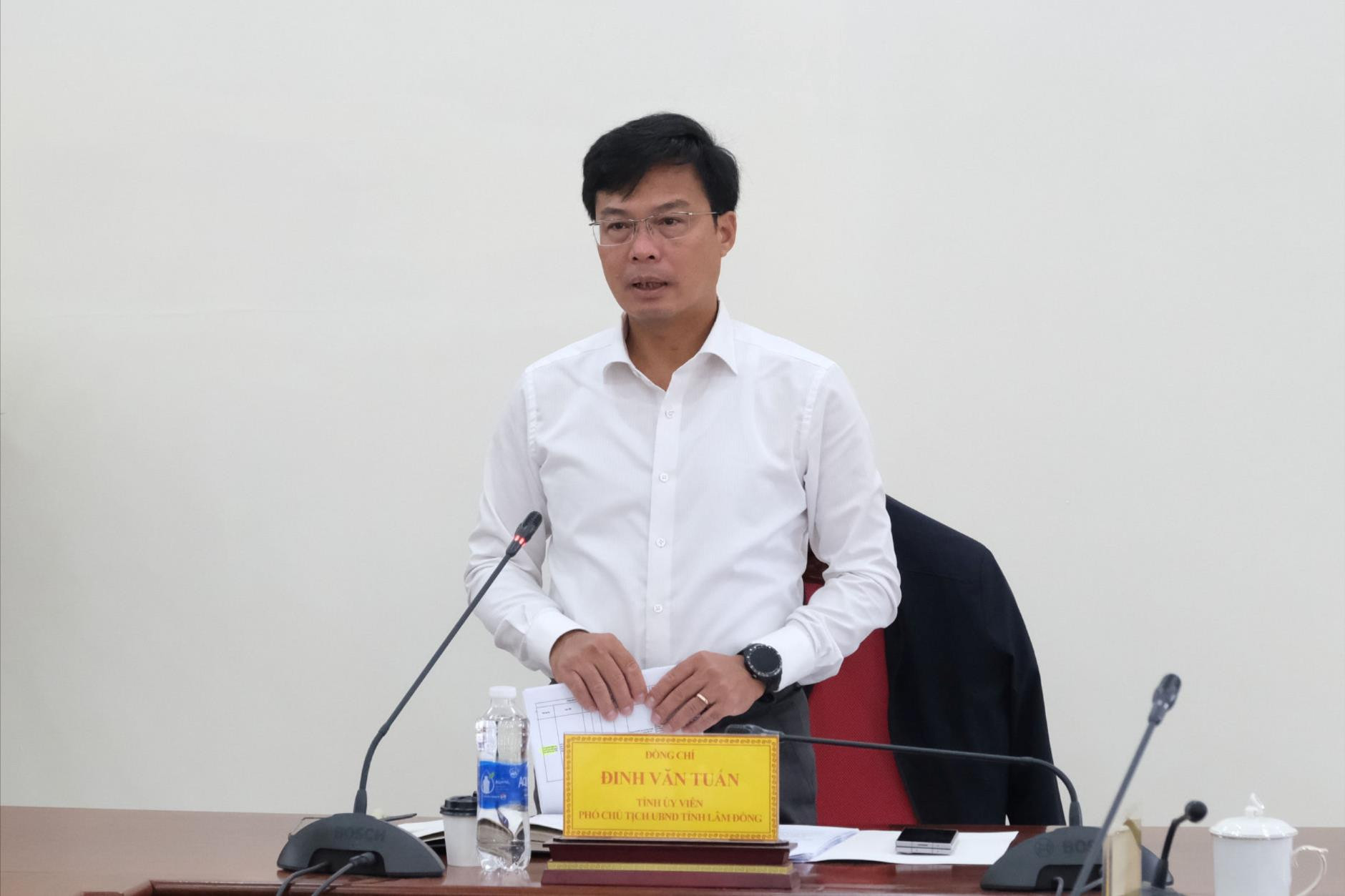
Dinh Van Tuan, Vice Chairman of the Lam Dong Provincial People's Committee, delivers key directives, emphasizing administrative accountability and inter-agency coordination
Vice Chairman Dinh Van Tuan stressed that agencies must move beyond general reporting. He instructed that authorities provide detailed clarity on the specific bottlenecks facing each project, explicitly identifying which issues have been resolved and which remain outstanding.
Furthermore, reports must identify the competent authority responsible for each unresolved bottleneck and set a clear timeline for completion.
Resolving bottlenecks for non-budget investment projects is a critical priority to unlock social resources, enhance the regional investment climate, and accelerate project implementation, according to a top provincial official.
Dinh Van Tuan, Member of the Provincial Party Committee and Vice Chairman of the Lam Dong Provincial People's Committee
The provincial leadership has directed Working Group No. 5 to maintain a rigorous synthesis of the resolution process and provide continuous progress updates for each project. Furthermore, the group is tasked with delivering timely reports to the Provincial People’s Committee regarding any issues that exceed its current jurisdiction.
For projects falling under local jurisdiction, designated lead agencies have been ordered to urgently finalize reports and propose specific solutions to clear bottlenecks. Leadership has mandated that all processing must be completed within the second quarter of 2026 to ensure project timelines remain on track.