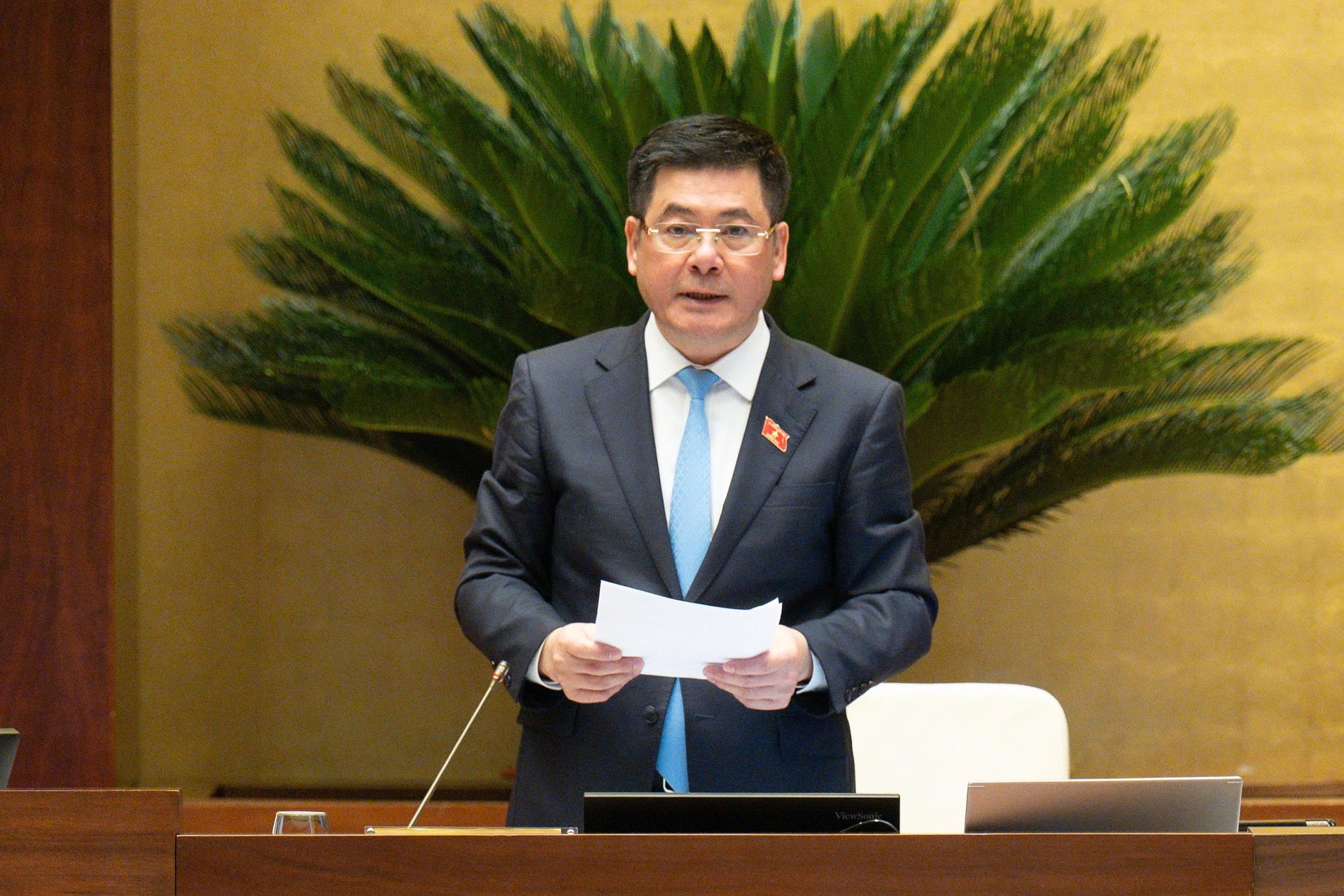


Lam Dong Deputies Propose Measures to Refine Judicial and Foreign Affairs Institutions
Delegates of the National Assembly (NA) from Lam Dong Province have put forward a range of concrete and feasible solutions aimed at improving mechanisms for preventing international investment disputes and enhancing the effectiveness of foreign affairs activities amid deepening global integration.
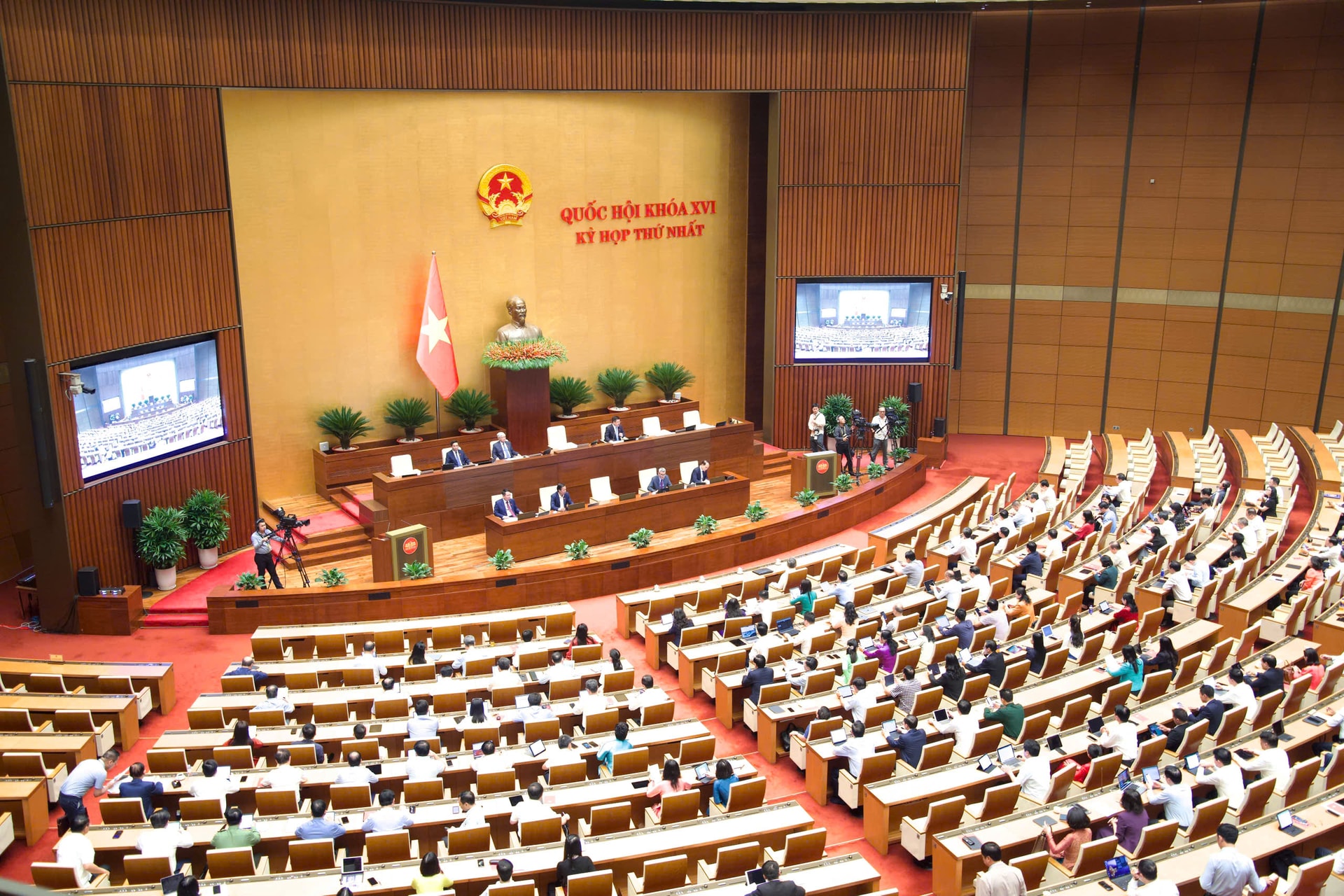
Continuing the agenda of the 1st Session of the 16th National Assembly, the NA held a plenary discussion on the afternoon of April 11 on a draft Resolution on coordination mechanisms and special policies for the prevention and settlement of international investment disputes, as well as a draft Law amending and supplementing several articles of the Law on Vietnamese representative missions abroad. NA Vice Chairman Nguyen Hong Dien chaired the session.
Strengthening Accountability in Preventing Investment Disputes
Commenting on the draft Resolution, delegate Duong Khac Mai from Lam Dong Province expressed strong support for the draft, emphasizing its necessity.
He emphasized that, in the context of increasingly deep international economic integration, refining the legal framework is essential not only to safeguard national interests but also to build a transparent and stable investment environment that strengthens foreign investor confidence. However, to ensure the Resolution is effectively implemented, he stressed the need for greater specificity, clearer accountability, and stronger practicality.
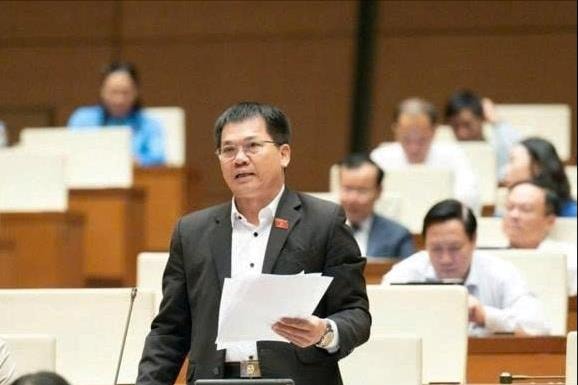
Regarding coordination in dispute prevention, Mai pointed out that the draft remains largely principle-based and lacks sufficient clarity for effective implementation. He proposed clearly identifying the lead agency responsible for policy advisory, as well as designing a detailed inter-agency coordination process, particularly during negotiations, the signing of international commitments, and the handling of emerging issues.
Notably, he highlighted the need to establish a feedback mechanism for investors, with clearly defined timelines for handling complaints and recommendations to ensure transparency and accountability.
If not clearly regulated, the prevention mechanism will be difficult to implement effectively in practice.
Delegate Duong Khac Mai, Deputy Head of the Lam Dong NA
Delegation
On responsibilities in policy advisory and investment attraction, Mai noted that general references to “agencies and organizations” are insufficient and could lead to ambiguity in accountability when disputes arise. He therefore called for clearer delineation of roles among ministries and sectoral management bodies.
He also proposed early preventive measures such as legal risk assessments before investment licenses are granted, pre-contract review mechanisms and greater transparency in administrative procedures to help prevent disputes from the outset.
Regarding the designation of lead agencies in dispute settlement, Mai observed that international investment disputes often involve multiple entities. Therefore, relying solely on the criterion of “challenged measures” may be impractical. He recommended adding prioritized criteria to ensure flexibility and proactive handling.
On coordination responsibilities, he stressed the need for stronger binding provisions, including specific timelines for information provision, legal accountability, and monitoring and sanction mechanisms. Concerning policies for personnel involved, he suggested clarifying the basis for allowances, eligibility conditions, and funding sources, while ensuring safeguards against abuse and encouraging proactive, innovative performance.
Expanding Policy Scope to Enhance Foreign Affairs
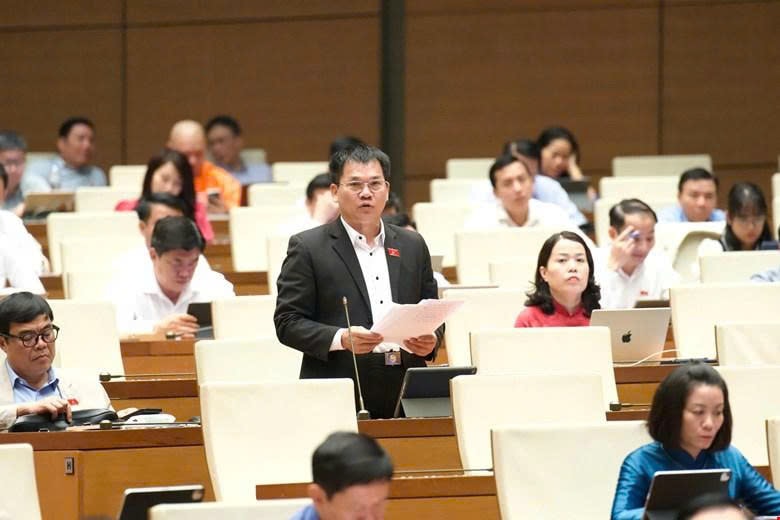
Regarding the draft amendments to the Law on Vietnamese representative missions abroad, Lam Dong NA delegates continued to offer substantive recommendations focused on legal reform and improving the effectiveness of foreign affairs activities.
Delegate Duong Khac Mai underscored that revising the law is necessary to institutionalize policies on comprehensive international integration and to meet requirements for streamlining and improving the efficiency of the organizational apparatus. However, he suggested further refinement toward a more open, flexible, and practical framework.
He proposed a comprehensive review of the regulatory scope to cover all types of representative missions, including new models such as concurrent missions covering multiple countries and specialized units for promoting investment, trade, and science and technology.
Regarding the role of representative missions in national development, Mai emphasized the need to strengthen their function as connectors between localities, businesses, and overseas Vietnamese communities—an important resource for development. He also noted the reality that many missions operate with limited staffing while handling heavy workloads, stressing that expanded functions must be matched with adequate resources.
For specific provisions, he recommended shifting from a rigid listing approach to a more generalized, sector-based framework to enhance legal stability. He also highlighted the need to clarify the concept of “cooperation documents” to avoid overlaps and ensure consistency.
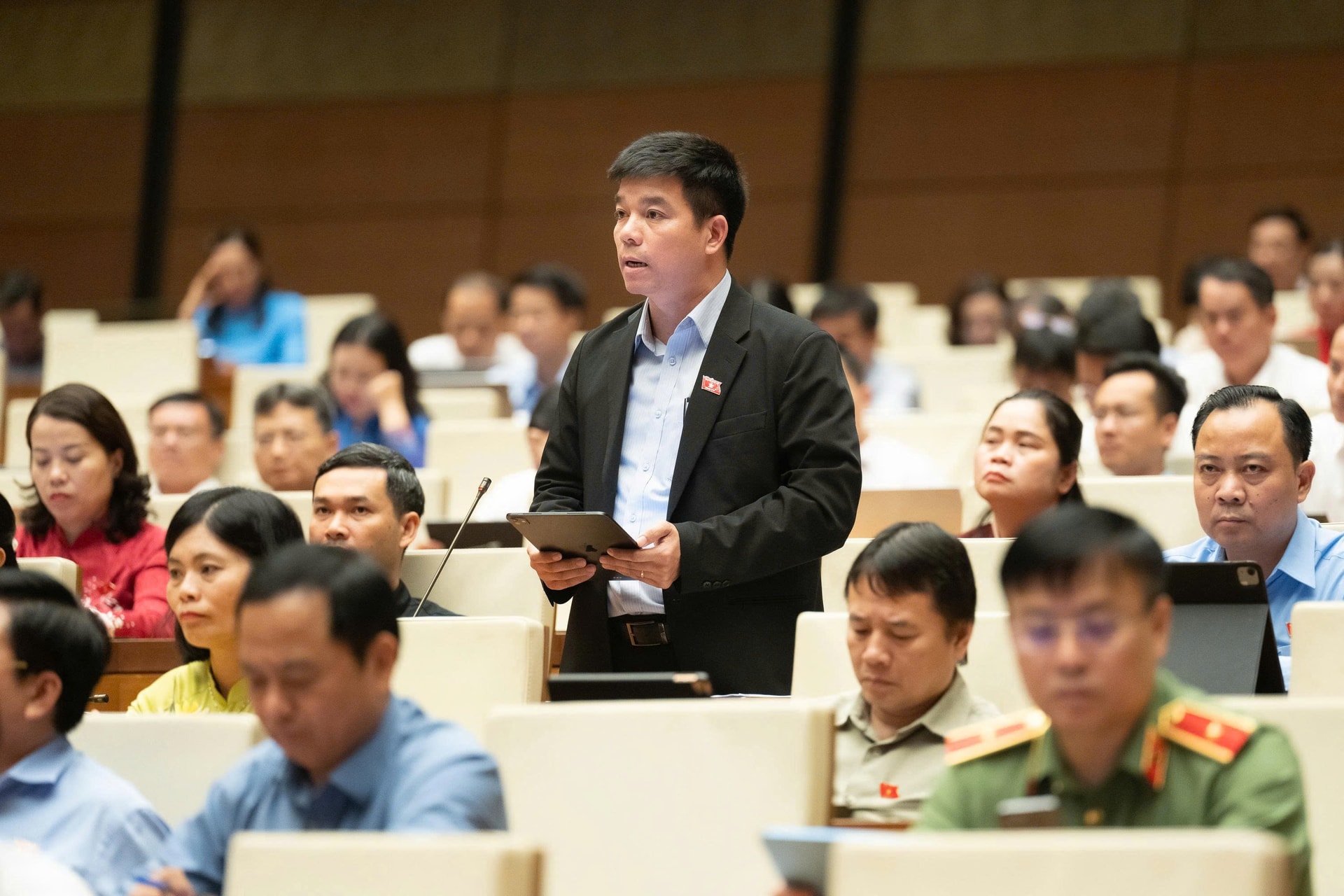
Meanwhile, delegate Nguyen Van Ngoc, Vice Rector of Da Lat University, contributed forward-looking perspectives. He proposed clearly defining the maximum extension period for ambassadorial terms to ensure regulatory rigor, along with mechanisms for reporting to the National Assembly to strengthen oversight.
Significantly, regarding ambassadorial appointments, Ngoc supported expanding eligibility to include experts and suggested introducing roles such as “Technology Ambassadors,” “Economic Ambassadors,” and “Cultural Ambassadors” to meet evolving development demands.
However, he cautioned that rigidly listing qualification criteria could become a barrier for capable experts outside the state administrative system. He therefore recommended adopting principle-based regulations, with detailed provisions assigned to the Government to ensure flexibility and transparency.
He also proposed incorporating emerging technology fields into the functions of representative missions, enabling the foreign affairs system to proactively adapt to rapid technological advancements.
Toward a More Coherent and Effective Policy Framework
With focused and substantive contributions, Lam Dong NA deputies have demonstrated strong responsibility to voters and the nation. Their proposals not only help refine draft laws and resolutions but also contribute to building a coherent, flexible, and effective policy system aligned with the demands of international integration and sustainable development in the new era.