

Lam Dong Enhances the Effectiveness of Support for OCOP Product Development
With 853 valid OCOP-certified products, Lam Dong is focusing on improving production support, strengthening branding and expanding market access to promote rural economic development.
Supporting Product Quality and Development
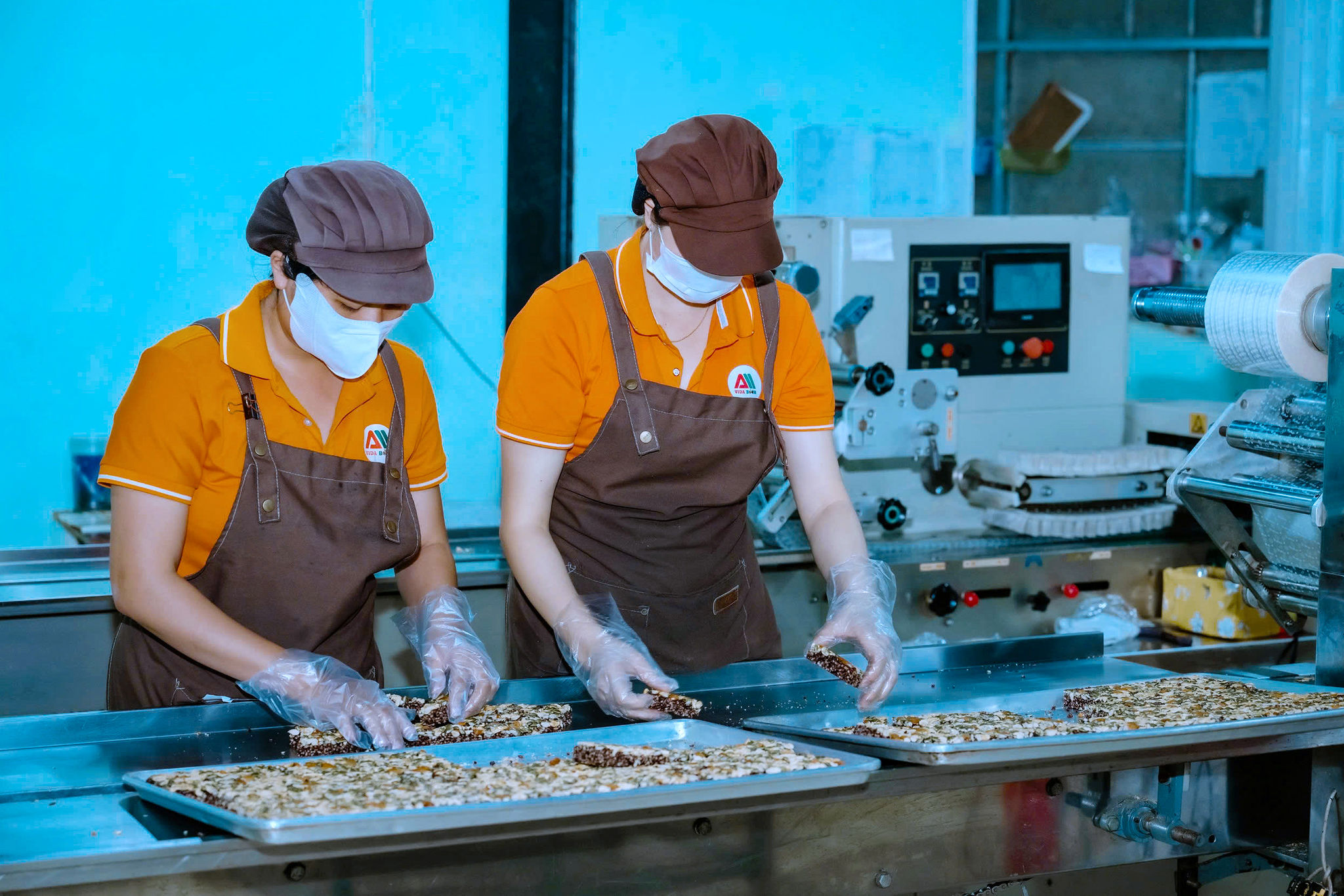
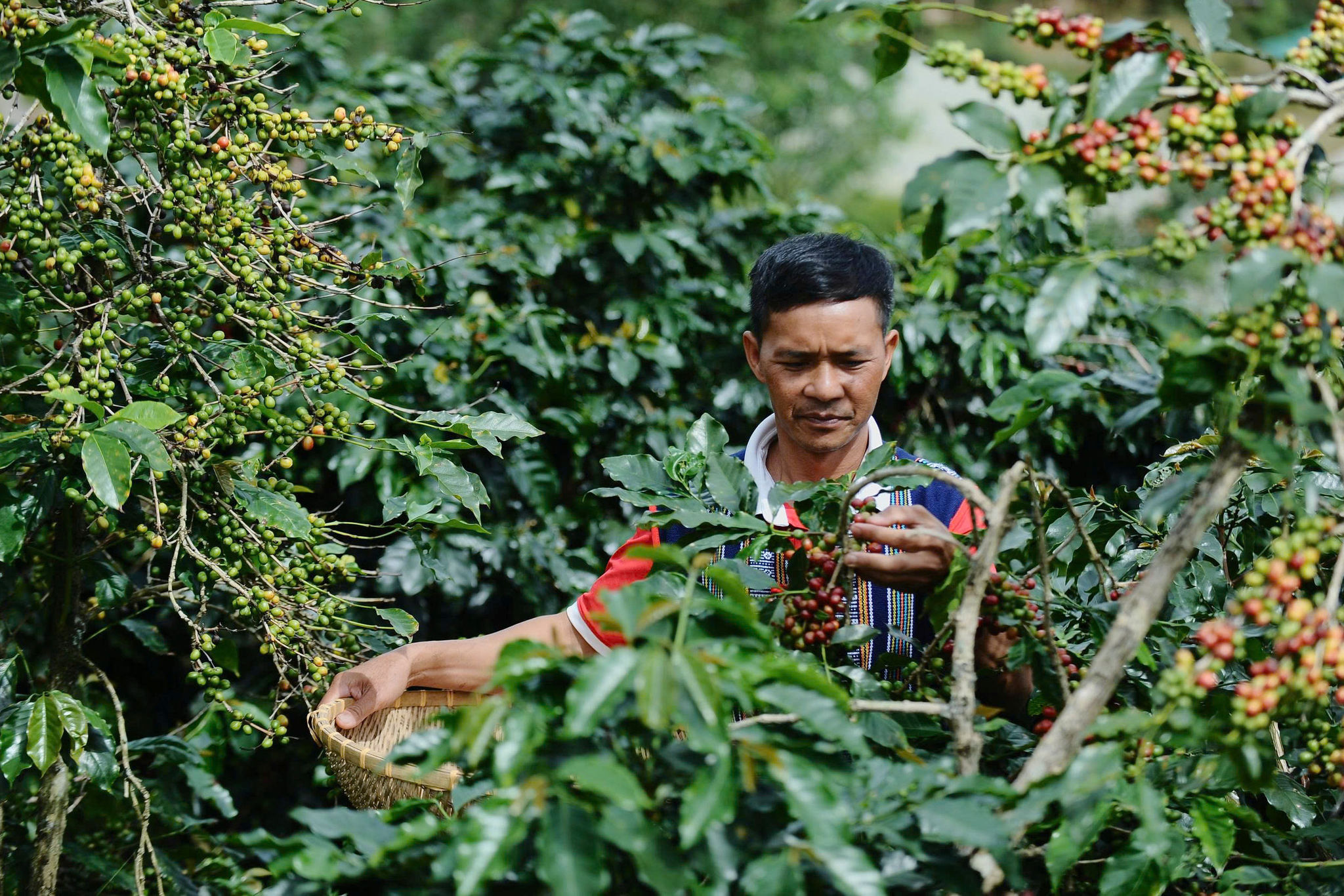
From distinctive local agricultural products, many producers in Lam Dong have gradually invested in processing, improved packaging and developed their own brands. This process has been supported by the One Commune One Product (OCOP) Program through initiatives to improve product quality, apply technology, establish traceability systems and promote trade.
According to the Department of Agriculture and Environment, during the 2021–2025 period, OCOP support activities covered a wide range of areas, from meeting product standards to strengthening production and business capacity. Specifically, the program provided QR-code traceability labels for 215 products, packaging support for 65 participating entities, and machinery and equipment for 24 entities.
Support was also provided for brand development and trademark registration, as well as quality management certification, helping production establishments gradually improve their products.
Alongside direct assistance, training and capacity-building activities received considerable attention. During this period, the Department of Agriculture and Environment organized 17 training courses with 867 attendances, while local authorities held 22 courses with approximately 1,000 attendances. The training focused on product development, production and business management, branding, trade promotion, and the preparation of dossiers for OCOP product evaluation and classification.
These activities have enabled participating entities to access knowledge, improve their products and strengthen production capacity. At the same time, implementation experience has highlighted the need to shift the focus of support away from merely completing application dossiers toward improving product quality, added value and competitiveness.
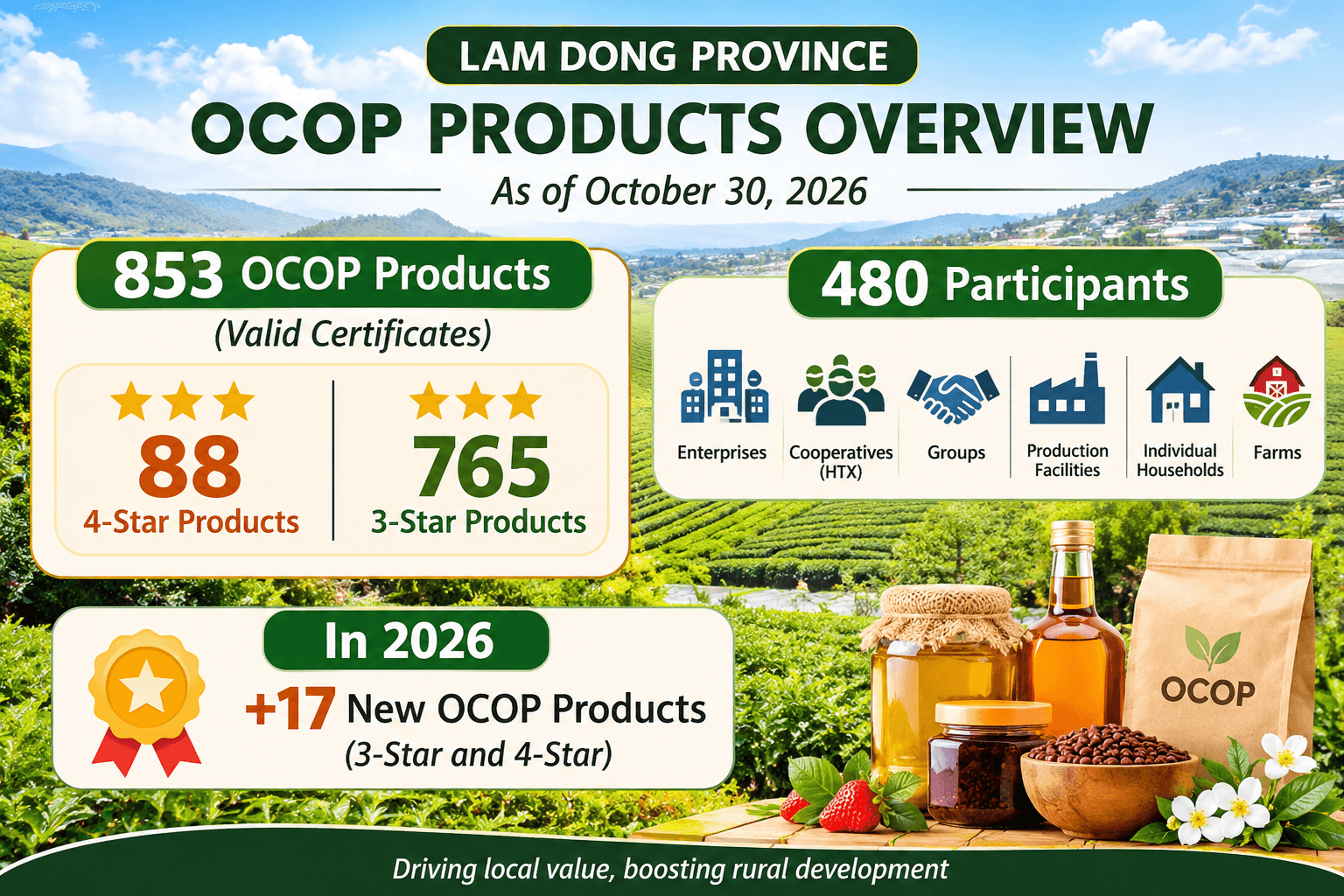
As of the end of October 2026, Lam Dong had 853 valid OCOP products involving 480 participating entities, including enterprises, cooperatives, cooperative groups, production establishments, individual households and farms. Given this scale, support measures need to be tailored to the production conditions and capabilities of each group.
In addition to developing new products, maintaining quality, improving packaging and upgrading the classification of previously recognized products are also important priorities.
The Department of Agriculture and Environment has also pointed out that OCOP product quality remains inconsistent in some areas. Certain products lack distinctive characteristics and have limited competitiveness. Support activities in some localities still focus primarily on completing application dossiers, without giving sufficient attention to product quality, branding and the management capacity of participating entities.
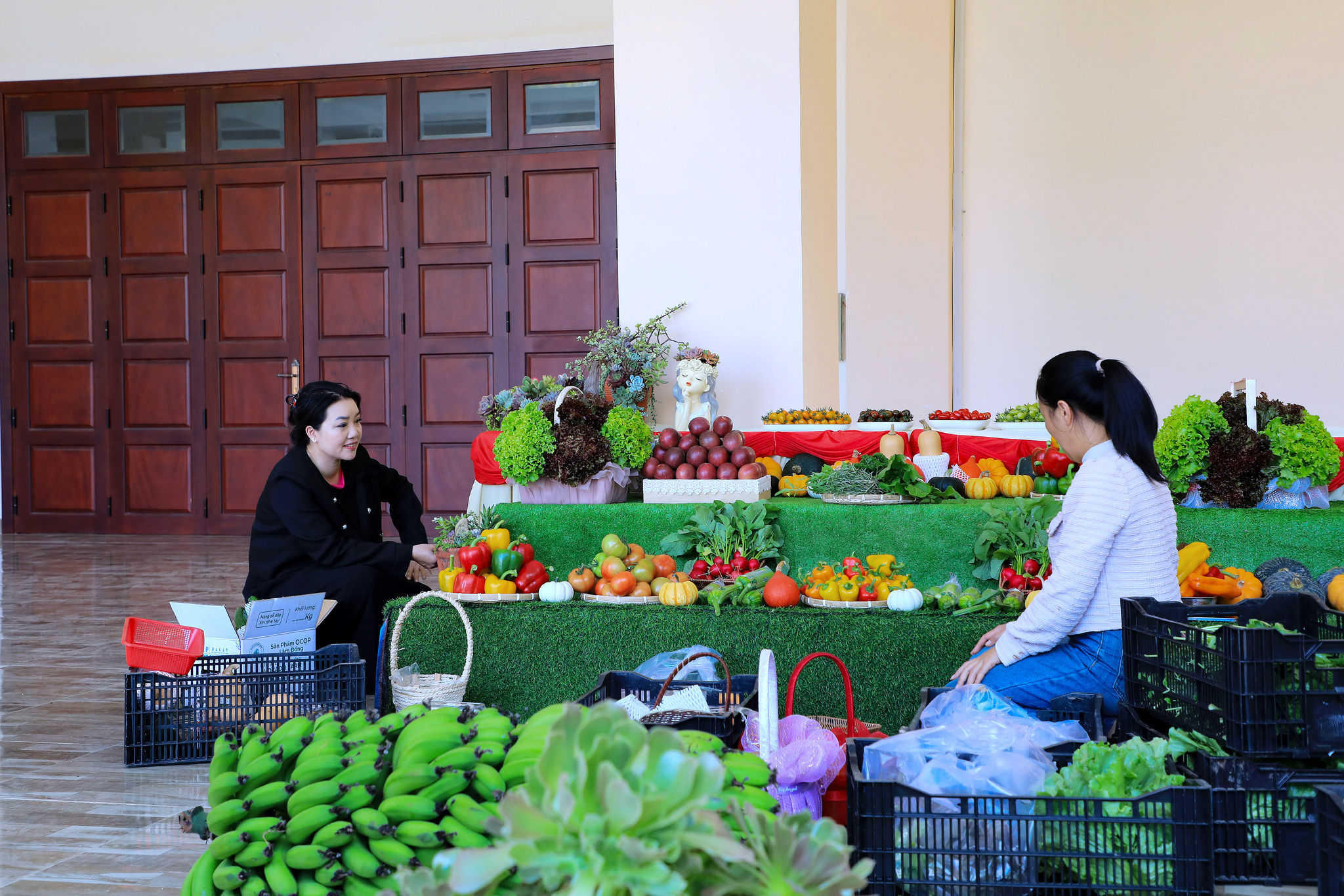
Improving Support Effectiveness to Promote Rural Economic Development
For the 2026–2030 period, Lam Dong aims to develop OCOP products based on local advantages, raw material areas, rural industries and value chains. Producers are identified as the central driving force, while the State plays a guiding role by providing policy support, science and technology assistance, training and market development.
Under the 2026 plan, the province aims to evaluate and classify 40–50 new OCOP products, while reassessing and upgrading another 40–50 products whose certification validity has expired. Lam Dong also plans to support entities with promising products in participating in the national-level OCOP evaluation and classification process.
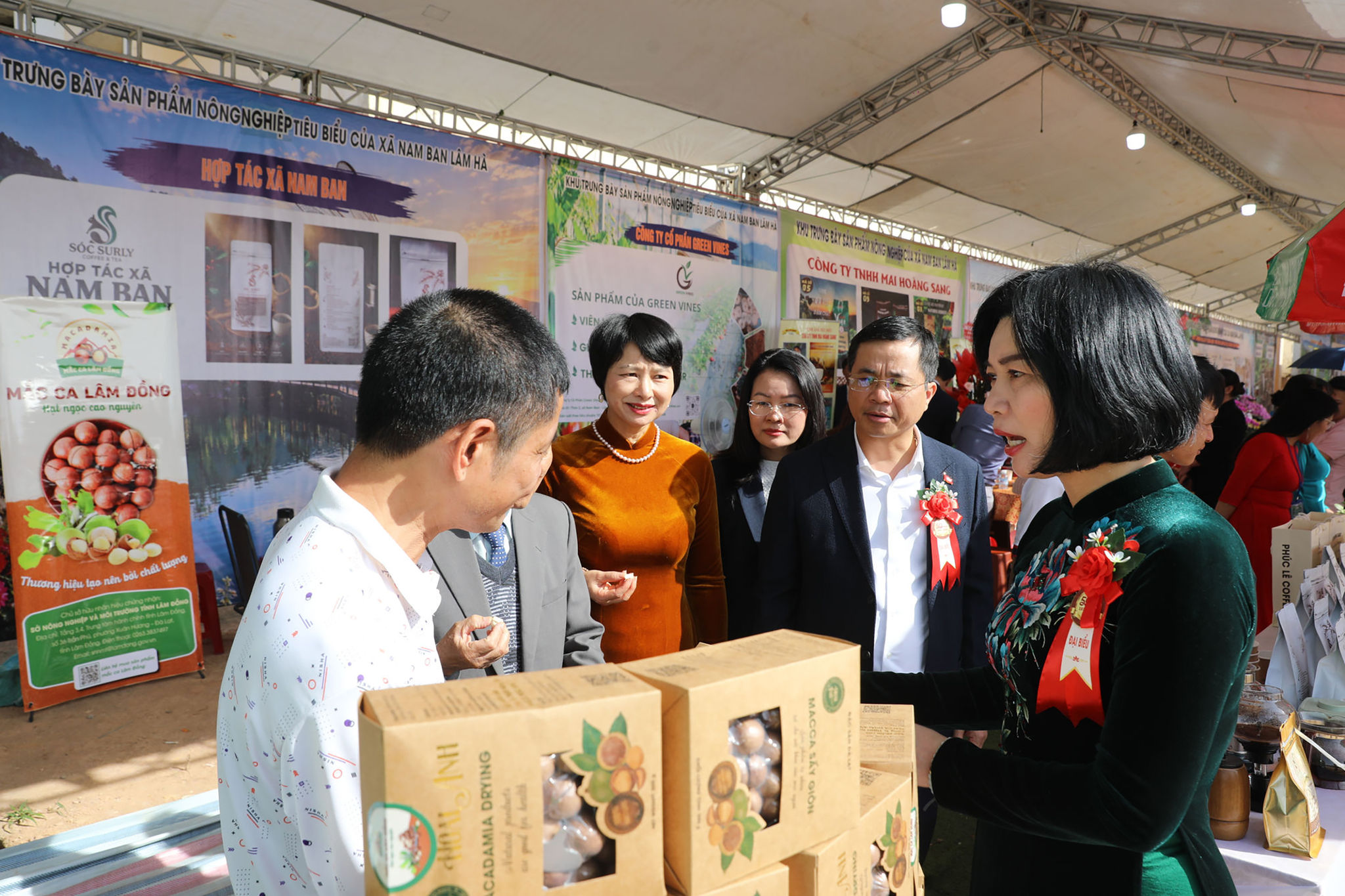
To achieve these targets, the province is prioritizing products with clear competitive advantages, development potential and the ability to meet market demand. Support activities will focus on the application of science and technology, improvements in processing and preservation, the completion of quality standards and the establishment of product traceability systems.
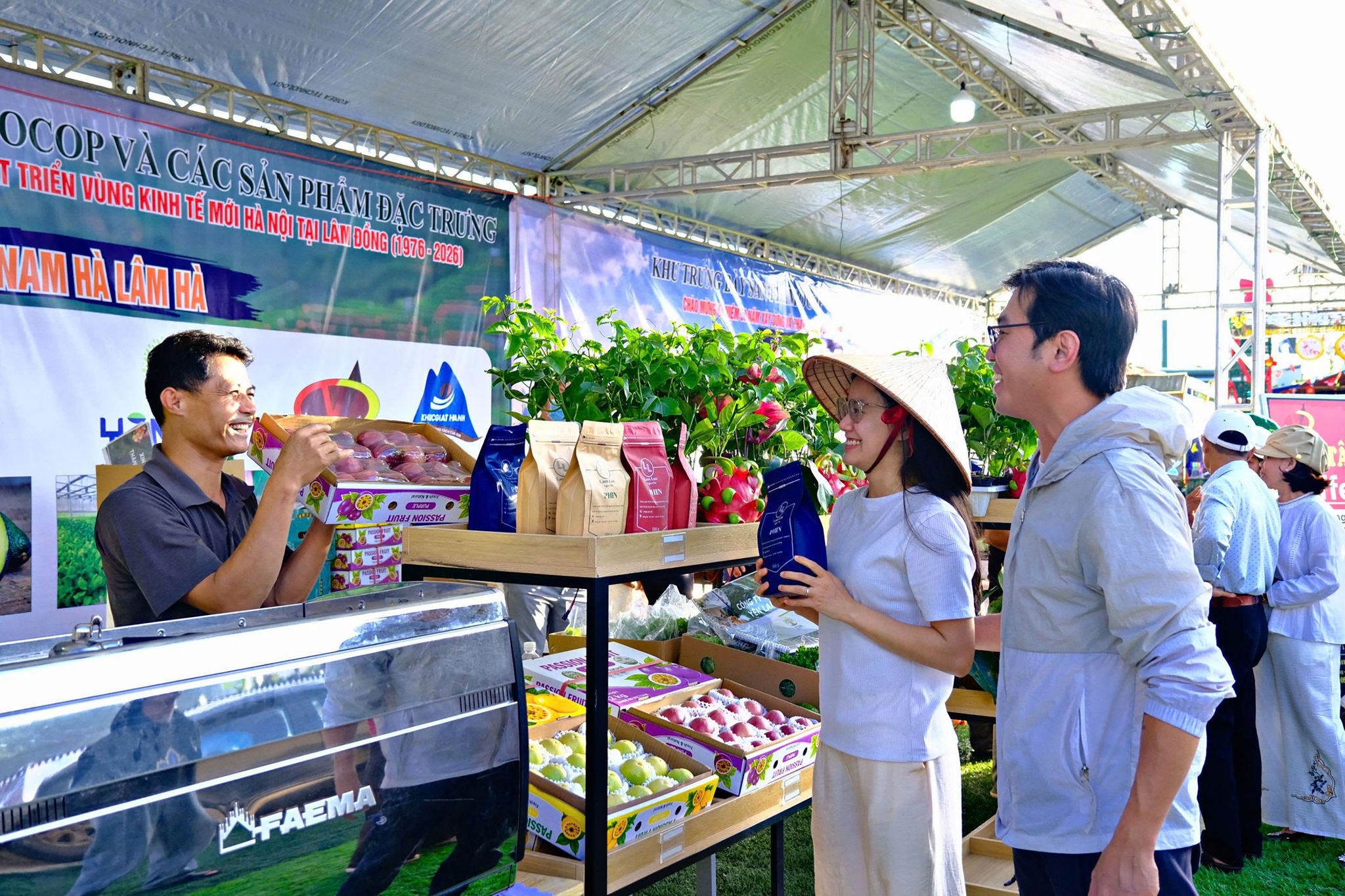
Alongside quality improvement, market expansion is another key priority of the OCOP Program. In recent years, trade promotion activities have been carried out through trade fairs, exhibitions, supply-demand connection events and product showcases. Many OCOP products are now available in supermarkets, safe agricultural product stores, product display outlets and online sales channels.
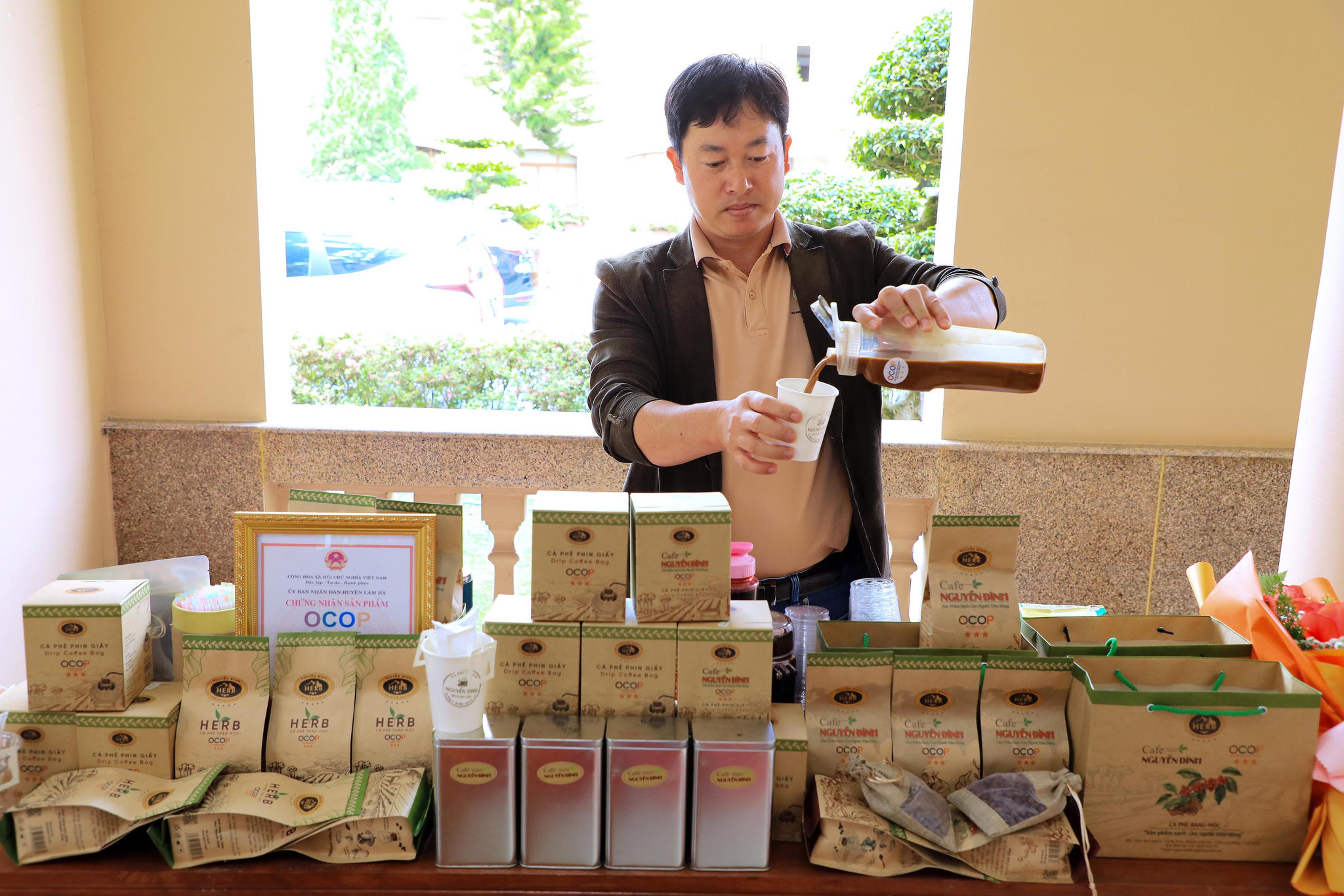
However, according to Le Quang Dan, Deputy Director of the Department of Agriculture and Environment and Standing Vice Chairman of Lam Dong's OCOP Product Evaluation and Classification Council, trade promotion activities in some areas remain fragmented and lack coordination.
Some participating entities face difficulties in accessing capital, technology and skilled personnel, as well as having limitations in management capacity. In addition, post-certification quality inspections and monitoring have not been conducted regularly in some localities, creating challenges in maintaining product quality.
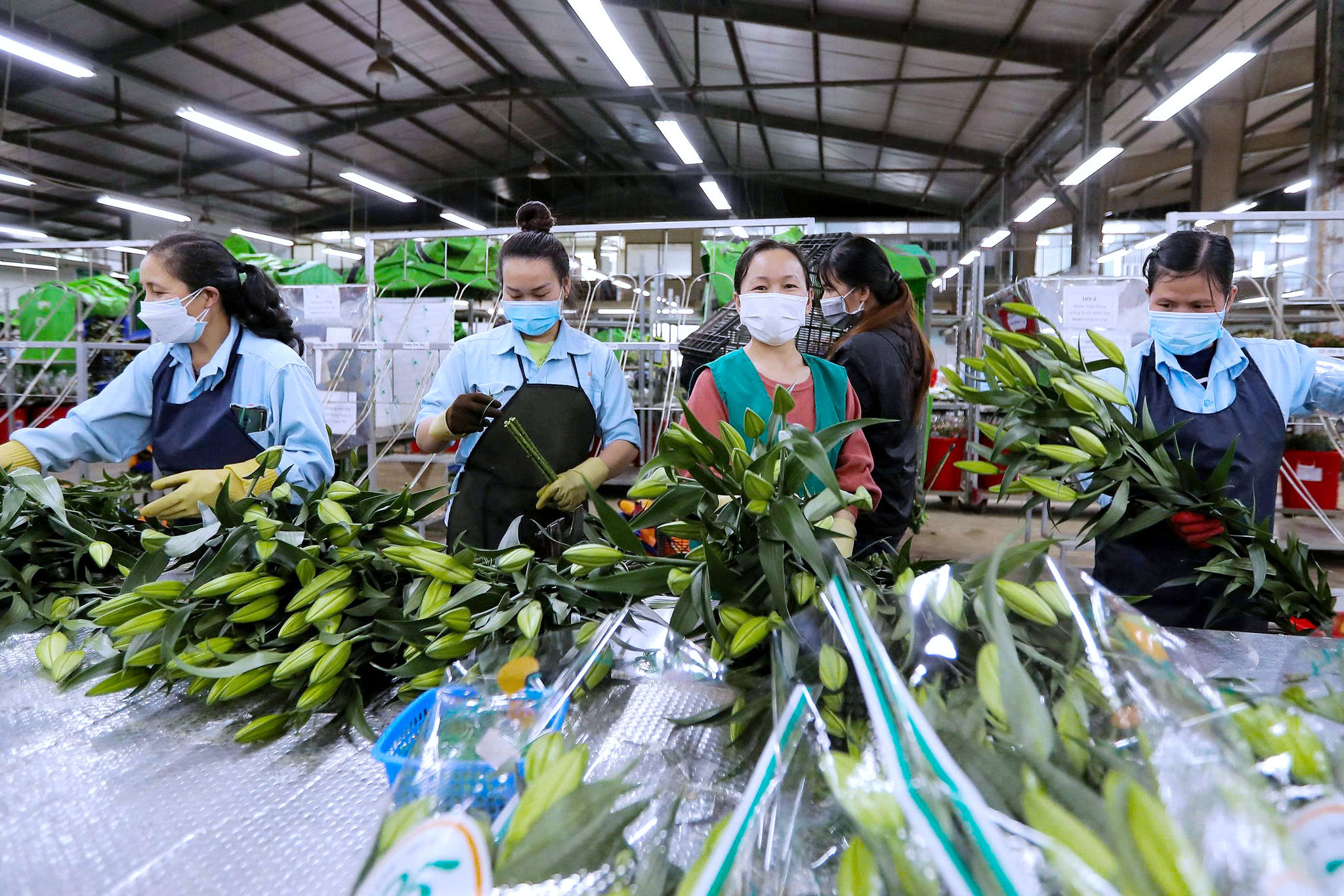
In response, Lam Dong plans to strengthen cooperation among participating entities and better integrate production with processing and consumption. Support for enterprises, cooperatives and small production establishments in joining value chains will be prioritized to maximize local resources, improve product quality and establish more stable market outlets.
E-commerce has also been identified as an important channel for expanding market access. In 2026, the province aims to list 100% of its three-star-and-above OCOP products on the provincial agricultural e-commerce platform. Other priorities include developing product introduction and retail outlets and integrating OCOP promotion activities with rural tourism.
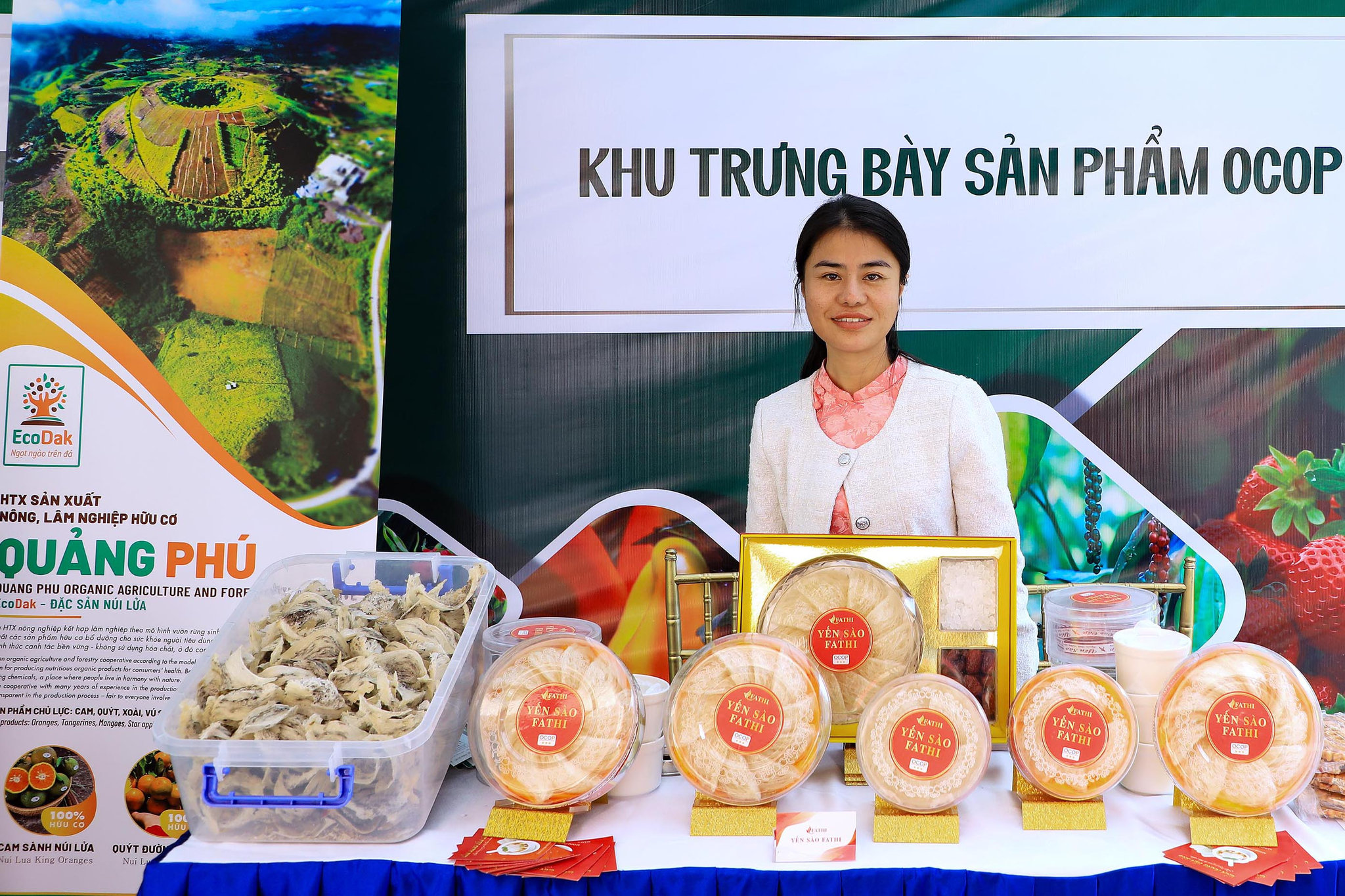
According to the Department of Agriculture and Environment's development orientation, the next phase of OCOP development will also be linked to digital transformation, green products, the preservation of traditional crafts and the promotion of local cultural values. These priorities are expected to help maximize the potential of rural production, traditional industries and services.
As part of its new-style rural development efforts, Lam Dong identifies improving the effectiveness of OCOP support as closely linked to expanding production, creating jobs and increasing local residents' incomes. Key priorities include strengthening the capabilities of participating entities, maintaining product quality and expanding distribution, thereby contributing to sustainable rural economic development.