


Lam Dong enters a new era with the spirit of April 30
More than half a century has passed, yet the Great Spring Victory of 1975 remains profoundly relevant—reminding us how a nation identified its moment, chose the right timing, and acted decisively. That same strategic clarity continues to inform today’s decisions as Vietnam advances into a new era of development.
Strategic momentum and the decisive moment
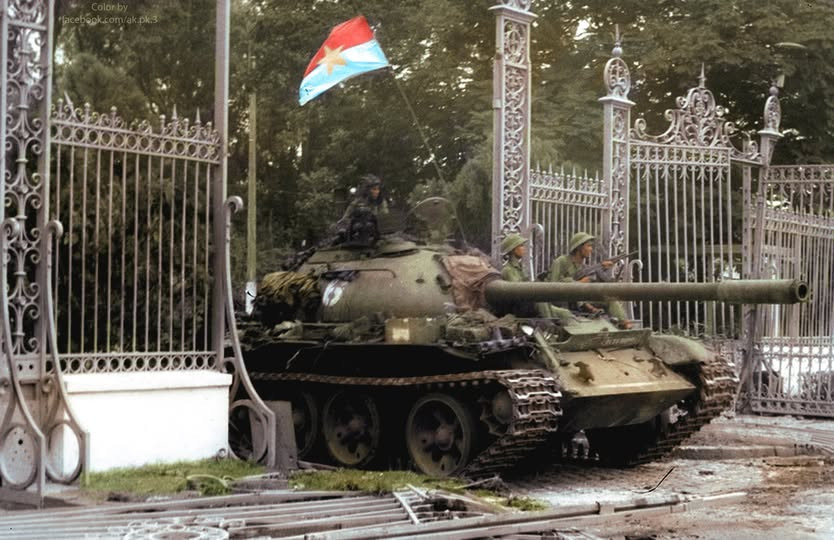
Following the 1973 Paris Peace Accords, the war did not immediately end, but the balance of power began to shift. On the battlefield, conditions increasingly favored revolutionary forces. While opposing forces maintained significant troop levels, they revealed growing weaknesses in strategy and organization. Meanwhile, Vietnam’s position strengthened steadily: the Truong Son supply route expanded, ensuring continuous logistics, and main force units were reorganized into a more professional and coordinated structure.
These developments not only created a strategic initiative but also laid the groundwork for decisive advances. In early 1975, battlefield dynamics evolved faster than anticipated. The Central Highlands Campaign delivered a strategic breakthrough, followed by the collapse of Hue and Da Nang. What had been a prolonged stalemate shifted into clear momentum.
The opportunity for a general offensive was no longer theoretical—it had become reality. The question was not whether to act, but how to act effectively to capitalize on the advantage. The Politburo’s decision in late March 1975 to launch the General Offensive and Uprising demonstrated decisive and proactive strategic leadership.
The directive “swift, bold, unexpected, and certain victory” was not only a military command but also a philosophy of seizing opportunity—rapid, resolute, and uncompromising. Within a short period, forces advanced into the heart of Saigon. At 11:30 a.m. on April 30, 1975, the revolutionary flag was raised atop the Independence Palace, ending more than two decades of war and opening a new era of independence and national reunification.
From historical victory to development momentum
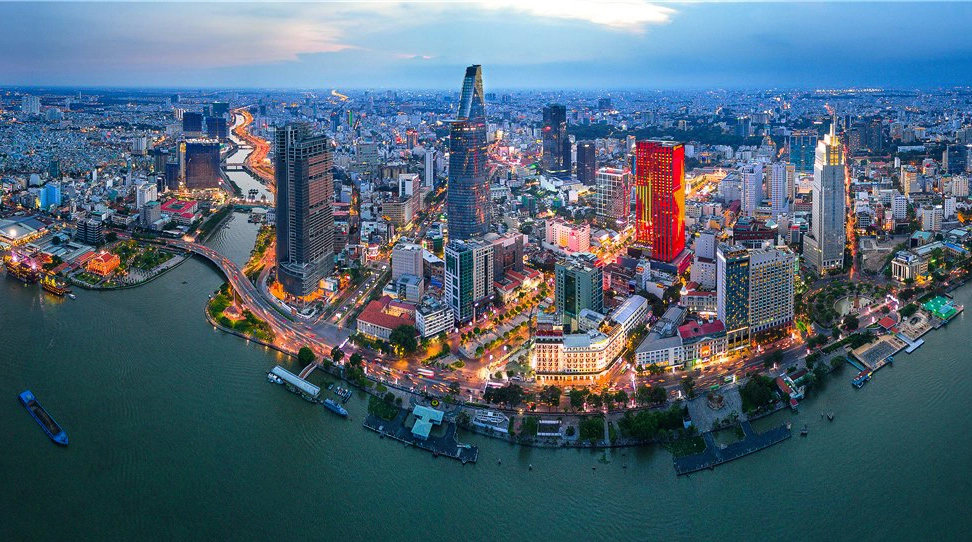
In the post-liberation period, Vietnam entered a new development phase marked by both opportunities and challenges. Rapid global changes have raised demands for sustainable growth, self-reliance, and deeper integration. This requires not only maintaining growth momentum but also improving the quality, stability, and long-term resilience.
The spirit of April 30 should therefore be understood as a form of strategic capital—capable of being transformed into a driving force for development. Its enduring value lies not merely in historical significance but in its ability to guide contemporary thinking and action.
The spirit of independence and self-reliance that once secured victory in war must now evolve into development autonomy—the ability to adapt flexibly, integrate proactively, and maintain strategic direction. National unity continues to serve as a foundational strength. When public trust is strengthened and social consensus deepened, resources can be mobilized more effectively, enabling policies to deliver tangible results.
Decisiveness, once demonstrated in historic moments, must now manifest in timely policy decisions. Opportunities, if missed, quickly disappear. Delays can erode competitive advantages in an increasingly integrated global environment. In this context, the significance of April 30 becomes even more relevant in today’s reform and development process.
Lam Dong’s trajectory in the new era

Within this broader national trajectory, Lam Dong today holds favorable conditions for advancement. Its strengths in high-tech agriculture, industry, tourism, and natural assets have provided a solid growth foundation while opening new opportunities for the future.
The provincial Party Congress for the 2025–2030 term sets clear targets: average GRDP growth of 10–10.5% annually and per capita GRDP reaching USD 6,700–7,500 by 2030. With an economic scale exceeding VND 330 trillion and steadily improving living standards, Lam Dong is well-positioned to pursue higher-quality and more efficient development.
The direction is clear; execution is decisive. Reforming the growth model, accelerating digital transformation, advancing high-tech agriculture, and developing high-quality tourism must be implemented in a coordinated manner, aligned with sustainability goals and local realities.
Outcomes will depend on governance capacity. The responsibility and competence of public officials directly influence both the pace and quality of implementation. A transparent, service-oriented administration that builds public trust will serve as a key driver of sustainable progress.
A historical lesson for the future
Reflecting on April 30 underscores that the value of victory lies not only in its outcome, but in the ability to recognize and seize opportunities. At critical junctures, a delayed step can alter the course of history; decisive action at the right moment can open a new chapter.
These lessons are not confined to the past. They continue to shape present-day imperatives—requiring bold, timely decisions from the Party and State on major national issues. It is through such determination that Vietnam, alongside provinces like Lam Dong, can confidently advance into a new era—an era defined by growth, resilience, and national aspiration.