


Lam Dong Ethnic Minorities Switch Crops to Boost Value
On low-productivity farmland, many ethnic minority households in Lam Dong are proactively switching to more suitable crops, adopting new techniques and gradually moving toward market-oriented production.
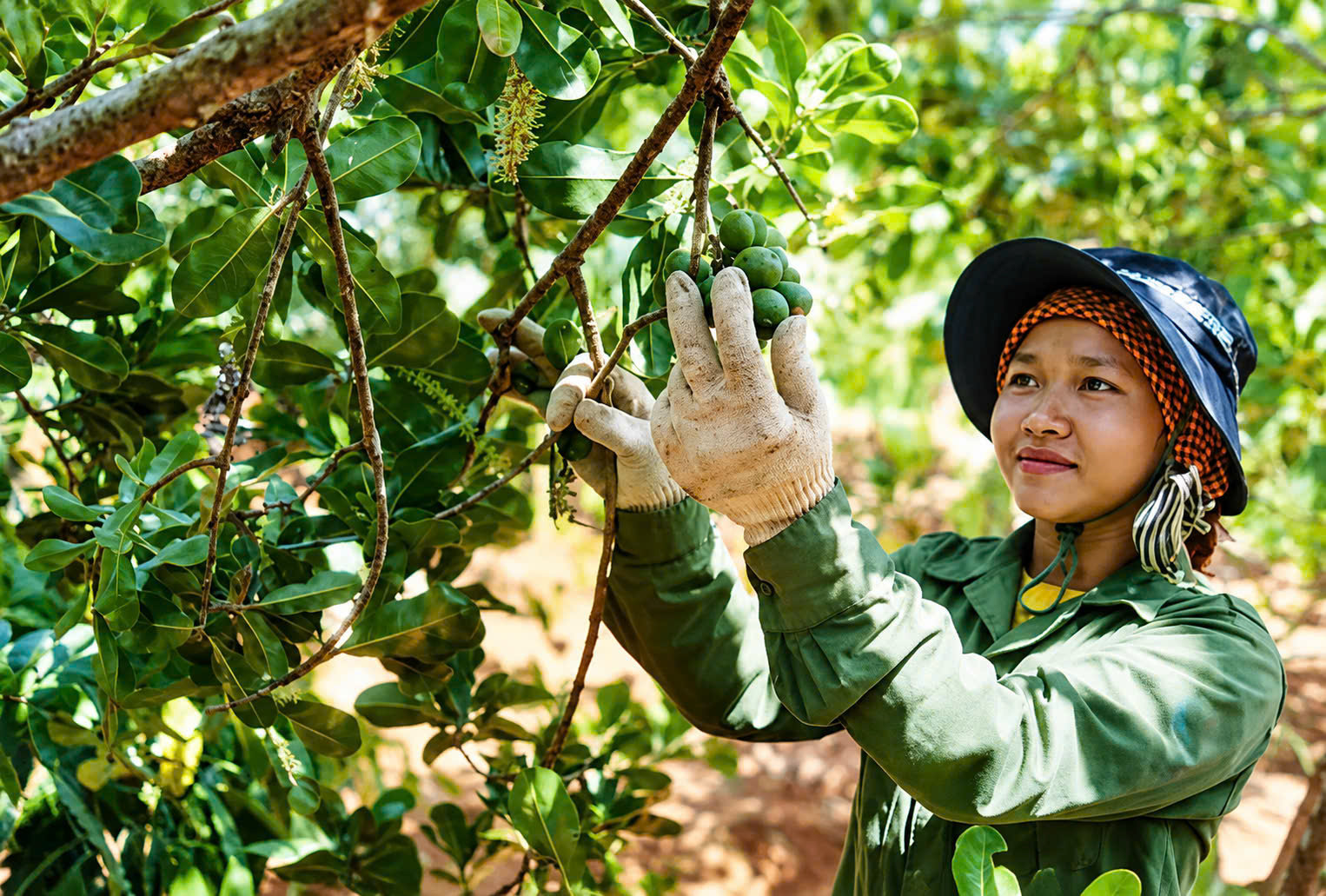
New Crops, New Approaches
In many ethnic minority communities across Lam Dong, agricultural production has traditionally relied heavily on customary farming practices, a limited range of crops and restricted access to markets. When crops become old, yields decline or agricultural prices fluctuate, local livelihoods can be easily affected.
In recent years, alongside livelihood support programs, residents have become more willing to renovate their farms and convert less productive land to crops better suited to local climate and soil conditions as well as market demand.
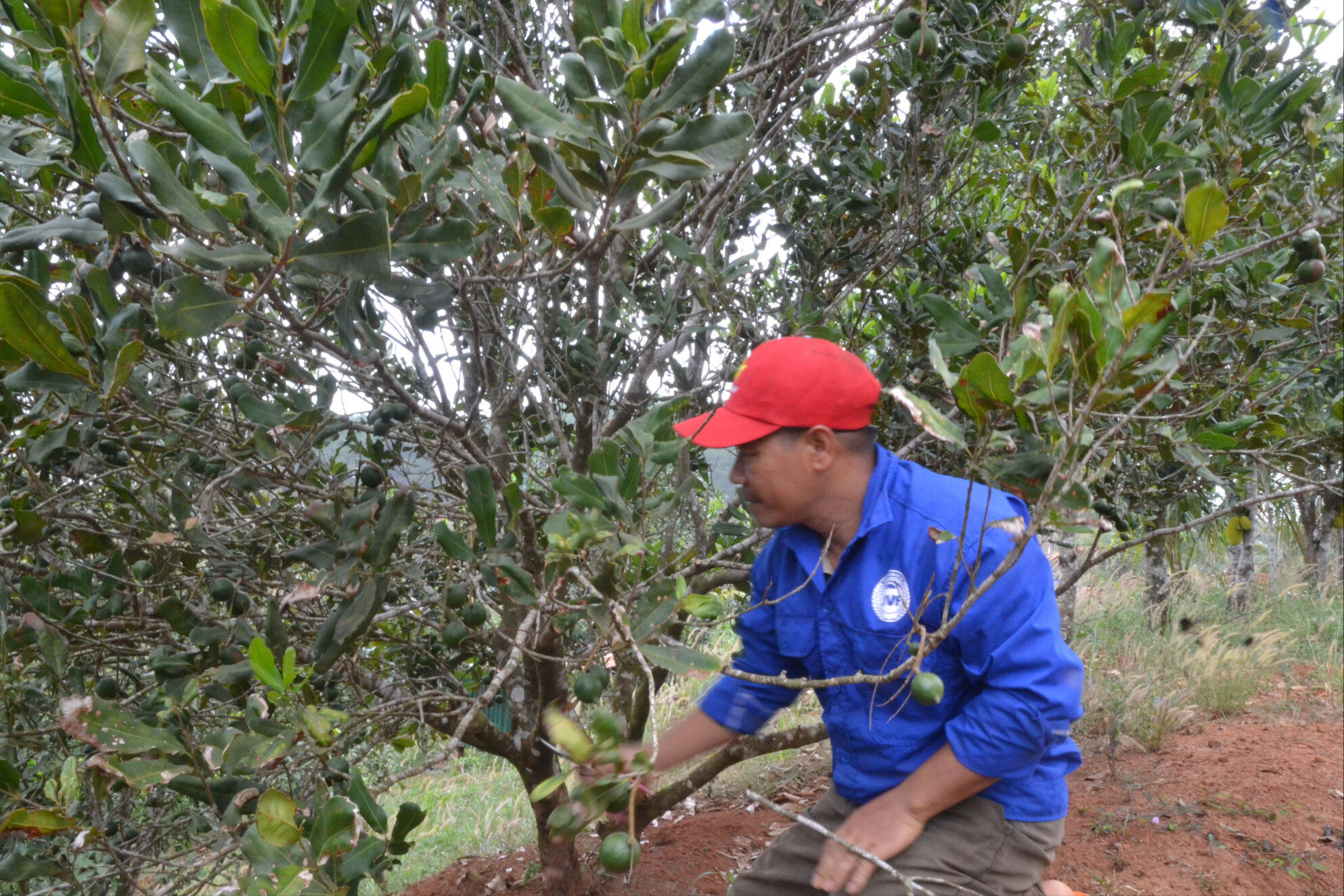
In Quang Truc Commune, macadamia has emerged as one of the key crops generating considerable economic value alongside coffee. Between 2010 and 2013, macadamia was introduced for trial cultivation through production development and poverty reduction support programs. Today, the commune has more than 1,350 hectares of macadamia, much of it converted from less productive farmland or intercropped in coffee plantations.
Dieu Dray's family in Bu Prang 1 Village currently cultivates more than seven hectares of macadamia, including around two hectares planted in 2012. According to Dray, with proper care, each hectare can yield between one and 1.5 tons of nuts, increasing to around two tons per hectare from the seventh year onward. At a price of about VND 60,000 per kilogram at the time of reporting, macadamia has become a stable source of income for his family.
Dieu Dray said the success of the new crop had changed the way his family organized production. Rather than relying solely on familiar crops, they gradually expanded their macadamia cultivation after recognizing that the crop was well suited to local conditions and could provide a long-term source of income.
According to him, farmers need to invest in proper care, remain patient during the early years and avoid blindly following trends if they want the crop to deliver lasting results.
.jpg)
In Lac Duong Commune, efforts to identify new crops for ethnic minority communities are also being pursued through more targeted approaches. Models involving strawberries, artichokes and high-tech agriculture have been introduced on less productive farmland to help local people improve their livelihoods.
Previously, many households mainly grew Arabica coffee, open-field vegetables, persimmons and maize, but production was not highly effective due to weather conditions, pests and traditional farming methods.
Such models show that crop conversion does not necessarily have to take place on a large scale. By starting with a small area and applying the right techniques, farmers can assess effectiveness before expanding production, reducing risks and gradually gaining experience.
Toward Sustainable Livelihoods
One notable feature of the current transition is that farmers are paying increasing attention to yields, production costs and market outlets.
The question is no longer simply "What can we grow?" but whether a crop is suitable for the land, has a viable market and can generate a stable income. This is also a key requirement for support programs targeting ethnic minority communities.
.jpg)
According to Decision No. 184/QD-UBND dated January 15, 2026, Lam Dong has 100 communes classified as ethnic minority and mountainous areas, including 29 Area III communes and 217 villages facing exceptional difficulties. These figures highlight the continuing need to create livelihoods and improve production efficiency in mountainous and ethnic minority communities.
According to Nguyen Ngoc Phuc, Vice Chairman of the Lam Dong Provincial People's Committee, the implementation of national target programs must focus on tangible results, with particular attention given to socio-economic development in ethnic minority and mountainous areas, sustainable poverty reduction and improvements in people's living standards.
The overall approach is to ensure that resources are deployed in a coordinated manner, enabling local authorities and residents to take the initiative in developing production rather than relying solely on direct assistance.
Experiences from Quang Truc, Lac Duong and many other production areas show that crop conversion is only the first step. Creating sustainable incomes also requires addressing issues related to seedlings, farming techniques, capital and markets.
When farmers can select suitable crops, proactively apply new techniques and carefully assess economic efficiency, every area of farmland has greater potential to generate higher value.
More importantly, these changes are gradually fostering a new production mindset among Lam Dong's ethnic minority communities: moving from experience-based farming to more carefully planned production, and from waiting for assistance to taking the initiative in developing their own livelihoods. This is the foundation for raising incomes and creating sustainable livelihoods in Lam Dong's ethnic minority areas.