


Lam Dong Exporters Face Growing Challenges
Despite sustained efforts to maintain production, many export-oriented businesses in Lam Dong are facing mounting pressures, highlighting the need for timely support measures from relevant authorities.
Exporters under mounting pressure
Export activities have recently been affected by market volatility, raw material shortages, labor constraints, rising production costs and increasingly stringent trade barriers. Following a survey of 11 exporting enterprises across Lam Dong Province, local authorities have identified a range of challenges that require prompt solutions to sustain export growth.
In the agricultural processing sector, Thong Thuan Dairy Joint Stock Company, despite commencing operations in 2025, is currently operating at only 10–15% of its designed capacity. In addition to dairy products, the company also processes tomato juice and various fruit products under contract. However, limited supplies of raw materials continue to constrain production, while the company is actively seeking opportunities to expand into new export markets.
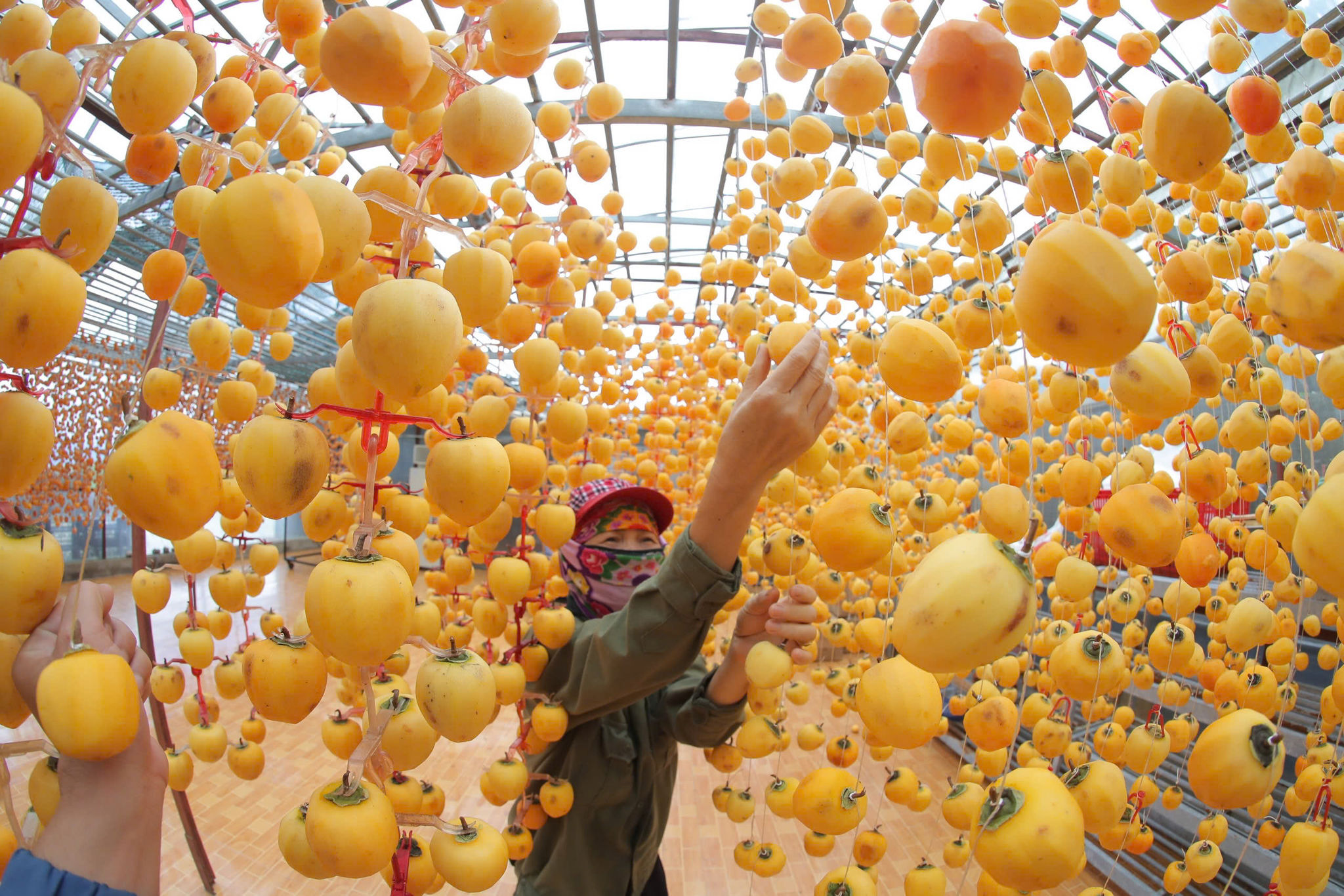
The fruit export sector, meanwhile, continues to record encouraging results. Hoang Tho Fruit Joint Stock Company currently exports fresh dragon fruit to markets including India, Singapore, Malaysia and China. The company generated approximately US$1 million in export revenue in 2025. During the first five months of 2026 alone, exports reached nearly US$960,000—almost matching the previous year's total—indicating considerable room for further growth through market expansion.
The fisheries sector presents a mixed picture. Survey findings show that two of the province's four seafood exporters have experienced declining export turnover since 2023, while the remaining two have maintained modest growth. Key export markets include the United States, Europe, the Middle East and Russia, with the latter two emerging as promising destinations.
Fish sauce exports continue to play a significant role in business revenue. Companies such as Seagull, Kim Ngu, and Phan Thiet – Mui Ne Fish Sauce Processing and Export Joint Stock Company derive around 50% of their total revenue from exports. Each enterprise maintains annual export earnings of approximately US$1–1.5 million, with major markets including the United States, South Korea, Japan, the Philippines, China and Australia.
.jpg)
Addressing trade barriers to export growth
The survey identified raw material shortages as one of the most pressing concerns for exporters. In seafood processing, most raw materials rely on wild-caught marine resources.
However, compliance with the European Union's regulations on illegal, unreported and unregulated (IUU) fishing has significantly reduced the availability of export-qualified seafood. As a result, many processors have been forced to import raw materials to sustain production.
At the same time, international trade barriers continue to place considerable pressure on exporters. Regulations related to the EU's IUU yellow card, U.S. reciprocal tariffs, and the Marine Mammal Protection Act (MMPA) have increased compliance costs and affected market expansion efforts.
Labor shortages have also become an increasing concern. Seafood processing remains a labor-intensive industry, with many factories employing more than 250 workers. Hai Nam Co., Ltd., for example, employed around 1,700 workers during the first quarter of 2026. Nevertheless, recruiting sufficient labor has become increasingly difficult, directly affecting production plans and the ability to fulfill export orders.
Representatives of Phan Thiet – Mui Ne Fish Sauce Processing and Export Joint Stock Company said that rising input costs, electricity prices, fuel expenses and logistics charges have continued to erode profit margins, reducing the competitiveness of Vietnamese export products in international markets.
In addition, issues relating to land-use planning, land-use right extensions and limited production land are creating further obstacles to business expansion and investment.
According to Bien Tan Tai, Deputy Director of the Lam Dong Department of Industry and Trade, based on the survey findings and feedback from enterprises, the province will continue implementing policies that support private-sector development. Priority measures include resolving land-related issues, improving access to preferential financing, supporting business expansion, promoting technological innovation and enhancing competitiveness.
Proactive engagement with businesses and efforts to remove bottlenecks related to raw materials, labor, land, infrastructure and trade barriers are expected to create stronger momentum for Lam Dong's export growth in the coming years.