


Lam Dong Farmers in Western Region Excitedly Enter Coffee Harvest Season
Many farmers in the western region of Lam Dong are excitedly stepping into the 2026 coffee harvest season.
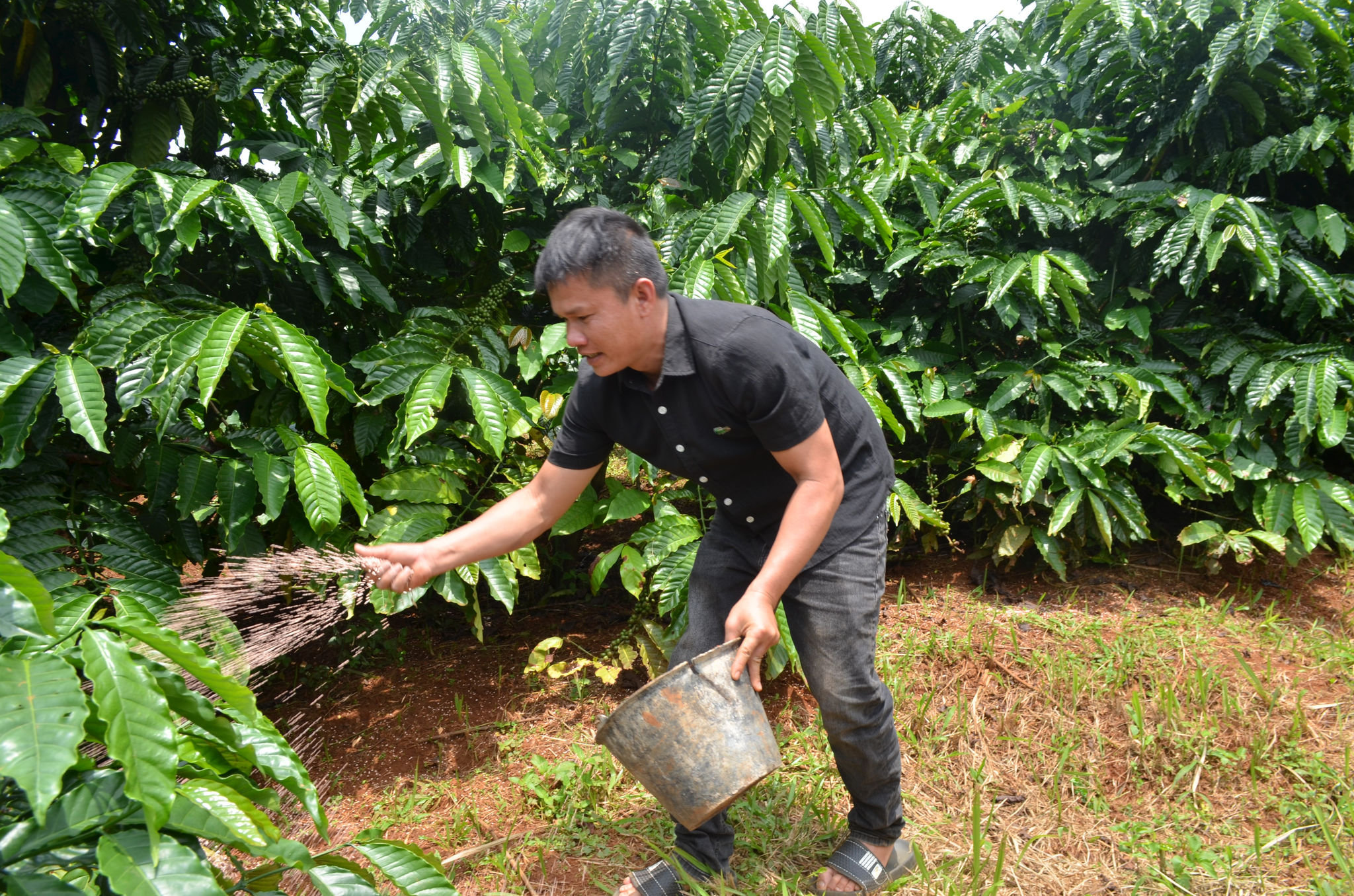
In late September, Hoang Duc Luan of Dak Huyt hamlet, Quang Truc Commune, was busy preparing his 1.7-hectare coffee plantation for harvest. He was clearing weeds and applying additional fertilizer as the beans entered the filling and hardening stages — a critical period for determining green bean quality.
Based on the condition of his coffee trees, Luan carefully adjusts nutrient application, including NPK fertilizer, to maintain a balanced supply. After two consecutive years of high yields, he says continued nutrient accumulation in the beans is essential to improving bean weight and supporting productivity.
He also monitors weather conditions to ensure fertilizer is applied when the soil has sufficient moisture. Fertilizer is spread evenly beneath the tree canopy and lightly covered, or applied when light rain is expected, to reduce nutrient loss. These practices help the trees absorb nutrients more effectively and sustain bean development through the end of the season.
“This year, I expect my coffee yield to exceed 3.5 tonnes per hectare, which would be a good result. I’m looking forward to the harvest, especially as prices have recently remained high at around VND 93 million per tonne,” Luan said.
After fertilizing and clearing the weeds, he plans to wash his tarpaulins and harvesting bags to maintain hygiene, then begin harvesting from trees whose coffee cherries ripen first.
According to Doan Minh Thuan, vice chairman of the Quang Truc Commune People’s Committee, coffee is one of the locality’s traditional industrial crops. The commune currently has more than 1,700 hectares under coffee cultivation.
In recent years, farmers have paid greater attention to sustainable cultivation practices to improve product quality. Initial assessments this year indicate that most growers are on track for a good harvest.
Through training courses and demonstration models, local authorities have also been promoting appropriate cultivation techniques to help farmers improve the quality of green coffee beans.
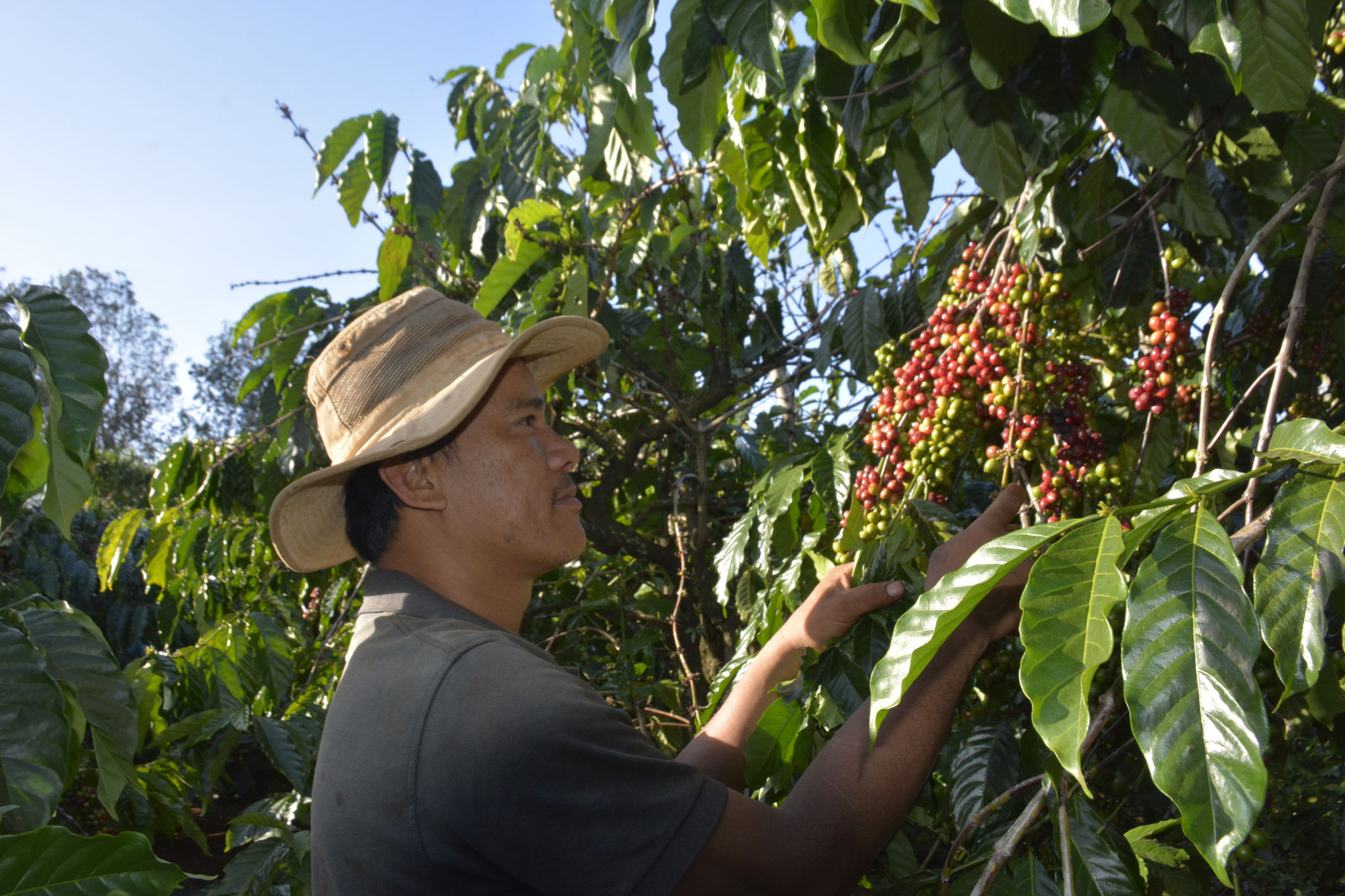
In Truong Xuan Commune, coffee is also a traditional mainstay of local agriculture. Le Dinh Tinh’s family, which cultivates three hectares of coffee in Village 12, is preparing for the upcoming harvest. This year, the family expects a relatively high yield of around four tonnes per hectare.
Nguyen Van Anh, chairman of the Truong Xuan Commune Farmers’ Association, said the commune has more than 5,000 hectares of coffee. Surveys conducted as farmers prepare for harvest show that most coffee plantations managed by cooperatives and individual households are expected to deliver relatively high yields.
The outlook offers a positive sign for household incomes and livelihood stability. In recent years, the locality has focused on improving the value of its coffee sector through replanting, better cultivation practices, investment in processing and stronger links across the value chain.
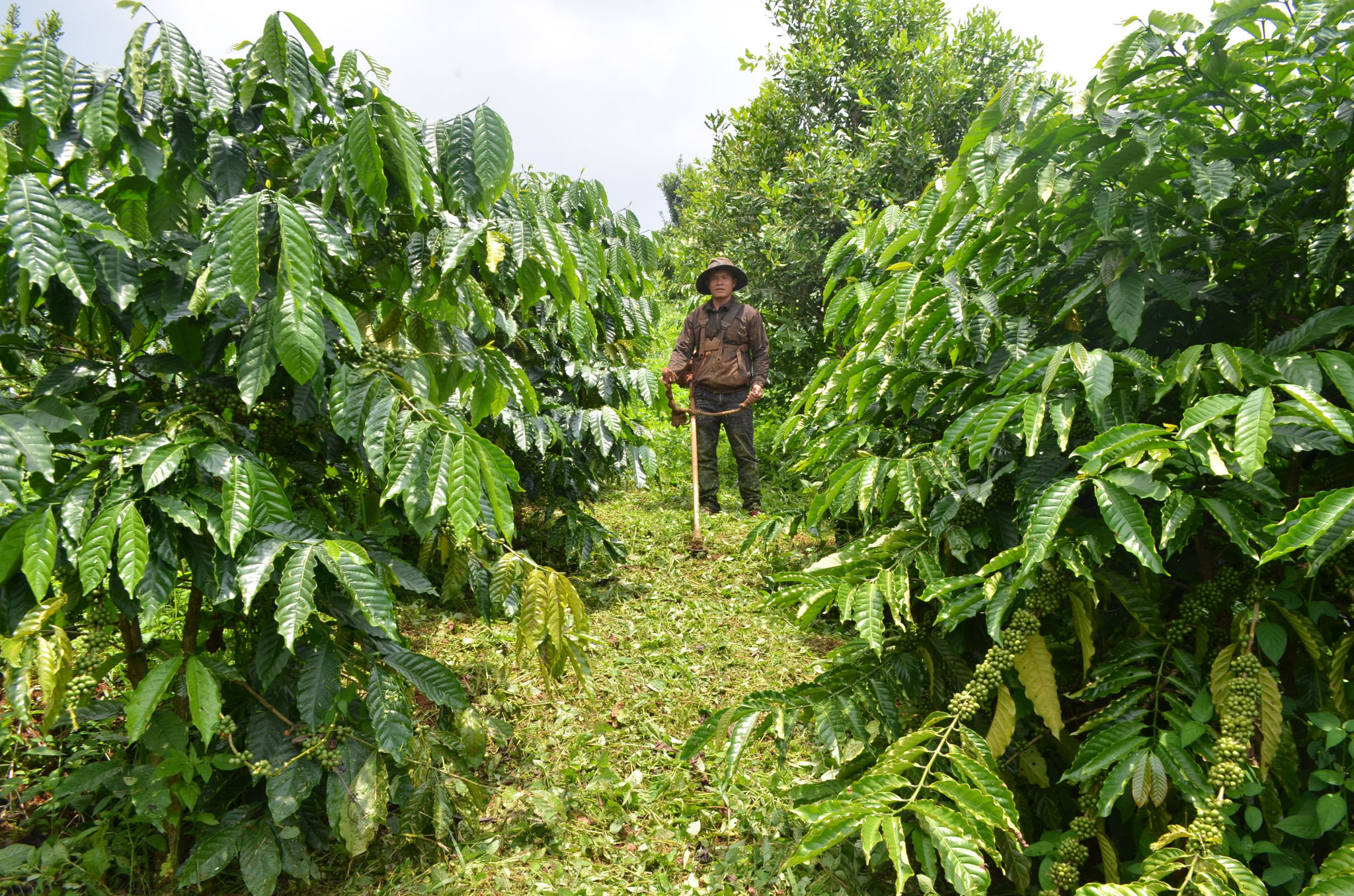
Lam Dong has nearly 330,000 hectares of coffee, the largest coffee-growing area of any province in Vietnam. More than 135,000 hectares are located in the province’s western region, where coffee is a key crop across all communes and wards.
Most coffee plantations across the province are still in the fruit-development stage, with harvesting yet to begin. However, some areas in western Lam Dong have entered the harvest season. As coffee cherries begin to ripen, farmers have started selectively picking ripe fruit ahead of the main harvest.
Field observations show that many farmers are optimistic, encouraged by expectations of good yields and coffee prices that have remained relatively high and stable.
Agriculture and environment authorities, local administrations and mass organizations are implementing measures to help ensure a safe and orderly harvest, with particular attention to security and preventing coffee theft. They are also promoting wider adoption of improved harvesting, drying and storage techniques to maintain quality and increase the value of Lam Dong’s coffee products. These efforts involve local authorities, farmers, businesses and cooperatives.