


Lam Dong Finalizes Night-Time Economy Development Plan to 2030
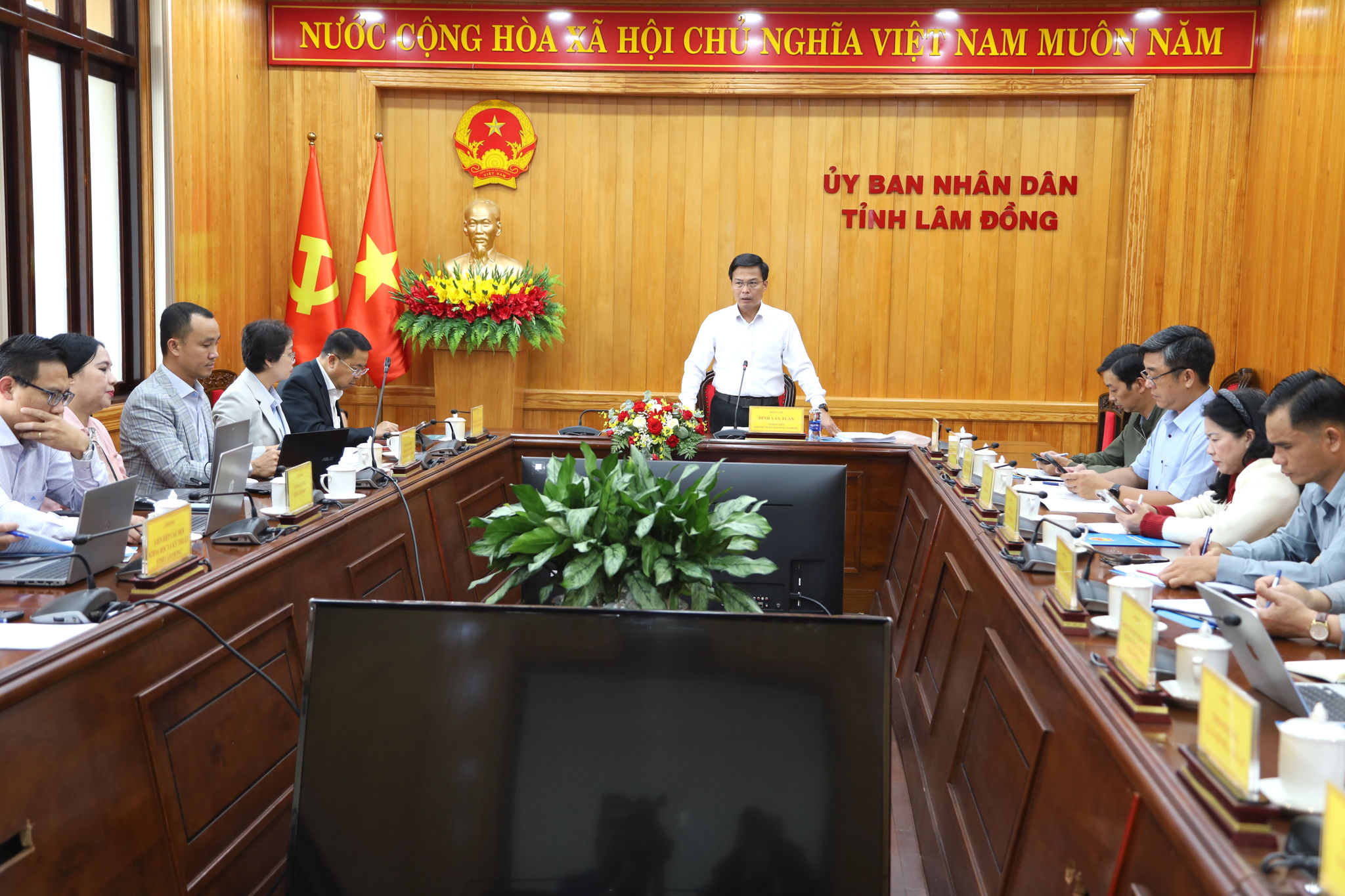
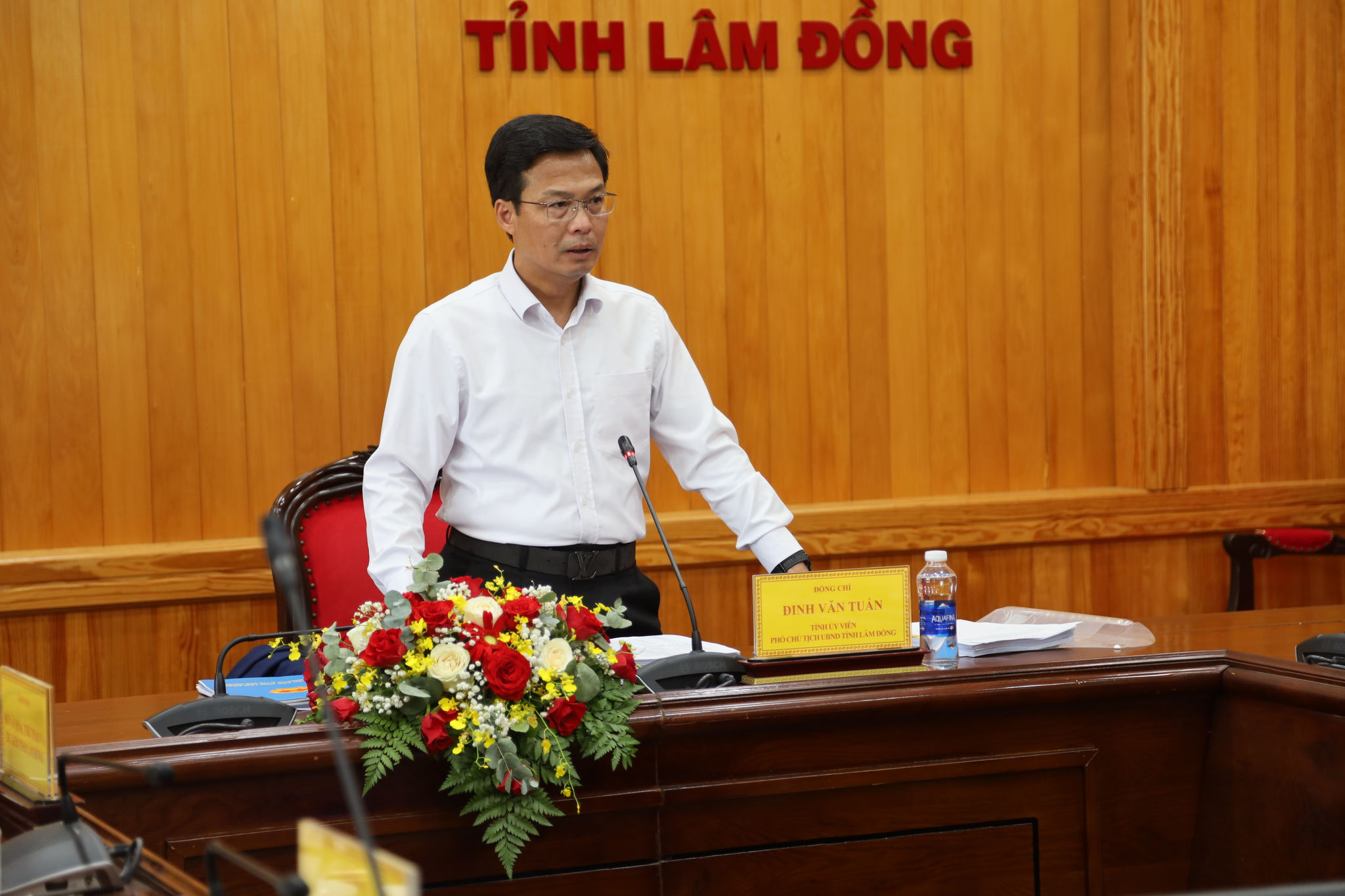
On October 21, Ding Van Tuan, Member of the Provincial Party Committee and Vice Chairman of the Lam Dong Provincial People’s Committee, chaired a meeting to review the development of the plan for the province’s night-time economy through 2030.
Developing Night-Time Economy Around Local Strengths
The plan aims to develop night-time economic products and services with distinctive identities rooted in the province’s highland, coastal and forest landscapes. It is expected to help extend visitors’ stays, increase tourist spending, create jobs and improve local people’s incomes.
By the end of 2027, the province aims to select and launch pilot operations for five models in priority areas, provided they fully meet requirements for infrastructure, security, safety and environmental protection.
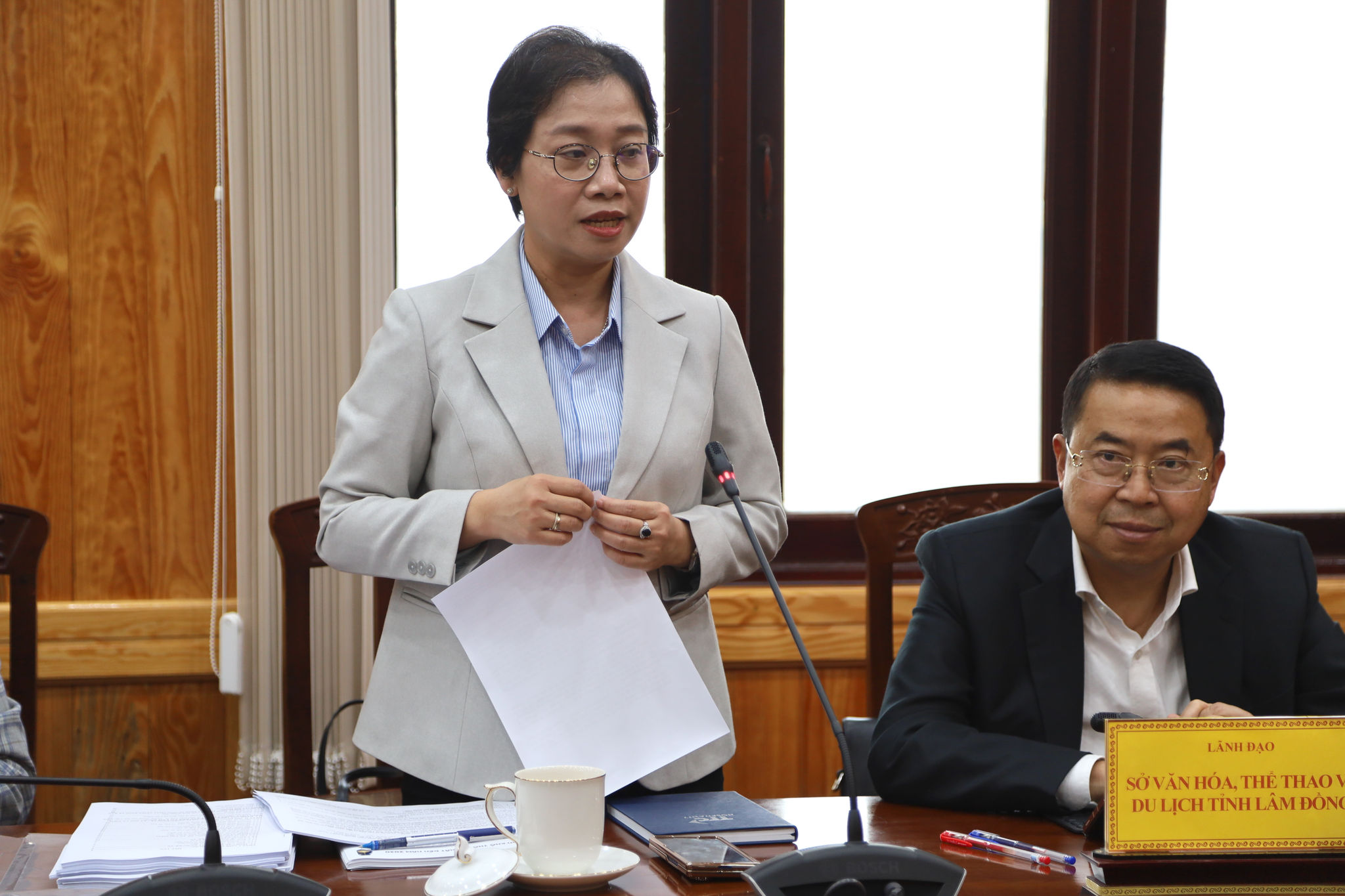
During the plan’s development, relevant agencies conducted surveys in five proposed pilot areas: Da Lat, Bao Loc, Bac Gia Nghia, Phan Thiet and Mui Ne. They also studied successful models elsewhere, consulted experts and sought feedback from provincial departments, sectors and local authorities. As of October 20, the Department of Culture, Sports and Tourism had received 39 written submissions and feedback forms.
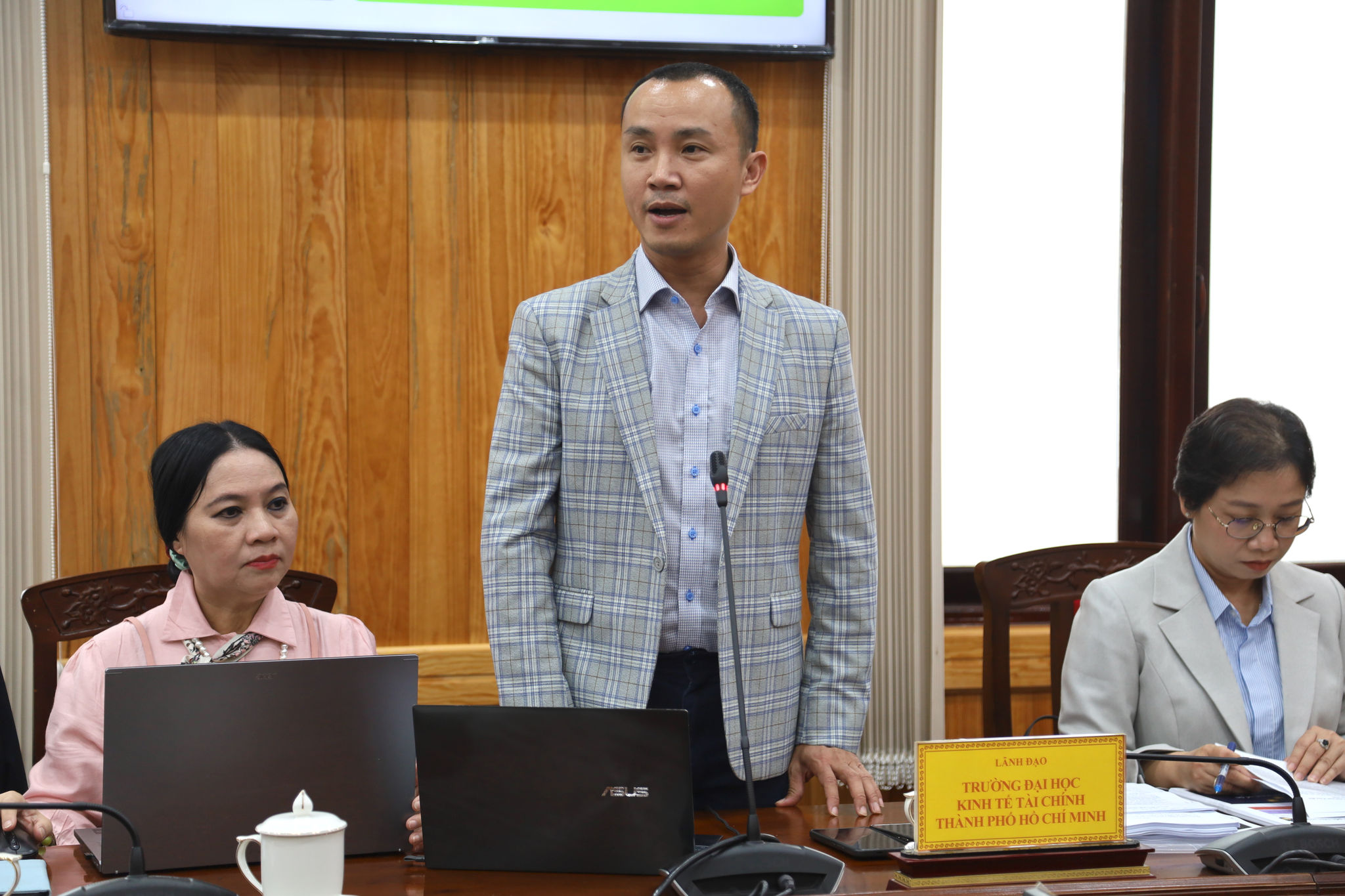
The feedback focused on refining the models to suit the practical conditions of each locality. The selection of sites and extension of operating hours must take into account infrastructure capacity, legal regulations and consensus among local communities.
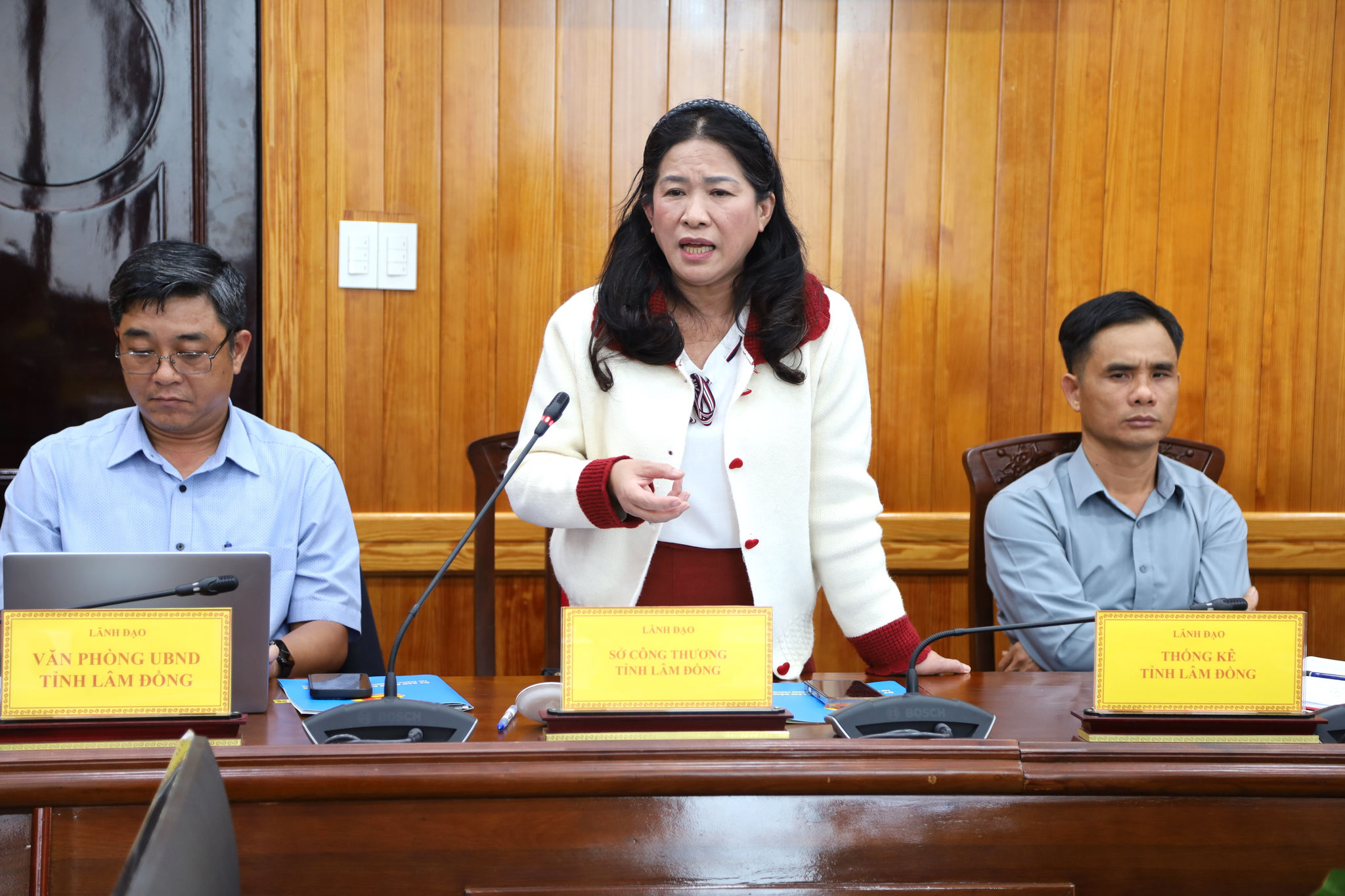
Several opinions also stressed the need to clearly identify funding sources, define management responsibilities, encourage private-sector investment and prioritize upgrading and making effective use of existing spaces before considering expansion.
Speaking at the meeting, Vice Chairman of the Provincial People’s Committee Dinh Van Tuan emphasized that night-time economic development must have clear priorities and capitalize on the province’s cultural and tourism advantages, as well as its distinctive local products. Alongside the development of products and services, authorities must ensure public security and order, fire prevention and firefighting, and environmental sanitation, while safeguarding the livelihoods and interests of residents in areas where the models are implemented.
The Department of Culture, Sports and Tourism will fully incorporate the feedback and continue working with the consulting unit and relevant agencies to review and finalize the plan, ensuring its feasibility and suitability for the characteristics of each locality. The plan must clearly define its scope and boundaries, implementation roadmap, management mechanisms, responsibilities of each agency and unit, and arrangements for mobilizing the necessary resources.
On this basis, the department will finalize the plan and submit it to the Provincial People’s Committee for consideration. The plan will serve as the basis for subsequent implementation steps, with the aim of developing an effective and sustainable night-time economy, enhancing the province’s tourism appeal and supporting local socio-economic development.