


Lam Dong focuses on removing bottlenecks to improve governance
Lam Dong Province has candidly acknowledged existing shortcomings while introducing a series of measures to remove bottlenecks, improve governance and ensure the successful achievement of its 2026 development targets.
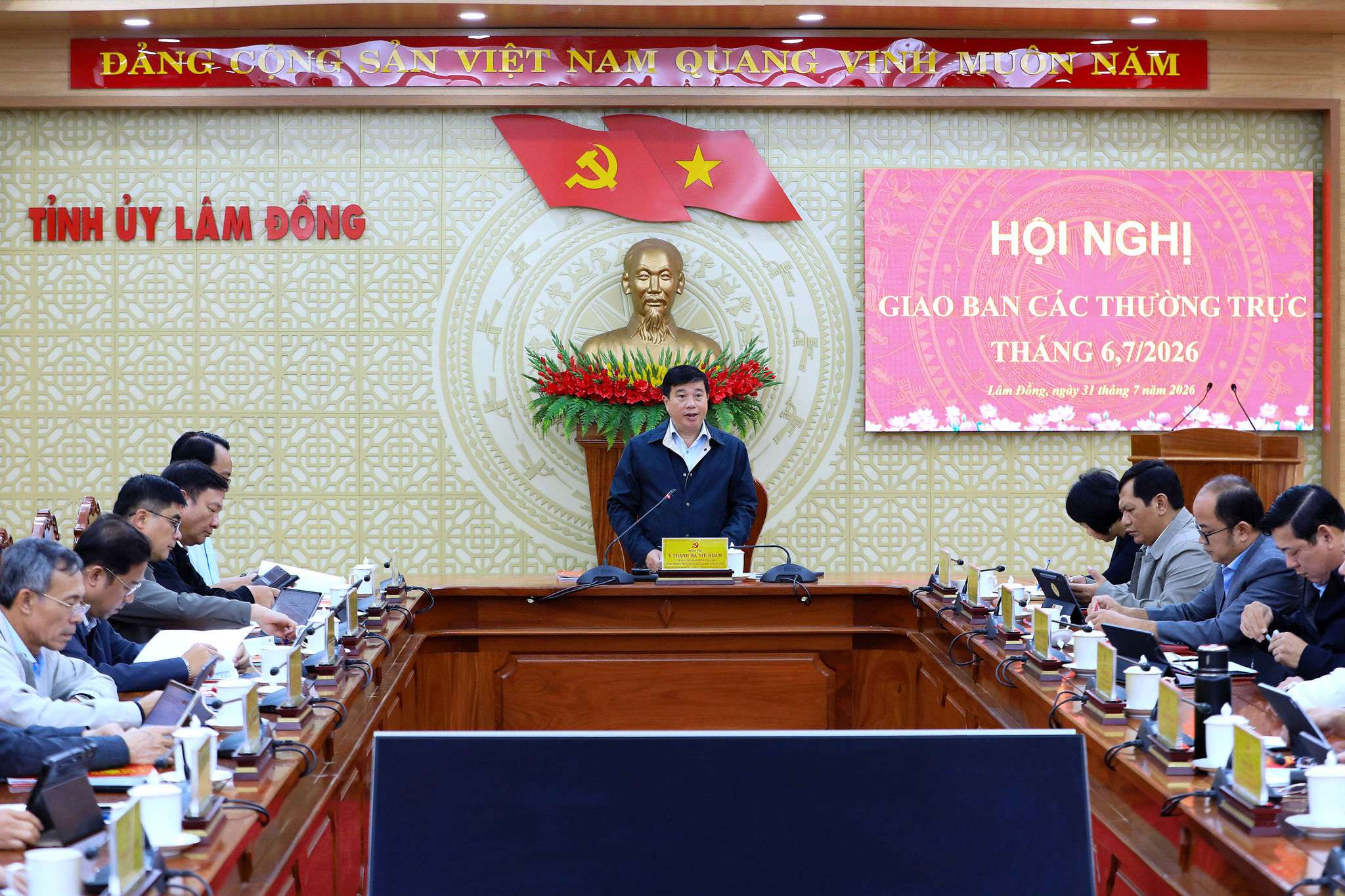
On July 31, the Standing Committee of the Lam Dong Provincial Party Committee held a coordination meeting with the Standing Committee of the Provincial People's Council, the Provincial People's Committee, the Vietnam Fatherland Front Committee of Lam Dong Province and regional working groups to review the implementation of tasks during June and July 2026, identify key bottlenecks and agree on solutions to achieve the province's 2026 development goals.
The meeting was chaired by Y Thanh Ha Nie Kdam, Member of the Party Central Committee, Secretary of the Lam Dong Provincial Party Committee and Head of the Provincial National Assembly Delegation .
.jpg)
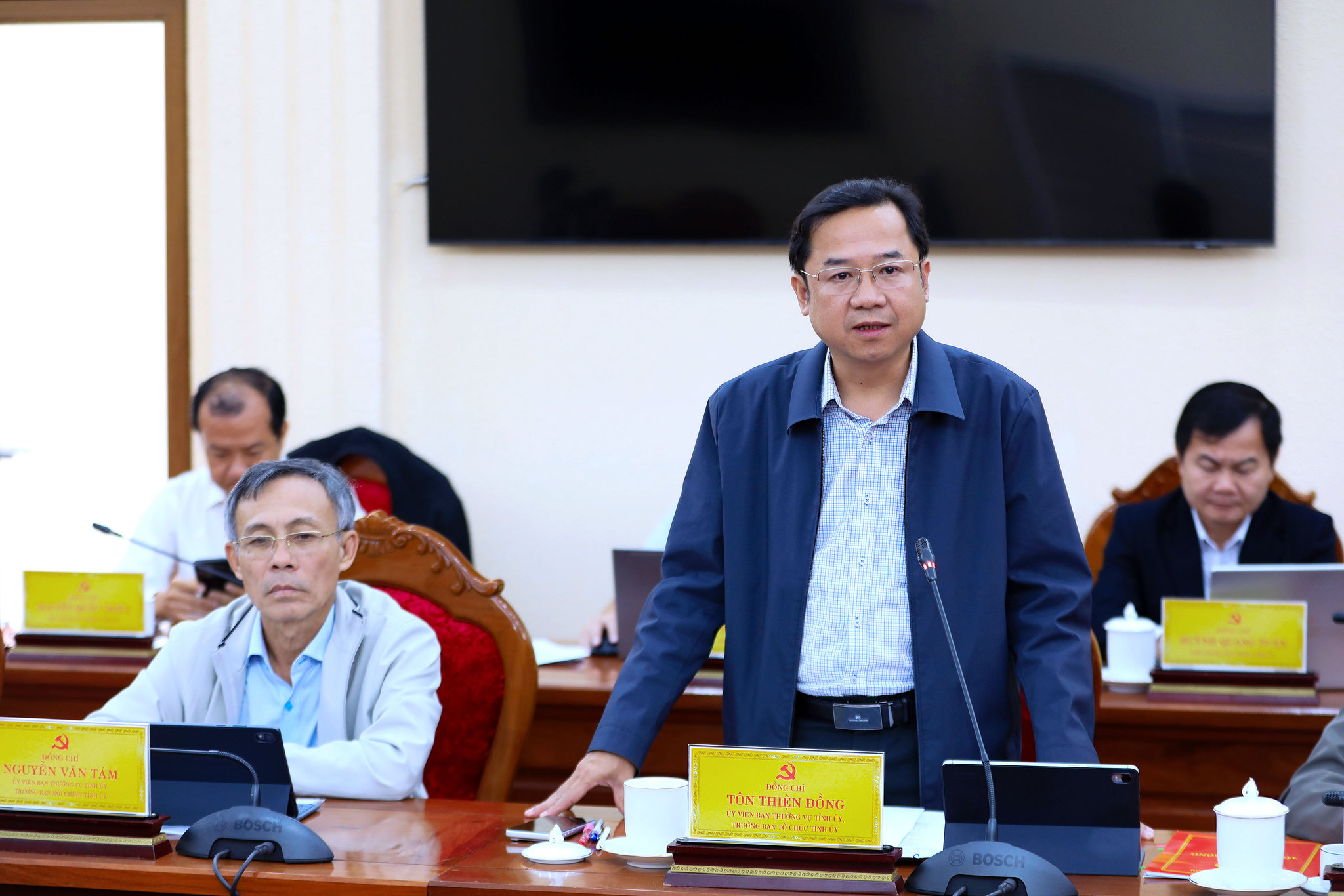
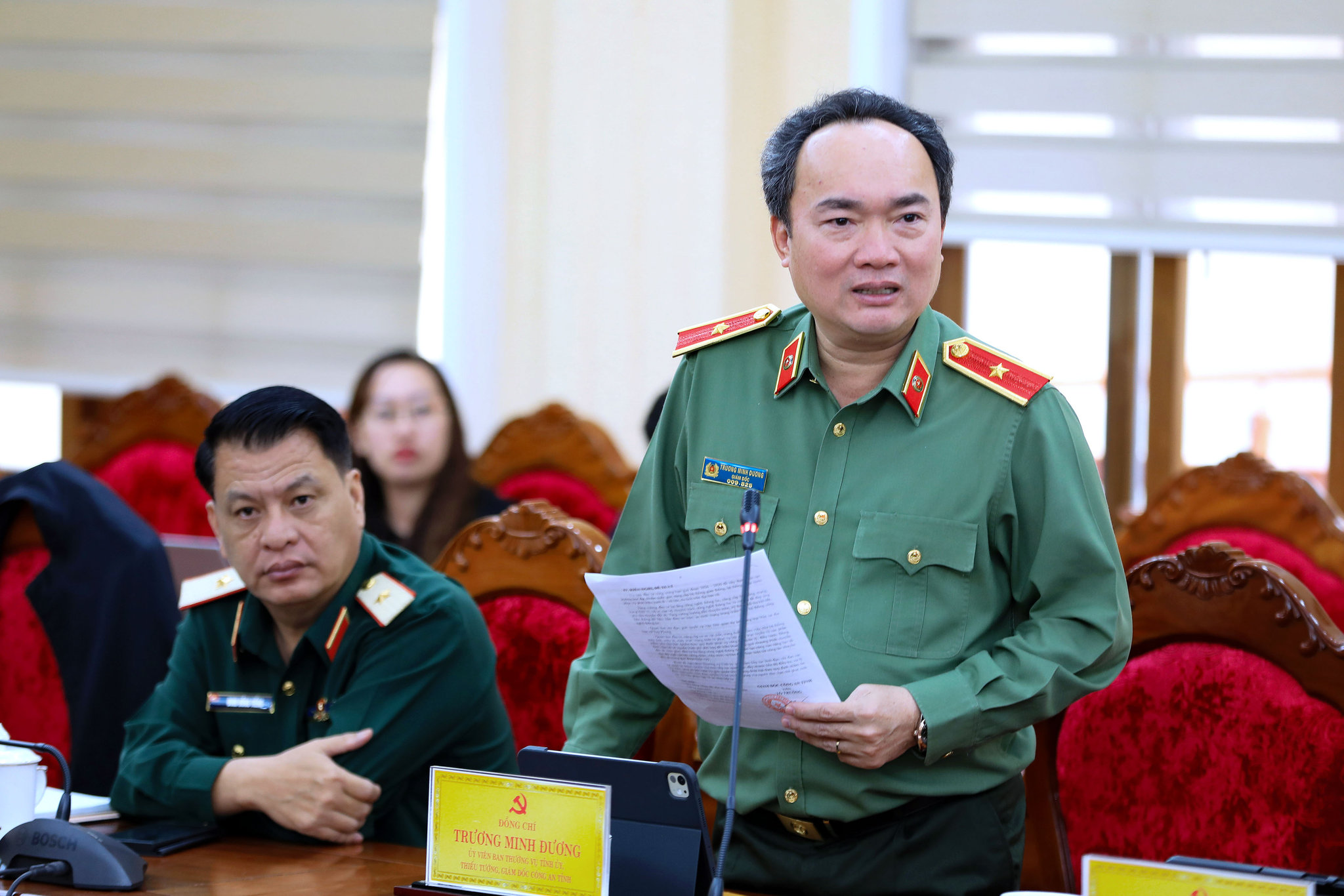
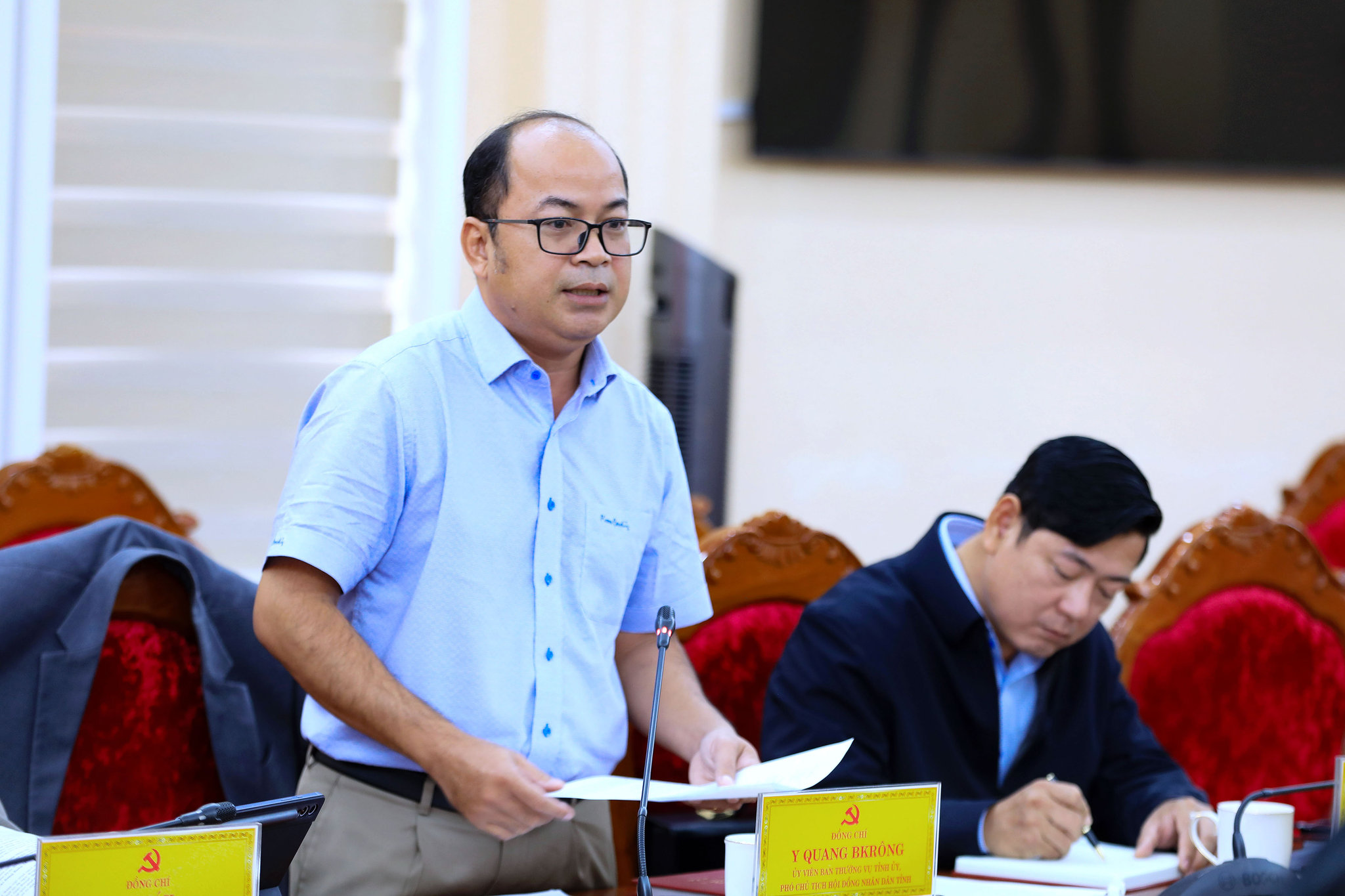
Attending the meeting were Dang Hong Sy, Standing Deputy Secretary of the Provincial Party Committee; Pham Thi Phuc, Deputy Secretary of the Provincial Party Committee and Chairwoman of the Vietnam Fatherland Front Committee of Lam Dong Province; Bui Thang, Deputy Secretary of the Provincial Party Committee; leaders of the Provincial People's Council, Provincial People's Committee and the Vietnam Fatherland Front Committee of Lam Dong Province; members of the Provincial Party Standing Committee; heads of regional working groups; and leaders of provincial departments and agencies.
Positive results recorded
Over the past two months, Party committees and local authorities across the province have simultaneously implemented socio-economic development, national defense, security and Party-building tasks.
The provincial economy has maintained its growth momentum. State budget revenue during the first seven months exceeded VND 20.725 trillion, equivalent to nearly 64% of the central government's annual target.
Industrial production continued to grow steadily, while exports recovered strongly. In July alone, Lam Dong attracted nine new investment projects with total registered capital exceeding VND 22 trillion.
Efforts to remove obstacles facing businesses and investment projects have continued. To date, difficulties related to land procedures, planning and investment formalities have been resolved for 111 projects.
All 101 commune-level master planning tasks have been approved, while nearly 89% of communes and special administrative zones have completed their master plans.
The province's social housing program has also made encouraging progress, with 525 housing units completed and more than 1,400 units currently under construction.
The socio-cultural sector has continued to show positive improvements. The 2026 National High School Graduation Examination was conducted safely, with a graduation rate exceeding 98.5%.
The province-wide health screening program has been implemented across many localities, while policies for people with meritorious service and beneficiary families have continued to receive close attention.
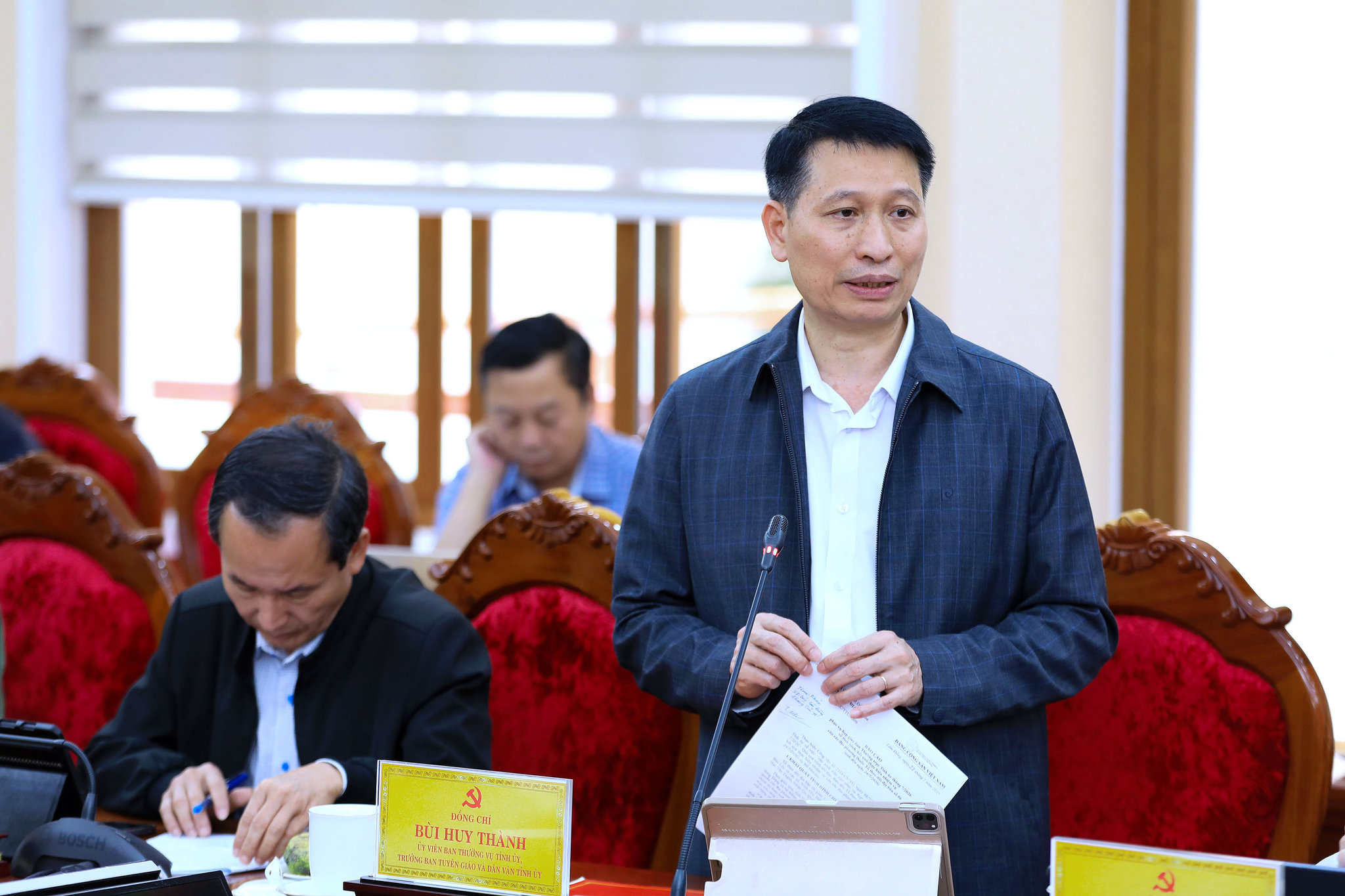
The activities of the Provincial Delegation of National Assembly Deputies, the Provincial People's Council and the Vietnam Fatherland Front Committee of Lam Dong Province have continued to innovate. The Provincial People's Council successfully convened two sessions and adopted 44 resolutions.
The Vietnam Fatherland Front strengthened social supervision and policy criticism while expanding social welfare activities. Following the restructuring of administrative units, communes, wards and special administrative zones have largely stabilized, focusing on administrative reform, accelerating public investment disbursement and improving public services.
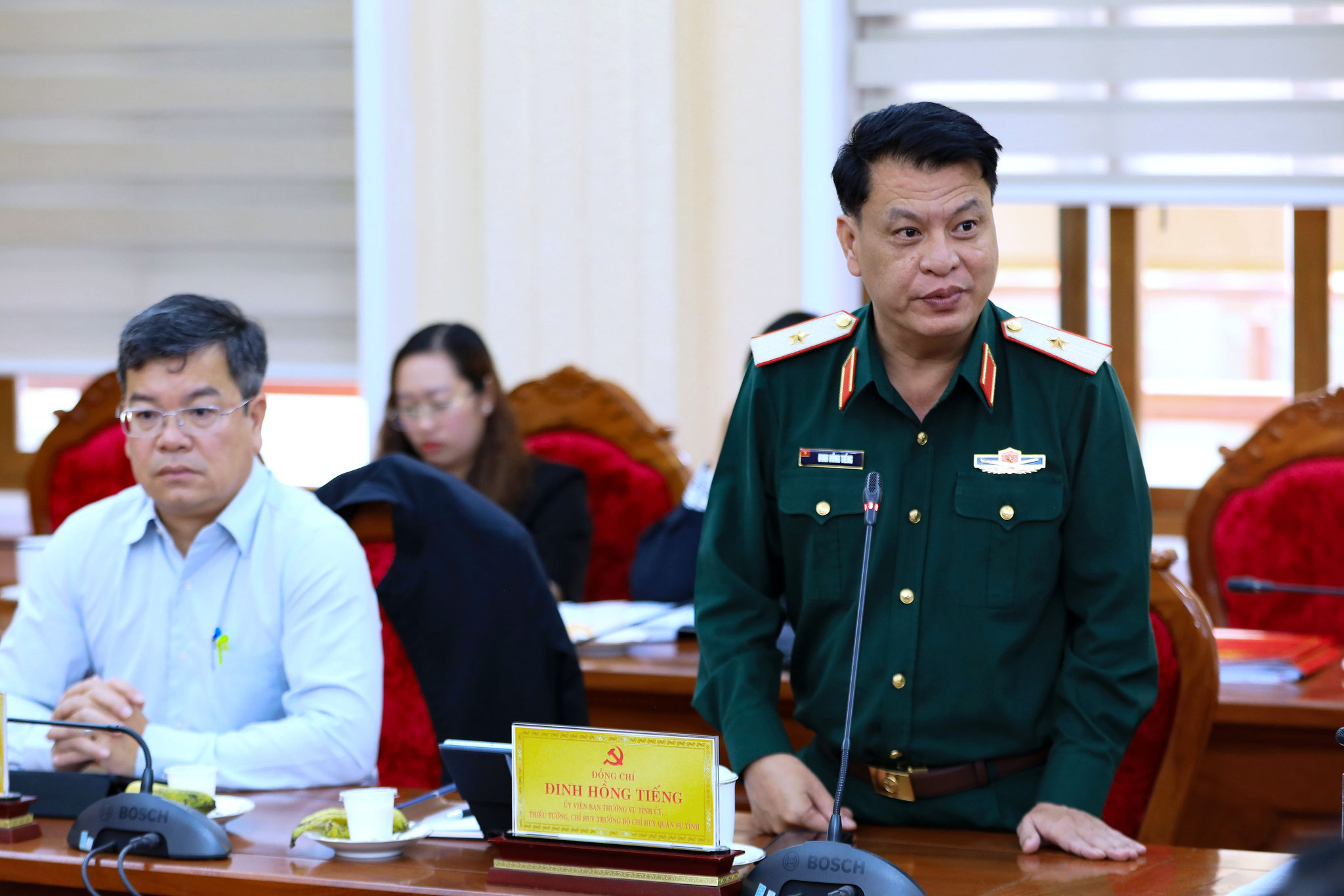
Difficulties emerging at the grassroots level
However, the conference also identified a number of challenges, including shortages of specialized personnel at the commune level, slow public investment disbursement in several localities, and obstacles related to site clearance, land administration, natural resources and environmental management.
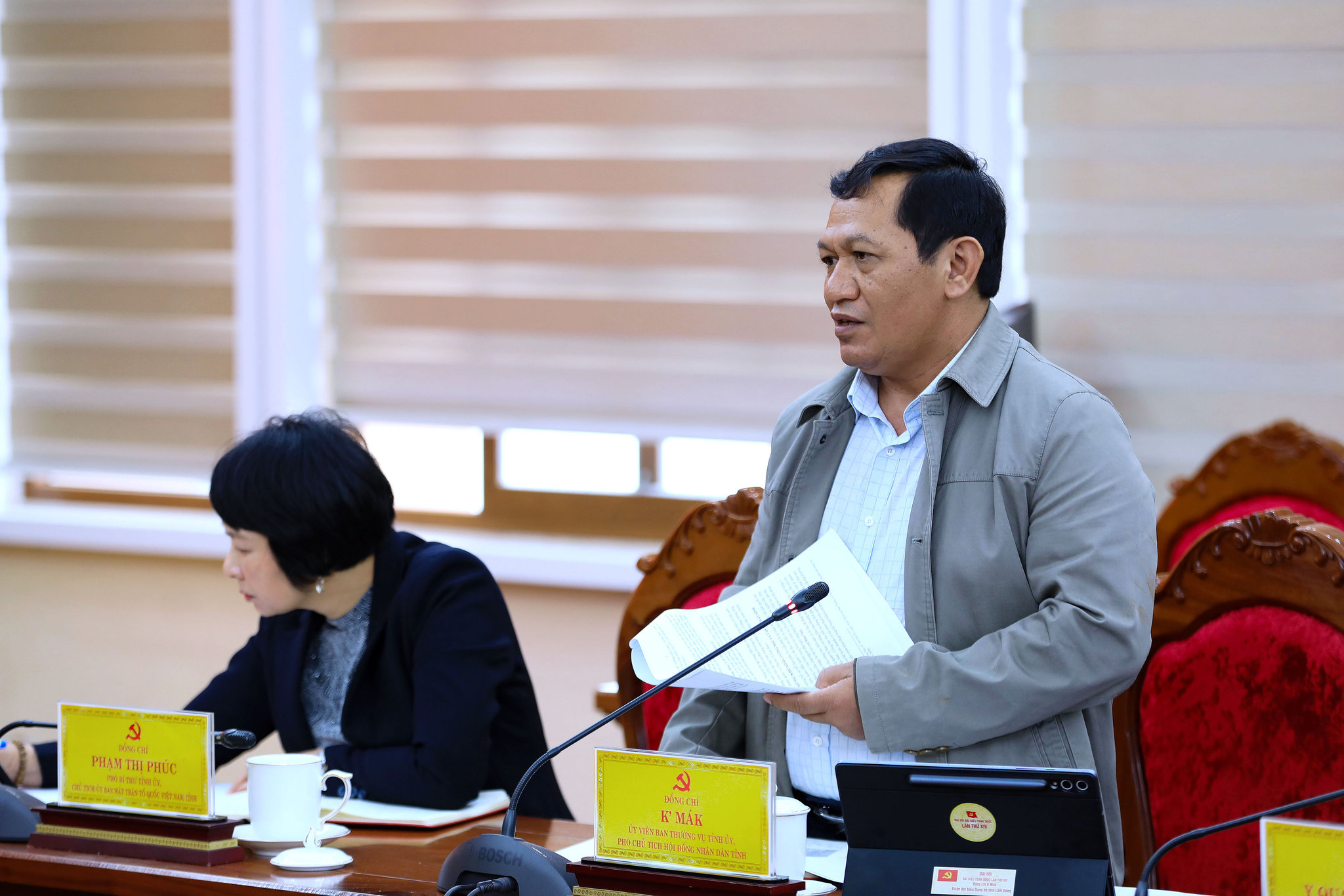
During the discussions, many delegates urged the province to promptly address bottlenecks related to land management, organizational structure, infrastructure, resource allocation and citizen reception.
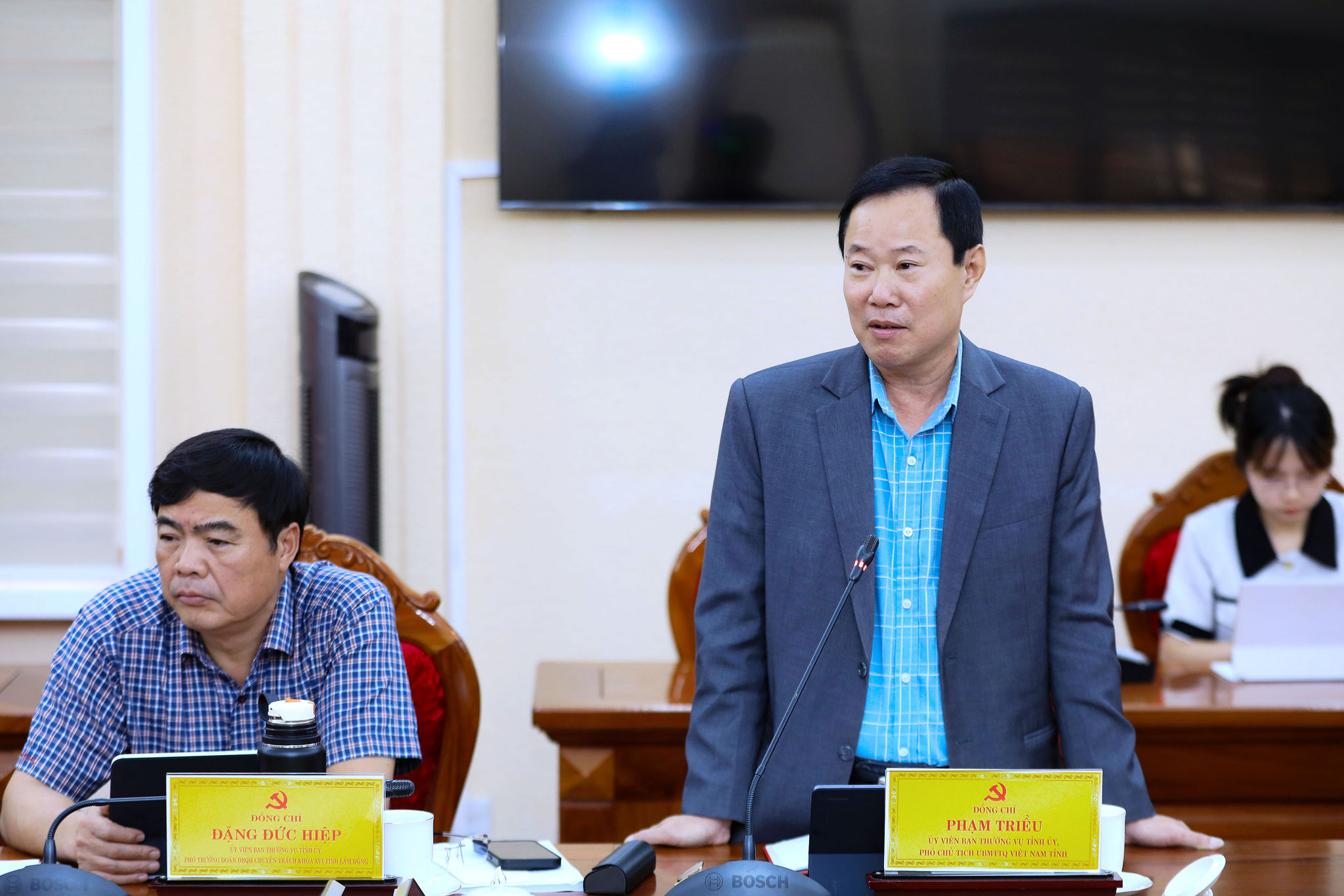
The issues raised most frequently involved land management, the handling of petitions and complaints, compensation, and site clearance. Many localities continue to face difficulties in issuing land use right certificates, managing public land following the abolition of district-level administration, and resolving cases involving administrative boundary adjustments.
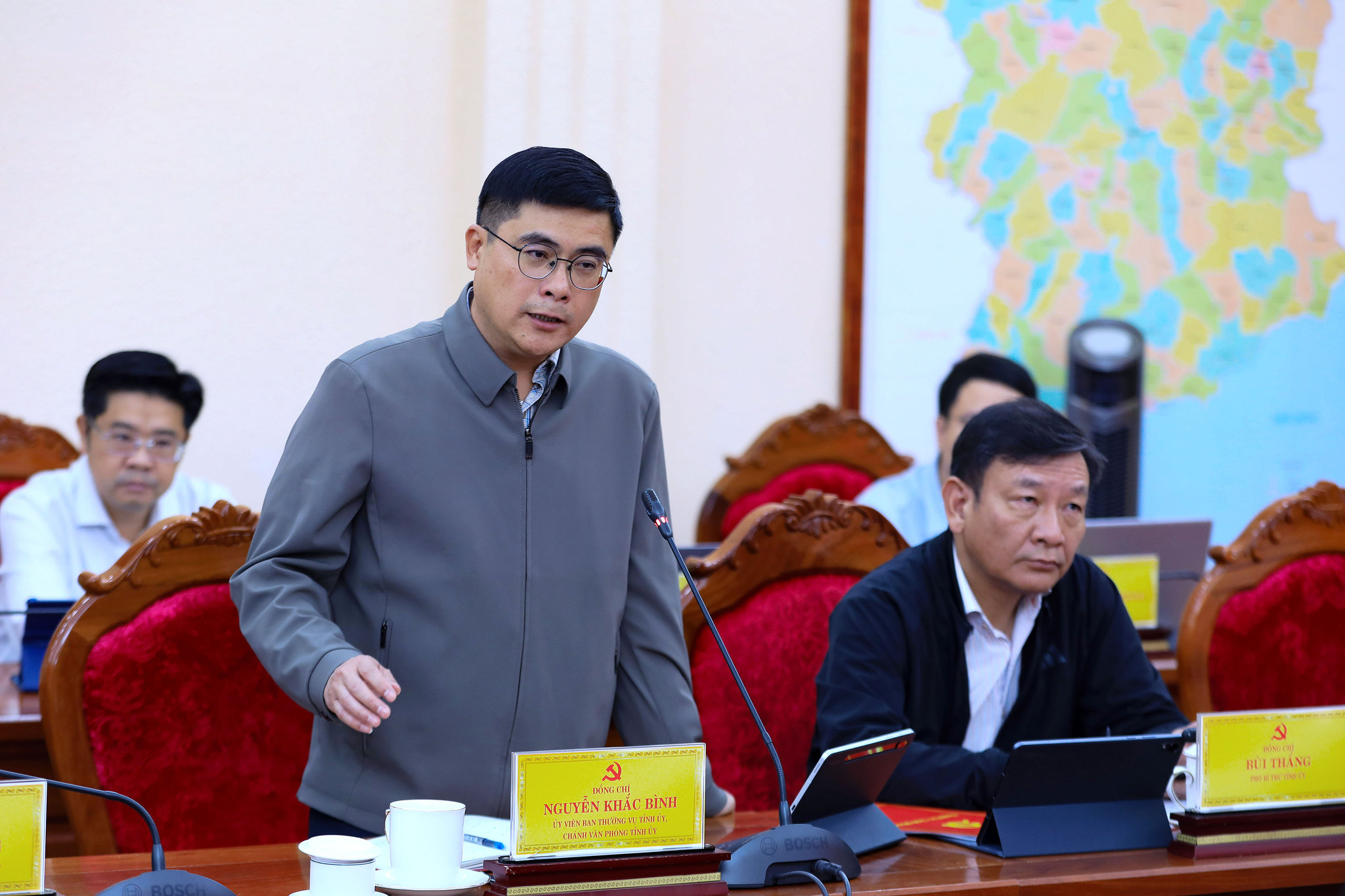
Several key infrastructure projects, particularly the Gia Nghia – Chon Thanh Expressway and projects in Da Huoai, continue to encounter difficulties because different compensation policies are being applied.
Delegates also recommended the prompt development of a unified petition and complaint management software system to minimize duplicate submissions and improve the effectiveness of complaint and denunciation resolution.
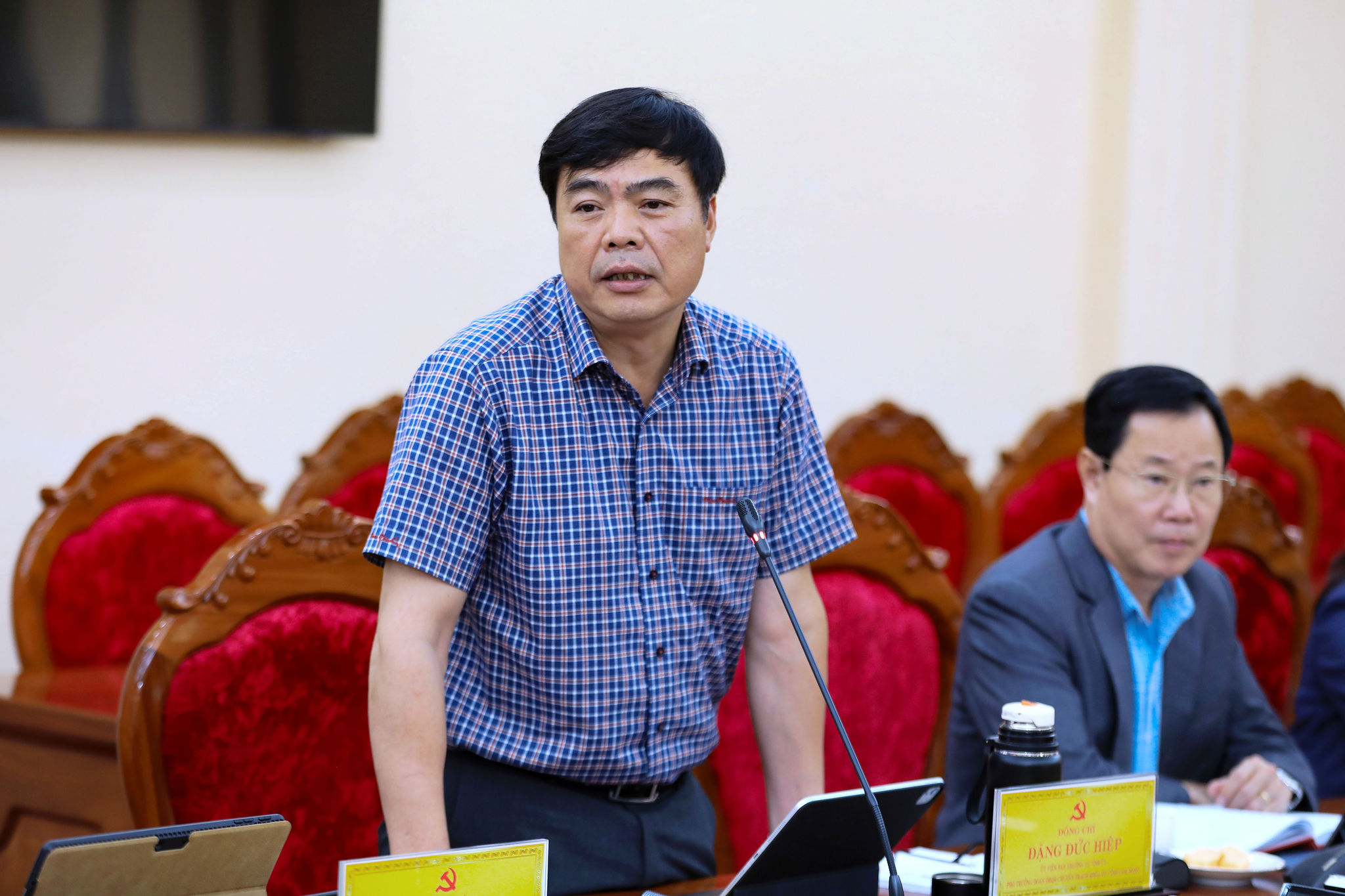
In addition, many localities reported shortages of cadastral officers, construction specialists and information technology personnel. Difficulties have also emerged in implementing Party administrative procedures in the digital environment, while digital infrastructure and equipment remain inadequate.
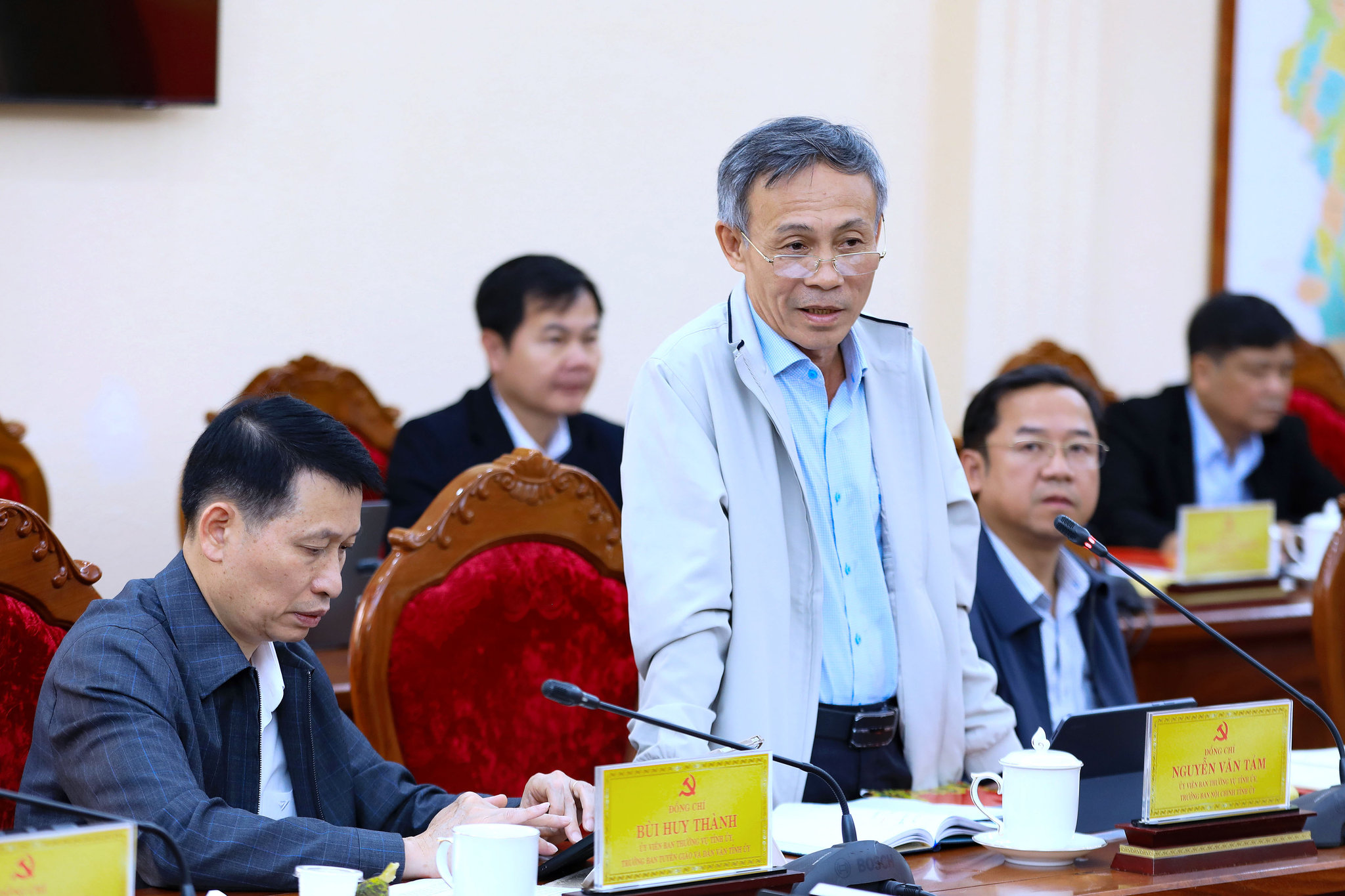
Forest management and protection in Dam Rong, Lac Duong and Tuy Duc continue to face significant challenges due to vast management areas, limited personnel and the lack of an effective management mechanism for non-forestry land.
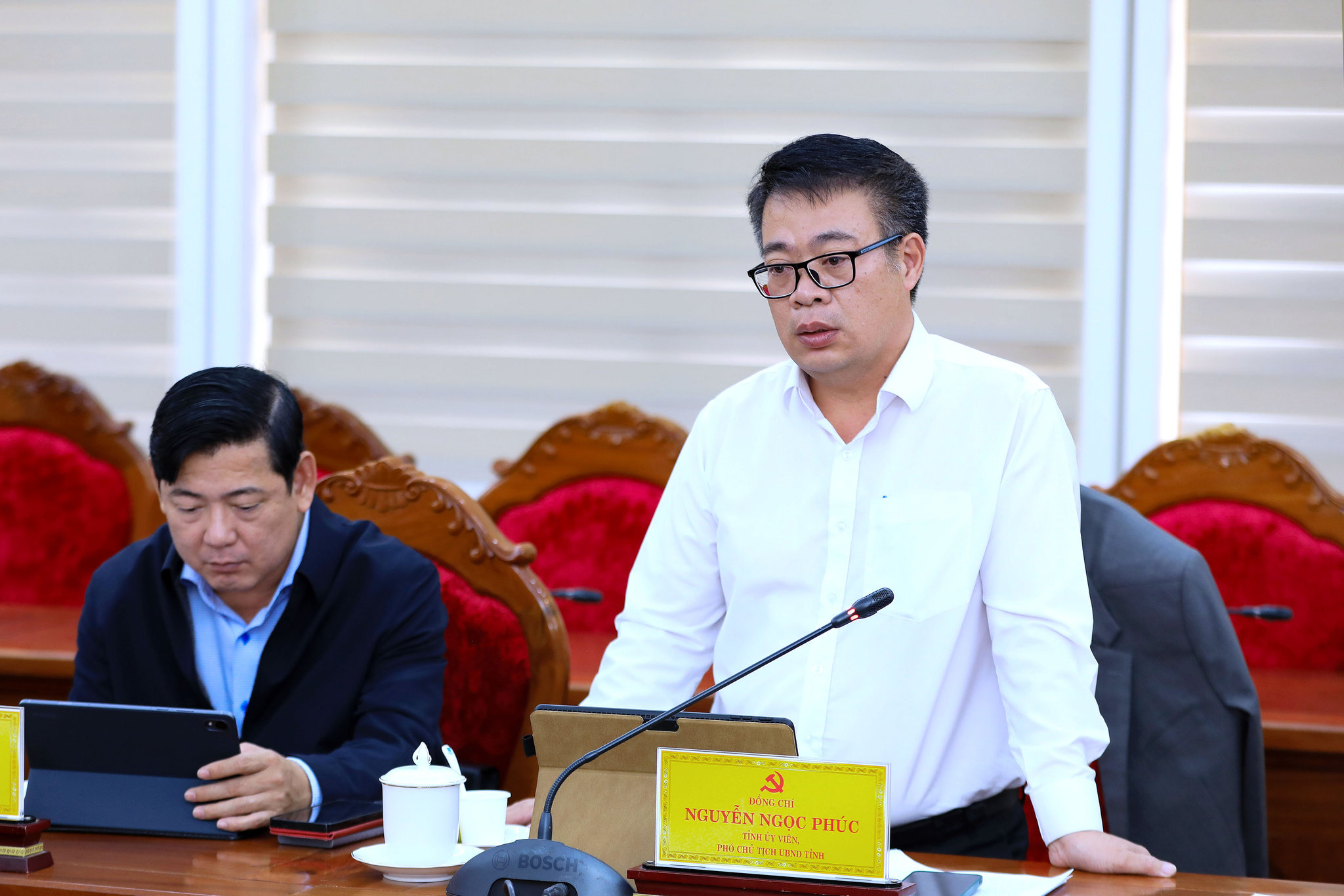
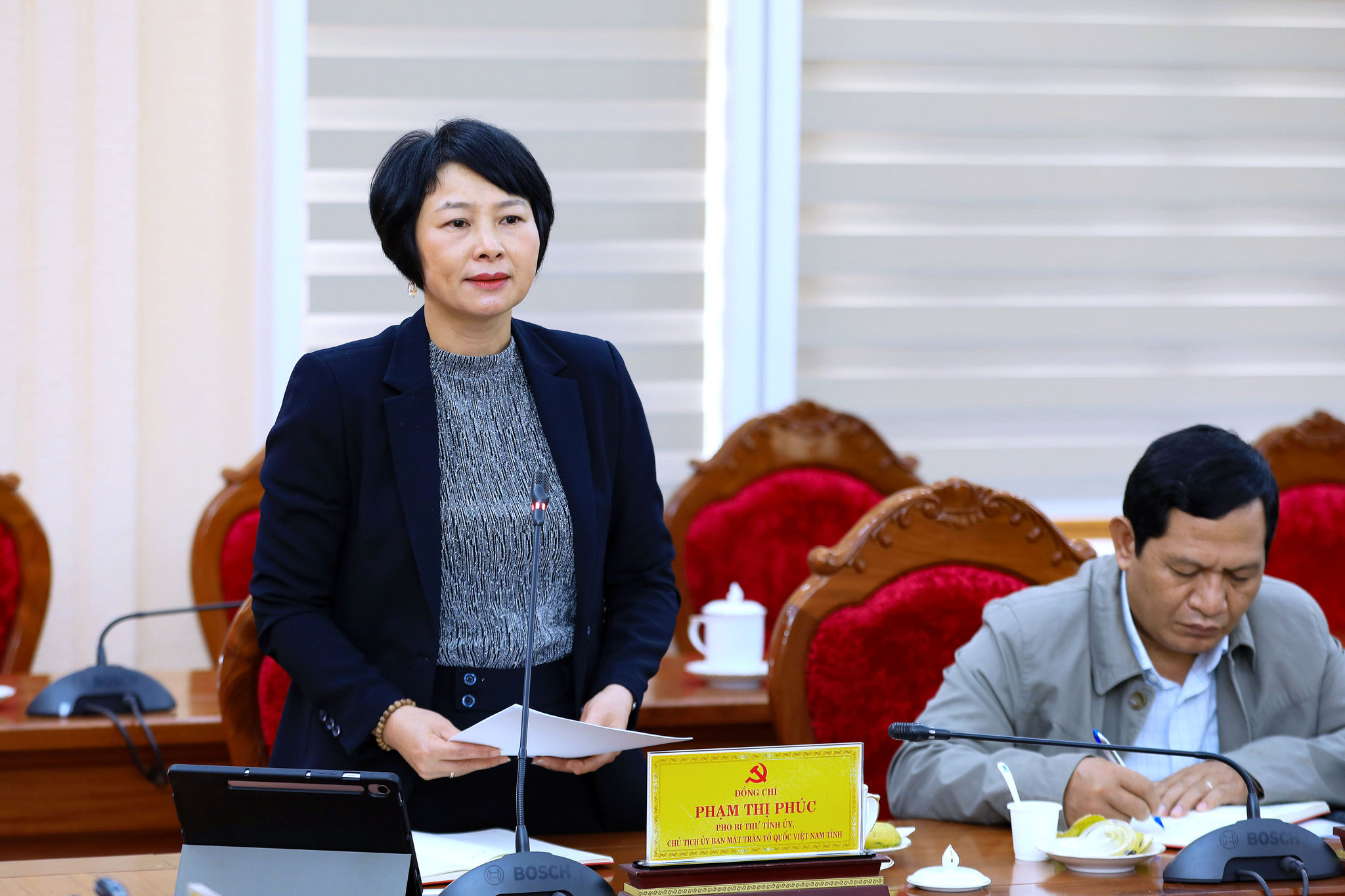
Pham Thi Phuc, Deputy Secretary of the Provincial Party Committee and Chairwoman of the Vietnam Fatherland Front Committee of Lam Dong Province, noted that several social welfare targets, particularly universal health insurance coverage, remain insufficiently sustainable, with results still depending largely on public awareness campaigns and government support policies. She also suggested reviewing the evaluation methodology for the province-wide health screening program to ensure that reported results accurately reflect actual implementation.
Chairwoman of the Vietnam Fatherland Front Committee of Lam Dong Province Pham Thi Phuc further assessed that the restructuring of the grassroots organizational system has generally received broad support. However, continued efforts are needed to strengthen political and ideological work and gradually reduce the number of officials holding multiple positions in order to improve the effectiveness of the grassroots political system.
Standing Deputy Secretary of the Provincial Party Committee Dang Hong Sy called on local authorities to stabilize their organizational structures and remain focused on fulfilling their assigned responsibilities. He emphasized that the central government has no policy for further large-scale restructuring of commune-level administrative units, and therefore grassroots officials should concentrate on effectively carrying out their duties.
Dang Hong Sy also called for a new reporting approach that focuses primarily on identifying difficulties and obstacles while proposing practical solutions. Regarding citizen reception and the settlement of petitions and complaints, the central government is developing a unified software system to improve case monitoring, supervision, and resolution.
Making work performance and public satisfaction the key measures
Concluding the conference, Y Thanh Ha Nie Kdam, Member of the Party Central Committee, Secretary of the Lam Dong Provincial Party Committee and Head of the Provincial Delegation of National Assembly Deputies, urged authorities at all levels and relevant sectors to remove implementation bottlenecks, deliver tangible improvements in governance, and meet the province's 2026 development targets.
.jpg)
Lam Dong Provincial Party Secretary Y Thanh Ha Nie Kdam noted that despite taking on numerous new responsibilities and a significantly heavier workload, Lam Dong has maintained political stability, ensured national defense and security, sustained economic growth, and gradually stabilized its two-tier local government system.
However, shortcomings remain in public investment disbursement, the implementation of several key projects, land clearance and digital transformation, all of which require prompt and decisive action.
The current challenges do not lie in policies or institutional mechanisms but primarily in implementation. Leaders at every level must stay close to the grassroots, proactively address emerging issues, and clearly define the responsibilities, timelines and expected outcomes of every task.
Y Thanh Ha Nie Kdam
Secretary of the Lam Dong Provincial Party Committee
For the remaining months of 2026, Lam Dong Provincial Party Secretary Y Thanh Ha Nie Kdam instructed the Provincial People's Committee to prioritize accelerating economic growth, with public investment disbursement and the implementation of major infrastructure projects identified as top priorities. The province will also continue removing obstacles related to land, natural resources and investment procedures to create a more favorable environment for mobilizing development resources.
.jpg)
Lam Dong Provincial Party Secretary Y Thanh Ha Nie Kdam also emphasized the need to accelerate the implementation of Resolution No. 57-NQ/TW on science and technology development, innovation and digital transformation, with service quality for citizens and businesses serving as the primary performance benchmark. Government agencies were instructed to expedite the digitalization of administrative records, maximize the use of shared databases, and shorten administrative processing times.
The Provincial Party Secretary further stressed the importance of continuing to improve the two-tier local government model through clearer decentralization accompanied by adequate resource allocation.
In particular, Provincial Party Secretary Y Thanh Ha Nie Kdam called for the entire political system to shift decisively from a process-oriented management model to a results-based management approach, using work performance and the satisfaction of citizens and businesses as the principal criteria for evaluating officials, agencies and public institutions.