


Lam Dong Focuses on Sustainable Forest Development
With its vast forest resources, Lam Dong has identified sustainable forest management as both an immediate task and a long-term strategic priority.
Tightening forest resource management
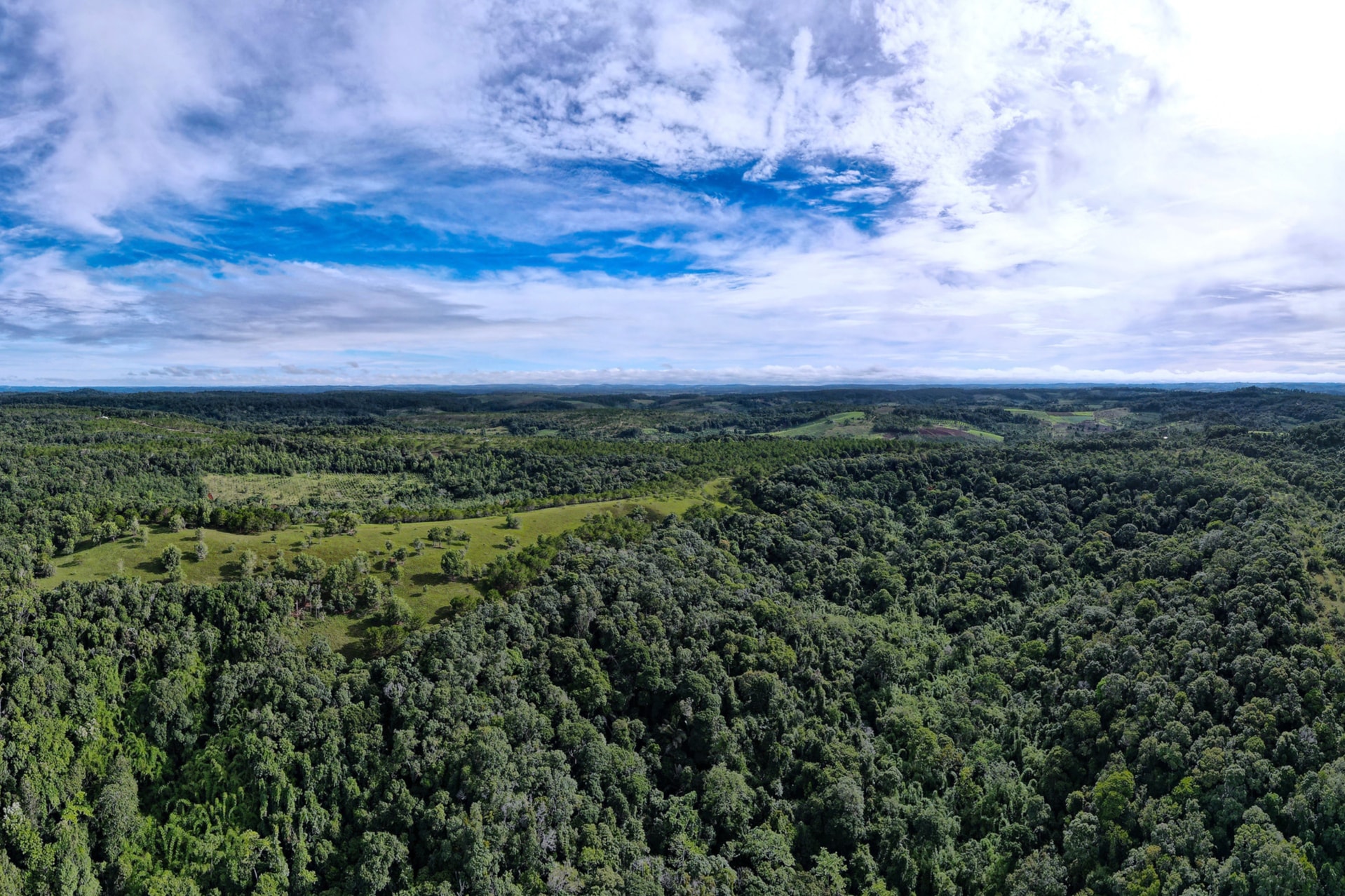
With 1,149,609 hectares of forest land, Lam Dong has the largest forest area in the country. Of this, 1,132,111 hectares are included in the forest coverage rate, maintaining a stable coverage of 46.72%, higher than the national average of 42%.
All forest areas have been assigned to management units, including 16 one-member forestry companies, three nature reserve management boards, 22 forest management boards, and four national parks: Ta Dung, Bidoup–Nui Ba, Cat Tien, and Nui Chua.
Between 2020 and 2025, the province planted 19,780 hectares of concentrated forest plantations. Nearly 3,500 hectares were newly planted in 2025 alone, up 3.05% from 2024. Payments for forest environmental services have delivered positive results, generating more than VND 450 billion a year and benefiting over 20,500 households, while helping improve livelihoods and raise community awareness. Currently, as much as 95% of forest areas are monitored through GPS and digital forest management systems.
Forest management responsibilities have been clearly defined among forest owners, improving protection efficiency and reducing overlaps. At the same time, units have proactively developed sustainable forest management plans linked to biodiversity conservation and local livelihoods.
A key highlight is the coordination mechanism among forest management units in bordering areas, such as between Ta Dung National Park, Serepok Protection Forest, Lam Ha, and Dak Glong – Gia Nghia.
According to Director of Ta Dung National Park Khuong Thanh Long, this mechanism enhances information sharing, joint patrols, and timely handling of violations. In unclear boundary areas, the first unit detecting a violation records the case before transferring it to the competent authority.
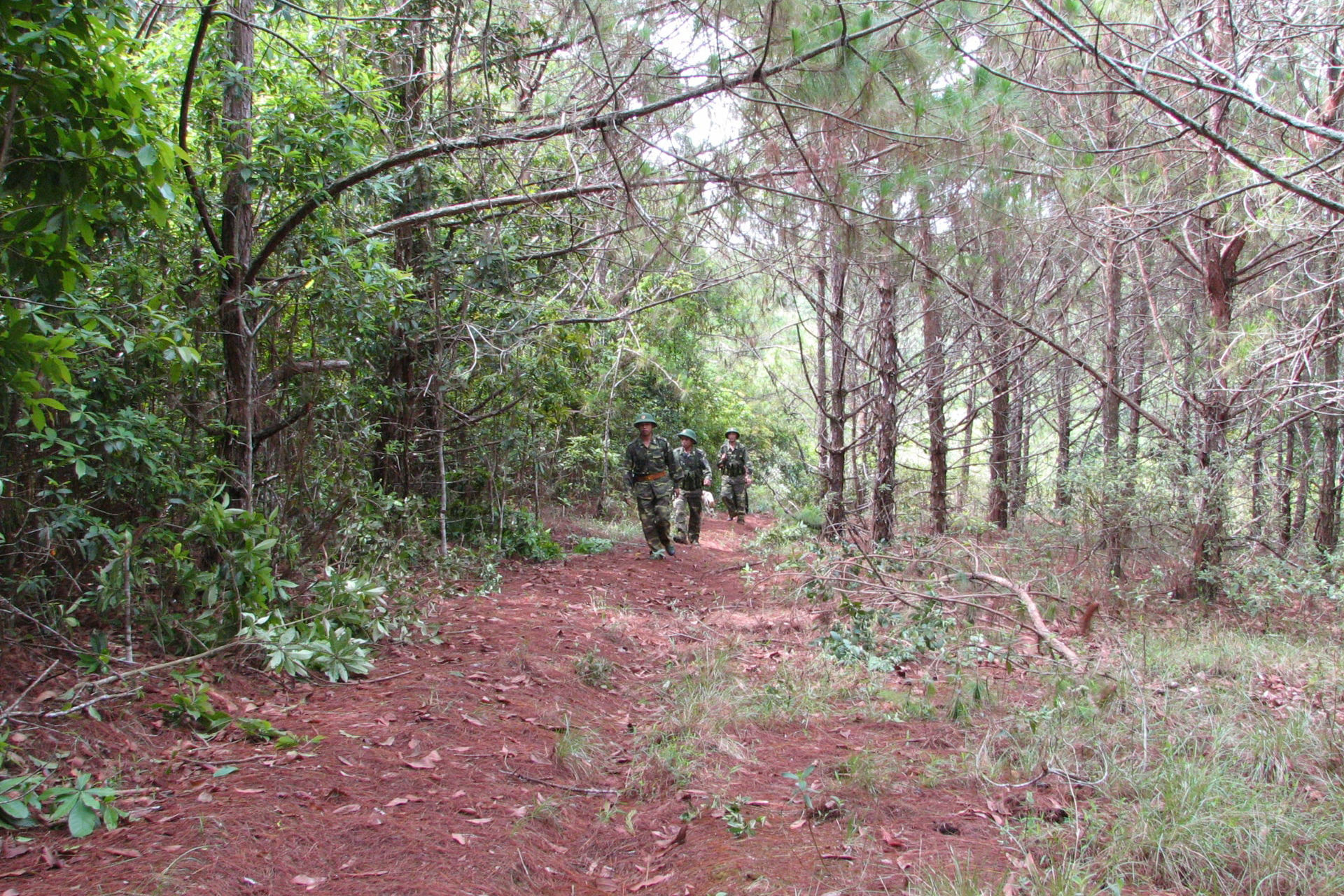
This coordinated approach helps prevent illegal forest encroachment, dismantle temporary camps, and curb violations early.
In addition, forest fire prevention and control is a top priority, especially during the dry season. Authorities have strengthened control over the use of fire in slash-and-burn farming to reduce the risk of forest fires.
Preserving the “green lungs”
Amid growing demands for sustainable development, protecting and expanding forests not only serves environmental purposes but also creates opportunities for green economic growth and improved livelihoods.
Sustainable forest management plans are not only procedural requirements but also vital tools to improve forest resource management. Their implementation will strengthen forest protection, develop the forestry economy, and support local livelihoods.
Le Trong Yen, Member of the Provincial Party Standing Committee and Standing Vice Chairman of the Provincial People’s Committee
The forestry sector identifies local communities as the core force in forest protection. Currently, 479,322 hectares—accounting for 41.7% of forest land—have been allocated to more than 20,500 households and 37 collectives, mostly ethnic minority groups, for management and protection.
Through awareness-raising campaigns and signed commitments, local people have gained a better understanding of forest protection and are taking a more active role in preventing illegal logging, the illegal transport of forest products, and wildlife hunting. The model helps ease pressure on forest rangers while creating additional income opportunities for local communities.
Lam Dong has also achieved positive results under the national program to plant one billion trees. In 2025 alone, over 3.3 million trees were planted, bringing the total for 2021–2025 to nearly 58.8 million trees, reaching more than 82% of the target.
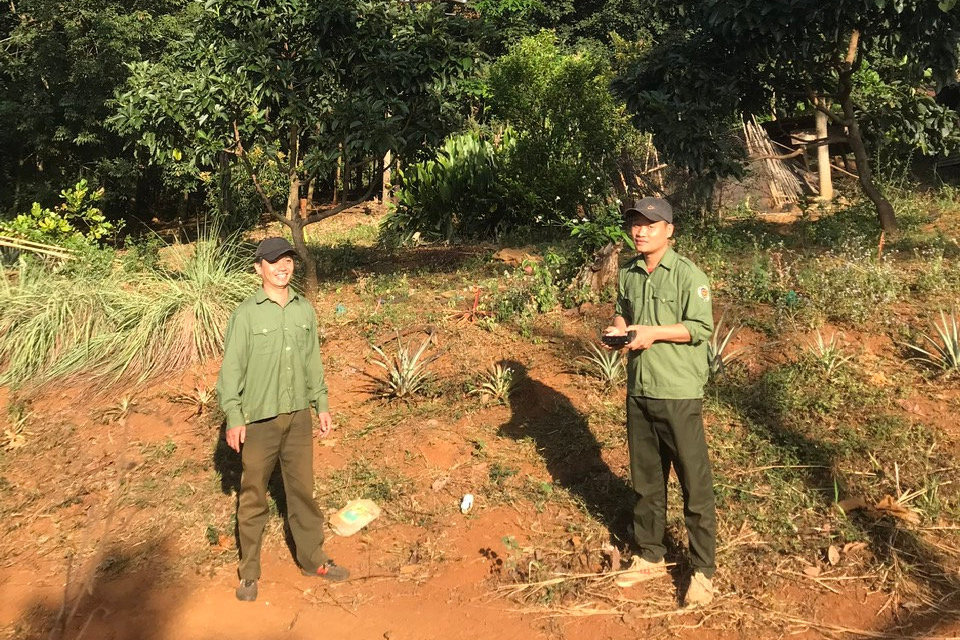
With coordinated efforts from authorities and local communities, forest management, protection, and development in Lam Dong have seen positive improvements. Strengthened forest inventories, synchronized databases, and enhanced coordination in border areas have helped improve efficiency and reduce violations at the grassroots level.
However, challenges remain. Of around 400 units required to develop sustainable forest management plans, only about 150 have implemented them, while 250 have yet to do so. Among 49 state forest owners, only 15 land-use plans have been approved, 18 are under review, and 16 have not yet been implemented, affecting management effectiveness and posing potential risks.
These limitations are mainly due to boundary changes after administrative mergers, outdated land records, overlapping legal regulations, and constraints in manpower, funding, and coordination among units.