


Lam Dong Health Sector Strengthens Surveillance and Prevention of Hantavirus Disease
On May 11, the Lam Dong Provincial Department of Health requested relevant units to strengthen surveillance and prevention measures against Hantavirus disease.
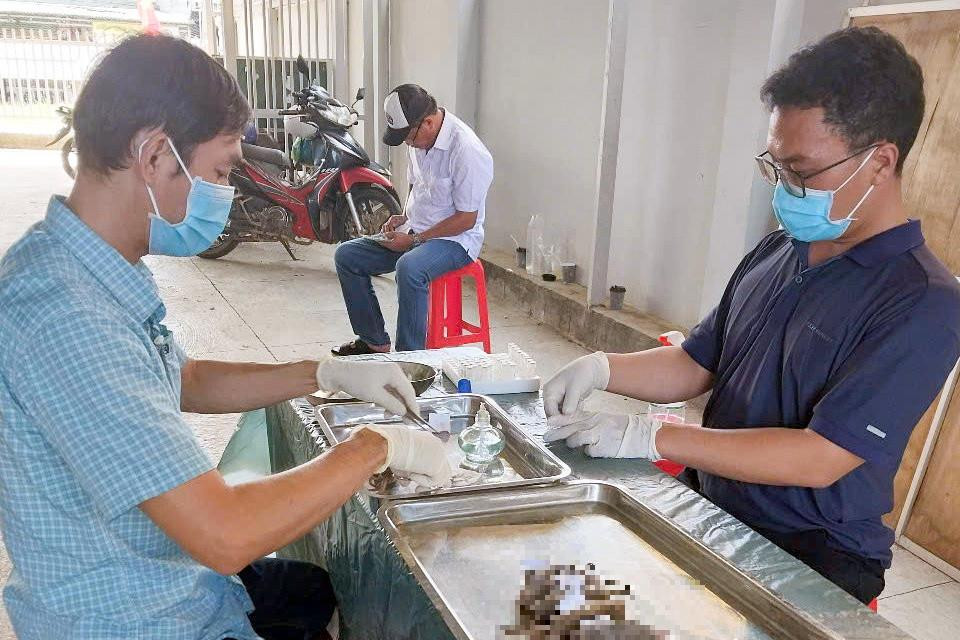
Proactive Monitoring and Enhanced Disease Response Capacity
Accordingly, the provincial Center for Disease Control has been assigned to proactively update global disease information and health declaration data, while closely monitoring people, vehicles, and goods entering Vietnam from areas reporting infections.
The goal is to promptly detect confirmed or suspected Hantavirus cases, including vehicles and goods showing signs of carrying disease agents, in order to implement immediate isolation, management, testing, and response measures at border checkpoints.
During surveillance and medical response activities, units are required to strictly follow border health quarantine procedures, conduct disinfection of ports and vessels in accordance with infectious disease prevention regulations, and fully comply with personal protective measures.
Authorities will also continue rodent surveillance and control activities at border checkpoints in line with guidance from the Ministry of Health, while proactively coordinating training programs for medical staff on disease prevention, surveillance, and the use of personal protective equipment.
At the same time, the health sector is intensifying public communication efforts to raise awareness of environmental sanitation, rodent control, and ways to avoid contact with rodent waste to effectively prevent infection.
Medical examination and treatment facilities across the province have been instructed to remain vigilant for suspected cases showing symptoms such as fever, chills, headache, dizziness, muscle pain, nausea, vomiting, abdominal pain, or diarrhea, especially among individuals with a history of exposure to rodents, particularly rats.
Healthcare facilities are also required to prepare isolation areas and emergency resuscitation equipment to ensure timely treatment of severe cases and minimize fatalities.
Hantavirus is transmitted from rodents, particularly rats, to humans through direct contact or inhalation of dust contaminated with rodent excreta carrying the virus. The disease can cause pulmonary syndrome or hemorrhagic fever with renal syndrome, progress rapidly, and potentially lead to death. No specific antiviral treatment is currently available.
According to the World Health Organization (WHO), in early May 2026, a cluster of severe acute respiratory infections caused by Hantavirus was reported aboard a cruise ship traveling from Argentina across the South Atlantic. As of May 4, 2026, seven confirmed and suspected cases had been recorded, including three deaths.