


Lam Dong Healthcare Reaps Benefits from Comprehensive Digital Transformation
After 18 months of implementing the Politburo's Resolution No. 57-NQ/TW, Lam Dong's healthcare sector has achieved significant progress in digital transformation, laying the foundation for a modern, smart healthcare system centered on patients.
Towards Paperless Hospitals
One of the most noticeable changes for patients visiting healthcare facilities across the province is the gradual disappearance of paper medical records and long waiting lines.
Hospitals have introduced self-service smart kiosks, allowing patients to register for appointments, select medical services, and check treatment costs independently. The system shortens waiting times, eases congestion, and reduces administrative workloads for healthcare staff.
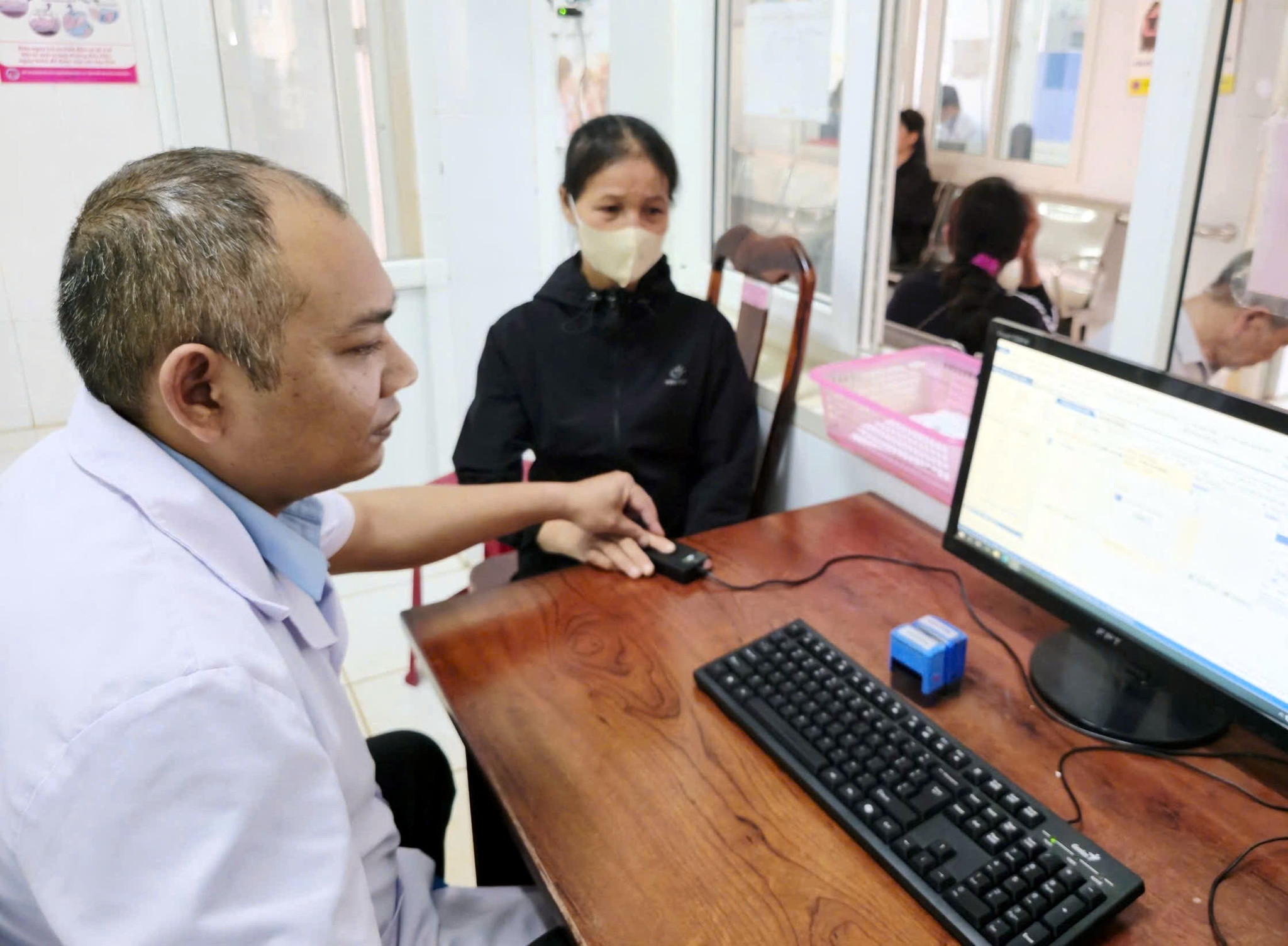
The adoption of Electronic Medical Records (EMR), combined with digital signatures and fingerprint authentication, has further streamlined healthcare services. Medical records are now fully digitized, enabling doctors to access patients' treatment histories instantly without relying on paper files.
Since November 2025, the Dak Mil Regional Medical Center has completely replaced paper records with an electronic medical record system.
Nguyen Dang Trung, Director of the Dak Mil Regional Medical Center, said eliminating paper records has improved operational efficiency and patient satisfaction. However, he noted that maintaining long-term compatibility of digital records could become a technical challenge if software providers change in the future.
Strong Results Across the Healthcare System
Alongside EMR deployment, the implementation of Project 06 has delivered substantial results.
All public healthcare facilities in Lam Dong now maintain data connectivity with the national healthcare information system. More than 120,000 digital medical certificates for driver's license applications and over 32,000 online birth certificates have been issued.
Patients can now complete registration procedures within minutes using either chip-based citizen identification cards or the VNeID digital identity application.
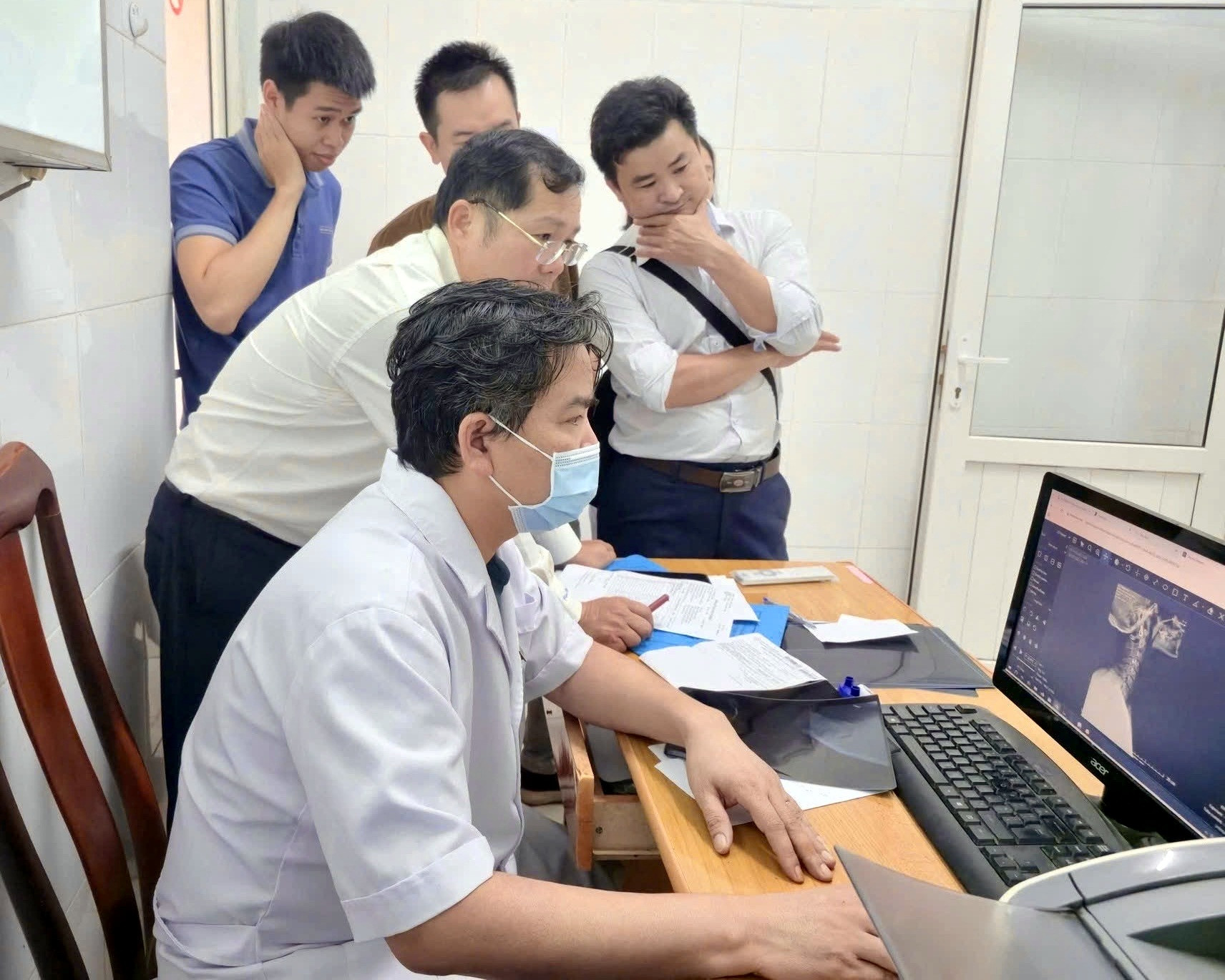
Professional management has also advanced significantly, with Lam Dong becoming one of Vietnam's pioneering provinces to pilot artificial intelligence (AI) integration into its Hospital Information System (HIS).
AI serves as a virtual assistant for physicians by identifying potentially dangerous drug interactions, analyzing laboratory results more efficiently, and checking health insurance payment data to minimize medical errors.
Online public services have also improved considerably. Since mid-2025, 99.58% of administrative procedures have been processed online, while all provincial-level healthcare services are now available regardless of administrative boundaries.
The Lam Dong Department of Health ranked sixth among the province's 13 specialized departments in the provincial index measuring services for citizens and businesses and received an "Excellent" rating.
According to Huynh Thanh Huynh, Deputy Director of the Department of Health, the healthcare sector will focus on several priorities during the remainder of 2026, including:
- Completing the province-wide transition from paper records to electronic medical records to establish fully paperless hospitals.
- Raising the successful use of citizen ID cards and VNeID for patient registration to over 90%.
- Increasing cashless payments to account for more than 50% of healthcare transactions.
- Accelerating information security certification and completing the sector's shared healthcare database connected to the provincial data platform.
To date, all 36 hospital-level healthcare facilities in Lam Dong have completed the deployment and evaluation of electronic medical records, exceeding the original implementation schedule.
Among them, 17 facilities have officially announced EMR adoption on the Ministry of Health's portal, with electronic medical records now accounting for 37.1% of all medical files in the province, equivalent to nearly 160,000 patient records.