Lam Dong mobilizes resources to protect forests during the peak dry season
Chinh Thanh•15/04/2026 19:35
In early April, as heat intensifies and humidity drops sharply, the risk of forest fires in Lam Dong has reached a high warning level.
Three-needle pine forests across Lam Dong Province face a high risk of fire during the dry season.
Across pine, mixed, and production forests in Lam Dong, rangers, forest owners, and local authorities are entering the most critical fire-prevention period of the year to protect forest resources.
High fire risk leaves no room for complacency
According to the forestry sector, as of April 11, 58 communes and wards in Lam Dong were under Level V warning—the highest and most dangerous level on the forest fire warning scale. Another 30 localities were at Level IV and 36 at Level III, posing a serious threat to hundreds of thousands of hectares of forest.
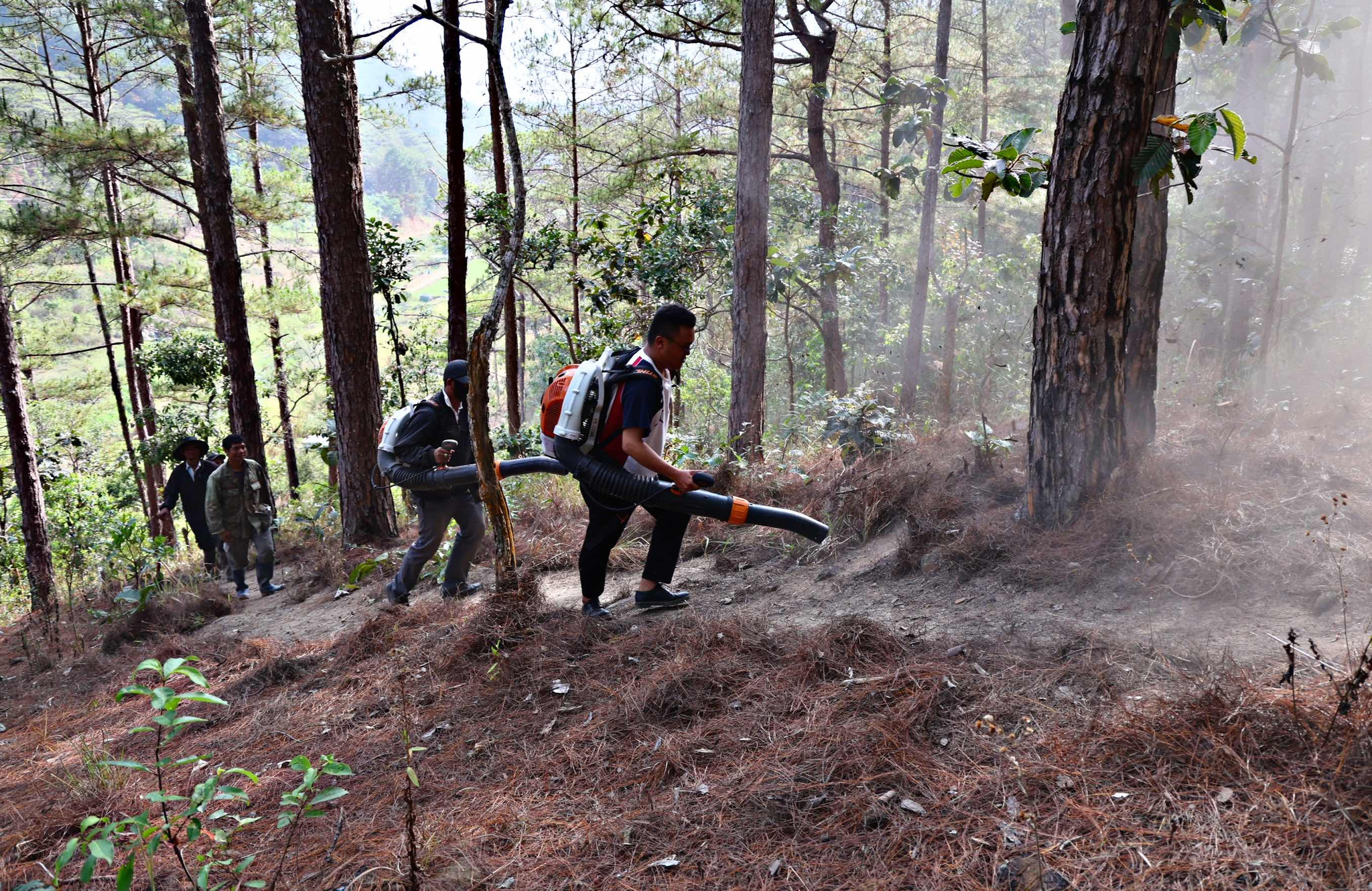
Forest management staff and contracted households of the Serepok Protection Forest Management Board clear flammable undergrowth to reduce the risk of fires in young three-needle pine forests during the peak dry season.
The 2026 dry season is expected to begin earlier and last longer than usual. Key areas such as Da Lat, Lac Duong, Dam Rong, Ta Dung, and Bac Binh have experienced prolonged periods without rain. Thick, dry vegetation combined with the resin-rich characteristics of three-needle pine forests in the highlands significantly increases the risk of ignition and rapid fire spread.
In Gia Hiep Commune, where forest coverage exceeds 73%, forest fire prevention and control (FFPC) has been implemented early. With nearly 24,000 hectares of forest land, protecting forests is identified as a top priority during the dry season.
Hundreds of thousands of hectares of forest in Lam Dong are at very high risk of fire, with authorities intensifying field inspections to ensure early detection and response.
In the first three months of the year, forest management units not only focused on tending plantations but also strengthened inspections, monitoring, and practical fire prevention plans. Fire watch and reporting have been strictly maintained. As a result, although 19 small fires occurred, all were detected early and promptly controlled without damage to forest resources.
However, according to Nguyen Ha Loc, Deputy Director of the Department of Agriculture and Environment, scattered unseasonal rains have not been sufficient to reduce fire risks. Prolonged heatwaves are expected to continue, requiring localities to remain vigilant and prioritize prevention.
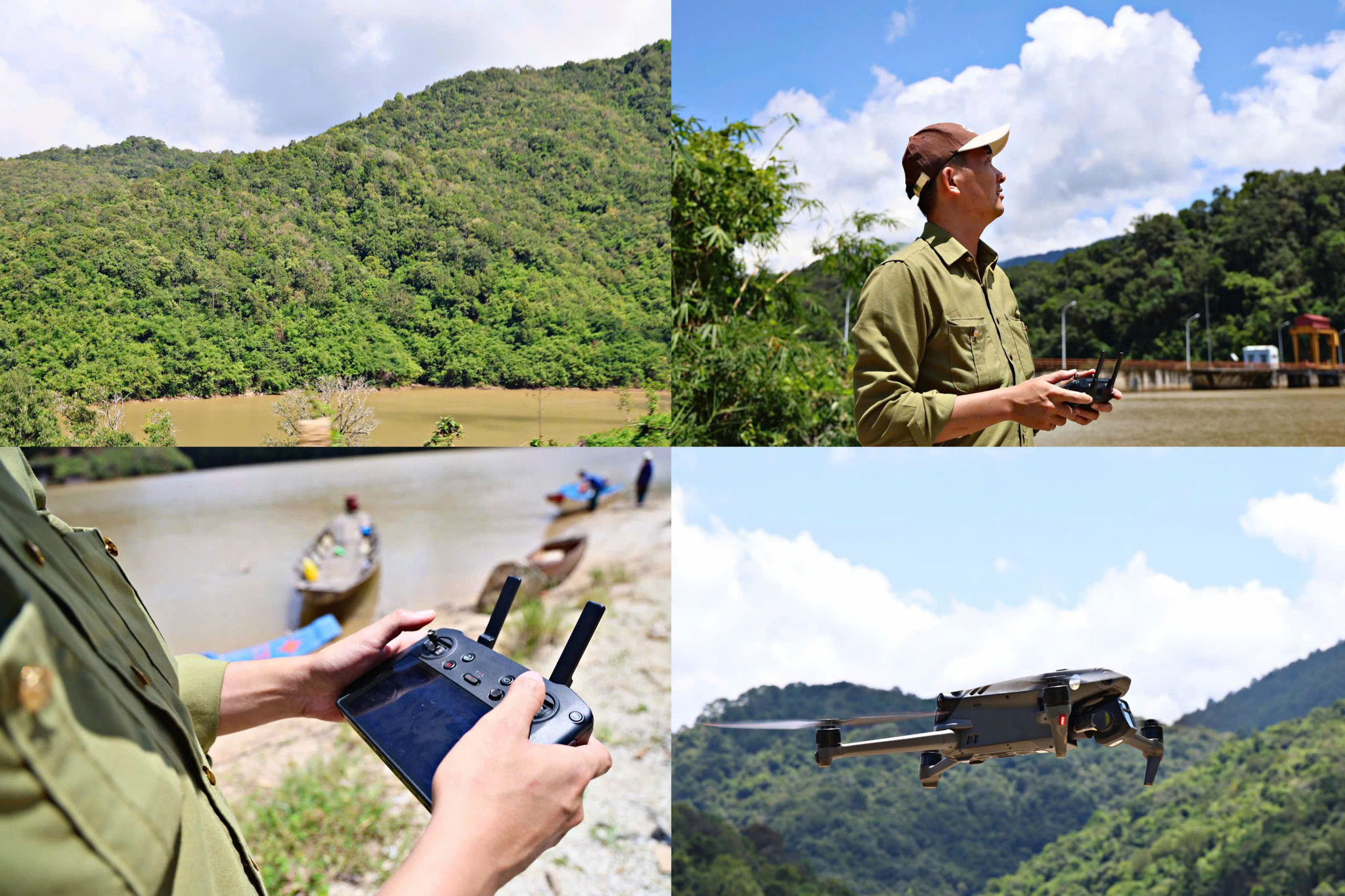
Forest management units are widely using drones to monitor large areas, detect fires early from a distance, and respond promptly during the peak dry season.
In Dam Rong, the Serepok Protection Forest Management Board—responsible for nearly 61,000 hectares of forest—is also under pressure. The vast area, stretching about 120 km along the Dak Lak border, makes management and patrol efforts challenging.
During the peak dry season, nearly all personnel have been mobilized, from staff at 10 management stations to more than 700 contracted households. Patrol teams operate continuously, closely monitoring high-risk areas.
“
The key to limiting forest fires is early detection and immediate response while the fire is still small. At the same time, we mobilize forces to proactively clear vegetation, create firebreaks in high-risk areas, and strengthen regular patrols and inspections.
Nguyen Van Nga, Head of Da Tong Forest Protection Station, Serepok Protection Forest Management Board
Nguyen Trong Man, Head of the Serepok Protection Forest Management Board, noted that prolonged heat in 2026 has dried vegetation, increasing fire risks. The unit has strengthened coordination, enforced strict management, and maintained 24/7 duty shifts. So far, no fires have caused damage to forest resources this dry season.
Tightened management, 24/7 readiness
In late March and early April, temperatures in many areas exceeded 30°C, with some locations surpassing 35°C. Low humidity and strong winds create favorable conditions for fires to ignite and spread rapidly.
Fire risks stem not only from weather conditions but also from human activities such as slash-and-burn farming, vegetation clearing, or careless use of fire.
Recent small-scale forest fires across the province have not caused significant damage, but they serve as a warning of the risk of larger outbreaks during the 2026 peak dry season.
A recent forest fire on the evening of April 9 in Tan Hoi Commune illustrates this risk. The blaze broke out around 10 p.m. in sub-compartment 301A and spread over about 1.5 hectares before being contained early the next morning. Although damage was limited to shrubs and ground vegetation, it highlighted the constant threat of larger fires.
Lam Dong currently has more than 1.14 million hectares of forest land, with over 1.13 million hectares under forest cover, achieving a coverage rate of nearly 47%.
This vast area is managed by forestry companies, forest management boards, national parks, and other organizations, requiring close coordination among multiple forces, especially during the dry season.
Staff of the Dai Ninh Protection Forest Management Board in Lam Dong Province clear vegetation boundaries to prevent forest fires during the peak dry season.
Even before the dry season began, the provincial People’s Committee issued directives requiring localities and forest owners to develop proactive FFPC plans. Forces are on 24/7 standby, fully prepared in terms of personnel, equipment, and supplies.
Commune-level authorities have been given a greater role in enforcing the “four-on-the-spot” principle, which emphasizes on-site forces, equipment, logistics, and command. Any fire must be tackled immediately as soon as it breaks out.
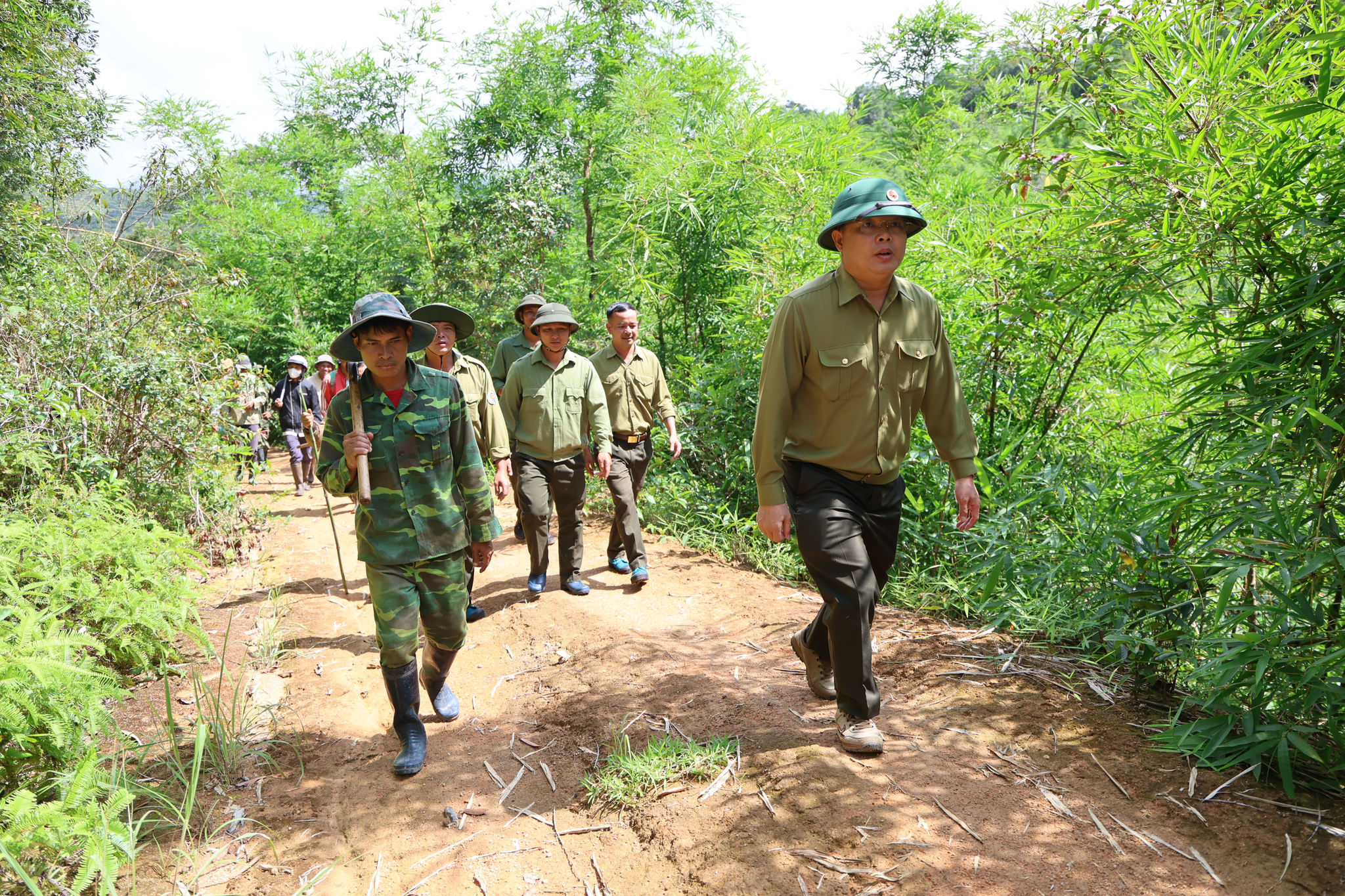
Leaders and staff of the Lam Vien Protection Forest Management Board conduct inspections and patrols for forest fire prevention on April 10.
Amid the heightened risk, forest owners and local authorities are strengthening management and proactive response measures. Patrols and inspections have been intensified, while technology is increasingly applied in forest monitoring.
Satellite-based fire warning systems and surveillance cameras at hotspots help detect smoke and fire early. Data is transmitted to operation centers, enabling faster and more effective coordination.
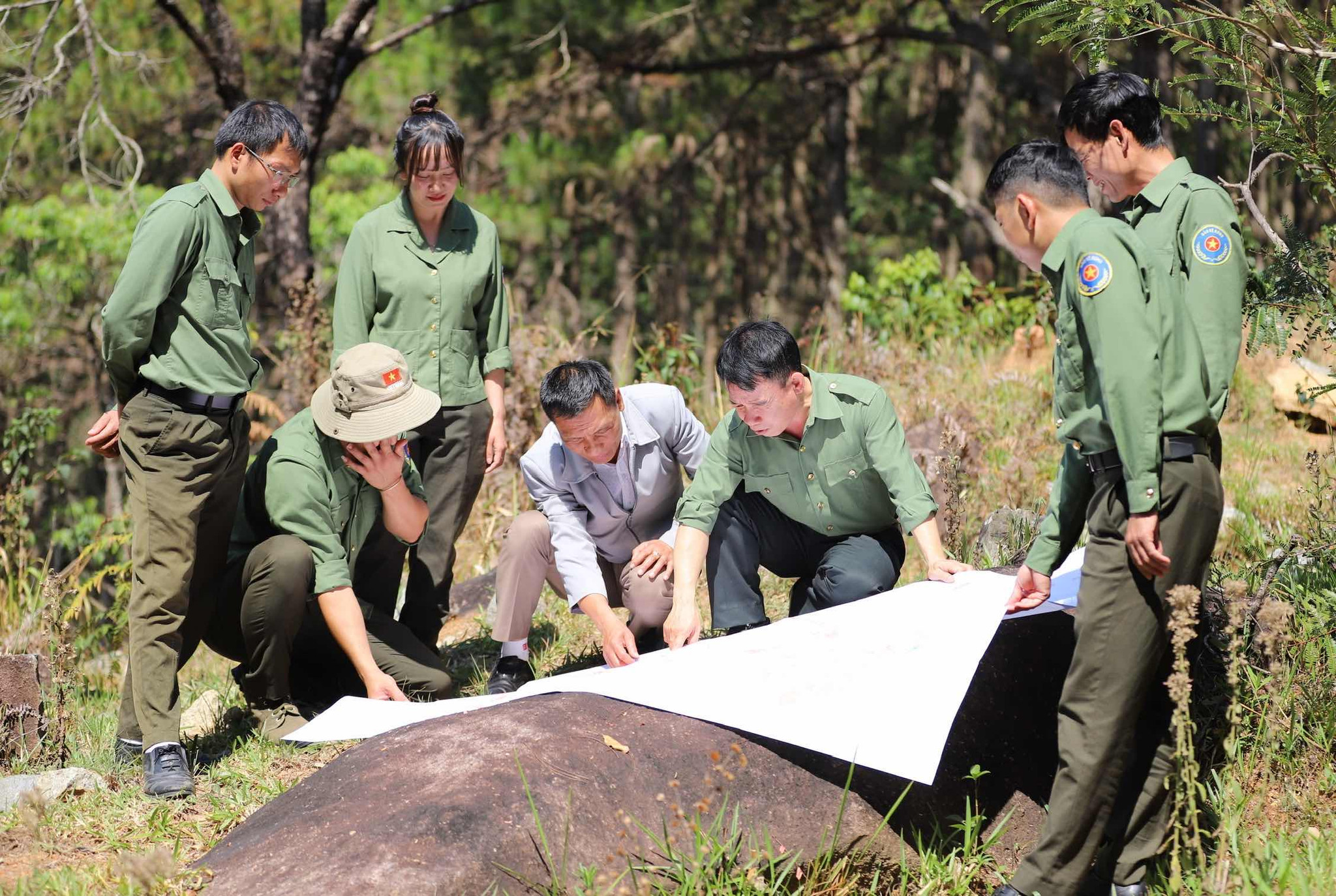
Patrolling, early detection, and prompt initial response are key tasks for forest owners and local authorities in protecting forests during the dry season.
Forest owners and forestry enterprises are also implementing measures such as clearing vegetation, creating firebreaks, and increasing patrols in border and residential areas. At the same time, public awareness campaigns are being strengthened to promote responsible use of fire and forest protection.
In reality, forest fires not only damage natural resources but also have long-term impacts on the environment, biodiversity, tourism, and local livelihoods. Lessons from past fires remain a strong warning.
A forest fire watchtower in the southern area of Lam Dong Province.
During the peak of the 2026 dry season, the fight against forest fires in Lam Dong continues day and night. To preserve the Central Highlands’ “green lungs” with nearly 47% forest coverage, not only rangers and authorities but society as a whole must join hands.
When every citizen raises awareness, complies with regulations, and actively prevents risks, forest fire threats can be effectively controlled, contributing to sustainable forest protection.



.jpg)
.jpg)
.jpg)
.jpg)
.jpg)
.jpg)