


Lam Dong moves to unlock its southeast growth hub with major projects
Authorities in Lam Dong are accelerating a series of large-scale urban, tourism, industrial and transport projects in the province’s southeastern area to create a new growth hub.
Urban and tourism projects gain momentum
The southeastern area of Lam Dong, formerly part of Binh Thuan Province, is emerging as a new development zone with multiple large investment projects.
.jpg)
Key developments include the Ham Tien – Mui Ne urban, commercial and service complex, with several subprojects designed to integrate housing, retail, tourism, healthcare and education.
One subproject, covering nearly 47.6 hectares with total investment of more than 7.5 trillion VND, has completed investment approval procedures and is preparing for land auction to select investors.
Another subproject spanning more than 218 hectares is undergoing land clearance and compensation, with part of the site already handed over to investors for initial development. A third project, covering about 157 hectares with investment exceeding 13 trillion VND, is set to be tendered.
In parallel, authorities are advancing the Ta Cu – Bung Thi – Song Phan eco-tourism and urban complex, covering thousands of hectares and including multiple components such as resorts, golf courses and residential areas.
.jpg)
A major highlight is the Bung Thi hot spring tourism project, approved with total investment of more than 22 trillion VND. The project is expected to become a high-end resort destination.
Infrastructure seen as a key driver
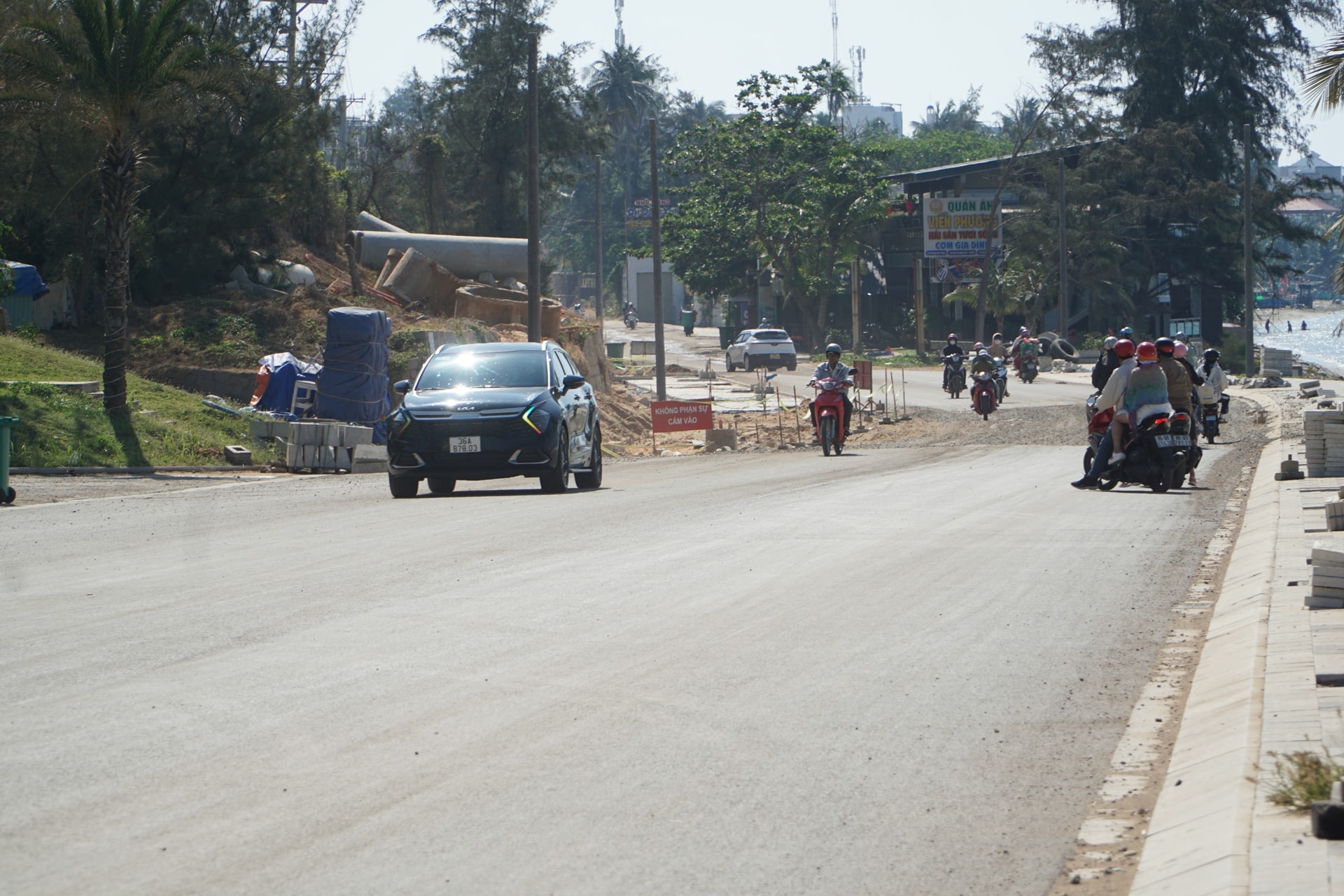
Transport infrastructure is being prioritized to support regional connectivity, particularly a coastal road linking Phu Thuy and Tien Thanh.
The 14.6-km route, designed with six lanes, is expected to ease congestion, improve connectivity and attract investment.
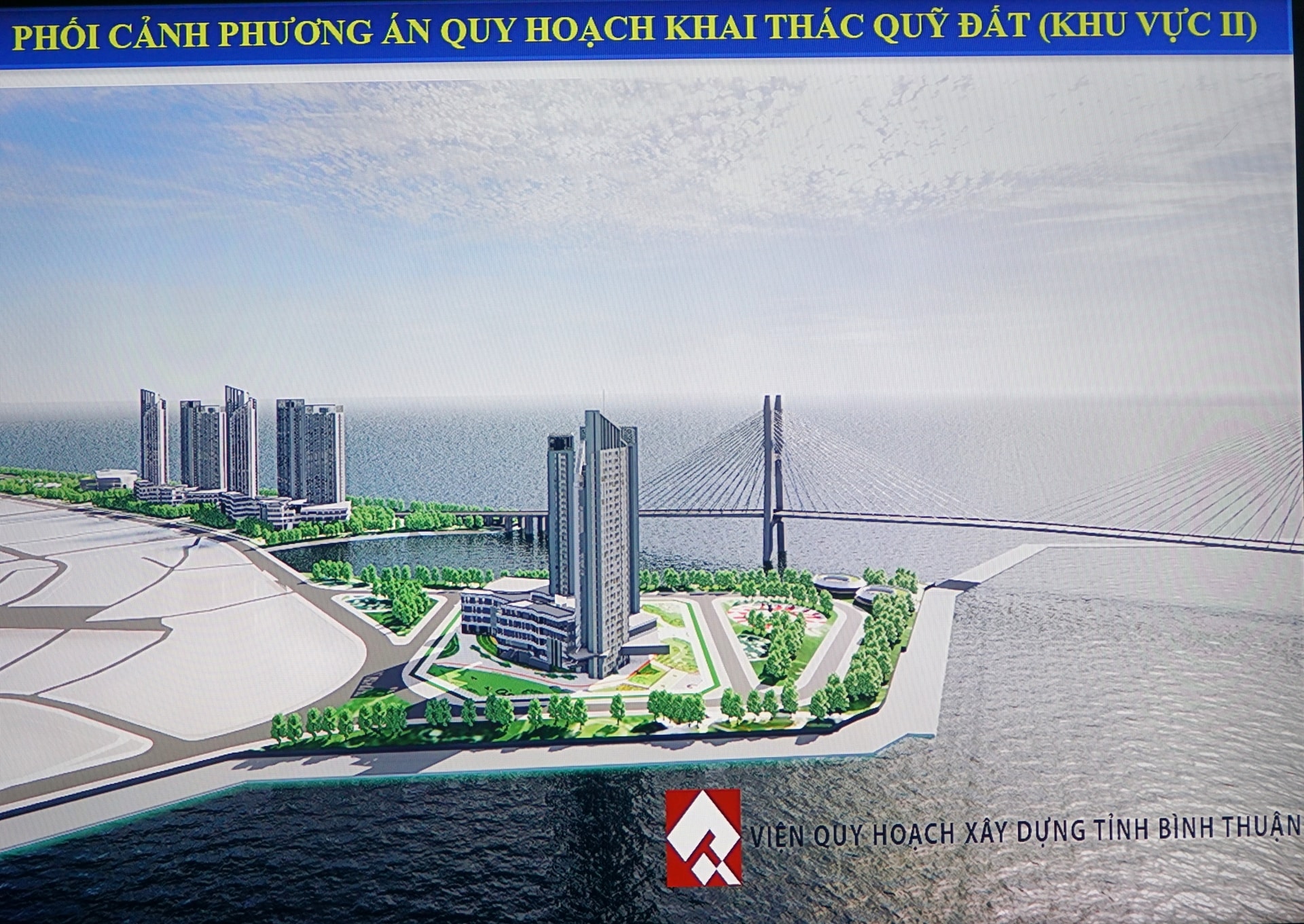
Bridges over the Ca Ty and Phu Hai rivers are planned with distinctive architectural designs, aimed at becoming new urban landmarks.
The corridor along the coastal road is being developed with green spaces, commercial areas and high-rise housing, targeting a modern and environmentally balanced coastal urban model.
Industrial expansion and investment pipeline
Industrial development is also advancing, led by Son My 1 and Son My 2 industrial parks.
Son My 1, covering more than 1,000 hectares, has attracted major energy projects including LNG terminals and gas-fired power plants, with registered investment of about $5.4 billion.
Son My 2, with nearly 470 hectares in its first phase, is under development and is expected to support job creation and industrial growth.
Additional projects, including coastal urban areas, sand dune tourism sites and rural residential-commercial developments, are undergoing planning and regulatory review.
Authorities aim to complete key planning approvals by May 2026.
Accelerating implementation
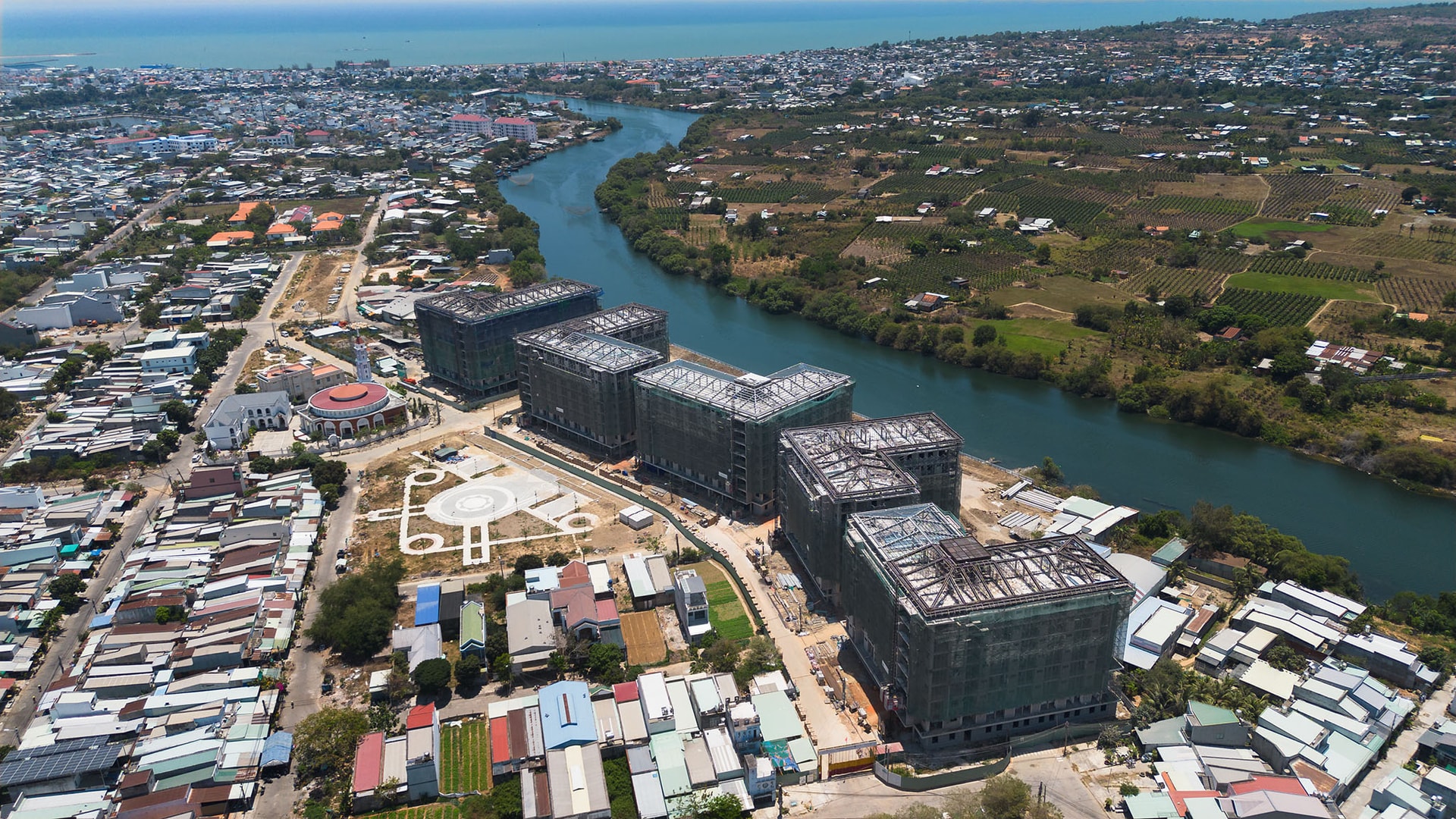
According to project management officials, more than 2.1 trillion VND in capital is being allocated to 117 projects across the area.
Of these, 35 projects are managed directly with total investment exceeding 1.35 trillion VND, while the remainder are overseen by regional project management units.
Provincial authorities have stepped up inspections and coordination among departments to remove bottlenecks, speed up disbursement and ensure project timelines.
Officials say the coordinated rollout of infrastructure and investment projects is expected to reshape the southeastern area into a new growth pole, supporting long-term economic expansion and improving living standards.