


Lam Dong on the Path to Becoming a National Energy Hub
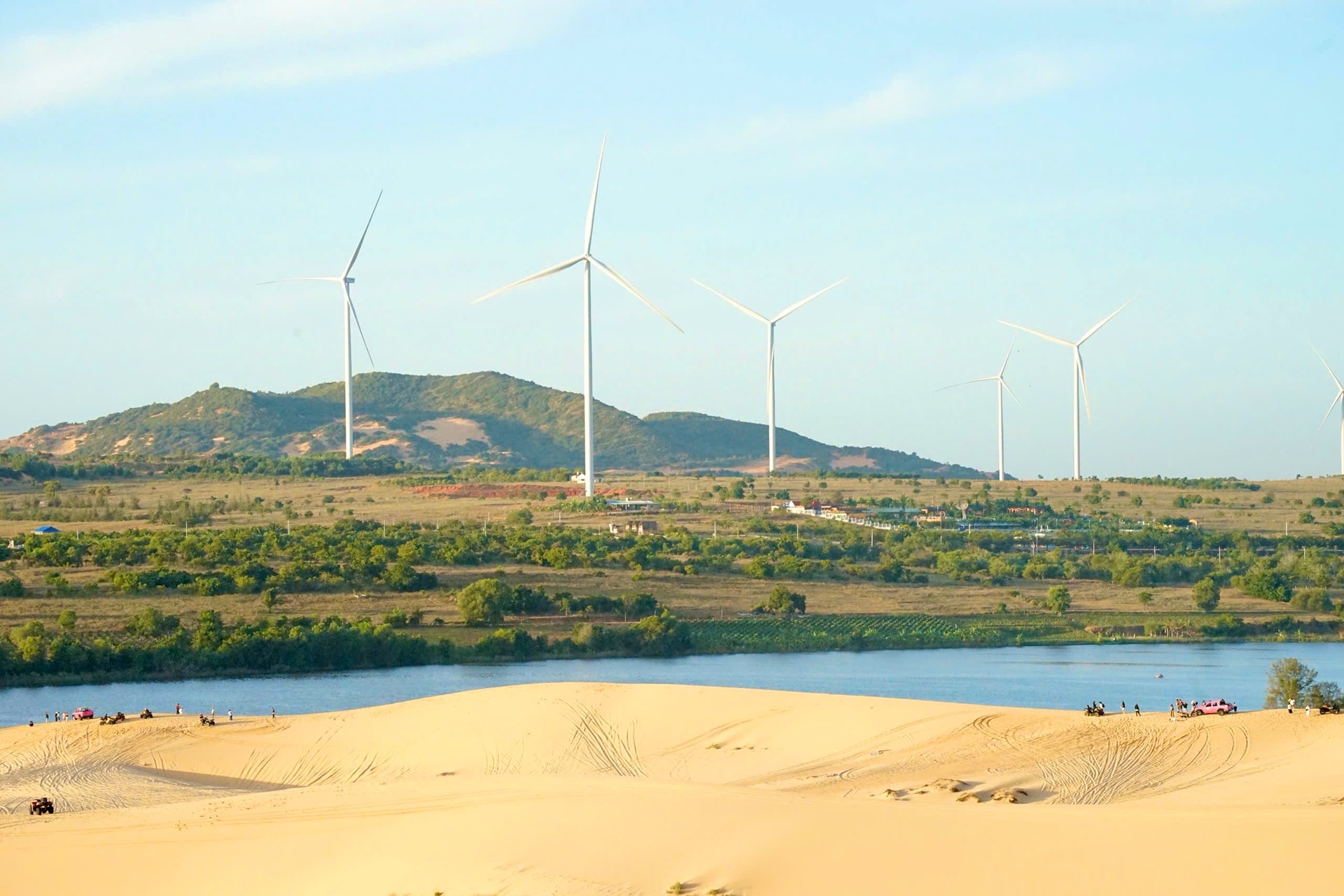
With a diverse, large-scale power ecosystem and strong renewable energy potential, Lam Dong Province is well positioned to develop into one of Vietnam’s leading energy centers.
Strong advantages in renewable energy
According to the Lam Dong Department of Industry and Trade, the province is currently operating 104 power generation projects with a total installed capacity of 8,241.89 MW.
These include six thermal power projects accounting for nearly 53% of total capacity; 58 hydropower projects contributing over 28%; 11 wind power projects (4.9%); 28 utility-scale solar power projects (over 14%); and one diesel power project with a capacity of 10 MW in Phu Quy Special Zone.
Lam Dong’s power grid system—comprising 500 kV, 220 kV and 110 kV transmission lines—plays a critical role not only in supporting the province’s socio-economic development, but also in supplying electricity to the South Central Coast and Central Highlands regions.
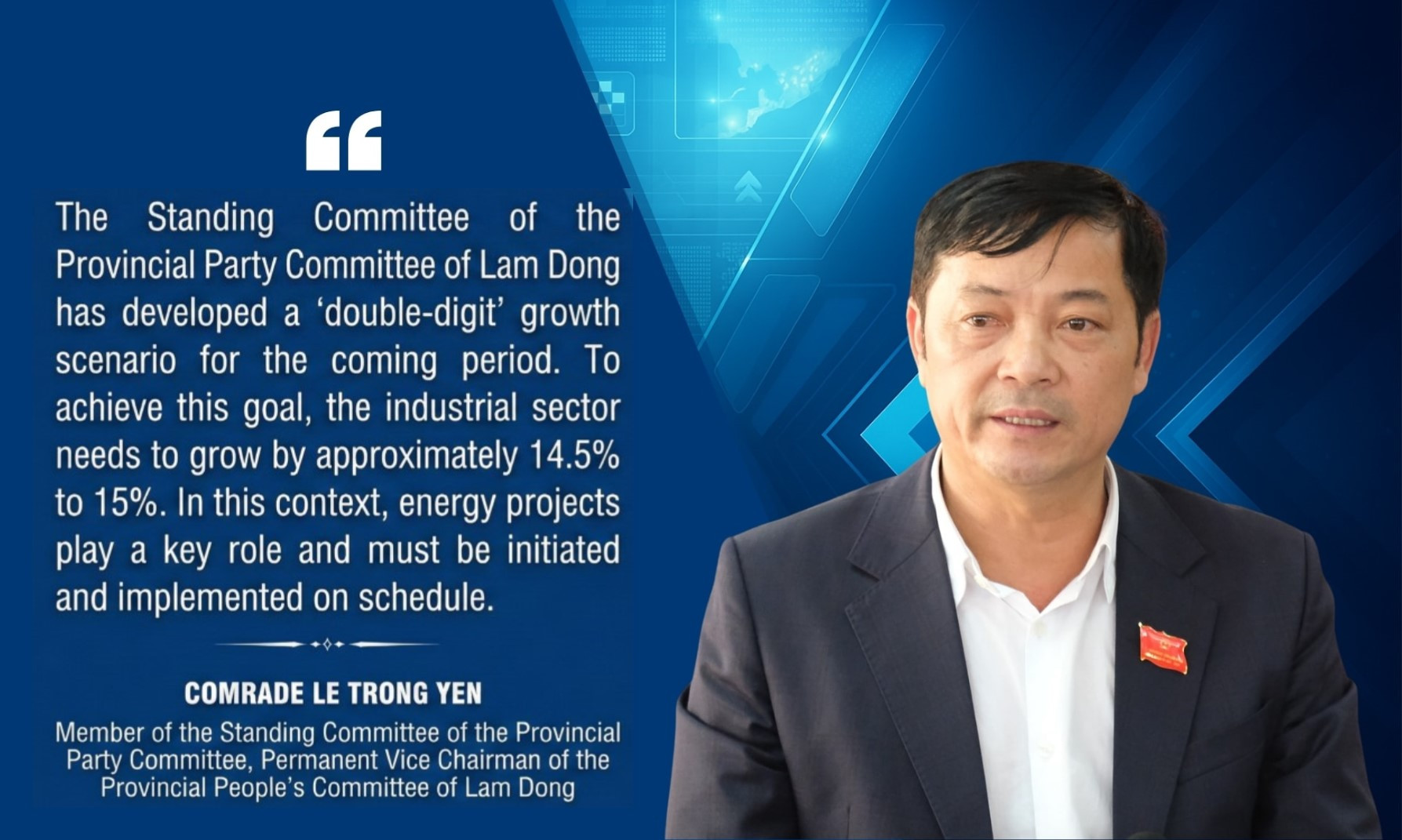
Vice Chairman of the Lam Dong Provincial People’s Committee Le Trong Yen emphasized that the province has clearly defined its goal of becoming a regional energy hub, with a strong focus on renewable energy development.
Driven by strong political determination and a strategic vision, Lam Dong has proactively updated and integrated power projects into the National Power Development Plan and provincial planning frameworks, while creating favorable conditions to attract energy investors.
At the same time, the province has actively coordinated with central ministries and agencies to address bottlenecks related to planning, investment procedures and land use, helping accelerate key energy projects.
Under the National Power Development Plan VIII (2021–2030, with a vision to 2050), Lam Dong has been allocated 5,625.6 MW of renewable energy capacity. Planned additions include 338.6 MW of hydropower, 300 MW of pumped-storage hydropower, 642 MW of onshore wind power, 2,000 MW of offshore wind power, 2,195 MW of solar power, and 150 MW of rooftop solar power.
Addressing planning, land and investment bottlenecks
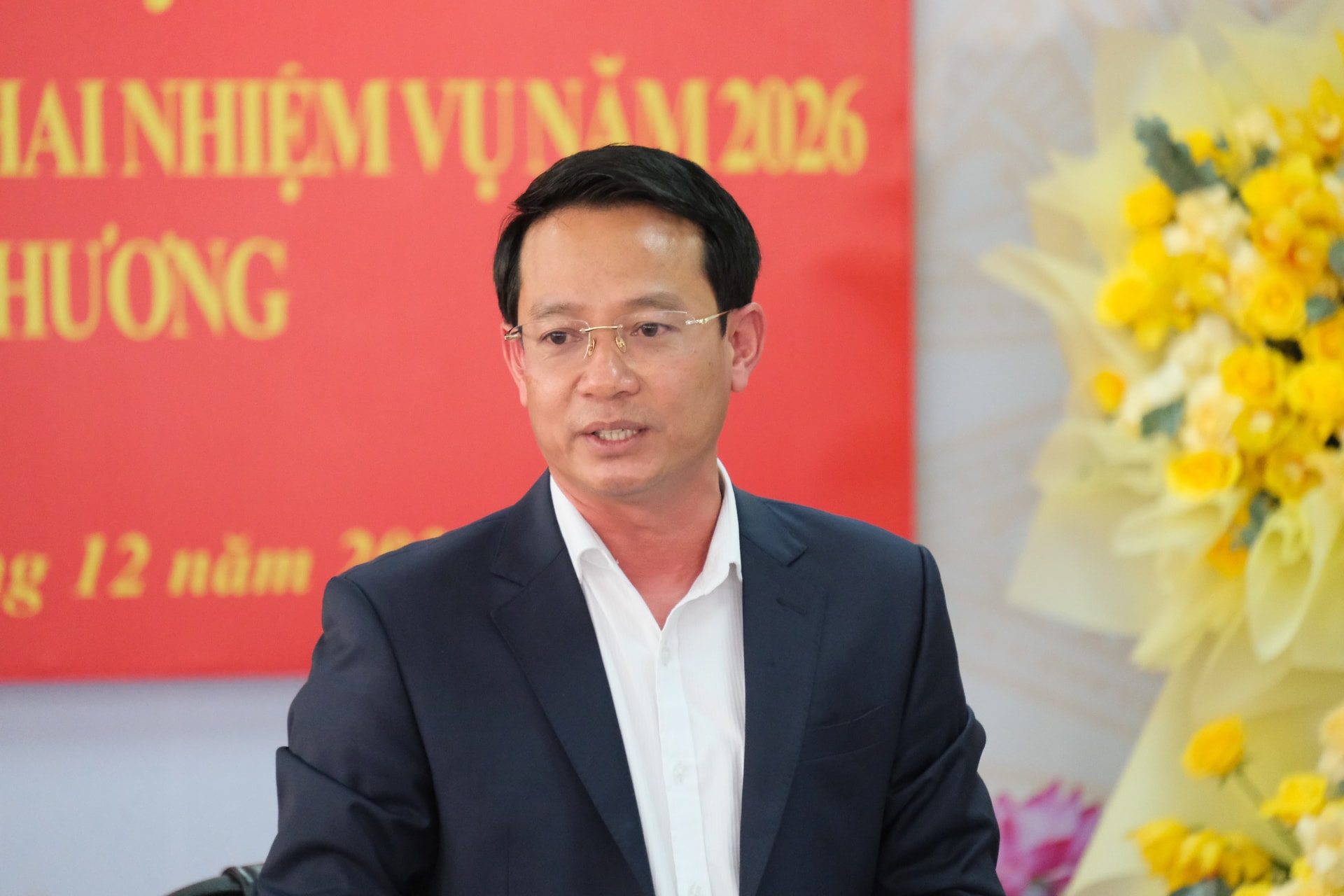
Director of the Lam Dong Department of Industry and Trade Nguyen Ba Ut said the province has been implementing comprehensive and decisive solutions to fully tap its energy potential.
Various economic sectors have invested in power generation projects across the province. Renewable energy projects have demonstrated strong performance, contributing to increased electricity output and serving as a driving force for local economic growth, as well as national defense and security.
Lam Dong aims to attract approximately 2,000 MW of offshore wind power investment during the 2025–2030 period, and an additional 2,300 MW between 2031 and 2035.
Despite its significant potential, the province continues to face challenges, particularly in investment procedures, land clearance, and overlaps between energy and mineral resource planning.
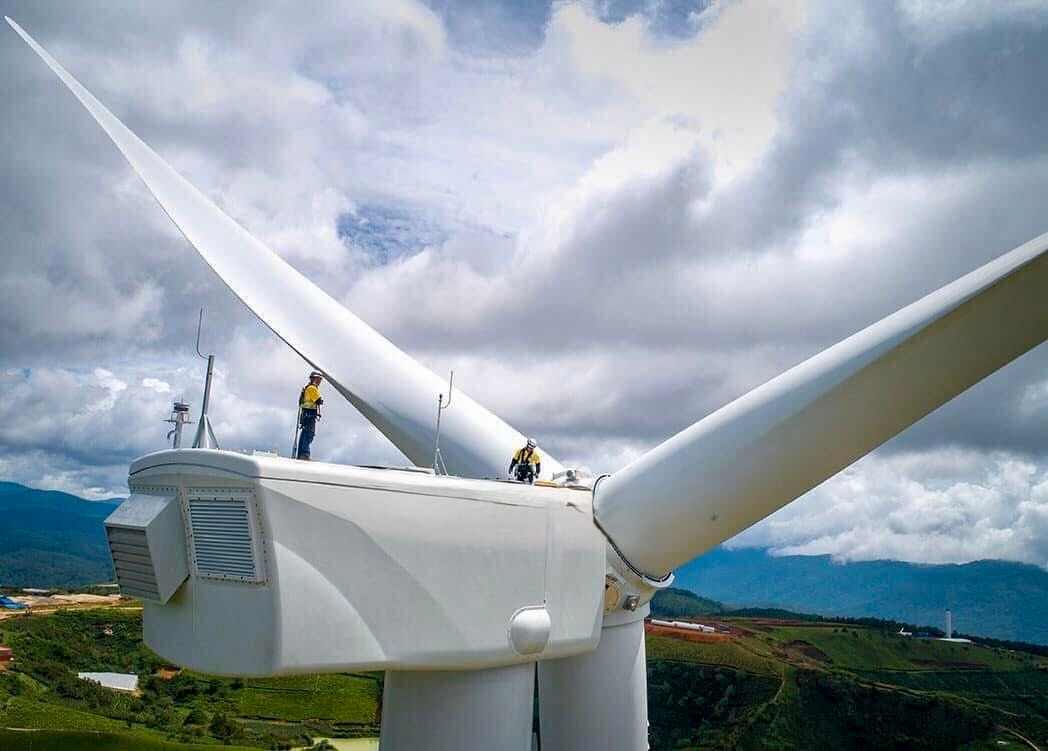
Lam Dong aims to attract approximately 2,000 MW of offshore wind power investment during the 2025–2030 period, and an additional 2,300 MW between 2031 and 2035.
Despite its significant potential, the province continues to face challenges, particularly in investment procedures, land clearance, and overlaps between energy planning and mineral resource planning.
To address these issues, the provincial industry and trade sector has submitted multiple proposals to the Ministry of Industry and Trade, seeking policy guidance and support to facilitate project implementation and create a more favorable investment environment.
Pham Nguyen Hung, Director General of the Electricity Authority of Vietnam, noted that key projects such as the Don Duong Pumped-Storage Hydropower Plant play a crucial role in balancing the power system as renewable energy penetration increases. He stressed the need for close coordination in land-use planning and site clearance to ensure timely implementation, which is vital for national energy security.
Deputy Minister of Industry and Trade Nguyen Hoang Long stated that many of Lam Dong’s recommendations have been fundamentally addressed through Resolution No. 253, which streamlines investment procedures—particularly for major power transmission projects—reducing approval timelines to just 30 days for EVN and its subsidiaries.
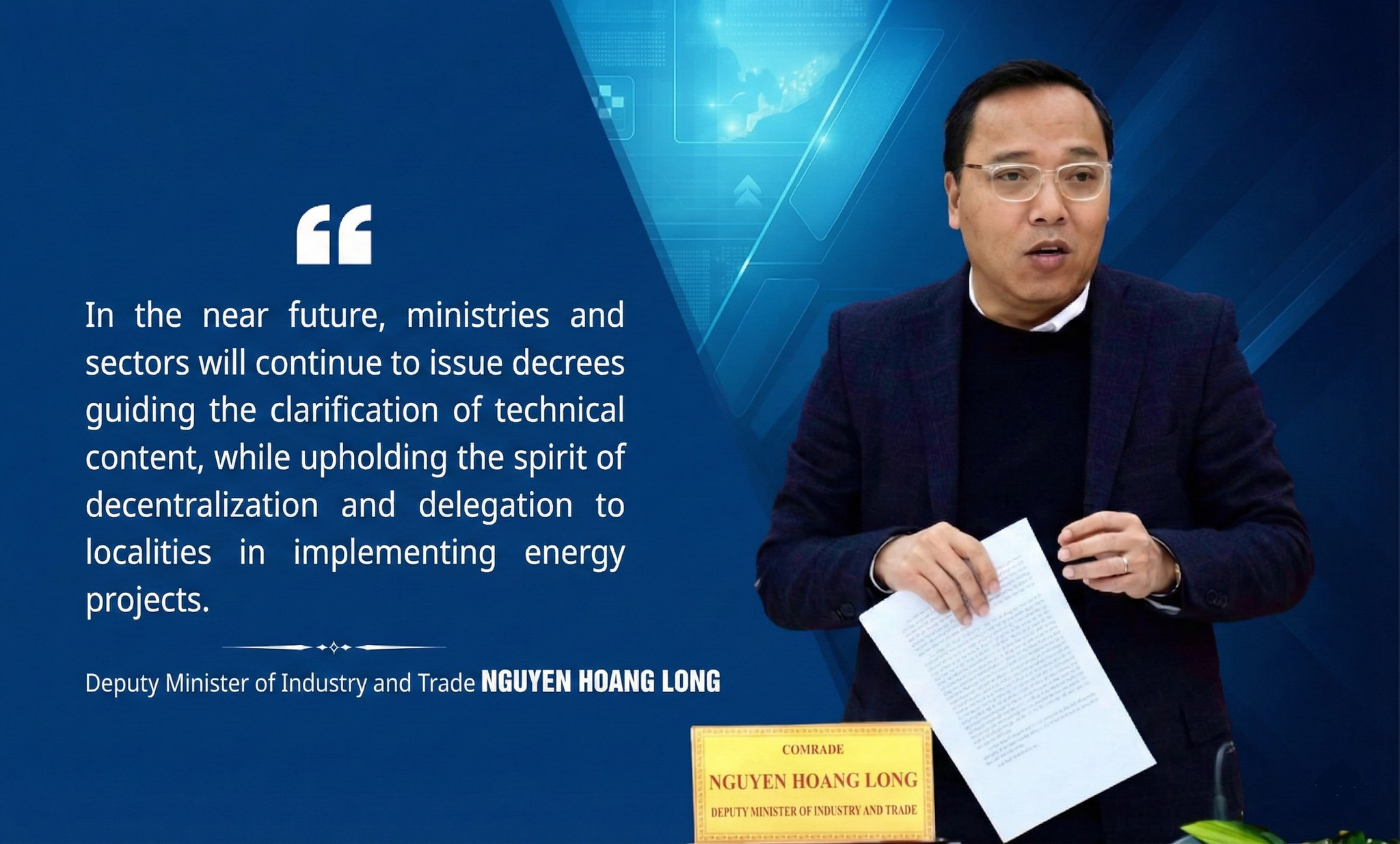
He urged Lam Dong to strictly adhere to the National Power Development Plan, avoid retaining projects with slow progress, and promptly review and replace underperforming projects. Projects scheduled for post-2030 implementation should also begin investment preparations early to ensure long-term energy security.
Regarding offshore wind power, the Deputy Minister emphasized the intense competition among localities. Provinces that are proactive in planning, land preparation, grid connection infrastructure and investment facilitation will gain a competitive edge in attracting large-scale projects.
Amid warnings of potential power shortages during the 2027–2029 period, he stressed the need for Lam Dong to prioritize projects capable of delivering early results to support national energy security.
With a diverse and large-scale energy ecosystem, Lam Dong has strong prospects to emerge as a regional and national energy hub. Close coordination between the province, the Ministry of Industry and Trade and central agencies reflects strong political commitment and a unified approach to overcoming challenges.
By embracing a spirit of proactive governance and fully leveraging its renewable energy advantages, Lam Dong is steadily advancing toward becoming a dynamic, sustainable energy center—making a meaningful contribution to regional and national socio-economic development.