


Lam Dong posts positive results in science, technology and digital transformation
Lam Dong Province has achieved many positive results in the development of science and technology (S&T), innovation, and digital transformation, contributing to renewed leadership methods and improved management efficiency.
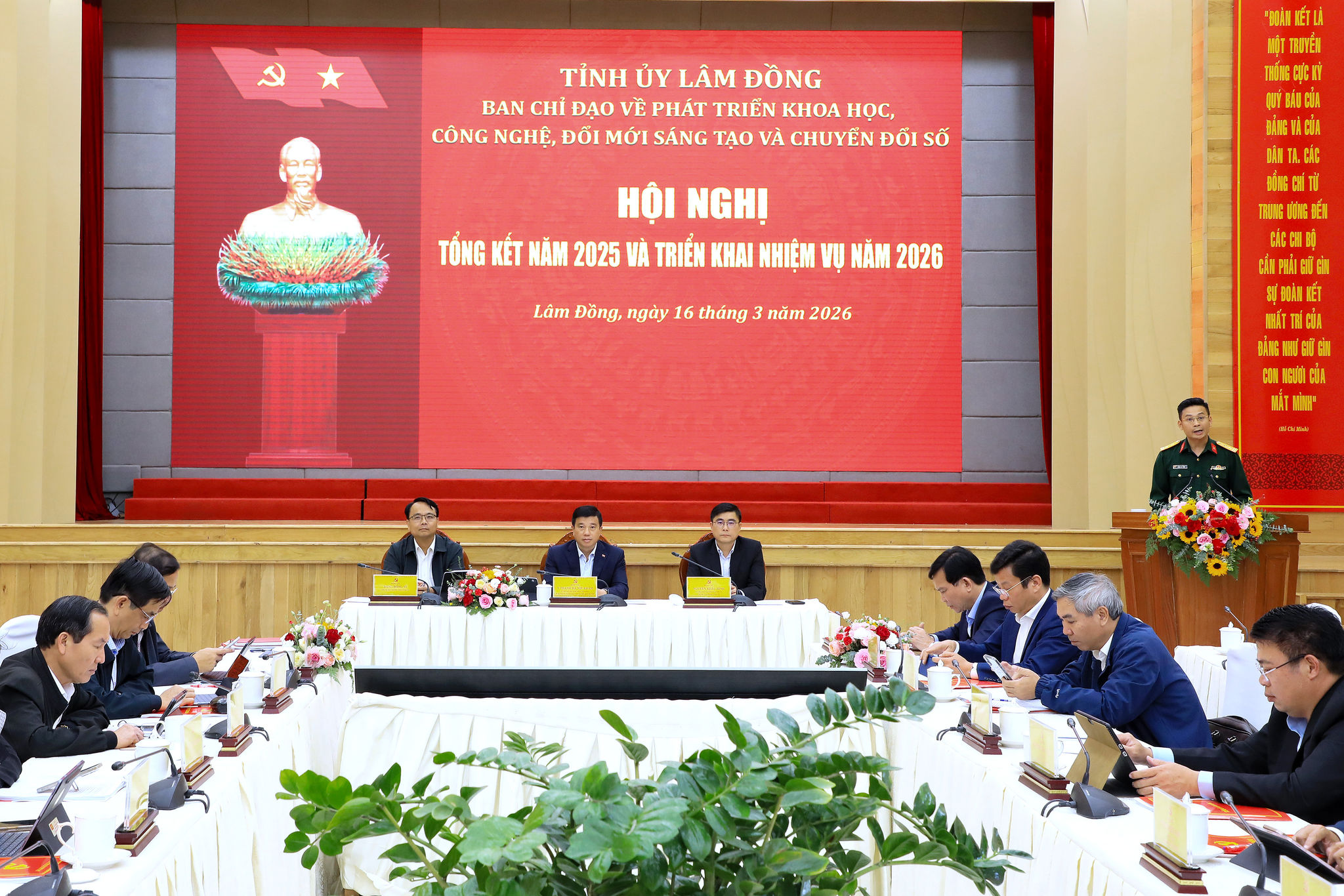
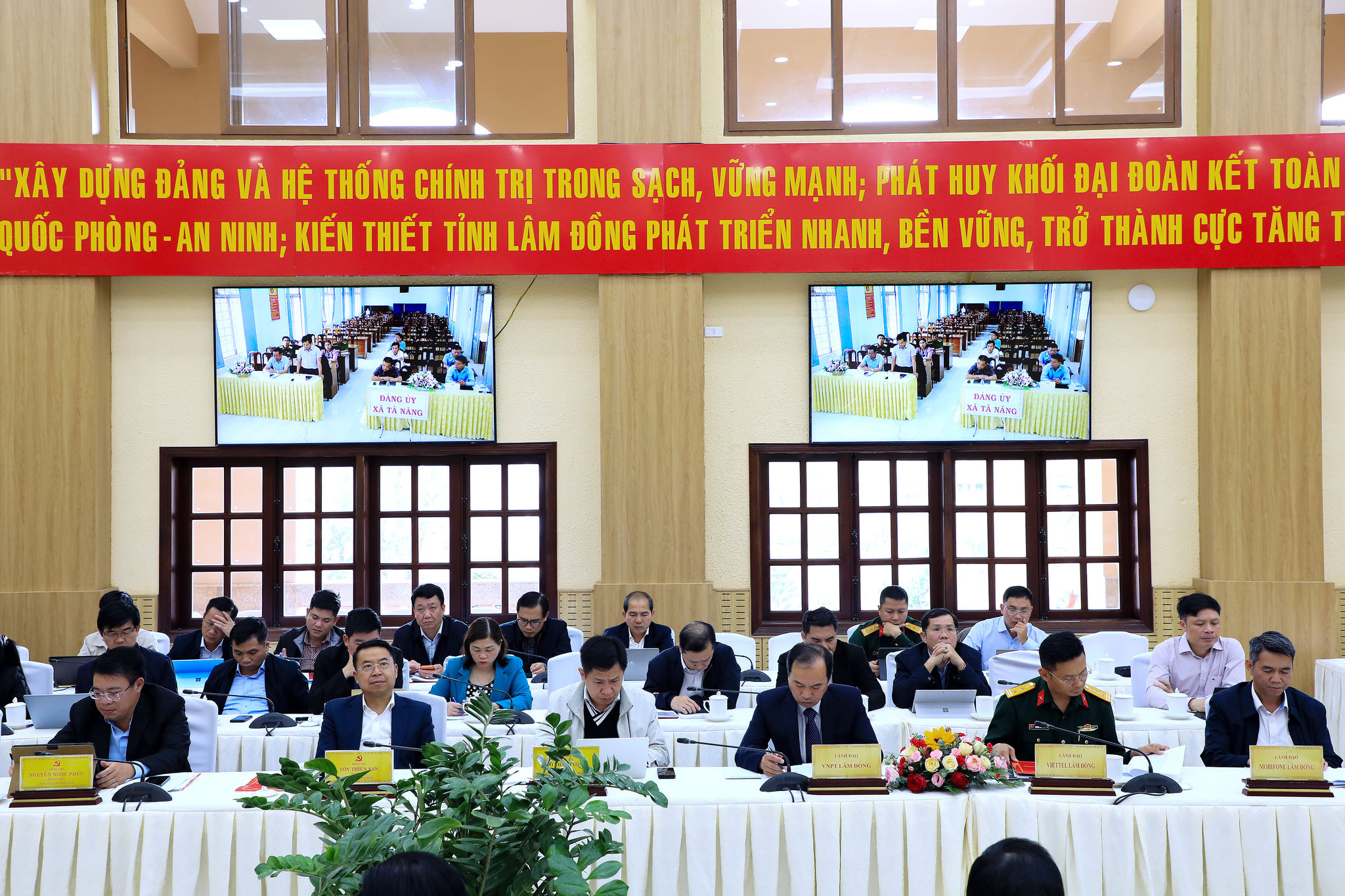
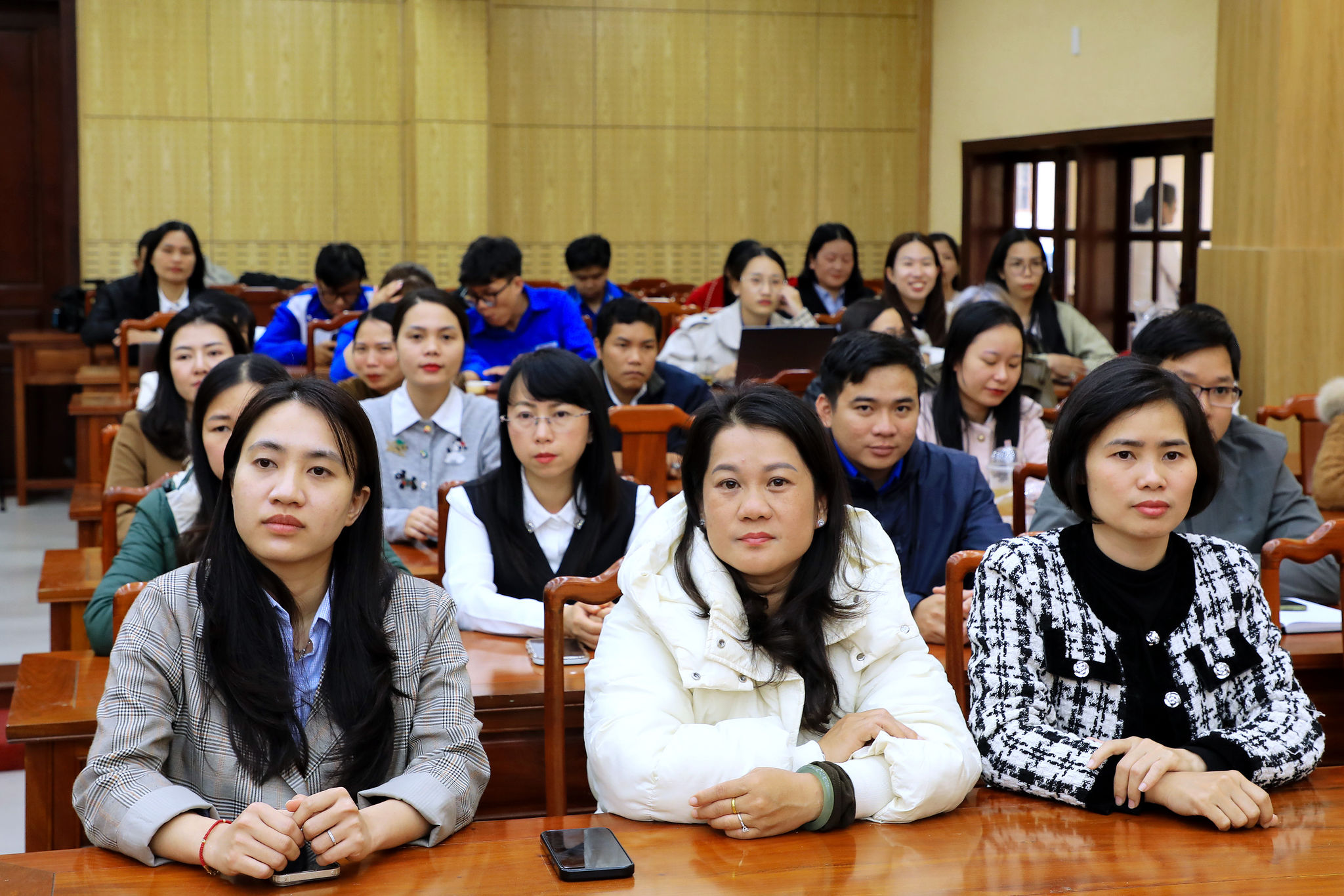
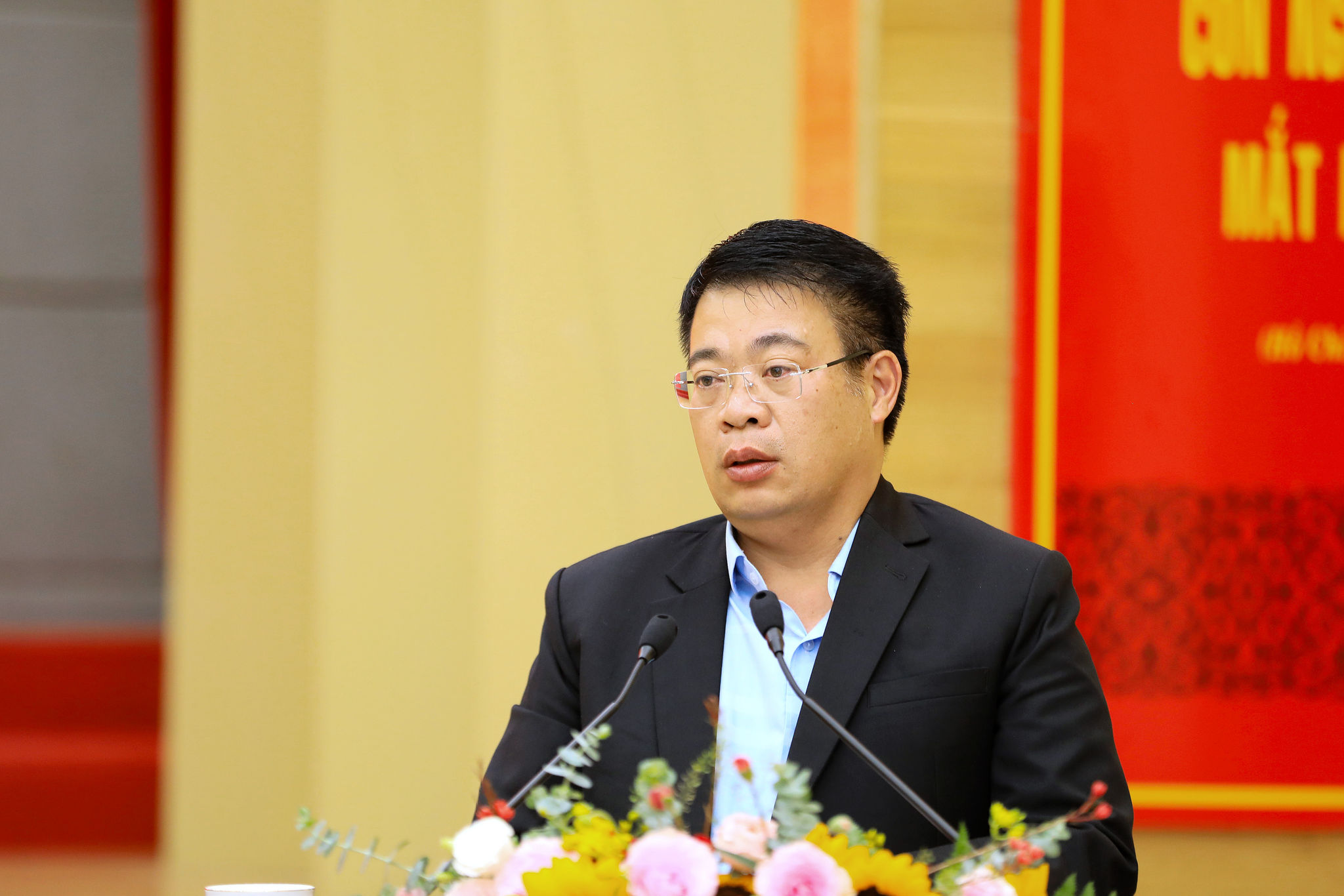
On March 16, the Steering Committee for Science and Technology Development, Innovation and Digital Transformation of Lam Dong Province held a conference to review activities in 2025 and outline key tasks for 2026. The event was conducted both in person and online, with the participation of more than 1,200 delegates.
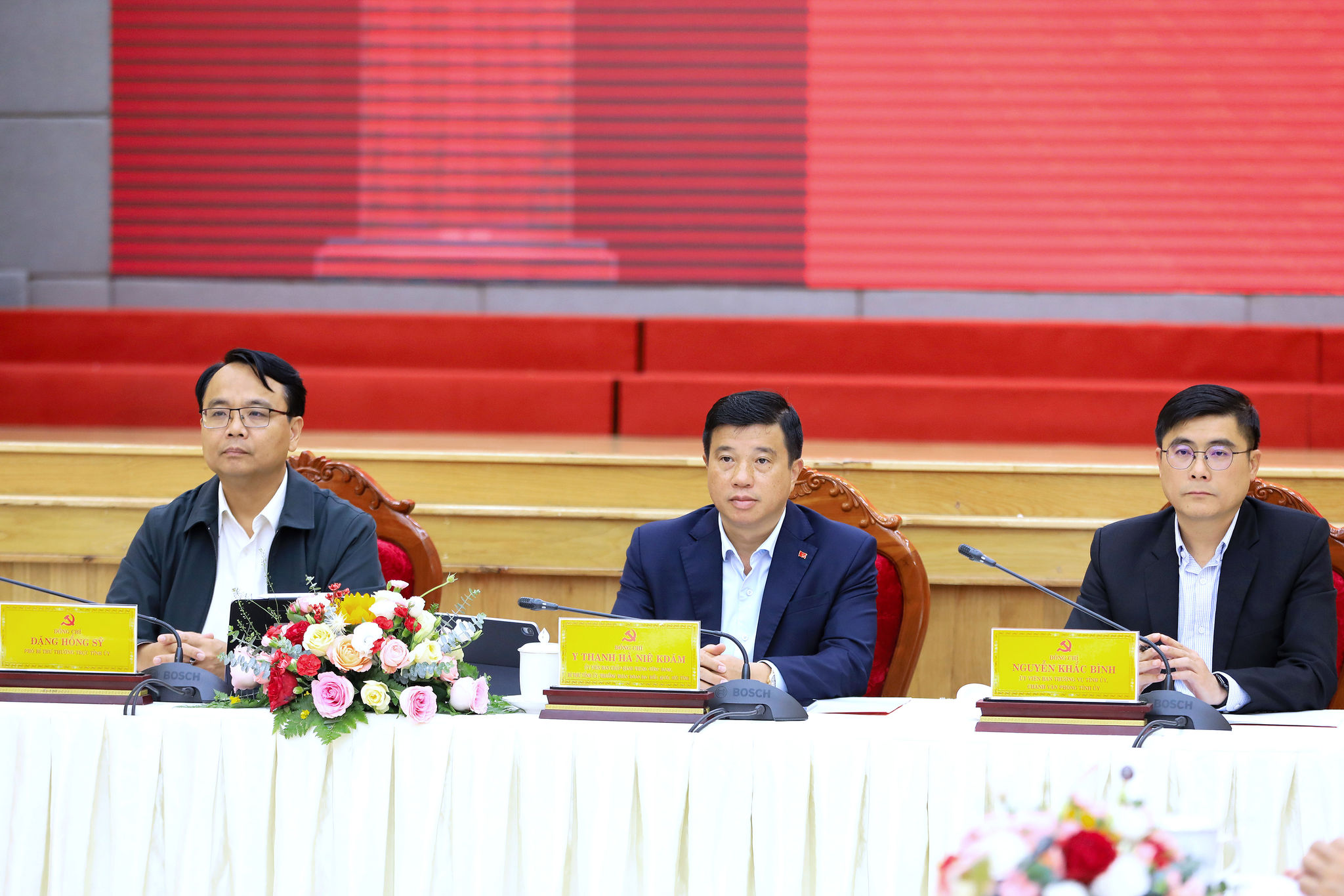
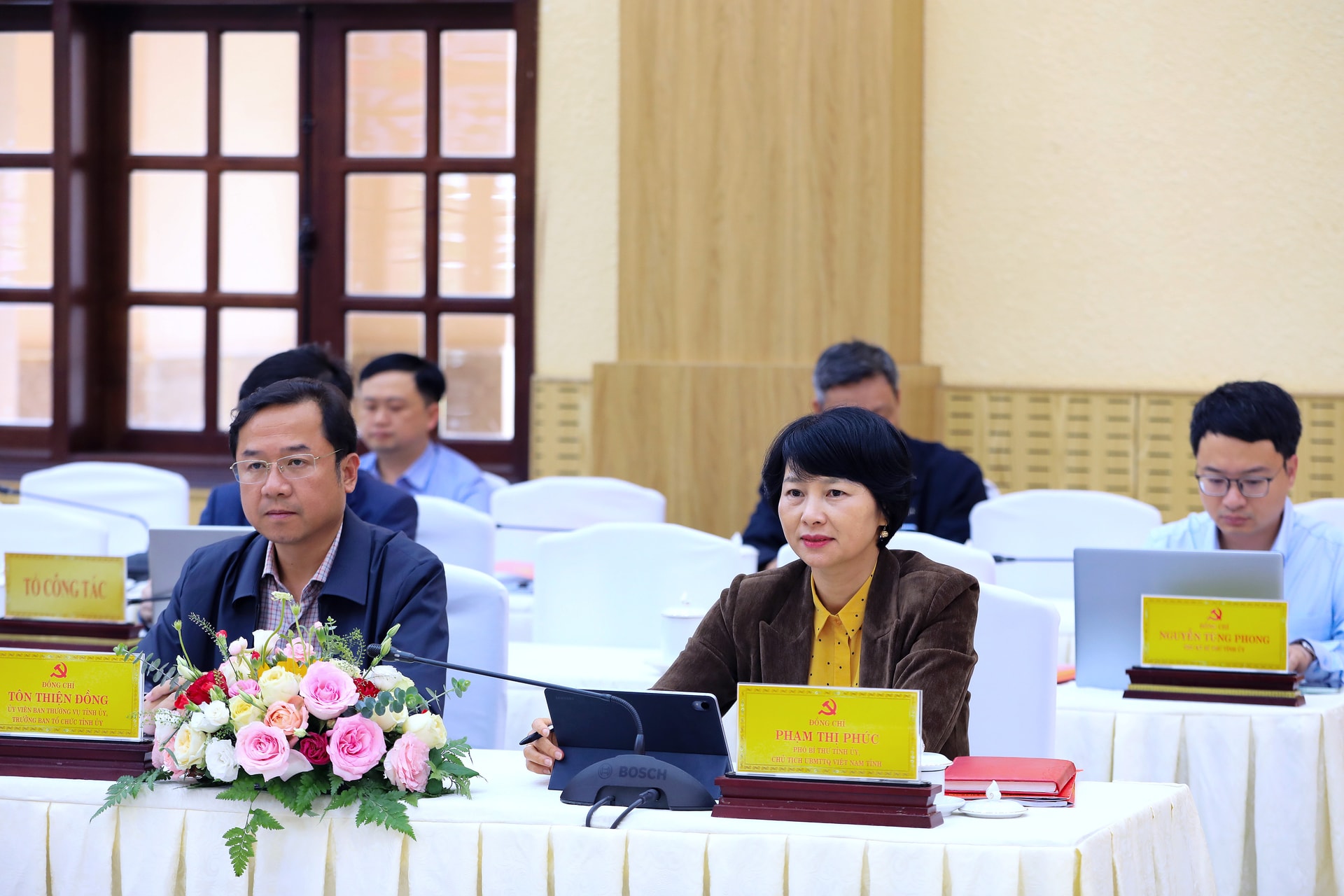
Attending the conference were Y Thanh Ha Nie Kdam, Member of the Party Central Committee, Secretary of the Lam Dong Provincial Party Committee and Head of the provincial Steering Committee; Ho Van Muoi, Member of the Party Central Committee, Deputy Secretary of the Provincial Party Committee and Chairman of the Provincial People’s Committee; Dang Hong Sy, Standing Deputy Secretary of the Provincial Party Committee; Luu Van Trung, Deputy Secretary of the Provincial Party Committee and Chairman of the Provincial People’s Council; Pham Thi Phuc, Deputy Secretary of the Provincial Party Committee and Chairwoman of the Vietnam Fatherland Front Committee of Lam Dong Province, along with members of the provincial Steering Committee and representatives from various agencies and organizations.
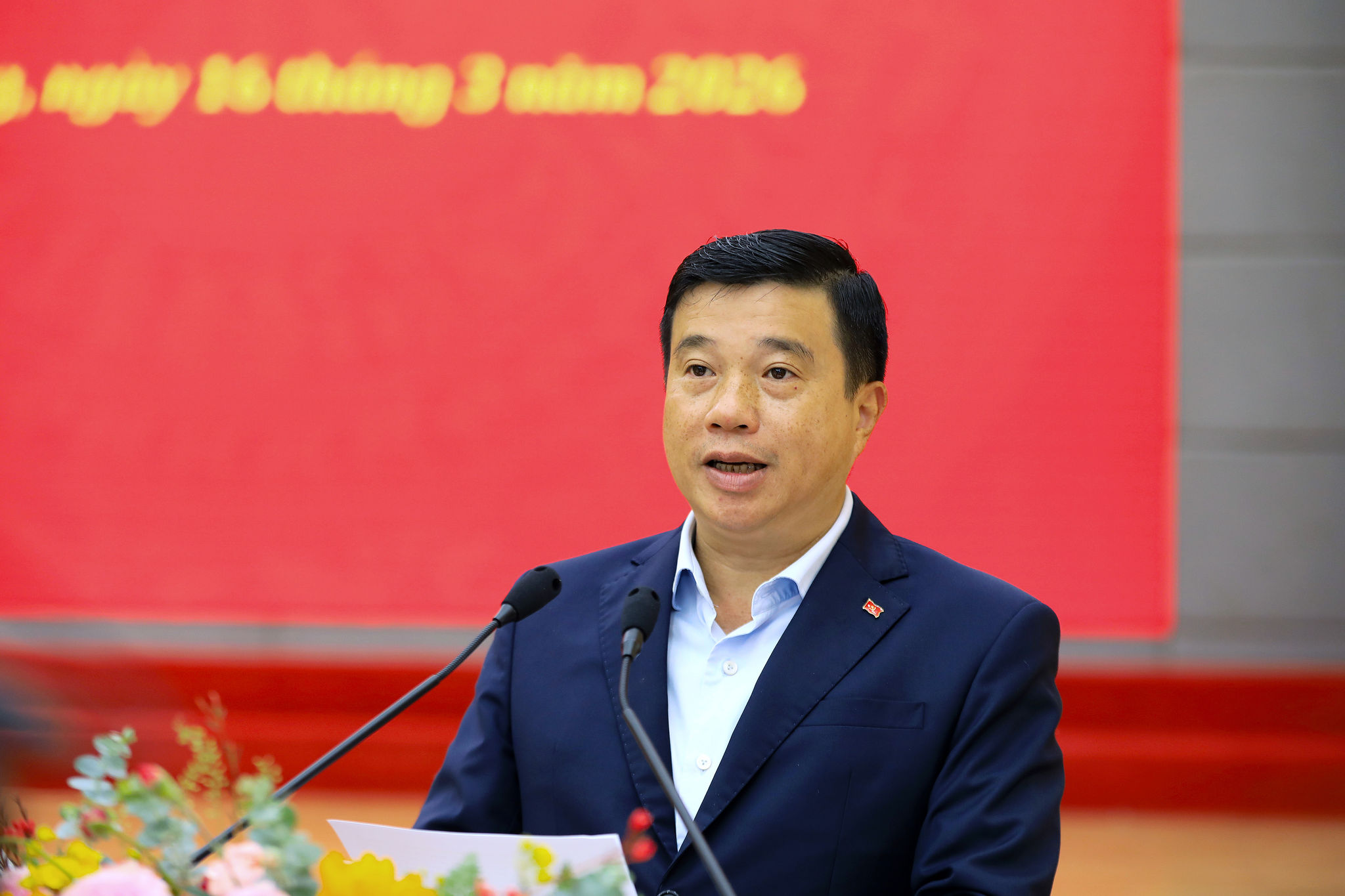
After one year of implementing Resolution No. 57-NQ/TW and the digital transformation project within Party agencies under Decision No. 204-QD/TW of the Secretariat, Lam Dong’s science, technology, innovation and digital transformation efforts have achieved several significant results.
.jpg)
Party committees, Party organizations, and leaders have shown growing awareness of and responsibility for digital transformation. It has been identified as a key political task tied to administrative reform and the modernization of working methods within Party agencies.
Digital transformation tasks have been implemented comprehensively across several pillars, including institutional improvement, organizational restructuring, digital infrastructure investment, the development of shared digital platforms and information systems, document digitization, and information security.
The leadership and management approach of Party agencies is gradually shifting toward data-driven management and electronic processes.
.jpg)
In the field of science, technology and innovation, Lam Dong issued a plan in 2025 to develop a technology innovation roadmap for key economic sectors through 2035, focusing on high-tech agriculture, processing industries, renewable energy and high-quality tourism.
Research and technology transfer activities have been strengthened with 75 S&T tasks at various levels, focusing on the application of technology in smart agriculture, agricultural product processing, environmental protection, product traceability, and the development of local specialty products.
.jpg)
The province’s innovation and startup ecosystem has continued to grow with the participation of management agencies, research institutes, universities and businesses.
Currently, Lam Dong has 14 science and technology enterprises and 13 high-tech agricultural enterprises, along with several startup support centers. During the year, the province recognized 16 startup ideas and projects.
.jpg)
Digital infrastructure has also continued to expand. The province now has more than 11,500 mobile base transceiver stations, with the number of 5G stations increasing rapidly. Mobile broadband covers all residential areas, while the household fiber-optic internet penetration rate has reached about 99%.
Digital platforms and shared information systems have been deployed in a coordinated manner. The provincial administrative procedure settlement system has been connected to the National Public Service Portal, with more than 2,300 administrative procedures publicly available. The electronic document management system has been implemented uniformly with over 30,000 user accounts.
Lam Dong has also focused on developing human resources for digital transformation through digital skills training programs and artificial intelligence training courses for officials, civil servants and businesses. More than 400 officials have been seconded to support localities in implementing the two-tier local government model.
In 2026, Lam Dong will continue to roll out broad measures to advance science, technology, innovation, and digital transformation in line with Resolution No. 57-NQ/TW. Priorities will include fine-tuning policies to foster innovation and helping businesses adopt new technologies.
The province will promote the application of artificial intelligence, the Internet of Things and big data in key economic sectors, while developing the startup ecosystem and strengthening cooperation among the government, educational institutions and businesses.
.jpg)
In terms of digital transformation, Lam Dong will continue investing in digital infrastructure, expanding the 5G network, developing specialized databases and digital platforms, enhancing digital human resources, and improving the quality of online public services for citizens and businesses.