


Lam Dong Promotes Advanced AI Adoption Among Small and Medium-Sized Enterprises
Artificial intelligence is gradually being applied across various stages of Lam Dong’s agricultural value chain, from production and processing to market research, promotion and customer service. The technology is helping businesses improve productivity, reduce costs and expand their access to markets.
Integrating AI into Production and Business Operations
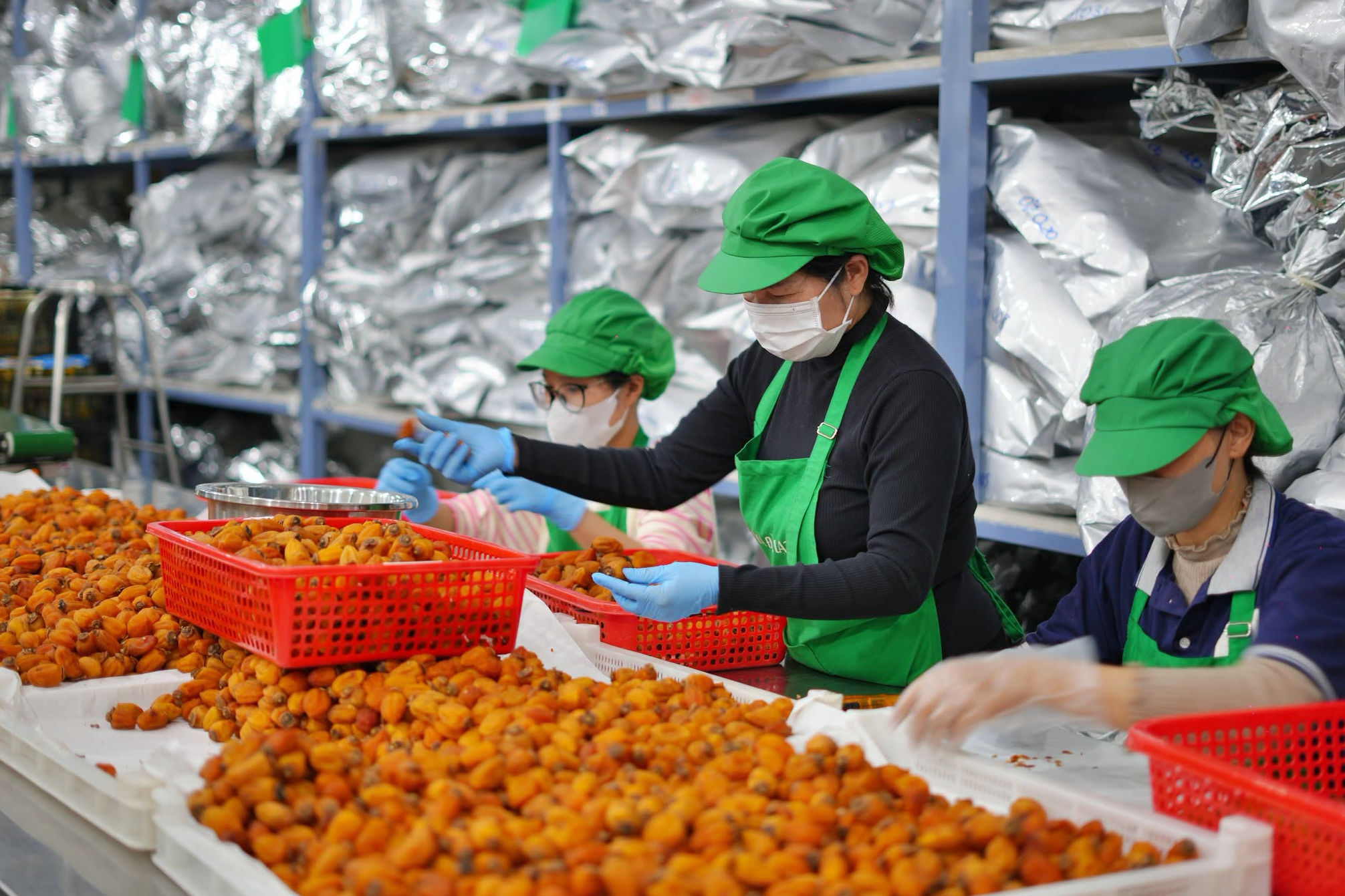
Operating in agriculture and agricultural product trading, Da Lat Vuon Nha Cooperative recognizes that the adoption of digital technologies, particularly artificial intelligence (AI), offers significant opportunities to transform its operations.
Luong Thi Yen Van, the cooperative’s director, said AI could support the organization across multiple stages, from production and supply management to marketing and product sales.
In agricultural production, AI tools can analyze images to identify signs of pests and diseases, monitor crop growth and forecast yields. This information gives producers a stronger basis for adjusting cultivation practices and using agricultural inputs more effectively, helping reduce additional costs and improve product quality.
In business operations, AI can analyze market demand and consumer trends, help forecast inventory requirements and provide guidance on setting appropriate selling prices. These applications can help businesses limit excess stock and improve sales efficiency.
As e-commerce continues to expand, AI can also help businesses develop advertising content, create product images and promotional videos, and provide customer consultations through chatbot tools. These solutions are particularly practical for small businesses with limited human resources and marketing budgets that nevertheless need to expand their reach to consumers across online platforms.

According to Van, the use of AI is not limited to supporting individual tasks. It also creates opportunities to connect multiple stages of the cooperative’s operations. From identifying customer needs and developing product information to supporting sales and customer service, the technology helps save time, provides additional information for business decisions and strengthens competitiveness.
In practice, small and medium-sized enterprises (SMEs) do not necessarily need to begin their AI adoption journey with complex technological systems or substantial investment. They can gradually use generative AI tools for market research, target customer analysis, brand storytelling, promotional messaging, sales content creation and consumer feedback management.
When used effectively, AI can become a practical tool for improving operational efficiency and helping businesses adapt to the digital business environment.
Supporting Businesses in Accessing and Applying AI
To accelerate digital transformation across the business community, the Lam Dong Department of Science and Technology has coordinated with the Department of Digital Economy and Digital Society under the Ministry of Science and Technology to organize training and support activities for local SMEs.

Nguyen Duc Manh, Deputy Director of the Lam Dong Department of Science and Technology, said that on March 16, 2026, the Prime Minister issued Decision No. 433/QD-TTg approving the Digital Transformation Scheme for Small and Medium-Sized Enterprises for the 2026–2030 period. The scheme aims to support at least 500,000 SMEs, including at least 300,000 businesses in adopting digital technologies, digital platforms and artificial intelligence.
On this basis, the department has determined that support activities must be driven by actual business needs and tailored to each enterprise’s size, sector and readiness for digital transformation. Assistance is being delivered through a phased approach, beginning with assessments of current operations and needs, followed by consultations on suitable solutions, training, expert connections and guidance on practical technology adoption.
With support from Google Vietnam and experts, businesses are also introduced to and given opportunities to experience AI tools through scenarios related to their day-to-day operations.
A key focus of the program is training businesses to use Gemini, a generative AI tool, to identify areas where productivity can be improved and streamline routine tasks such as drafting emails and meeting minutes, organizing work and summarizing research documents. Businesses also take part in practical exercises on market research, understanding customer needs, developing business ideas, creating brand stories and crafting sales messages.
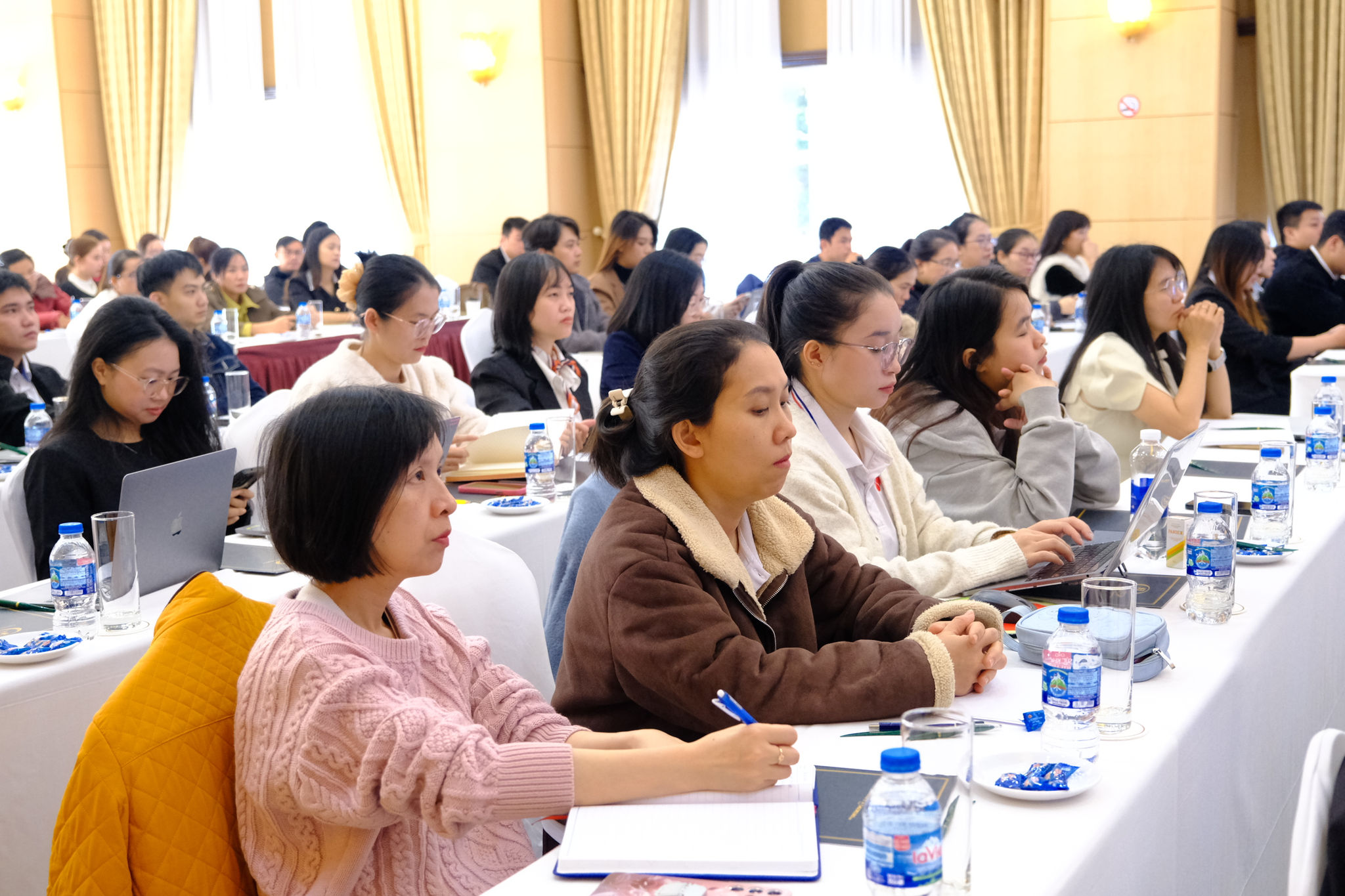
For digital marketing, experts provide guidance on using AI to develop promotional content, optimize product descriptions through SEO and AEO methods, and design sales scripts based on the AIDA model. The training also covers responding to feedback, handling complaints and providing customer service. Through Gemini Practice Lab, participants gain hands-on experience using their own products, services or actual business challenges as practical case studies.
According to Manh, Lam Dong has strengths in agriculture, processing industries, tourism, trade and services. These sectors also offer considerable potential for AI applications to improve productivity, product quality and business performance. The role of the science and technology sector therefore extends beyond organizing training courses and disseminating knowledge. It also serves as a bridge, connecting businesses with experts, helping them select appropriate technologies and gradually address practical challenges.
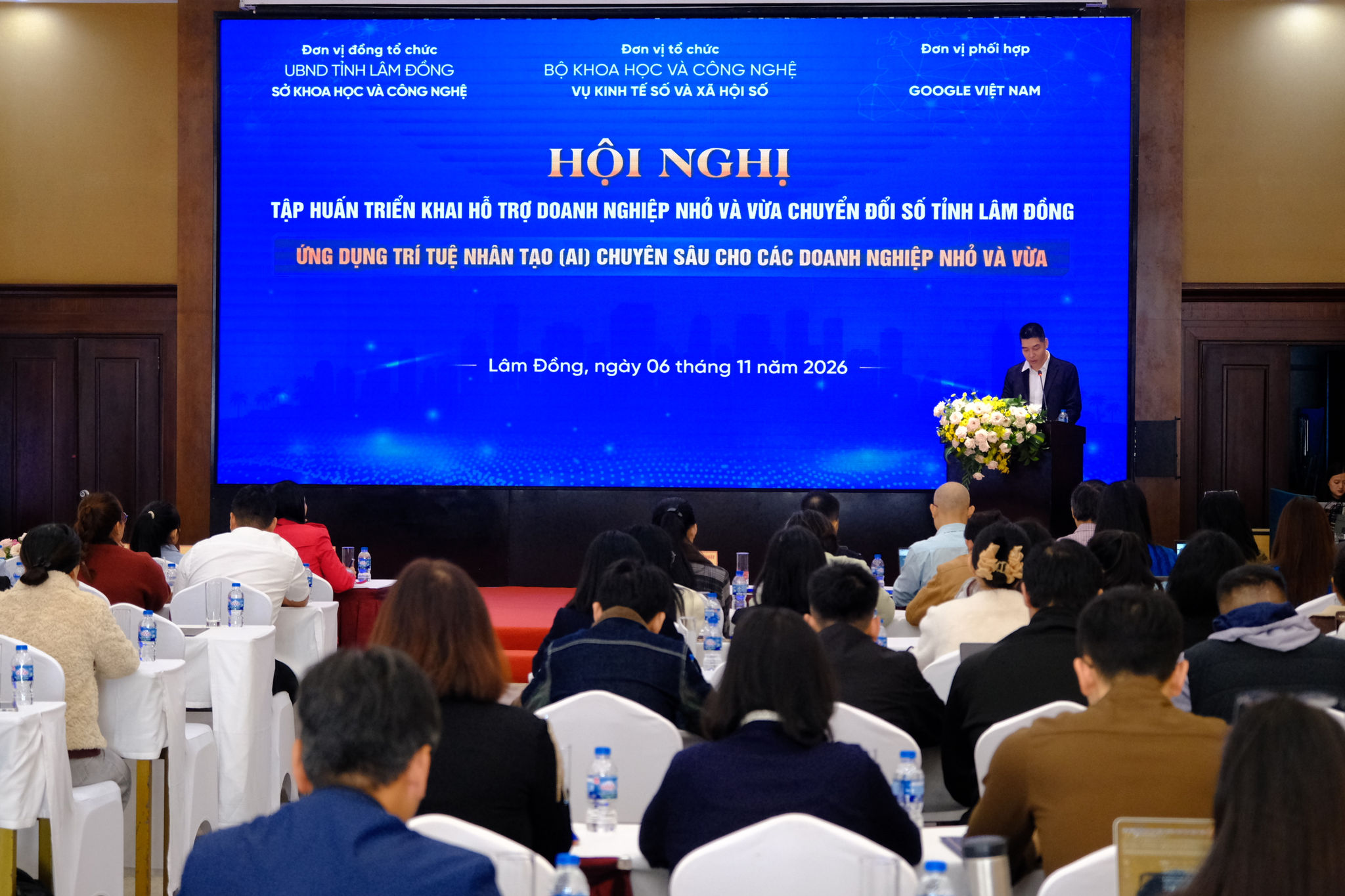
Through targeted support activities tailored to the needs and capabilities of individual businesses, the Lam Dong Department of Science and Technology is helping bring AI closer to the local business community. These efforts are expected to promote innovation in management, production and business operations, reduce costs and strengthen competitiveness, creating momentum for SMEs to participate more deeply in the digital economy.