


Lam Dong Pushes English as a Second Language in Schools
The People’s Committee of Lam Dong Province has recently approved a plan to implement a project aimed at making English a second language in schools for the 2025 to 2035 period, with a vision toward 2045. This initiative is seen as a strategic step to improve the quality of human resources and expand international integration opportunities for the younger generation.
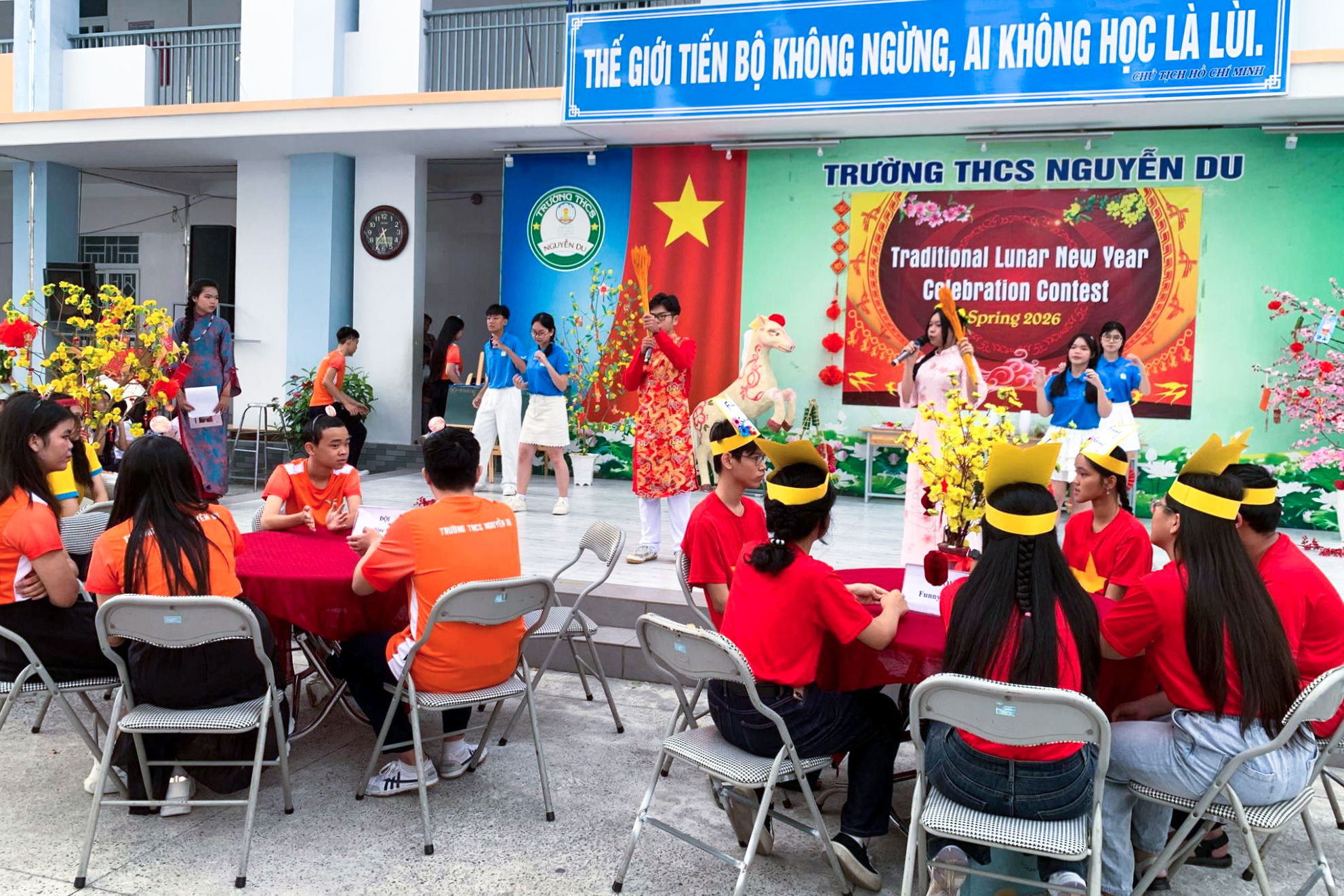
The plan goes beyond simply improving the quality of language teaching. It aims to create an environment where English is used naturally and consistently across all aspects of education, from classroom instruction and daily communication to school management.
The province’s education sector is working to build an “English ecosystem” through three stages of development, helping more schools reach higher levels where English becomes a familiar and practical tool in everyday school life.
Besides, the project will be implemented across all levels of education. At the preschool level, children will be introduced to English through flexible, experience-based activities.
In general education, students will develop their ability to use English both academically and in everyday life. For vocational and continuing education, the focus will be on equipping learners with language skills aligned with the demands of both domestic and international labor markets.
The implementation roadmap is divided into three phases. From now until 2030, the province will focus on building a strong foundation by standardizing teacher qualifications, improving facilities, and innovating teaching methods.
Between 2031 and 2040, efforts will expand in scale, enhance quality, and increase the use of English within schools. From 2041 to 2045, the goal is to complete and sustainably maintain a bilingual education environment.
To achieve these objectives, Lam Dong will introduce a range of coordinated solutions, including refining policies, developing qualified teaching staff, updating curricula and learning materials, promoting the use of technology and artificial intelligence in education, and strengthening international cooperation as well as social participation in education.
With an estimated budget of over 161.9 billion VND for the initial phase (2025-2030), the plan is expected to provide a strong boost to foreign language teaching and learning in the province. The Department of Education and Training will play a central role in implementation, monitoring, and evaluation.