


Lam Dong pushes export growth to meet 2026 targets
Under Lam Dong’s double-digit growth scenario for the industry and trade sector, exports have been identified as one of four key pillars - alongside industry, energy, and the domestic market - expected to drive the province’s economic growth in the coming years.
Focusing on key export sectors
Lam Dong still holds significant room for growth in merchandise exports, prompting local authorities to prioritize improvements in product quality, value, competitiveness and market expansion for key export industries.
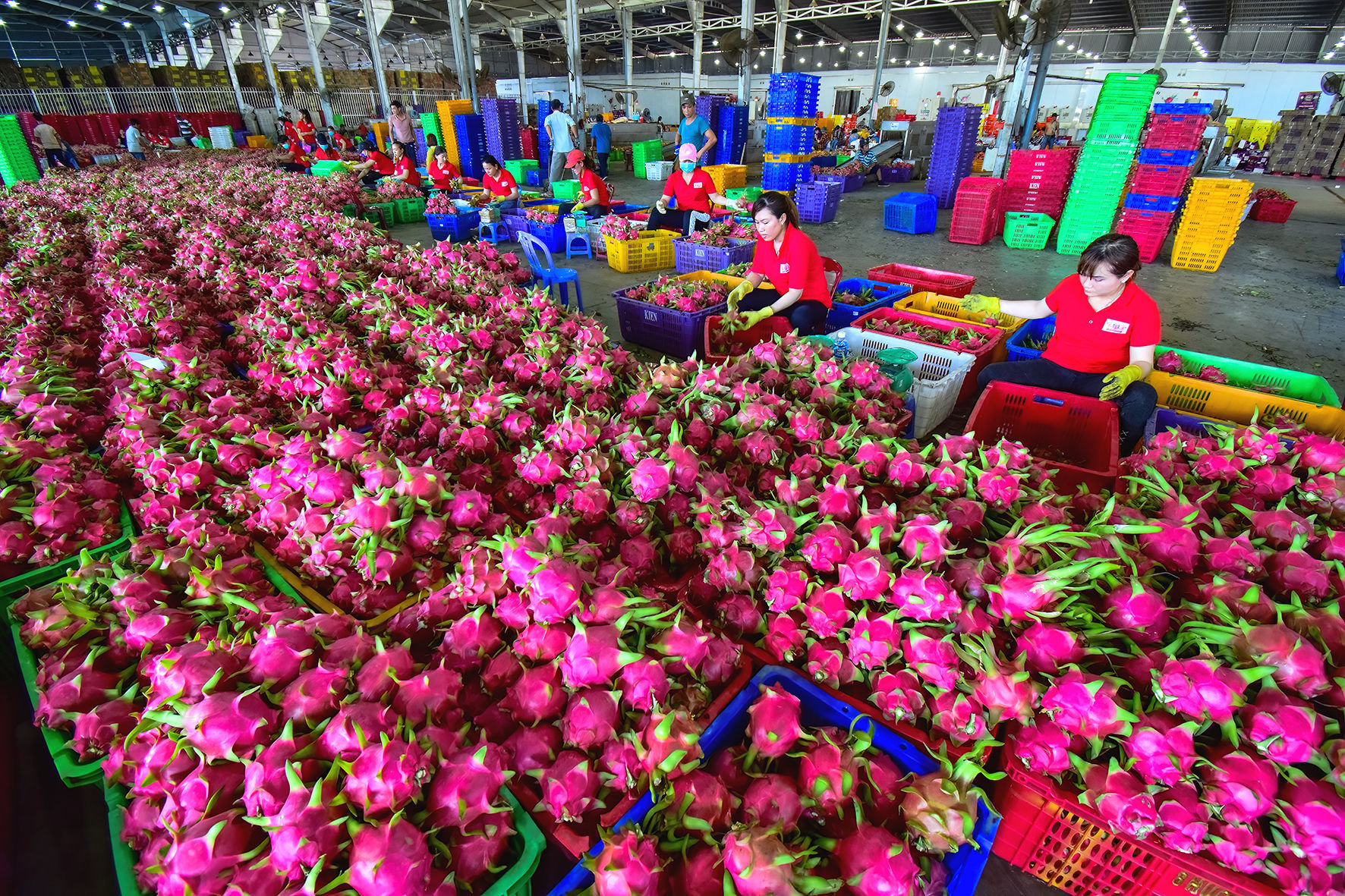
In recent years, agriculture, forestry and fishery products have accounted for the largest share of the province’s export structure at 51%. Major export items include coffee, cashew nuts, seafood, fruits and vegetables, fresh flowers and pepper.
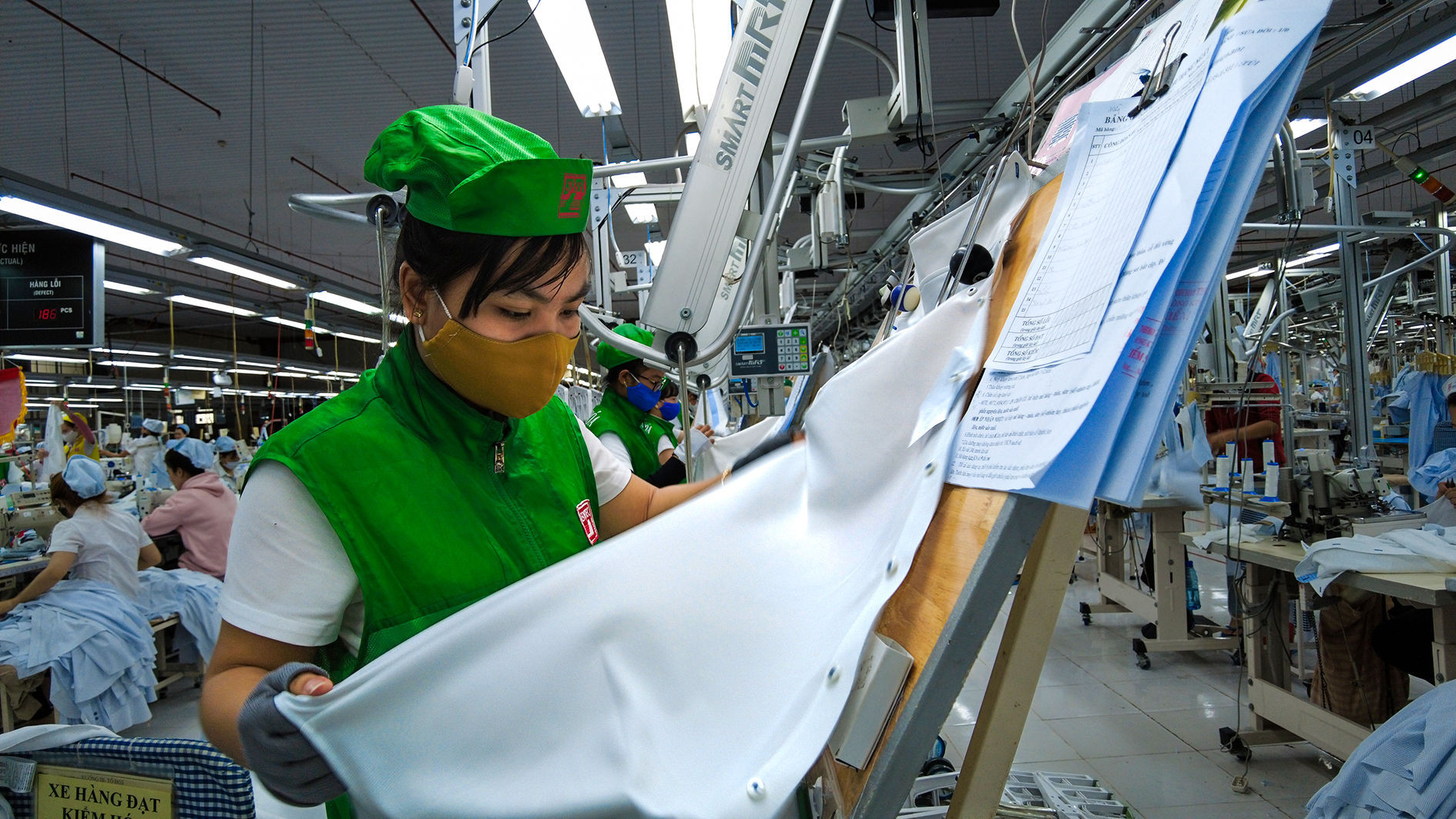
Meanwhile, heavy industry and mineral products make up around 27% of exports, mainly driven by alumina and aluminum hydroxide. Light industry and handicrafts contribute the remaining 22%, including garments, textile materials, footwear and MDF boards.
During the first four months of 2026, the province generated more than US$1 billion in export revenue, slightly lower than the same period last year. However, agriculture, forestry and fishery products continued to dominate, accounting for roughly 58% of total exports.
Several export categories recorded strong growth, including footwear, up 44.5%; coffee, up 32.7%; fresh flowers, up 34%; and fruits and vegetables, up more than 30%.
According to Bien Tan Tai, Deputy Director of the provincial Department of Industry and Trade, Lam Dong continues to perform strongly in agriculture-based exports, while light industry and handicrafts also maintain a relatively high share of about 26%.
In contrast, exports of mineral and heavy industrial products - particularly alumina and aluminum hydroxide - have declined since the beginning of the year as falling global prices prompted businesses to reduce sales volumes.
To date, goods from Lam Dong have been exported to 92 countries and territories worldwide. Asian markets account for more than 60% of export turnover, followed by Europe at around 26%, the Americas at 7% and Oceania at approximately 1.4%.
Based on assessments of domestic and global economic conditions, Lam Dong aims to raise export turnover to US$3.59 billion in 2026. Key export products expected to contribute hundreds of millions of dollars include green coffee beans at nearly US$805 million, garments and textile materials at more than US$610 million, alumina and aluminum hydroxide at US$438.6 million, cashew nuts at US$241.8 million, footwear at US$214.5 million and seafood products at nearly US$200 million.
Facing challenges to reach growth targets
Looking ahead, local industry and trade officials forecast that the province’s exports will continue growing, though the pace may remain unstable due to heavy dependence on global markets and commodity prices.
Agricultural and seafood prices, for example, could fluctuate as climate change increasingly affects production. At the same time, ongoing geopolitical conflicts and global uncertainties are expected to increase input and transportation costs and lengthen delivery times.
These challenges pose particular risks for Lam Dong’s key export sectors, especially agricultural products, which are highly perishable, and processing industries that require strict delivery schedules.
According to Bien Tan Tai, Deputy Director of the provincial Department of Industry and Trade, the sector is targeting export growth of 11% this year in support of the province’s broader double-digit economic growth target of 10-10.5%. He acknowledged that achieving this goal would be difficult amid slowing global economic growth and continued market volatility.
To support the target, the department has introduced a 2026 export development plan focused on several key priorities, including expanding production capacity, ensuring sustainable export supply chains, strengthening product branding and improving competitiveness.
Authorities are also encouraging businesses to adopt cross-border e-commerce and enhance trade promotion activities. In particular, the province plans to strengthen connections with nearby markets such as Cambodia, Thailand and China as a safer strategy amid rising fuel and transportation costs. Further optimism comes from several new industrial projects expected to begin operations in 2026, including silk processing facilities, flooring and wooden furniture manufacturing plants, and agricultural export projects.
A representative of a seafood processing and export company said the firm has invested in an additional canned food factory and cold storage system in the province’s coastal area, with operations expected to start in the second half of the year.
Meanwhile, at Ham Kiem II Industrial Park, the Neotek Vietnam industrial plant - a US$88 million project specializing in brake discs for export vehicles - is undergoing trial operations and is expected to officially begin operations later this month. Local authorities hope these projects will help diversify export products, increase export turnover and reinforce the role of exports as a key driver of the province’s economic growth.
Under the province’s 2026 industry growth strategy, exports are considered a major external growth engine for Lam Dong’s economy. Alongside maintaining traditional markets, the province is also focusing on expanding into potential markets such as the EU, North America and the Middle East while maximizing opportunities from next-generation free trade agreements, including CPTPP, EVFTA and RCEP.