


Lam Dong pushes for double-digit GRDP growth with strategic solutions.
Mr. Le Trong Yen, Member of the Provincial Party Standing Committee and Permanent Vice Chairman of the Lam Dong Provincial People’s Committee, called for high-quality input from relevant departments and tasked the Department of Finance with refining key solutions for the 2026–2030 double-digit growth plan.
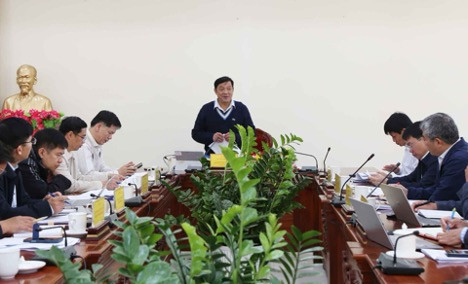
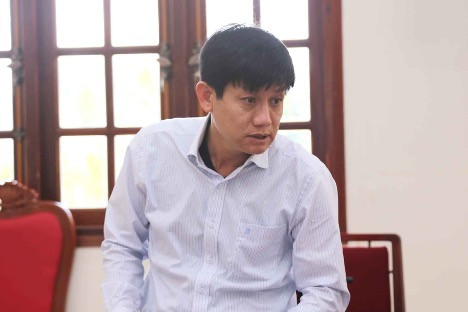
On the morning of January 6th, Mr. Le Trong Yen chaired a meeting to review the revised report on the implementation of Resolution No. 05 of the 12th Central Party Committee, along with the action program and the double-digit growth scenario for the 2026–2030 period.
According to the draft report, Lam Dong’s socio-economic achievements from 2016 to 2025 were made possible by strong support from the central government, decisive leadership across the political system, and the consensus and backing of all segments of the population.
The province’s economy recorded steady growth, with the economic structure continuing to shift in the right direction. Socio economic infrastructure developed in a more synchronized and relatively modern manner, particularly in the area of transport infrastructure.
Lam Dong’s GRDP growth averaged 6.66% during 2016–2020 and 6.47% in the 2021–2025 period. Total State budget revenue reached VND 114 trillion in 2016–2020 and VND 140 trillion in 2021–2025. GRDP per capita rose from VND 62.4 million in 2020 to VND 105.3 million in 2025.
Total export turnover exceeded USD 10 billion in the period of 2016–2020 and increased to USD 14 billion in 2021–2025, while employment expanded from 1.82 million to 1.87 million workers.
Public health and healthcare services have made positive progress. Basic education and training meet development needs, and living standards continue to improve. Social welfare and security are increasingly ensured.
Efforts to streamline administrative machinery have been carried out decisively and effectively. Administrative reforms and improvements to the business investment environment are being actively promoted.
However, over the past decade, the province's economic development has been unstable and lacked sustainability. While administrative reforms and human resource development have made some progress, they have yet to meet the set targets.
Furthermore, public investment management remains limited, and the preparation of provincial planning has been slower than scheduled.
.jpg)
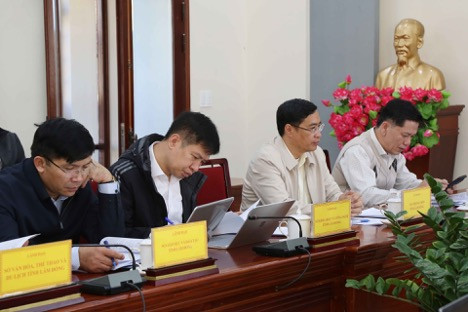
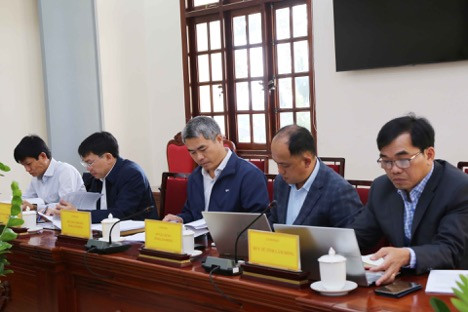
At the meeting, representatives from various departments and agencies discussed and provided feedback on the draft report. Several units emphasized the need to assess the subjective factors behind unmet annual targets during the 2016–2025 period and to propose special mechanisms and policies tailored to the province.
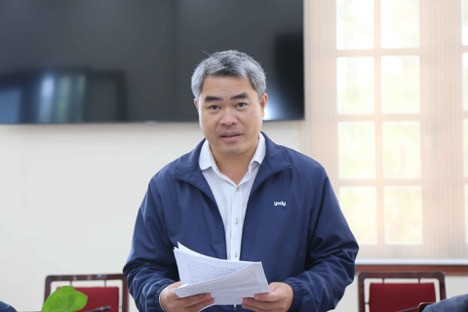
Many departments and agencies proposed measures to achieve double-digit GRDP growth for 2026–2030, including focusing on renewable energy development, promoting tourism, resolving project bottlenecks, and attracting investment to the province’s potential sectors.
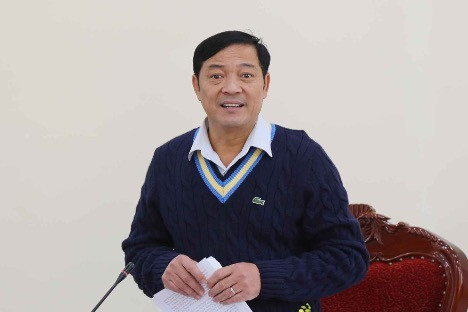
Concluding the meeting, Mr. Le Trong Yen, member of the Provincial Party Standing Committee and Permanent Vice Chairman of the Lam Dong People’s Committee emphasized that, as this is a 10-year special report, the Department of Finance should further refine, condense, and streamline the report.
The report focused on subjective factors behind unmet key targets throughout the period. It detailed performance across three areas: Lam Dong Thousand Flowers, Lam Dong Blue Sea, and Lam Dong Highlands. Based on this, the Department of Finance will update, supplement, and draw lessons to propose accurate and sufficient solutions for the future.
For the 2026–2030 “double-digit” growth action program, the report must highlight breakthrough measures and ways to extend the achievements of the previous term.
For the 2026–2030 period, solutions must be accelerated from the beginning, with a focus on goals, outputs, quality, and efficiency.
Permanent Vice Chairman of the Lam Dong People’s Committee Le Trong Yen
The Permanent Vice Chairman emphasized that double-digit growth requires stronger private sector development, better workforce training, and leadership accountability.