


Lam Dong Pushes Forward With Under-Canopy Tourism
With more than one million hectares of forest, Lam Dong is positioning itself as a fertile ground for under-canopy tourism, especially after the government’s Decree 91/2024 established a clearer legal framework for this emerging sector.

At the 2025 Business Dialogue Conference, Ho Van Muoi, Deputy Secretary of the Provincial Party Committee and Chairman of Lam Dong People’s Committee, stressed the province’s untapped potential: “We have one million hectares of forest, yet our forest economy remains weak. We are nurturing the forest, but it has yet to deliver the true value of ‘golden forests and silver seas.’”
Legal framework opens the way
In the past, despite Lam Dong, Binh Thuan, and Dak Nong boasting pristine and attractive forests suitable for tourism, under-canopy tourism projects struggled due to unclear regulations. Decree 156/2018 on forestry implementation lacked specifics, preventing large-scale development.
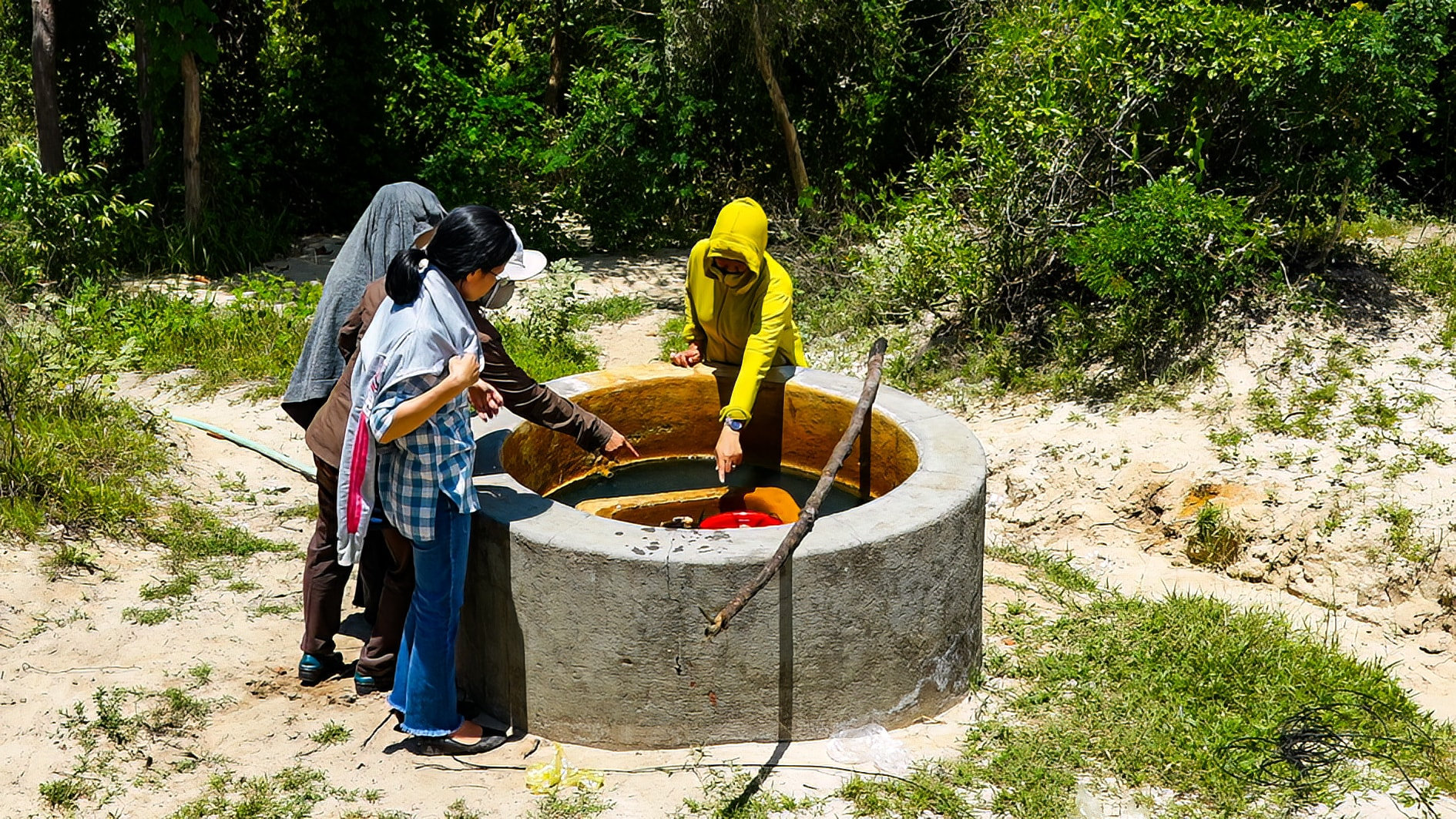
The amended Decree 91/2024 now provides greater clarity. In former Binh Thuan coastal forests, some forest owners have begun piloting under-canopy tourism projects under the new rules. Following the provincial merger, procedures are being continued and expanded under Lam Dong’s jurisdiction.
Accelerating progress
Vice Chairman of the Provincial People’s Committee Le Trong Yen noted that several forestry companies and forest management boards have yet to finalize sustainable forest management plans or land-use zoning. This has slowed implementation. He urged agencies to expedite approvals, particularly for transitional dossiers, so projects can move forward.
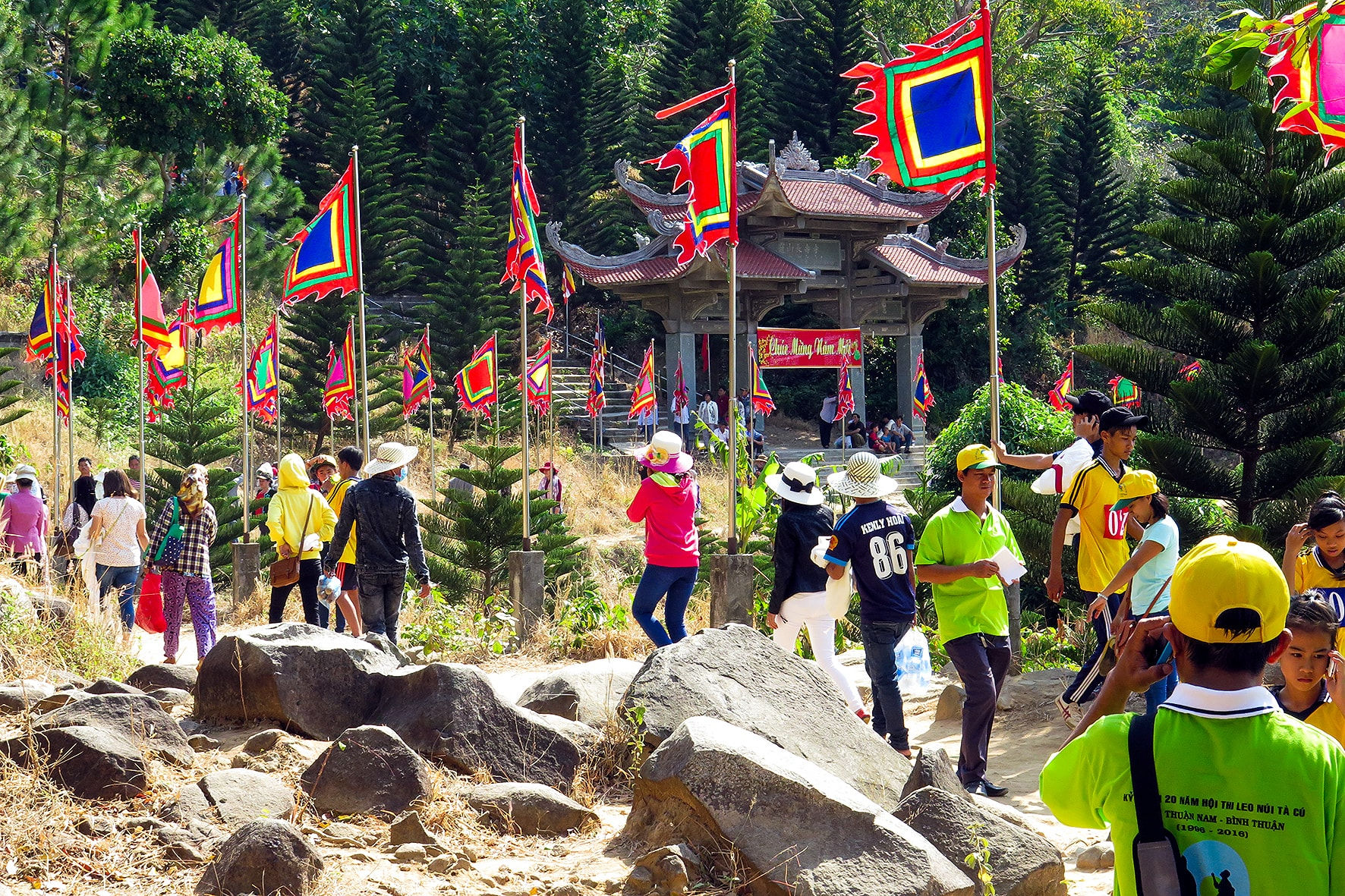
Vice Chairman Nguyen Hong Hai added that some investors had already expressed interest in under-canopy tourism in Binh Thuan. Under Decree 91/2024, regulations now clearly define the approval of forest management plans, tourism project proposals, and investor selection. The next step, he said, is issuing unified procedures for businesses and households to follow.
A global trend, local opportunity
Eco-tourism, forest-based resorts, and recreational activities have long been encouraged worldwide for their sustainable benefits: promoting ecosystems, supporting environmental education, generating income for forest managers and local communities, and contributing to conservation.
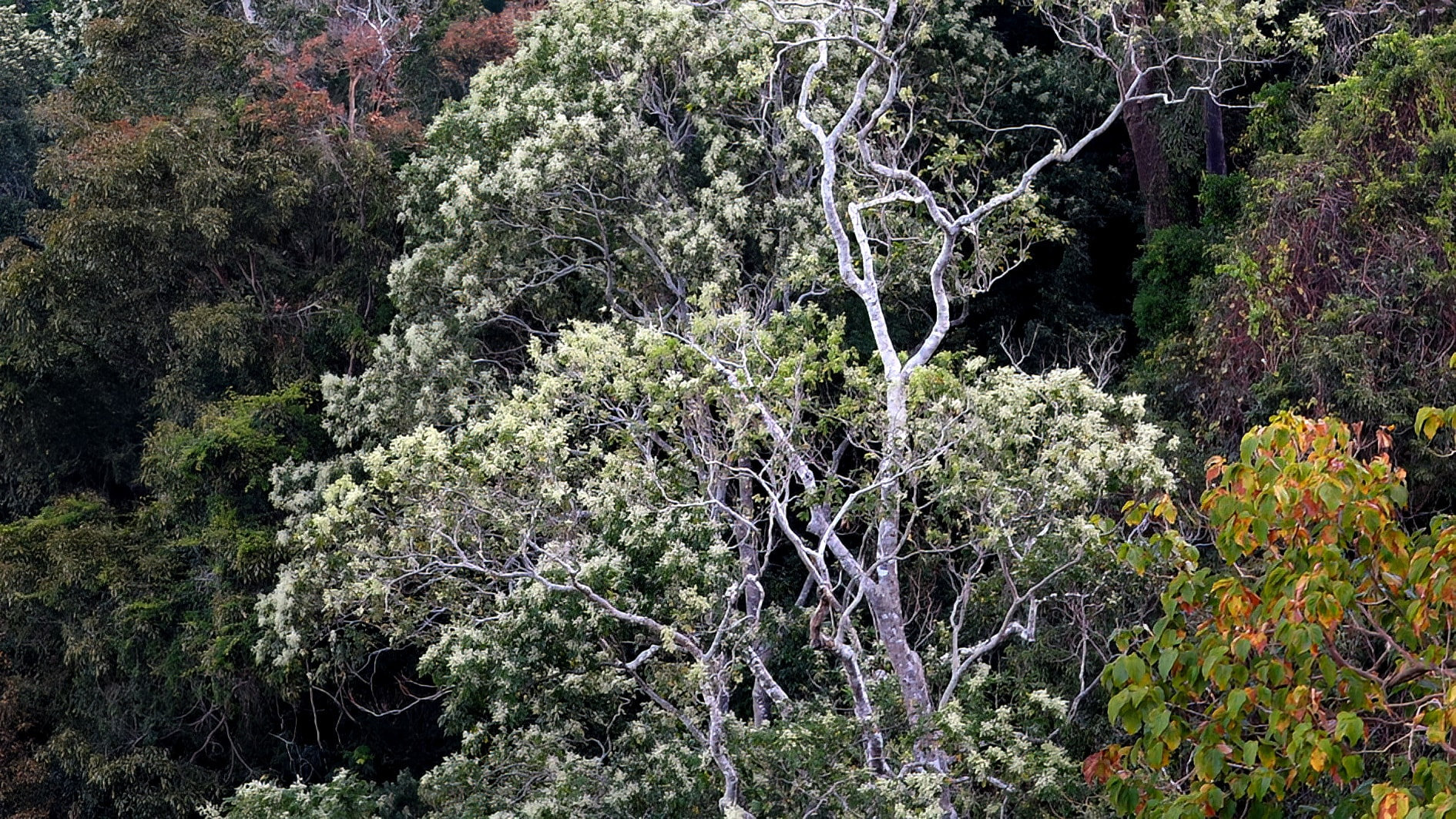
Chairman of the Provincial People’s Committee Ho Van Muoi suggested a bold idea: “We could build treehouse resorts, with interiors meeting 4–5 star standards. It’s fully compliant with current regulations, visually stunning, and highly marketable. I encourage businesses to explore this.”
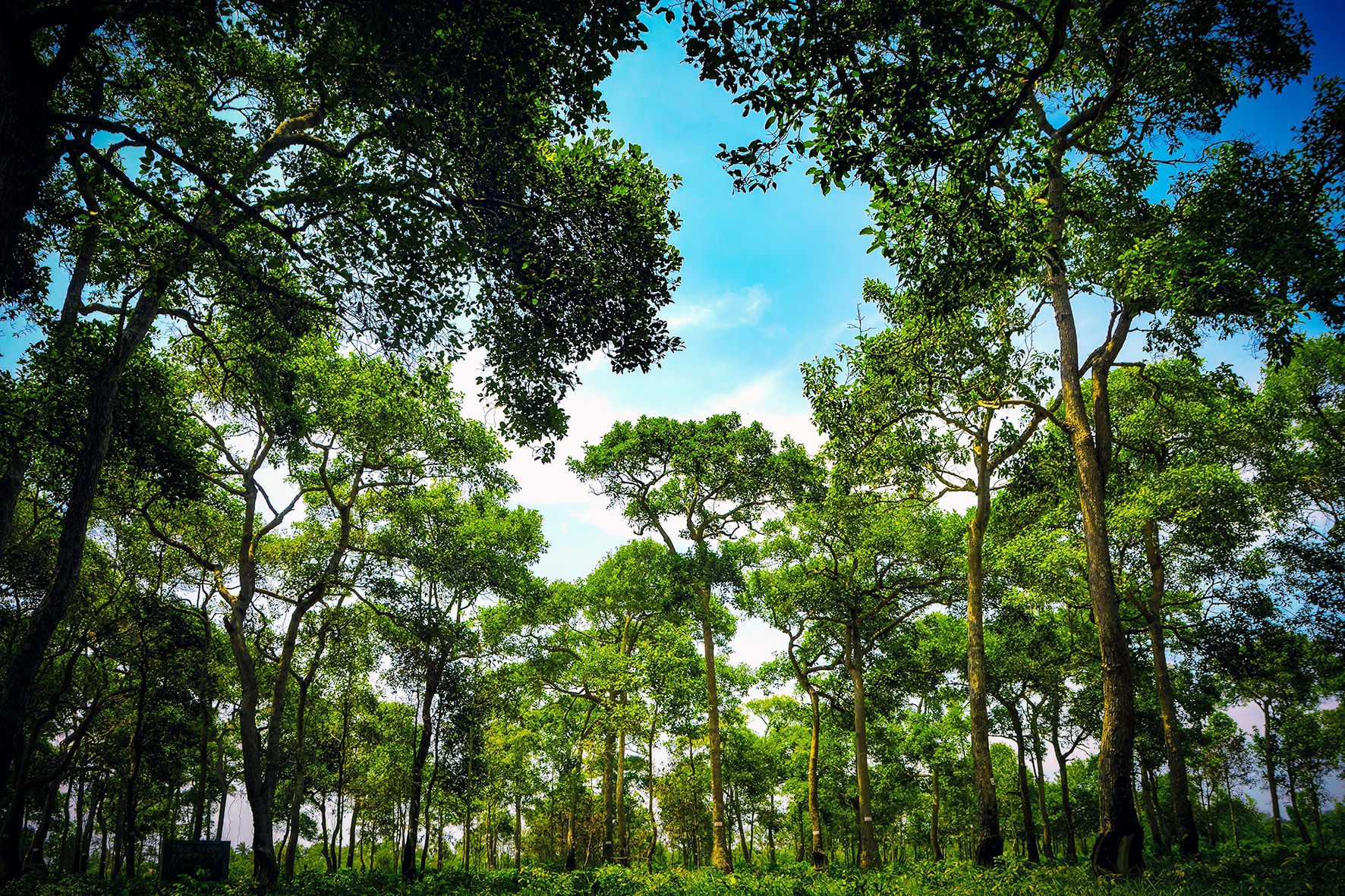
By September 2025, Lam Dong plans to issue a detailed framework for forest-environment service businesses, creating a solid foundation for investors to expand under-canopy tourism into one of the province’s signature offerings.