


Lam Dong Responds to World Thalassemia Day
The Population Department of Lam Dong Province has launched activities to mark World Thalassemia Day on May 8, 2026, under the theme: “Joining hands in screening and early detection of Thalassemia – leaving no one behind.”
.jpg)
The burden of inherited blood disorders
Thalassemia, or inherited hemolytic anemia, was first discovered and studied worldwide in 1925. In Vietnam, scientific research on the disease began in 1960.
Thalassemia is a group of hereditary hemoglobin disorders that cause anemia and hemolysis. Patients with severe forms of the disease require regular lifelong blood transfusions and face serious complications such as heart failure, enlarged liver, osteoporosis, and delayed physical and intellectual development.
.jpg)
According to a report by the General Office for Population and Family Planning under the Ministry of Health, Vietnam currently has approximately 13 million carriers of the Thalassemia gene, accounting for around 13% of the population. Each year, more than 8,000 children are born with the disease, including over 2,000 severe cases requiring lifelong treatment, while hundreds of fetuses suffer from fatal hydrops fetalis.
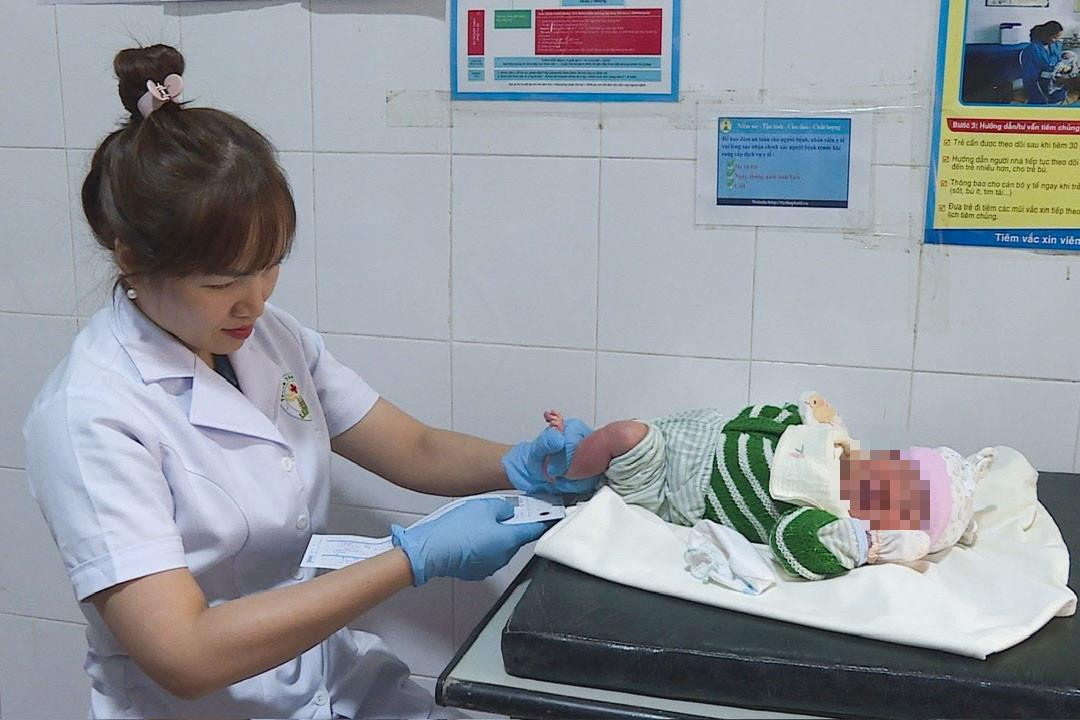
Proactive screening to improve population quality
In Lam Dong Province, the provincial Population Department has coordinated efforts to strengthen prevention and control activities through communication campaigns and counseling on the importance of screening, testing, premarital health check-ups, as well as early prenatal and neonatal diagnosis and treatment.
Proactive screening not only provides children with opportunities for timely treatment but also helps families take a more active role in having healthy children, thereby contributing to improving population quality.