


Lam Dong Reviews One Year of Operating the Two-Tier Local Government Model
After nearly a year of operating the two-tier local government model, Lam Dong Province has recorded important initial achievements, laying a foundation for more effective governance in the coming period.
Initial achievements after nearly one year of implementation
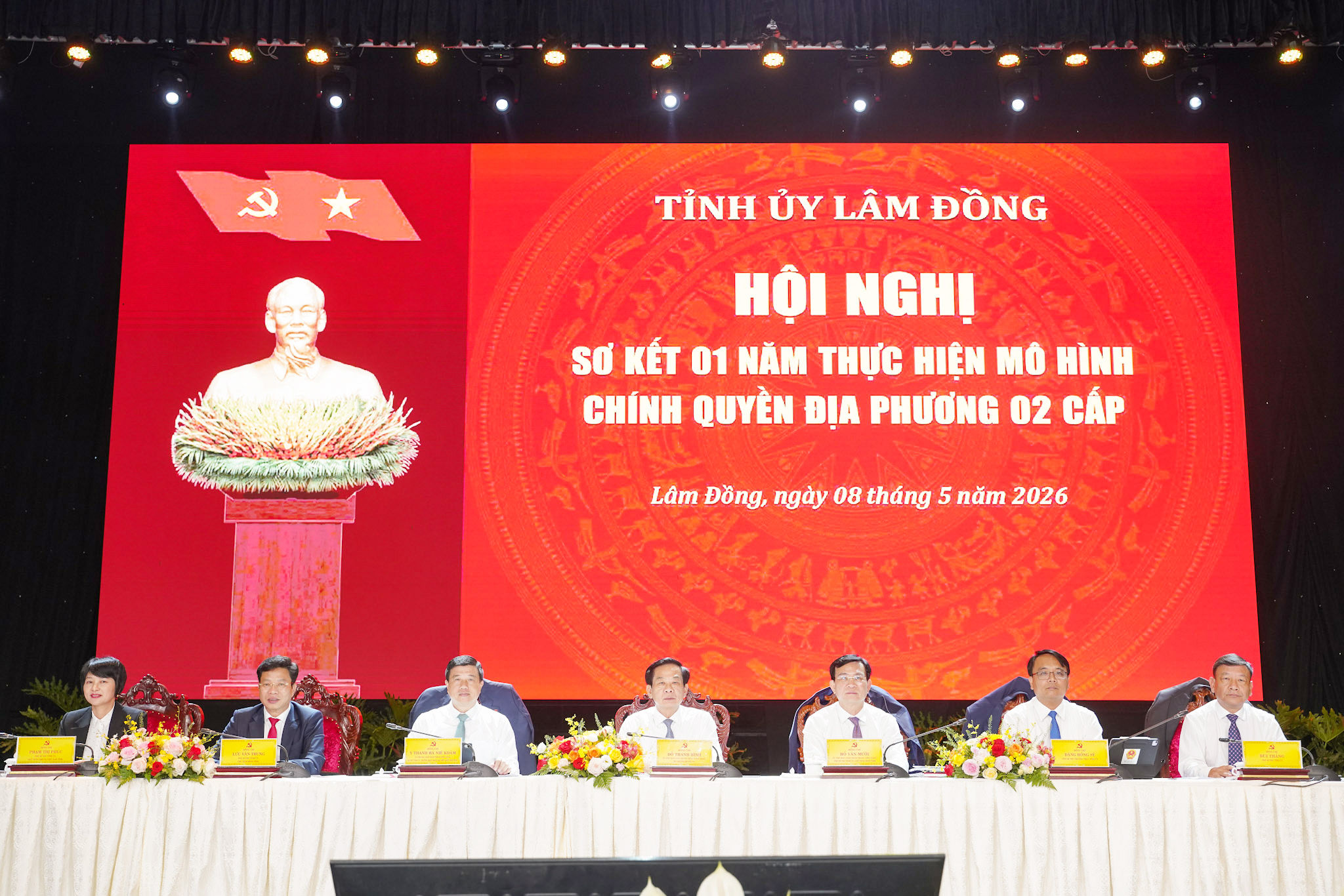
On the morning of May 8, Lam Dong held a conference reviewing one year of implementing the two-tier local government model. The conference was conducted both in person and online, connecting with 124 communes, wards, and special administrative zones across the province.
Attending the event on behalf of central agencies were Do Thanh Binh, Member of the Party Central Committee and Minister of Home Affairs; members of Inspection and Supervision Delegation No. 31 of the Politburo and the Secretariat; and representatives of Party Central Committee agencies overseeing Lam Dong Province.
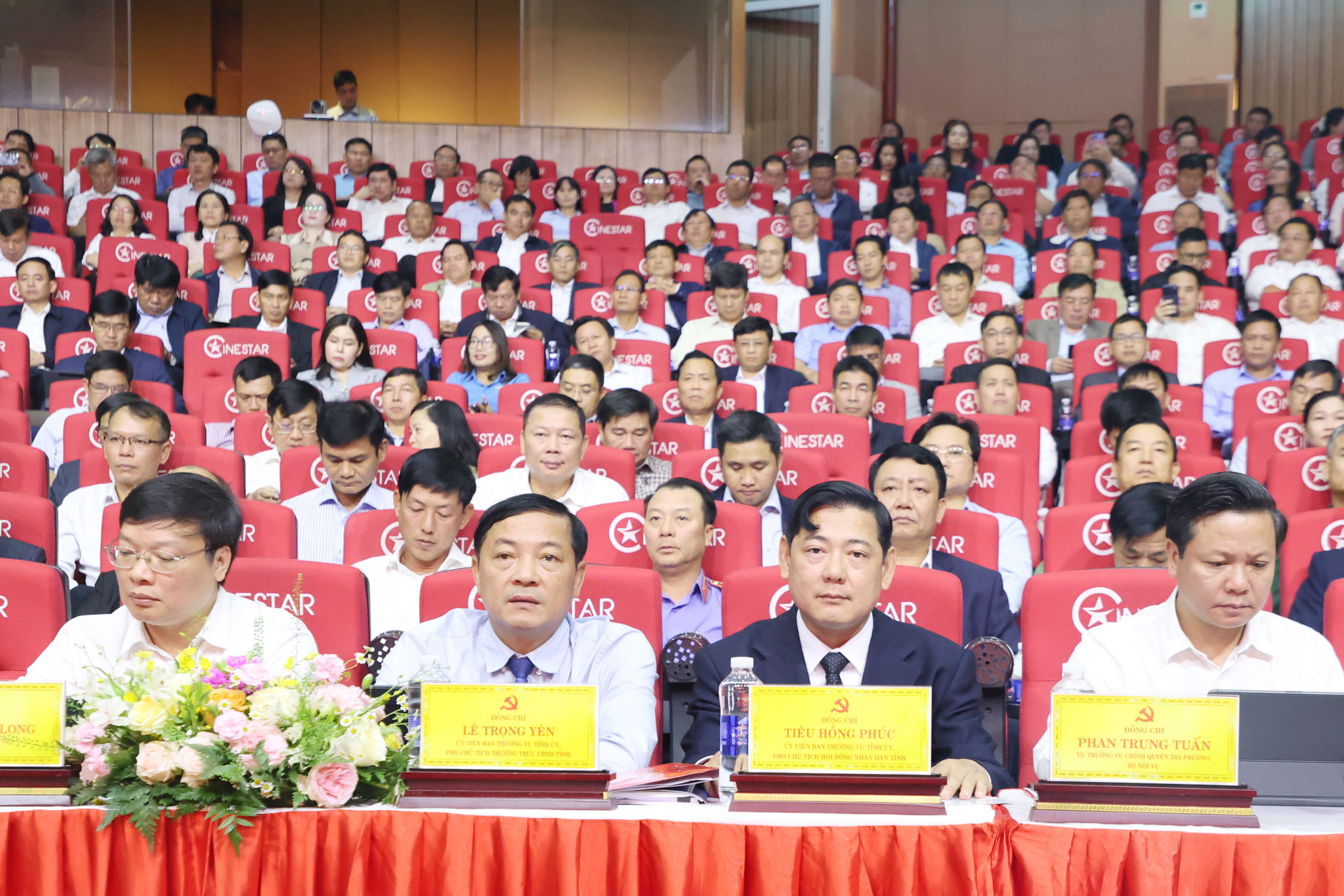
Provincial attendees included Y Thanh Ha Nie Kdam, Member of the Party Central Committee, Secretary of the Provincial Party Committee and Head of the Provincial National Assembly Delegation; Ho Van Muoi, Member of the Party Central Committee, Deputy Secretary of the Provincial Party Committee and Chairman of the Provincial People’s Committee; Dang Hong Sy, Standing Deputy Secretary of the Provincial Party Committee; Luu Van Trung, Deputy Secretary of the Provincial Party Committee and Chairman of the Provincial People’s Council; Pham Thi Phuc, Deputy Secretary of the Provincial Party Committee and Chairwoman of the Vietnam Fatherland Front Committee of the province; and Bui Thang, Deputy Secretary of the Provincial Party Committee.
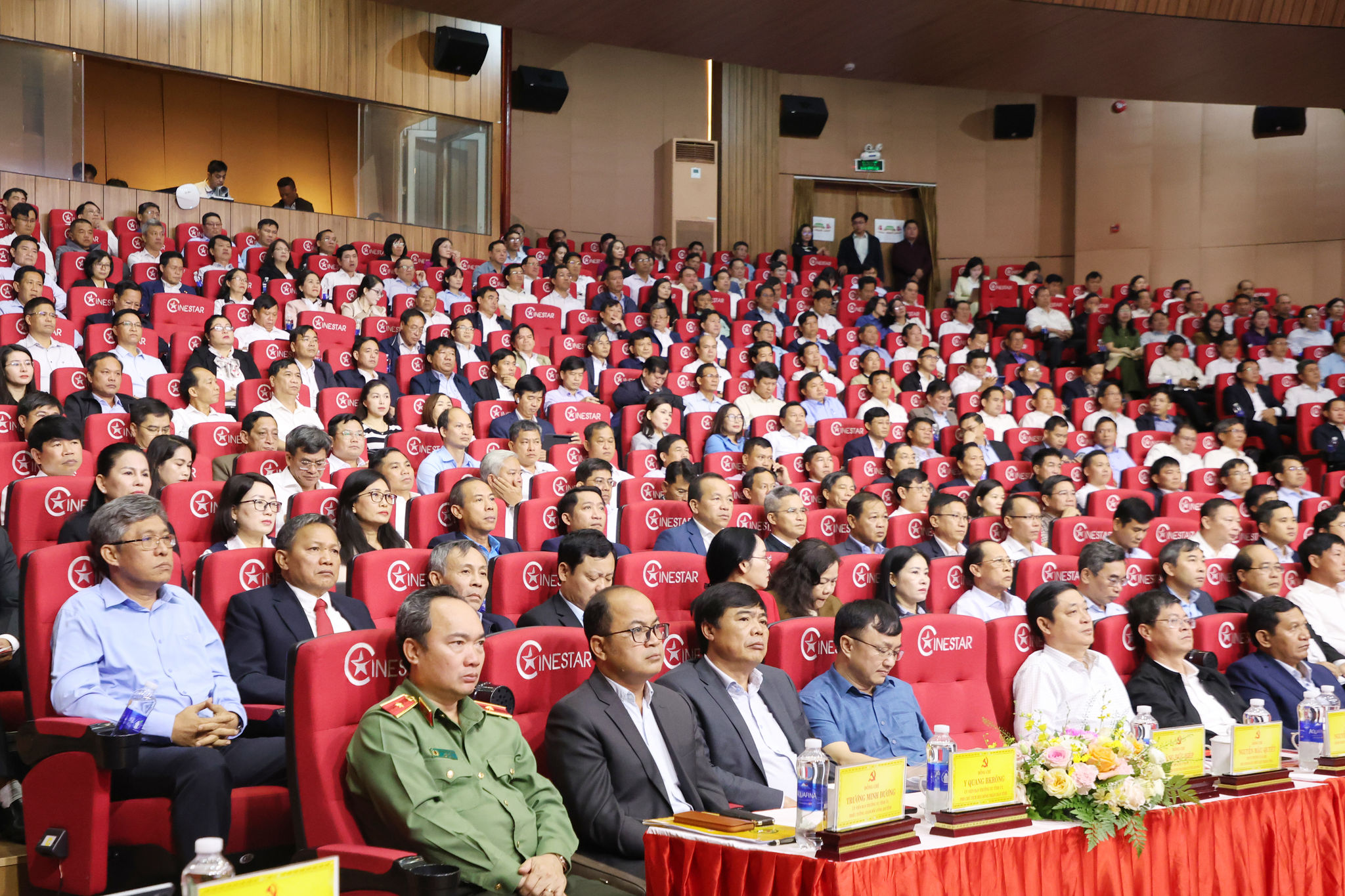
The conference was also attended by members of the Provincial Party Standing Committee, leaders of the provincial People’s Council, People’s Committee, departments, sectors, and local authorities.
Conducting substantive and candid assessments from the grassroots level
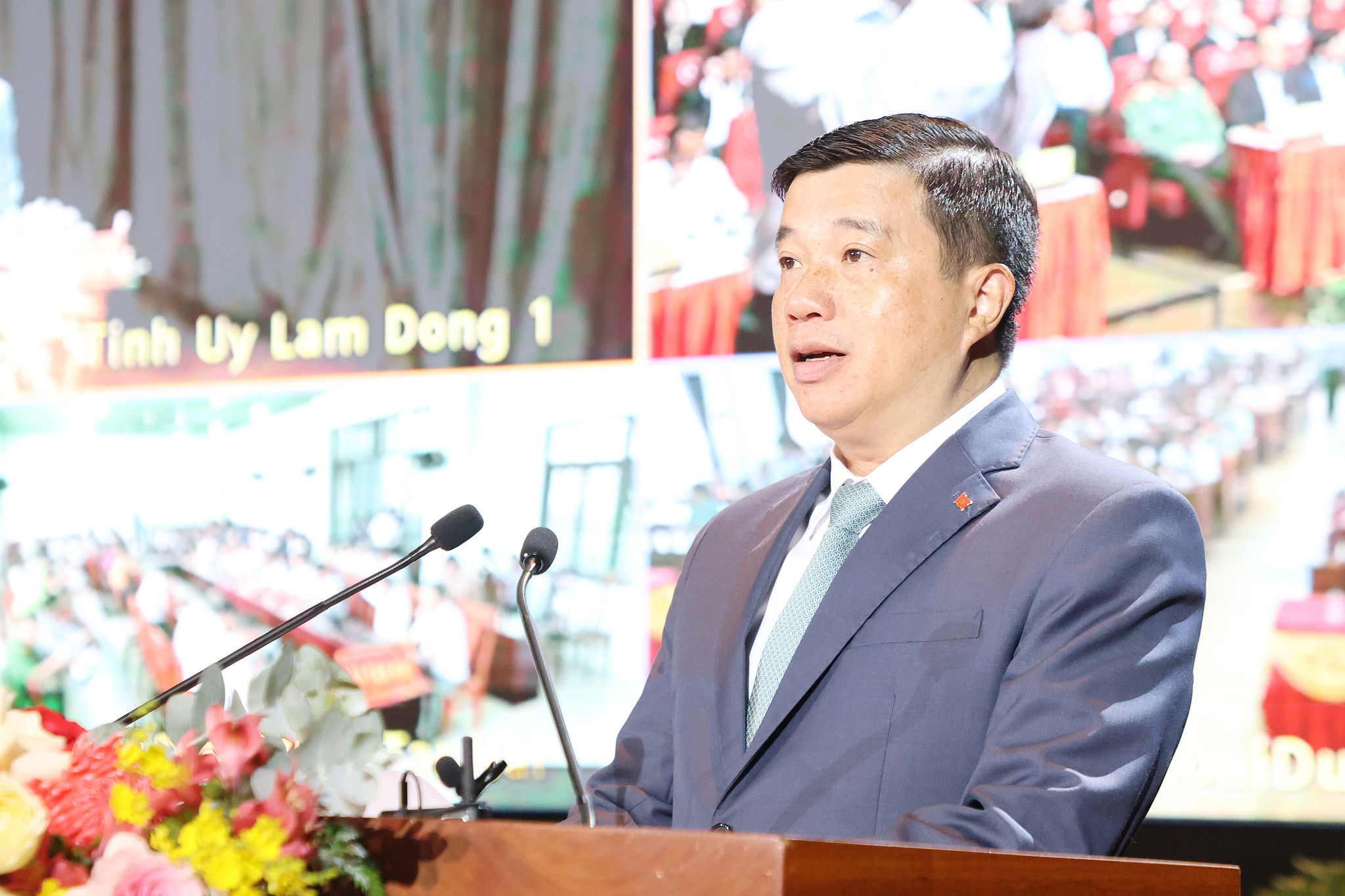
In his opening remarks, Provincial Party Secretary Y Thanh Ha Nie Kdam emphasized that after one year of implementing the two-tier local government model, agencies, units, communes, wards, and special zones had seriously conducted review activities within their respective localities and organizations.
The Standing Board of the Provincial Party Committee, the Provincial Party Standing Committee, and members of the Provincial Party Committee regularly monitored and directed the process to ensure that reviews were carried out thoroughly, substantively, and candidly from the grassroots level.
Initial reviews at the commune, ward, and special-zone levels showed that many practical issues had been clearly identified, while effective models and innovative approaches were acknowledged. However, Lam Dong Province also frankly pointed out specific and practical difficulties related to organizational structure, task assignment, coordination mechanisms, and operational conditions at the grassroots level.
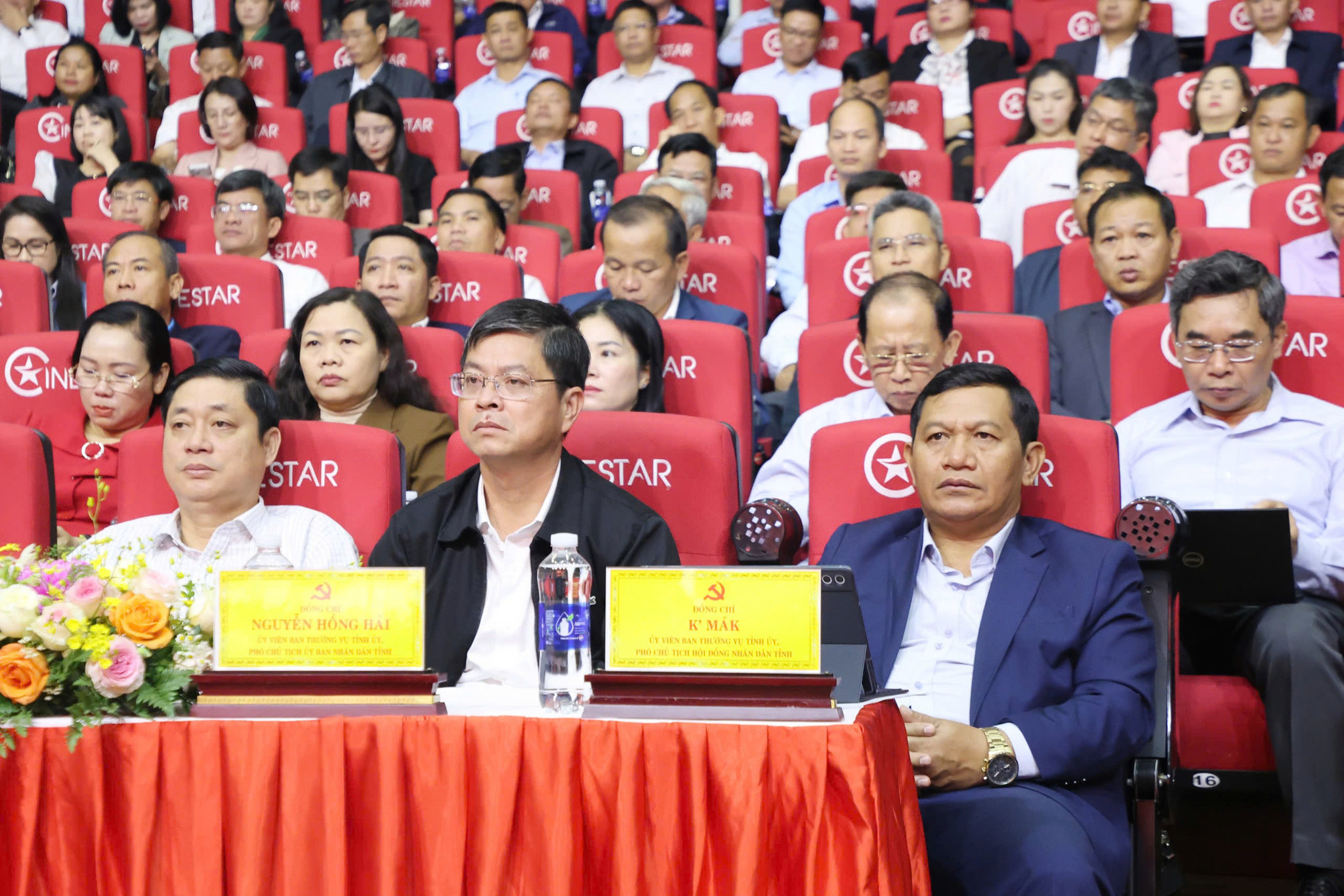
“Today’s review conference is an opportunity for us to objectively and comprehensively assess the situation. We must candidly identify achievements, limitations, difficulties, and obstacles arising during the implementation process. On that basis, Lam Dong will draw lessons and determine key tasks and solutions to improve leadership and administration effectiveness in the coming period,” Provincial Party Secretary Y Thanh Ha Nie Kdam stressed.
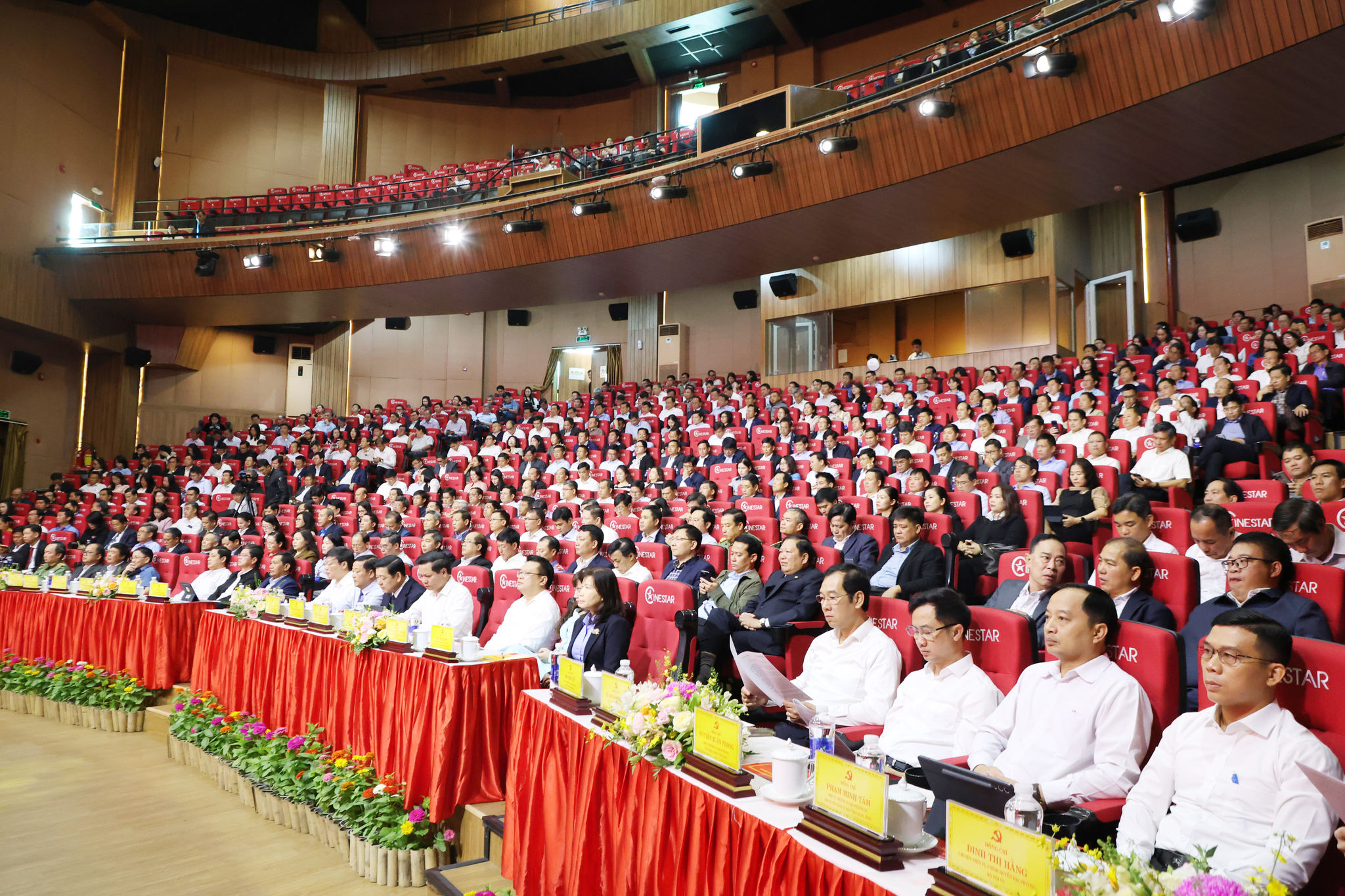
Toward a service-oriented administration
The provincial leader requested that the conference focus discussions on identifying limitations, bottlenecks, and operational challenges of the model, particularly in areas such as organizational structure, task assignment, coordination mechanisms, and operational conditions.
The conference must clearly identify the causes and the competent authorities responsible for resolving them. Practical and feasible solutions should be proposed promptly to shift from an administrative management model to a service-oriented administration. All efforts must aim to ensure an efficient apparatus that is truly close to and serves the people.
Provincial Party Secretary Y Thanh Ha Nie Kdam
For provincial departments and agencies, the Provincial Party Secretary called for solutions to improve the quality of advisory work, promote effective decentralization and delegation of authority, and strengthen guidance, support, inspection, and supervision to ensure the smooth operation of the system.
.jpg)
Party committees directly under the Provincial Party Committee were asked to clearly assess their leadership and direction in implementing the model, identify difficulties and bottlenecks in leadership and coordination, and propose solutions to enhance the leadership capacity and combat strength of Party organizations, thereby ensuring comprehensive and unified leadership across the political system.
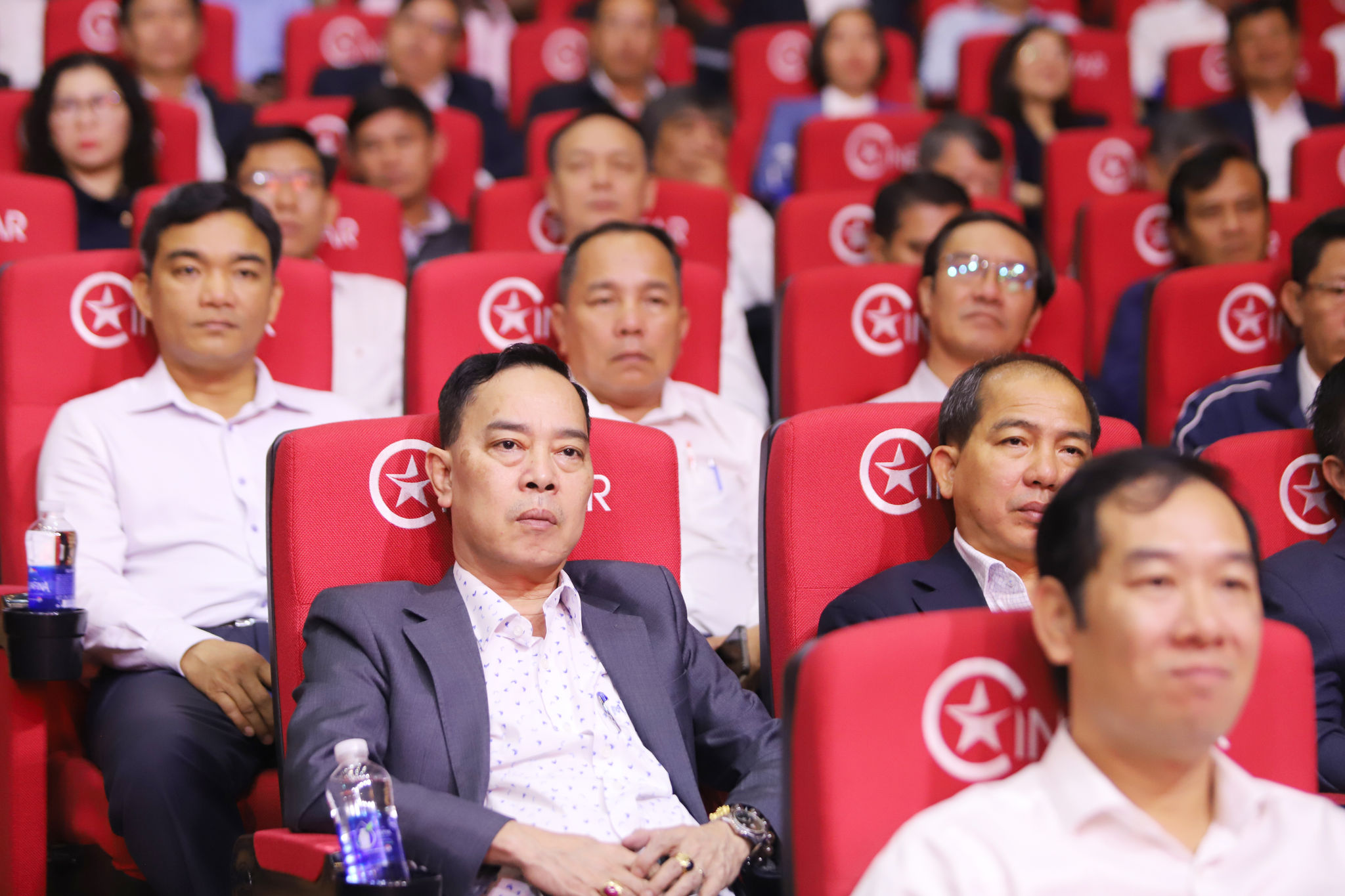
Government apparatus operating stably and more effectively
According to assessments presented at the conference, after one year of implementation, the two-tier local government apparatus in Lam Dong has generally operated in a stable and smooth manner, meeting the established objectives.
The organizational structure has been consolidated in a timely manner, ensuring unified leadership and direction from the provincial to grassroots levels. The effectiveness and efficiency of state management have gradually improved.
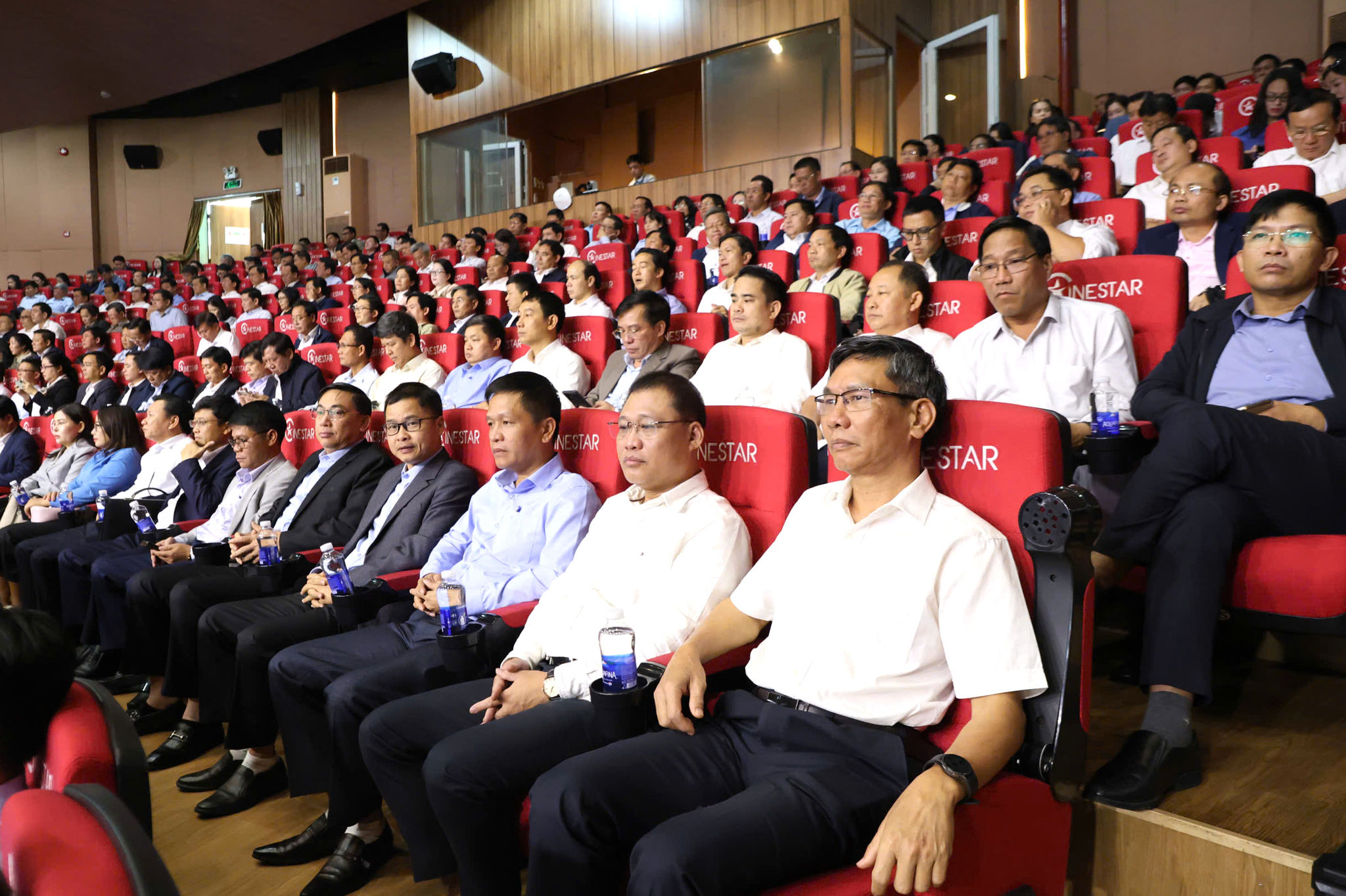
Administrative reform and digital transformation have recorded positive progress. Many administrative procedures have been simplified, contributing to improved services for citizens and businesses.
The contingent of cadres, civil servants, and public employees has generally met task requirements and gradually adapted to the new model. Political stability, social order, national defense, and security have continued to be maintained.
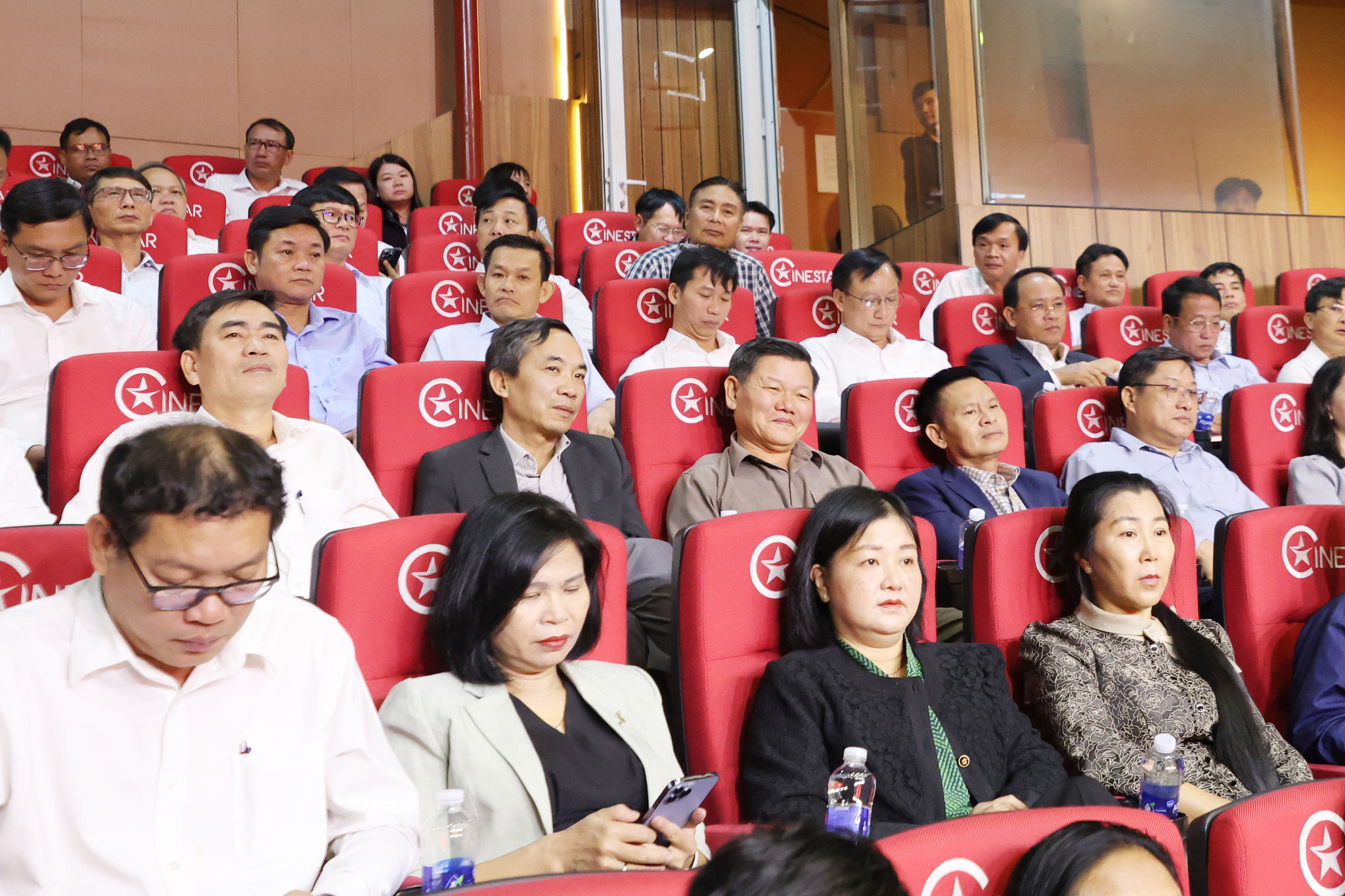
Alongside the achieved results, the implementation process still faces several shortcomings. Organizational structures in some localities remain insufficiently synchronized, while personnel arrangement and assignment have encountered difficulties.
The capacity of some commune-level officials and civil servants, especially in remote areas, has yet to fully meet operational requirements. Some officials have been slow to adapt to the new model, while skills in information technology, digital transformation, and artificial intelligence remain limited.
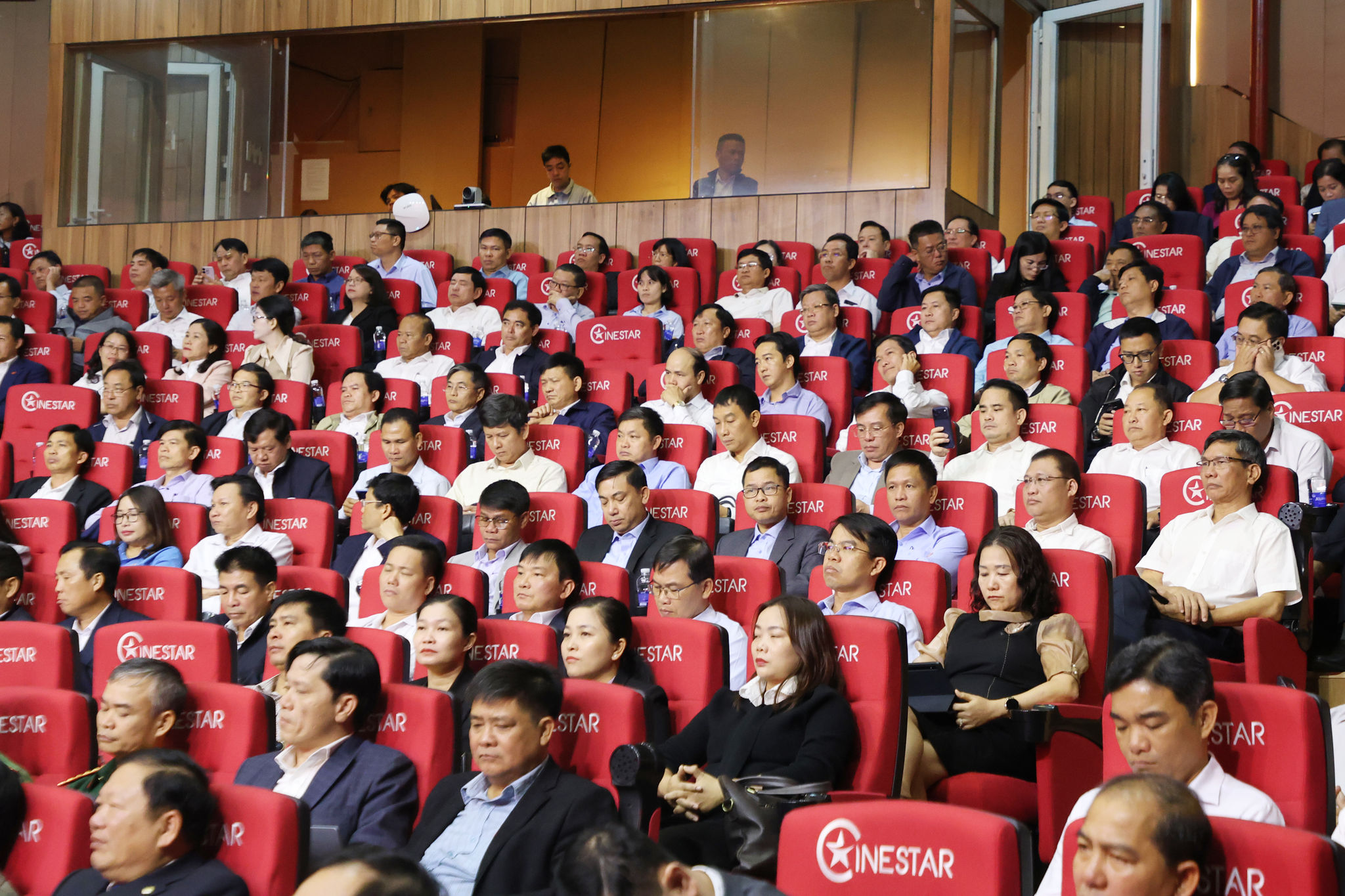
Following organizational restructuring, the Lam Dong Provincial Party Committee now has two affiliated Party committees, reducing focal points by 66.6%. Advisory and support agencies under the Provincial Party Committee have been reduced to five agencies, also down 66.6%.
The Vietnam Fatherland Front and socio-political organizations were consolidated into one agency, reducing focal points by 94.4%. Mass associations were streamlined from 40 organizations to 16.
Within the administrative system under People’s Committees at all levels, the provincial administration now includes 14 departments and sectors along with two equivalent organizations, reducing focal points by 61.9% with 102 subordinate divisions and offices.
At the commune level, the establishment of specialized agencies has been completed in accordance with regulations. The province currently has 1,884 public service units, basically meeting public service demands under the new operational model.
Lam Dong has also focused on reviewing, standardizing, reducing, and simplifying administrative procedures, cutting approximately 30% of internal procedures and shortening processing times.
The rates of online applications, online payments, and electronic authentication have reached high levels, contributing to improved public services and greater administrative reform efficiency.