


Lam Dong Rolls Out Artificial Intelligence Education in Schools
The Lam Dong Provincial People’s Committee has issued Plan No. 19505 on the development and application of artificial intelligence (AI) in education for the 2026 - 2030 period.
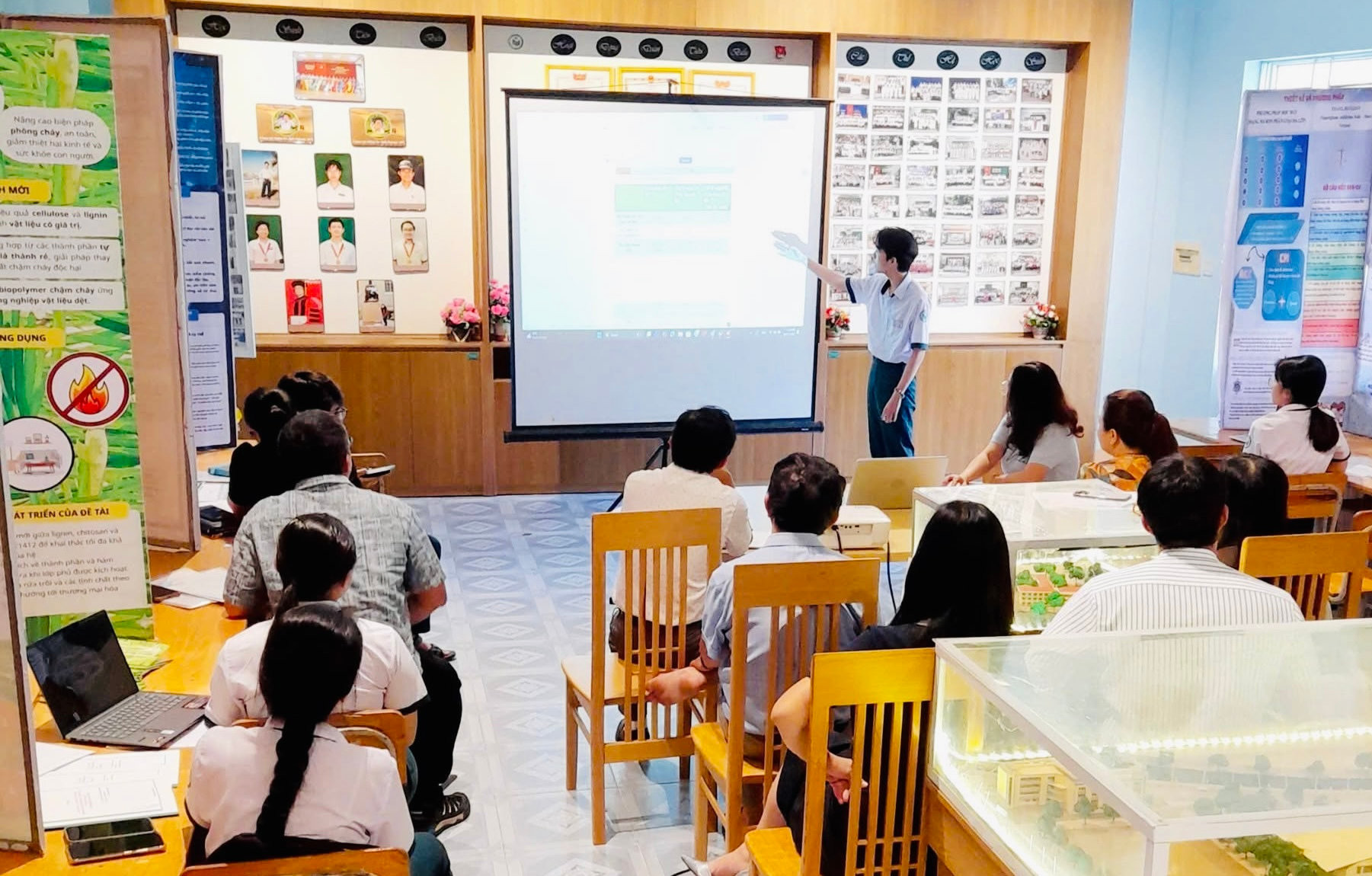
Equipping Students with Essential AI Knowledge and Skills
The plan aims to equip students with fundamental knowledge, practical skills and the ability to recognize and assess the role of AI in learning and everyday life. Through AI education, students will develop critical thinking and information verification skills, while learning to use AI safely, ethically and responsibly.
The initiative is also intended to support innovation in teaching, testing and assessment methods, promote students' self-directed learning and creativity, and help improve the quality of general education. At the same time, it will gradually build a workforce of education administrators and teachers with digital competencies and the ability to apply AI in their professional activities, meeting the requirements of digital transformation in education.
AI education will be implemented in accordance with the perspectives, objectives and learning outcomes set out in the AI Education Content Framework for General Education Students, issued together with Decision No. 2422/QD-BGDDT dated August 18, 2026, by the Minister of Education and Training.
The AI education curriculum is structured into two main components. The core component, comprising 12 periods per grade per school year, will provide students with the minimum essential knowledge and skills in AI that can be directly applied to support learning in school subjects and educational activities.
The expanded component, with teaching hours arranged at the discretion of each educational institution, will broaden students' understanding and develop their skills and creative abilities according to their needs and actual learning conditions. AI education modules must ensure completion of the core content and be incorporated into the teaching plans of schools operating two sessions per day, with arrangements suited to different groups of students.
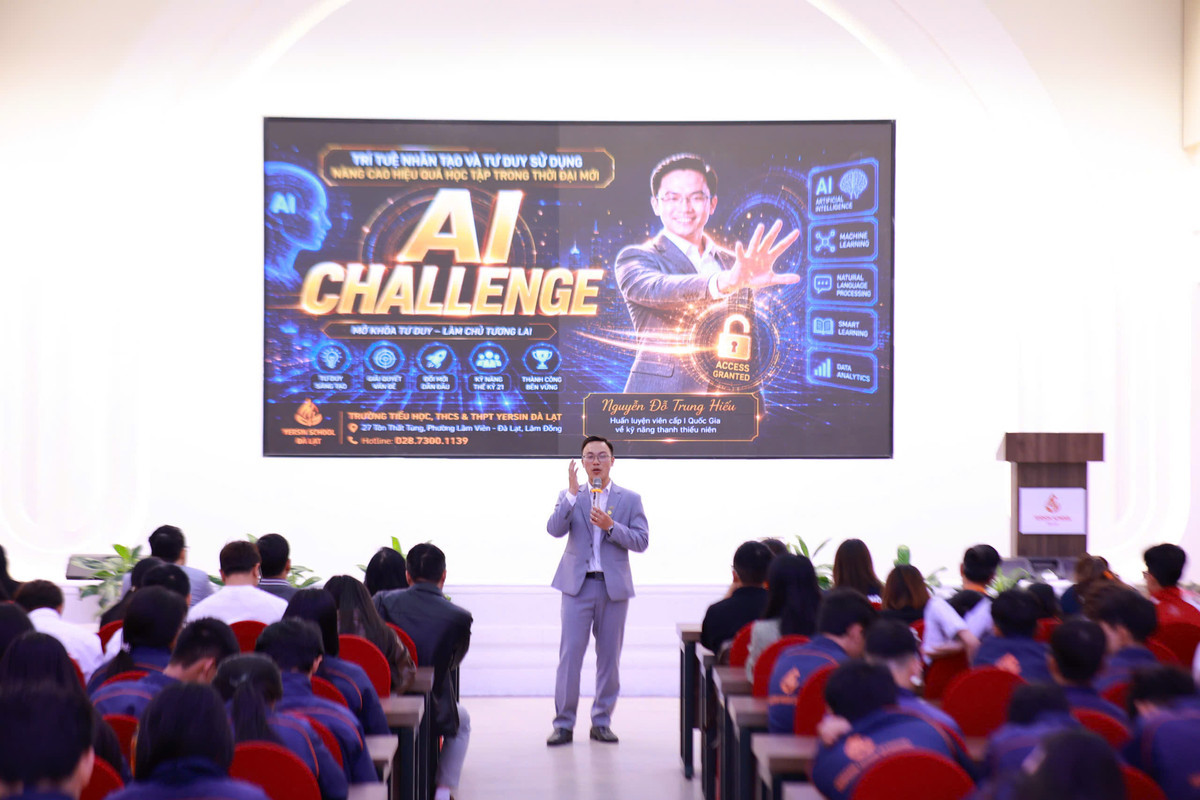
Phased Implementation Through the 2029-2030 School Year
Implementation formats must ensure that all core content is covered while taking into account students' psychology, age, abilities, strengths and access to technology at each educational level. Participation in expanded learning activities will be voluntary and based on students' choices, without creating excessive academic workloads.
Under the roadmap, the province will focus on coordinated implementation and the completion of learning materials by the 2027–2028 school year. In the 2028–2029 school year, it will improve quality and expand the application of AI. The 2029–2030 school year will be devoted to reviewing the results, scaling up effective models and setting development directions for the following period.
To implement the plan, the Provincial People’s Committee has directed departments, agencies and local authorities to ensure the necessary conditions in terms of information technology infrastructure, digital platforms, AI applications and funding. Local authorities and educational institutions may proactively select implementation timelines, methods, tools and formats suited to their actual conditions.
In particular, the introduction of AI into schools must be scientifically and pedagogically sound and appropriate to students' capabilities. It must not alter the objectives or content of the general education curriculum or create additional pressure for students and teachers.