


Lam Dong’s Agriculture Proactively Adapts to Rising Input Costs
Rising input material costs are placing growing pressure on the agricultural sector in Lam Dong, one of the country’s leading agricultural hubs.
.png)
Amid mounting pressure from soaring agricultural input prices, many enterprises, cooperatives and farming households in Lam Dong Province have proactively tightened expenditures, accelerated technology adoption and shifted toward green farming models in an effort to maintain production efficiency and strengthen the market competitiveness of local agricultural products.
.png)

Across major vegetable- and flower-growing areas in Da Lat, Don Duong and Lac Duong, the most widely discussed issue in recent months is no longer market access for agricultural products, but rather the rapidly escalating cost of production inputs.
Many enterprises said they are being forced to reassess their entire production process, from greenhouse operations and material usage to packaging and transportation, in order to reduce expenses.
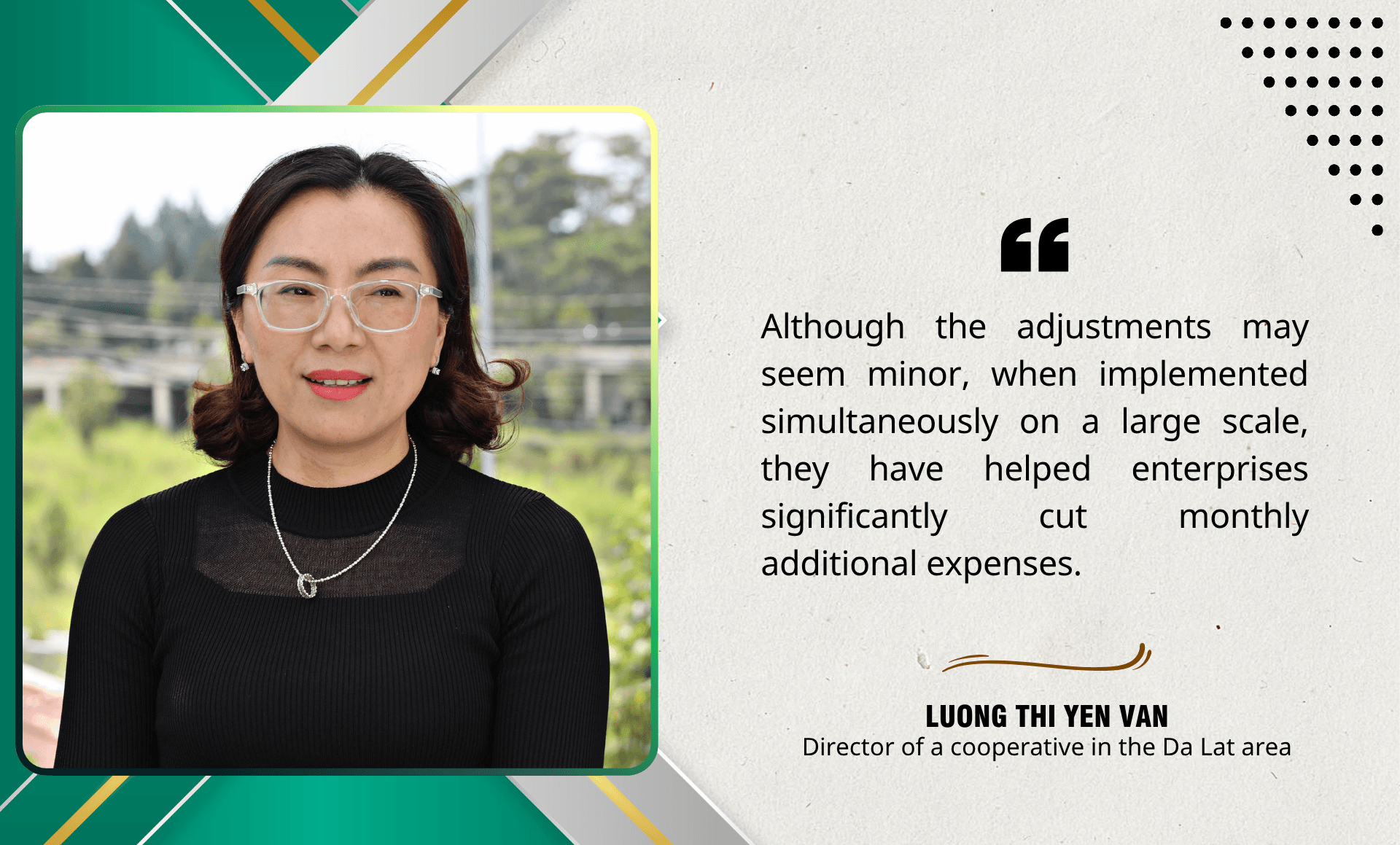
Luong Thi Yen Van, Director of a cooperative in the Da Lat area that links agricultural product consumption for more than 225 farming households, said prices of various agricultural materials, packaging supplies and logistics services have risen by 10–20 percent in recent months, placing increasing pressure on production activities.
According to Van, high-tech agricultural enterprises have been particularly affected as rising fuel prices have driven up the cost of imported materials. However, amid fierce market competition, enterprises are unable to significantly raise selling prices for fear of losing customers.
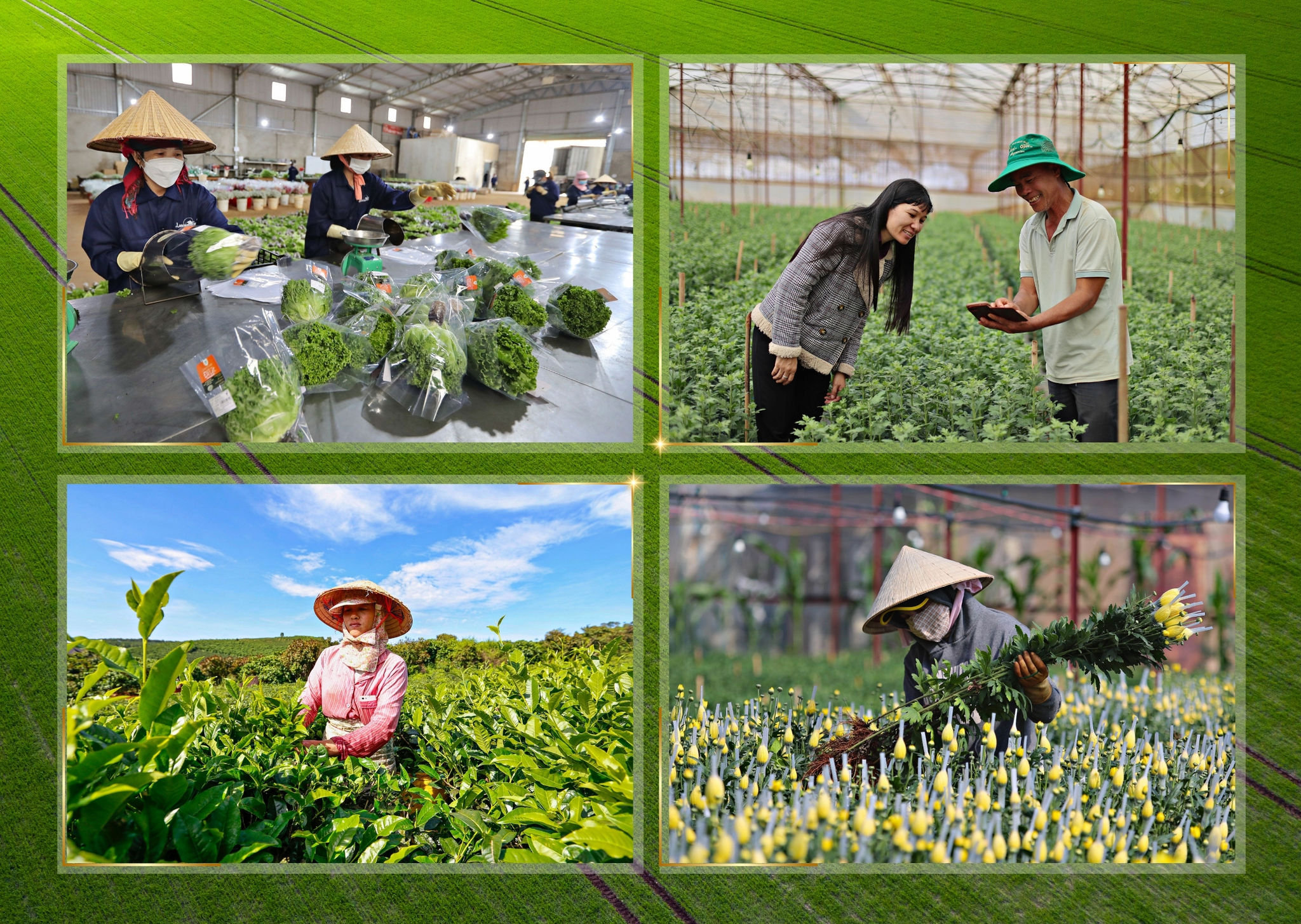
As a result, businesses have been compelled to cut costs in even the smallest details in order to keep production costs stable. Many stages previously carried out with relative flexibility are now being recalculated. For example, vegetable packaging has been adjusted toward greater efficiency, with adhesive tape and wrapping paper used only in necessary amounts instead of multiple layers as before.
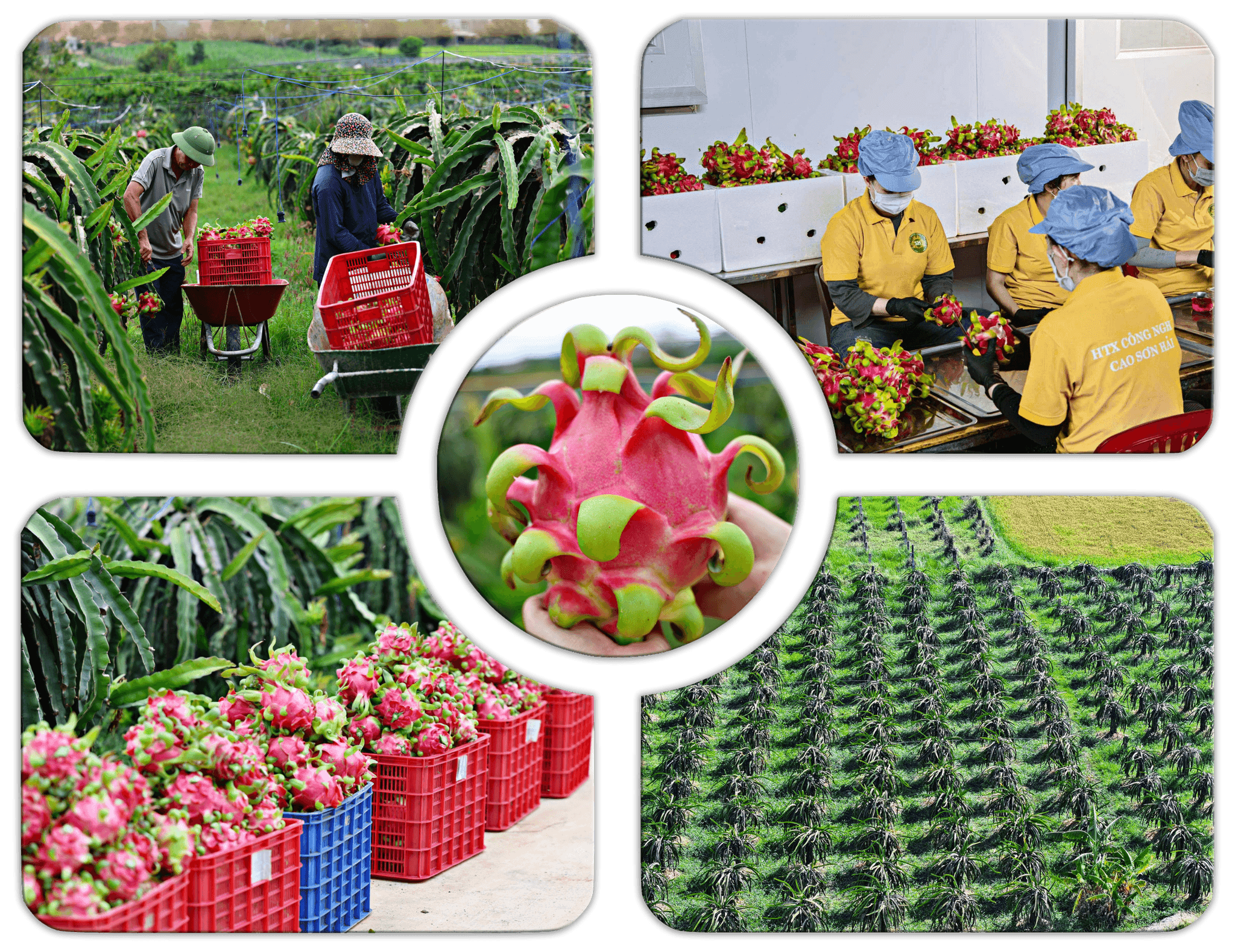
The pressure is not limited to the vegetable and flower sector. Export-oriented fruit producers are also facing mounting burdens from rising freight and logistics costs. In the dragon fruit-growing region of Binh Thuan, many cooperatives said transportation expenses have surged while dragon fruit prices remain low, causing profit margins to narrow further.
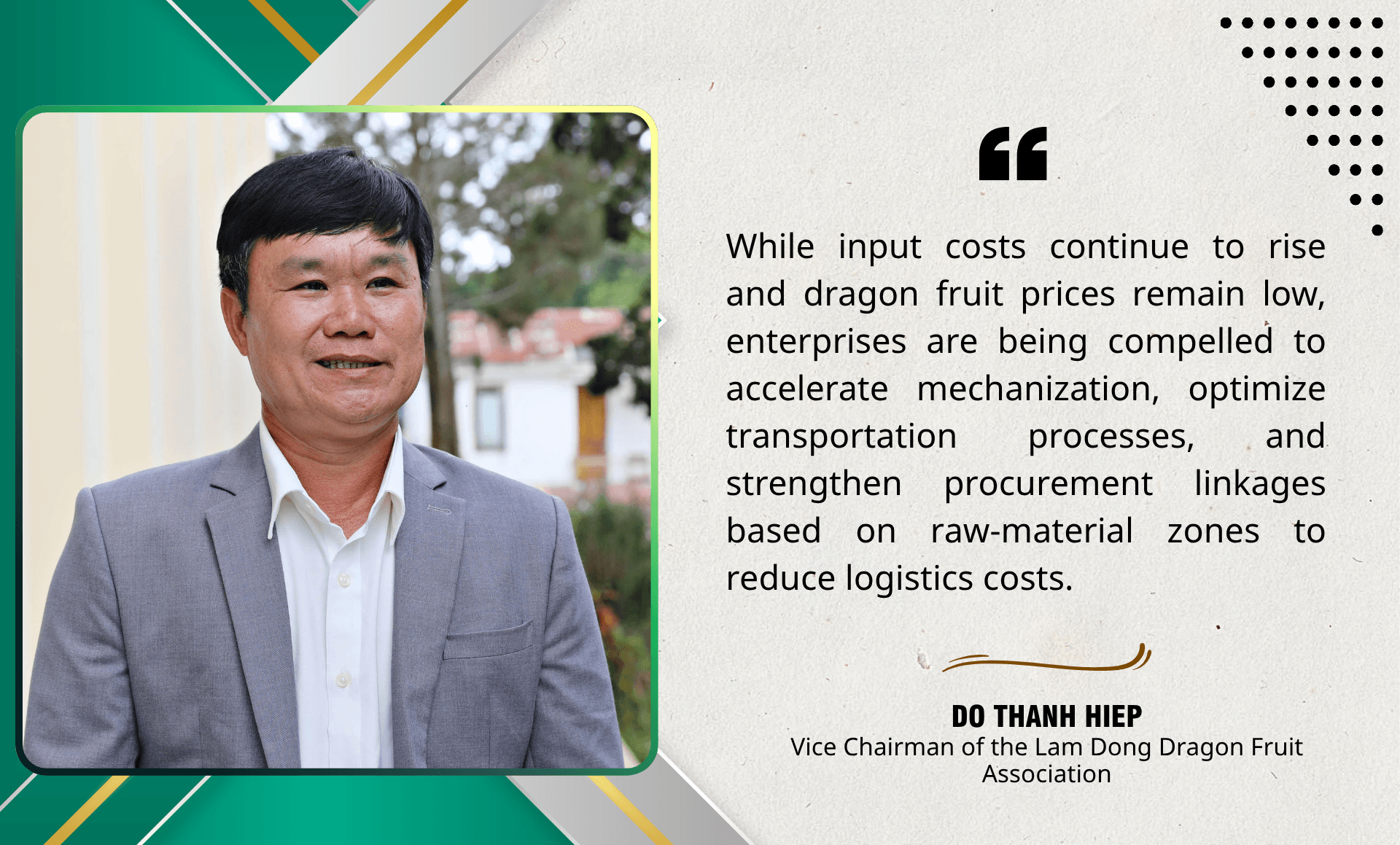
Do Thanh Hiep, Vice Chairman of the Lam Dong Dragon Fruit Association, said enterprises previously operated multiple small transport trips each day to ensure product freshness. However, businesses are now being forced to consolidate orders and optimize transport routes in order to reduce fuel costs.
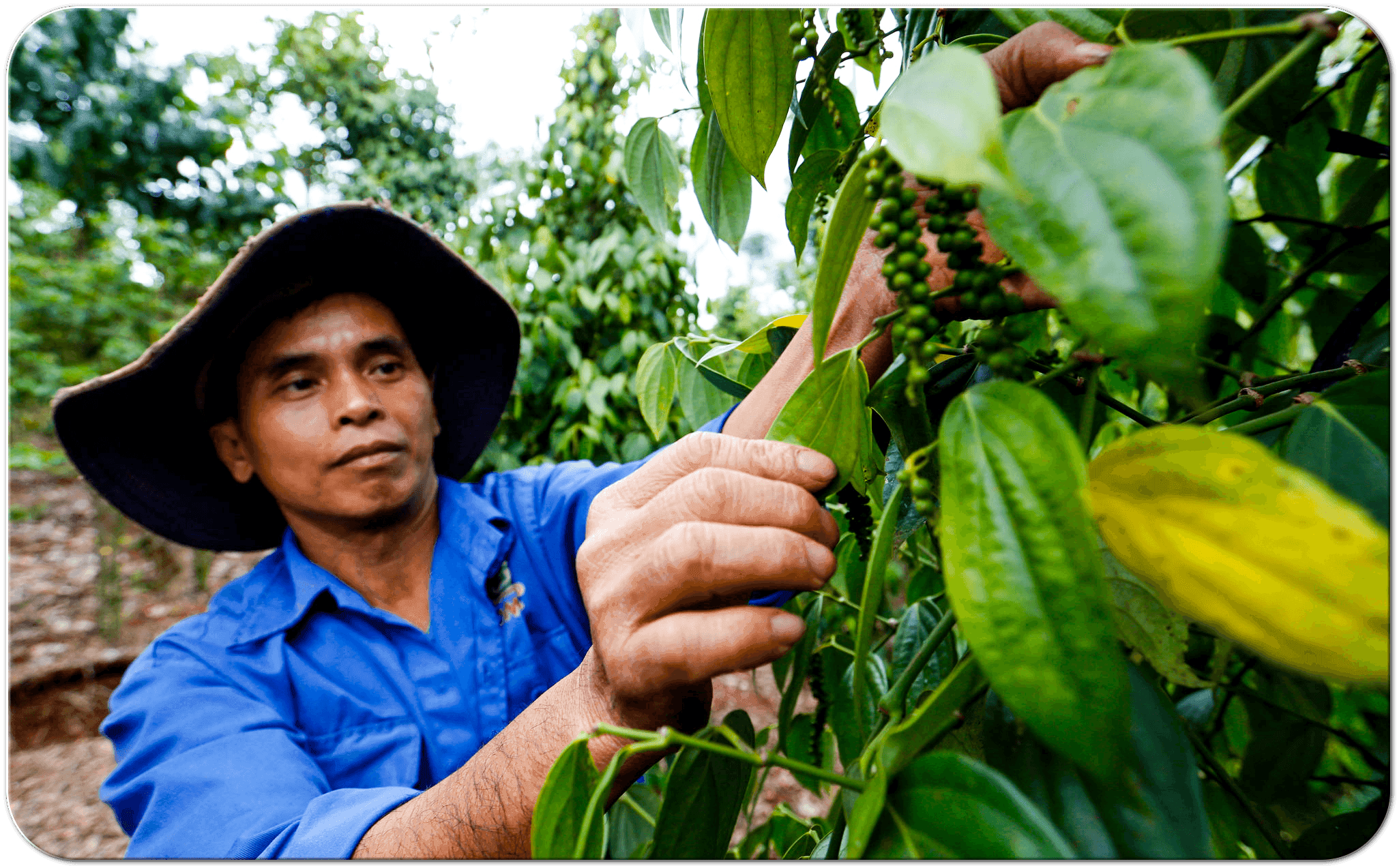
According to Hiep, in an effort to maintain stable market access, cooperatives are strengthening linkages with farmers and moving toward production under GlobalGAP standards. At the same time, they are gradually reducing the use of chemical fertilizers, increasing the application of biological products and utilizing agricultural by-products to produce organic fertilizer.
Although these measures may not immediately lead to substantial cost reductions, they are expected to support long-term production stability, improve soil quality and better meet the requirements of export markets.
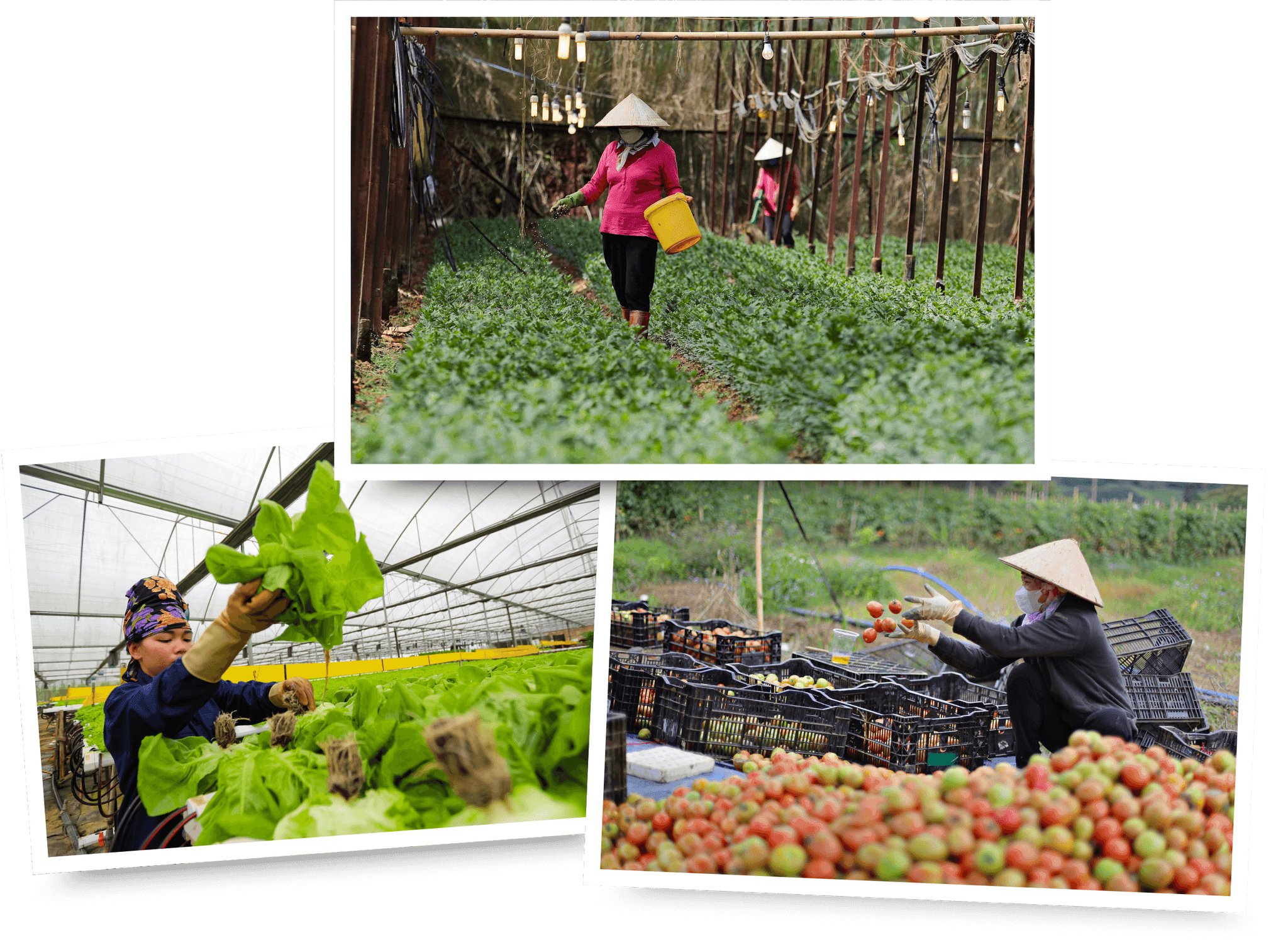
Similarly, in communes such as Duc Trong and Don Duong, many farming households said they have also been forced to change production methods in response to the new situation. Whereas fertilizer and pesticide use was previously based largely on experience, farmers are now making more careful calculations to avoid waste.
Many households have proactively reduced the use of inorganic fertilizers, increased organic fertilizer application, conserved irrigation water and cut unnecessary expenses.
Numerous enterprises believe that the current period of rising input prices is compelling the agricultural sector to rethink its production mindset. Instead of pursuing output growth at all costs, many businesses are now focusing more on optimizing inputs, improving product quality and saving energy.
This transformation is viewed as a necessary shift for the agricultural sector to better adapt to increasingly unpredictable market conditions.
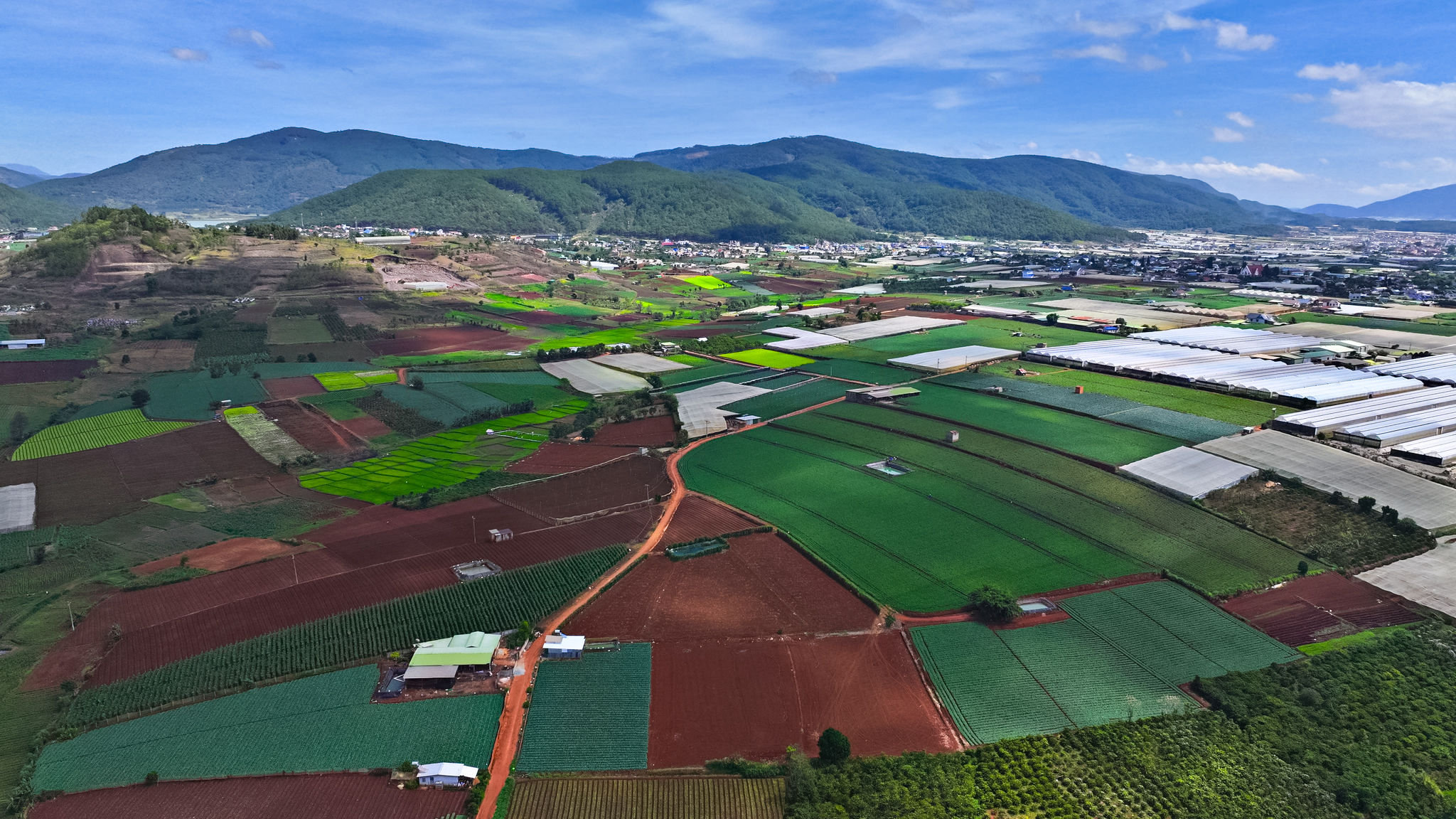

According to the Department of Agriculture and Environment, Lam Dong is among the country’s leading localities in high-tech agricultural development, with more than 107,000 hectares under high-tech cultivation. The province is also home to more than 2 million head of livestock, 23.15 million poultry and an output of over 386,500 boxes of silkworm eggs.
Statistics for the first four months of 2026 show that the agricultural sector has maintained growth momentum thanks to proactive production adjustments and restructuring toward greater efficiency.
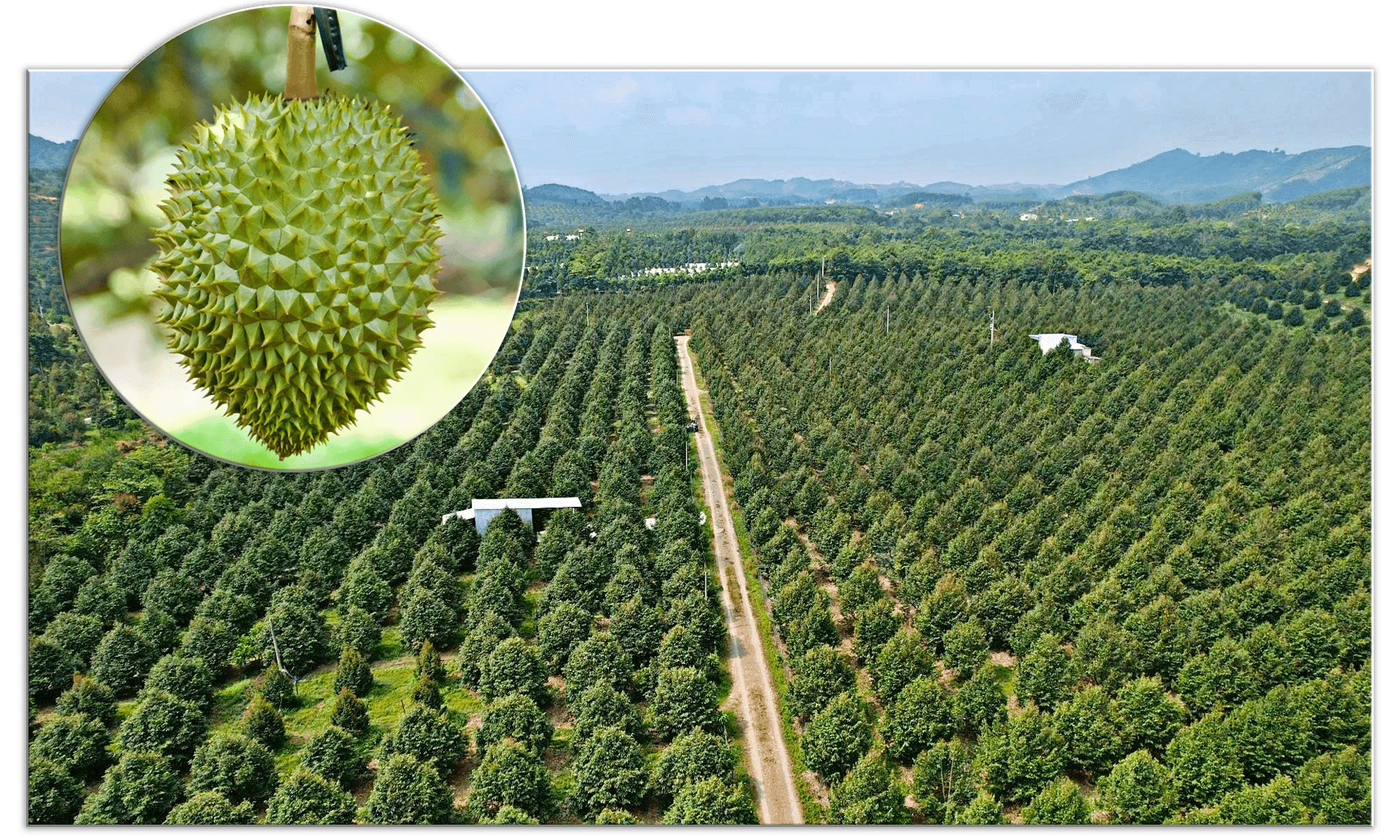
In Da Huoai 2 Commune, the Da M’ri Agricultural Cooperative, which links 140 households cultivating nearly 400 hectares of durian, has also been strongly affected by the recent surge in input prices.
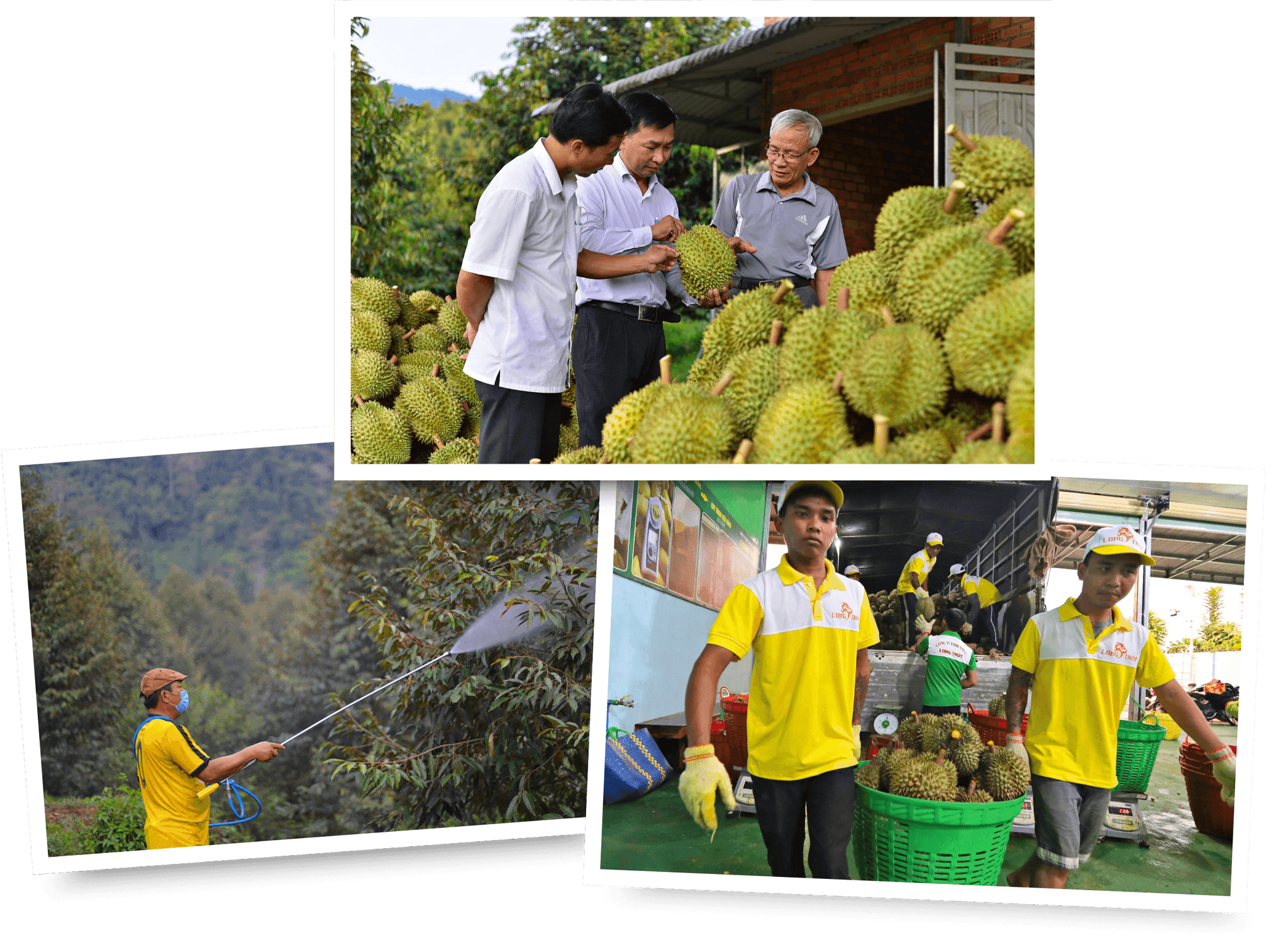
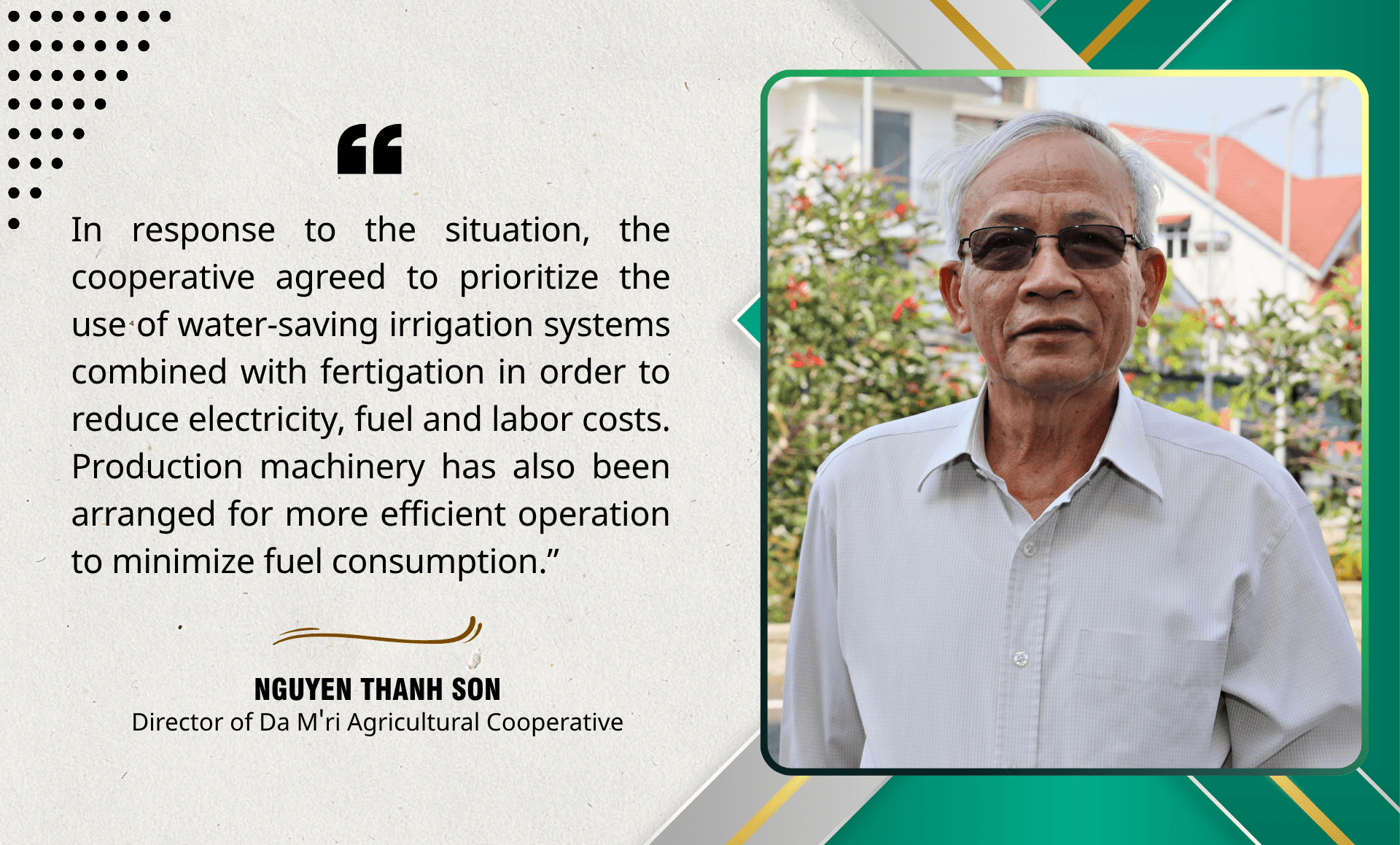
Nguyen Thanh Son, Director of the cooperative, said prices of many fertilizer products have increased by 7–15 percent over the past two months alone.
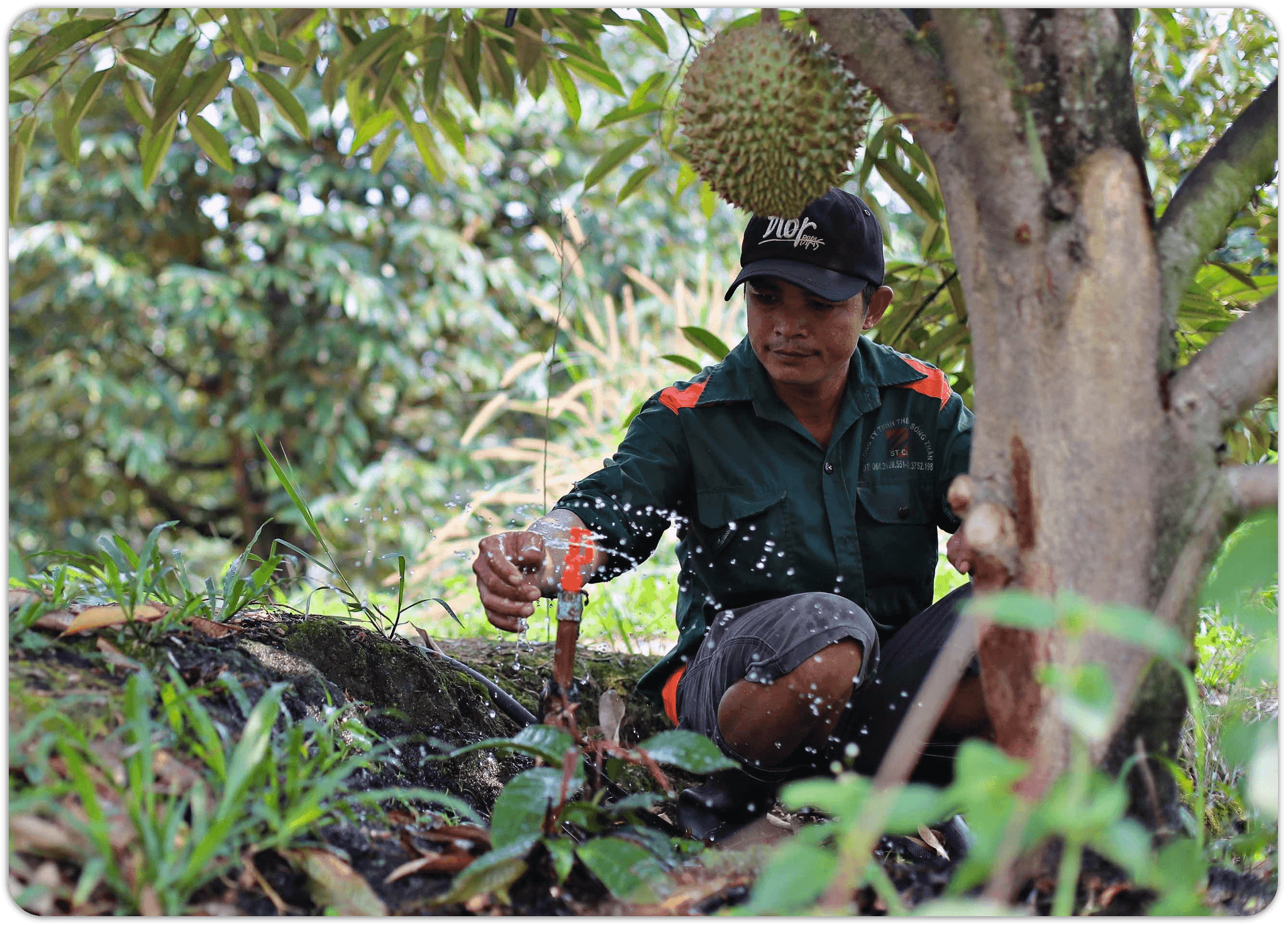
In caring for durian orchards, many farmers are also utilizing agricultural by-products to produce microbial fertilizers as a partial substitute for chemical fertilizers. Pest and disease monitoring has been carried out more regularly to detect problems early and avoid additional spending on crop protection chemicals.
In coffee-growing areas of Di Linh and Bao Lam, many farming households are gradually reducing the use of chemical fertilizers while increasing soil coverage to retain moisture and conserve irrigation water.
Several production facilities are also making use of by-products from vegetables, flowers and coffee to produce organic fertilizers or recycle them as production inputs. According to these businesses, circular production models not only help reduce material costs but also improve soil quality and enhance the value of export agricultural products.
Bui Hoa Tham, Vice Chairman of the Lam Dong Cooperative Alliance, said the organization is coordinating with relevant agencies to strengthen support for cooperatives and farmers in applying digital technologies and accelerating digital transformation in agricultural management, production and consumption.
At the same time, authorities are guiding farmers toward green and circular production models in line with the province’s 2026 collective economic development plan, with the aim of improving both efficiency and sustainability in the agricultural sector.
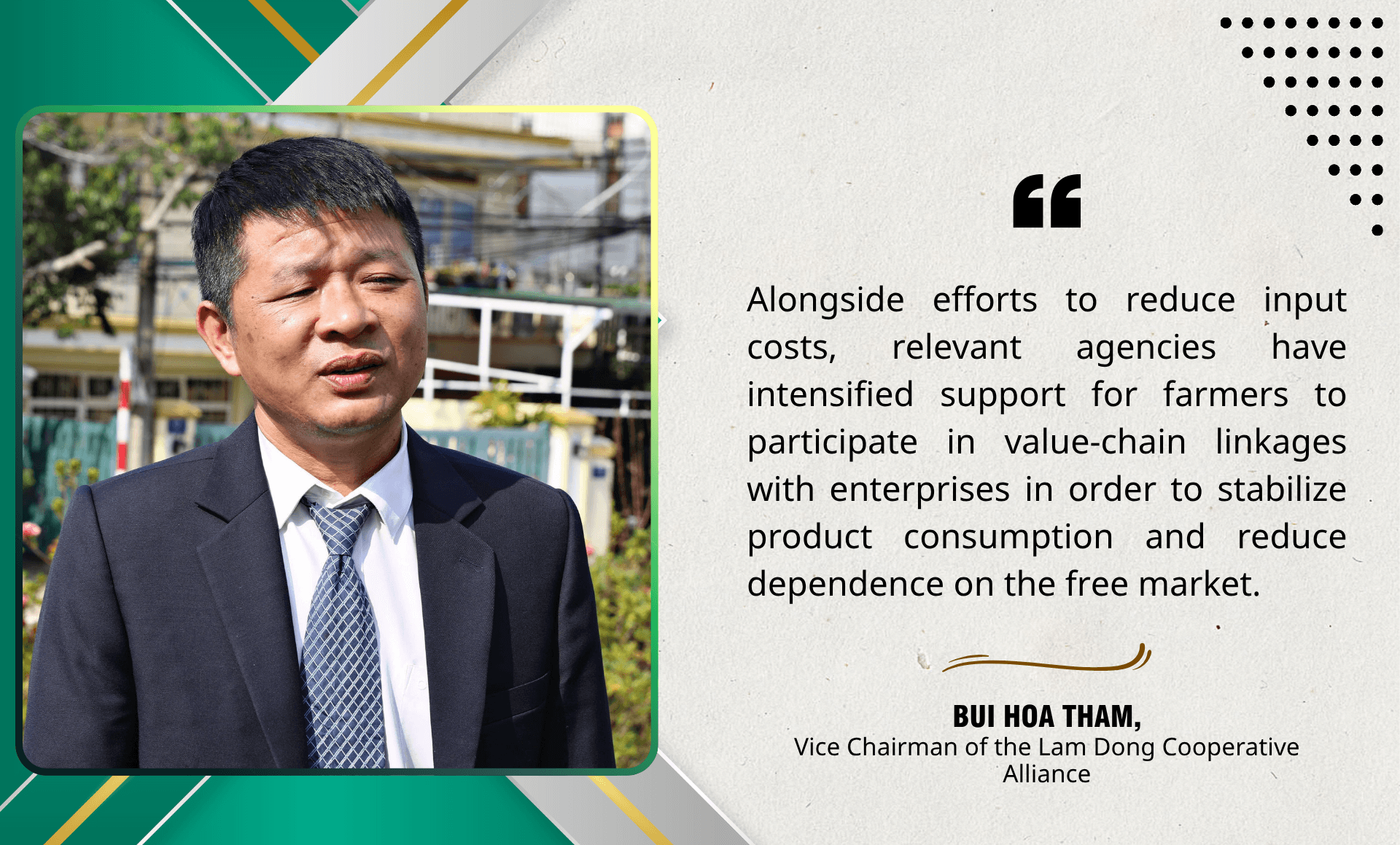
According to Tham, optimizing production processes, reducing operating costs and improving management capacity for cooperatives are helping many models better adapt to current challenges.
Nevertheless, many businesses believe that in order to maintain competitiveness amid sharply rising input prices, the agricultural sector still requires additional support policies related to preferential loans, logistics, green energy transition and market expansion.
According to experts, rising fuel and agricultural material costs are not only posing challenges but are also creating momentum for Lam Dong’s agricultural sector to restructure toward a more modern, efficient and sustainable direction.
.png)
From high-tech vegetable fields in Da Lat to coffee, flower and fruit-growing areas across the province, a clear trend is emerging: in a period marked by volatility, enterprises and farmers can no longer rely solely on market forces but must proactively transform their production methods.
That flexibility is becoming the foundation for Lam Dong’s agricultural sector to adapt to mounting input cost pressures, sustain growth and continue affirming its role as one of the country’s leading centers of high-tech agriculture.
Content and photos: Chinh Thanh
Design and layout: Hoang Anh