


Lam Dong’s Dairy Industry Accelerates Toward Modernization
With its cool climate and abundant land resources, Lam Dong’s dairy farming sector is rapidly shifting toward modern, large-scale development.
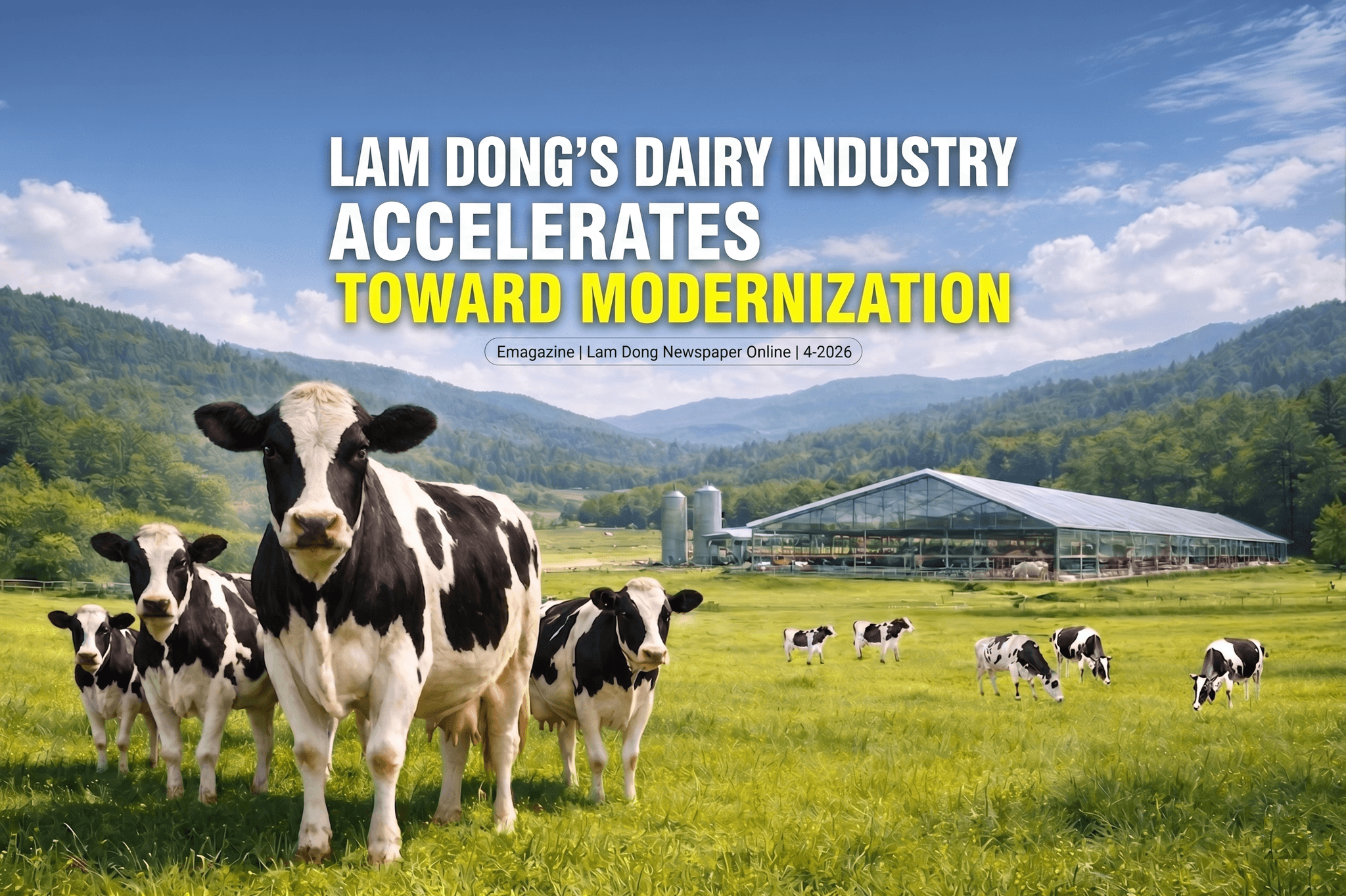
With its cool climate and abundant land resources, Lam Dong’s dairy farming sector is rapidly shifting toward modern, large-scale development.
This sector not only delivers strong economic returns for farmers, but also opens up sustainable growth opportunities and gradually affirms its role as a key pillar of the local agricultural economy.
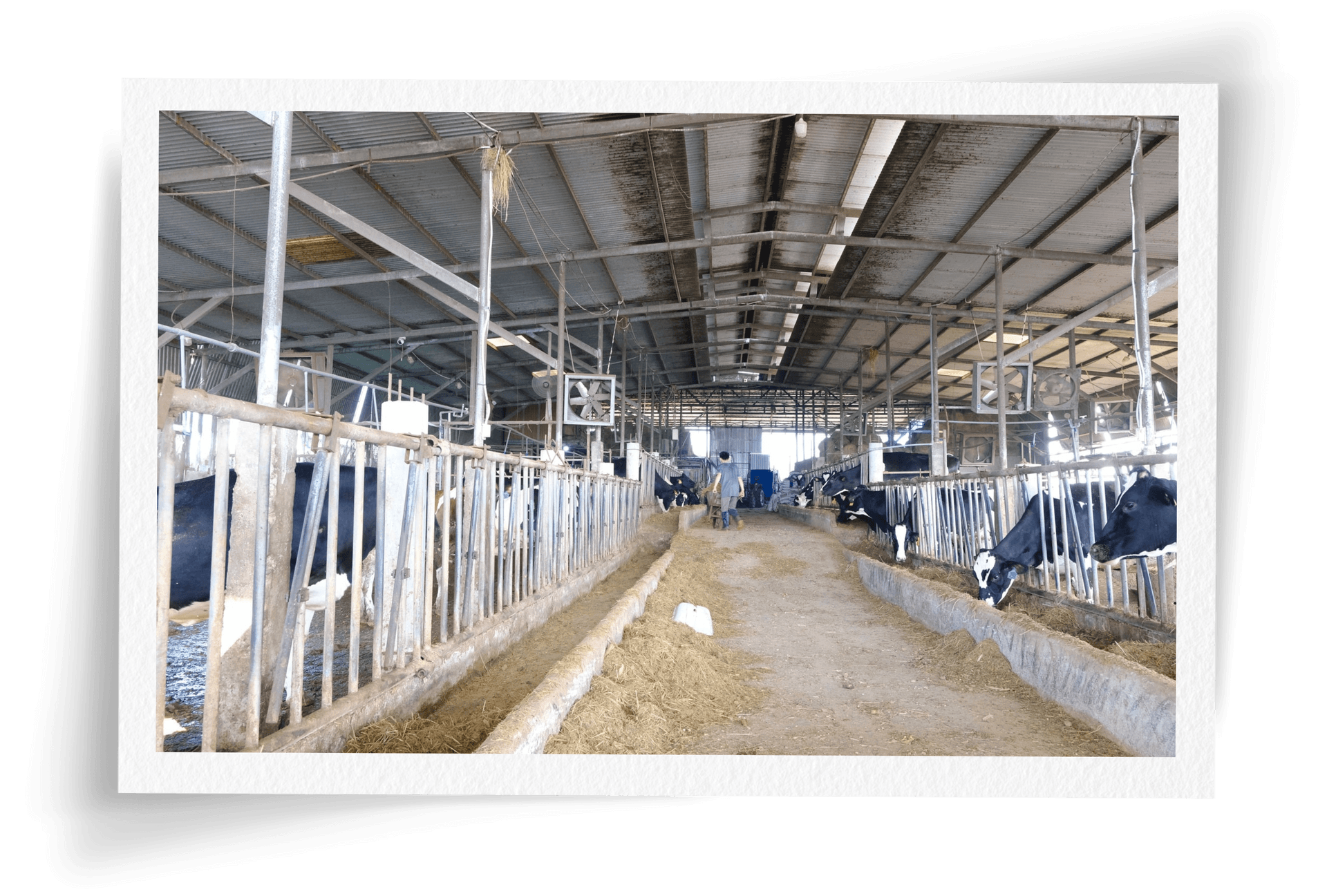

In the “dairy capital” areas of former Don Duong and Duc Trong districts, dairy farming has long been a primary livelihood closely tied to local communities. More than just an agricultural activity, it has shaped the distinctive agricultural identity of the region.
With over a decade of experience, farmer Nguyen Tan Dat (Lac Truong village, Don Duong commune) emphasized that sustainable efficiency requires strict adherence to technical processes, from breeding and nutrition to barn hygiene and disease prevention. However, a stable market outlet remains the decisive factor.
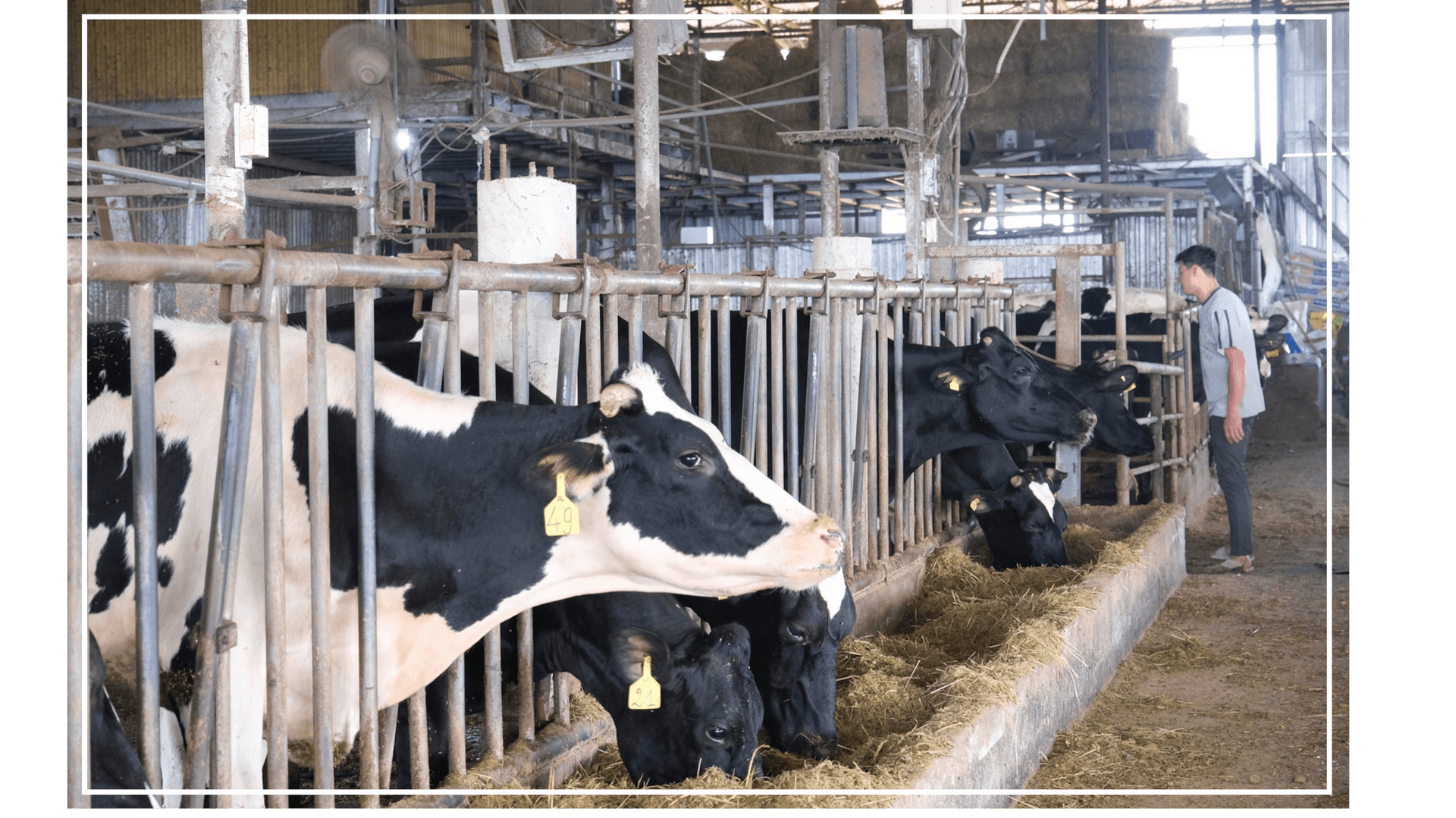
“Currently, milk prices purchased by enterprises are stable at around VND 15,000–16,000 per liter. My family raises about 150 cows, including 50 milking cows, supplying a large daily output. With off-take contracts in place, we feel secure to invest long-term, improve herd quality and enhance productivity,” Dat said.
Thanks to off-take contracts, we feel secure to make long-term investments, improve herd quality and enhance productivity
NGUYEN TAN DAT,
Lac Truong Village, Don Duong Commune
Across Don Duong, many households are shifting from small-scale farming to larger farm models, reflecting a necessary transition amid rising demands for product quality, food safety and economic efficiency.
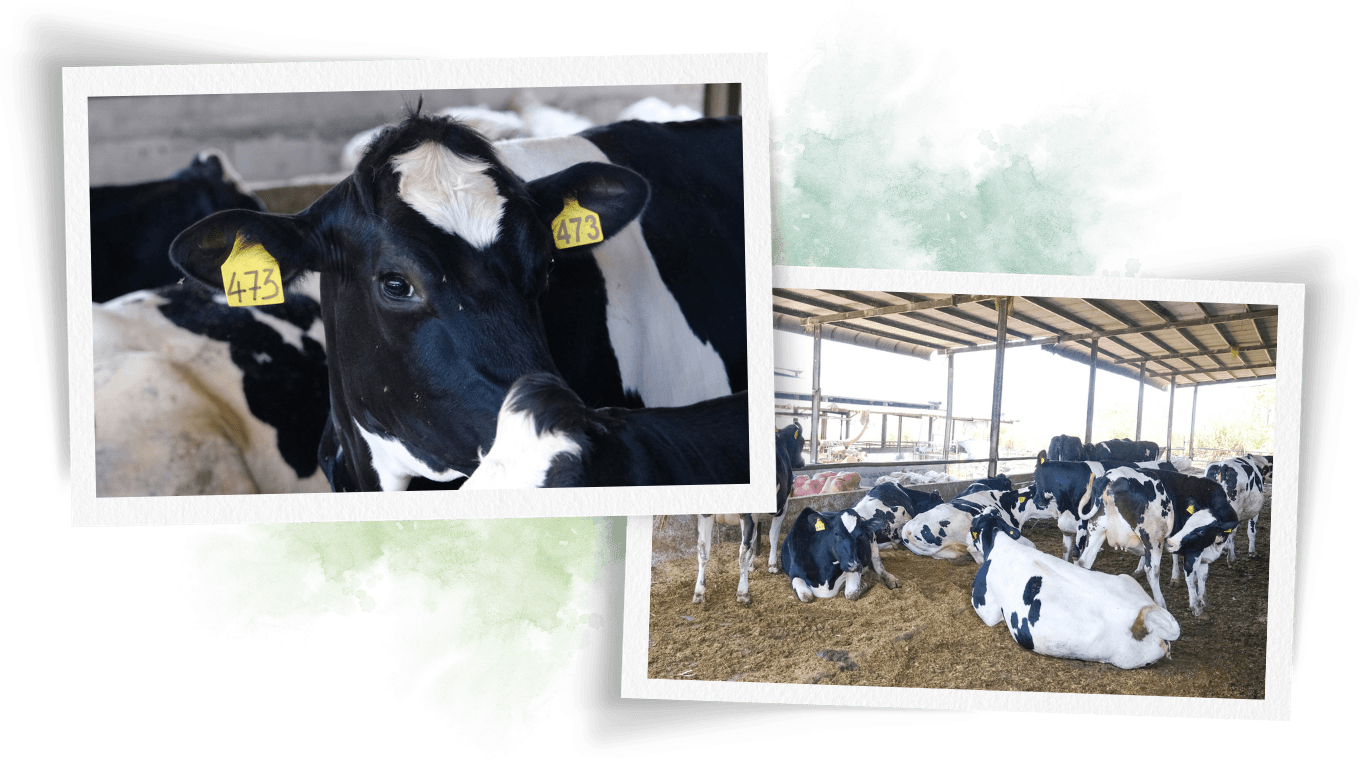
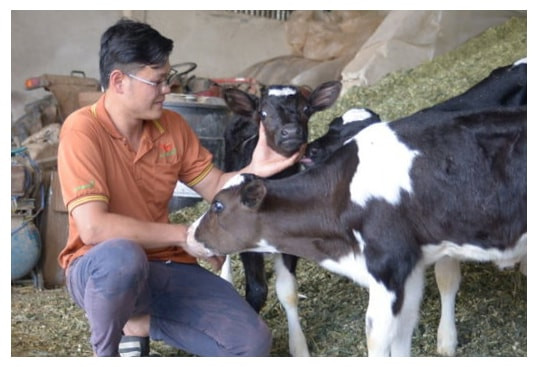
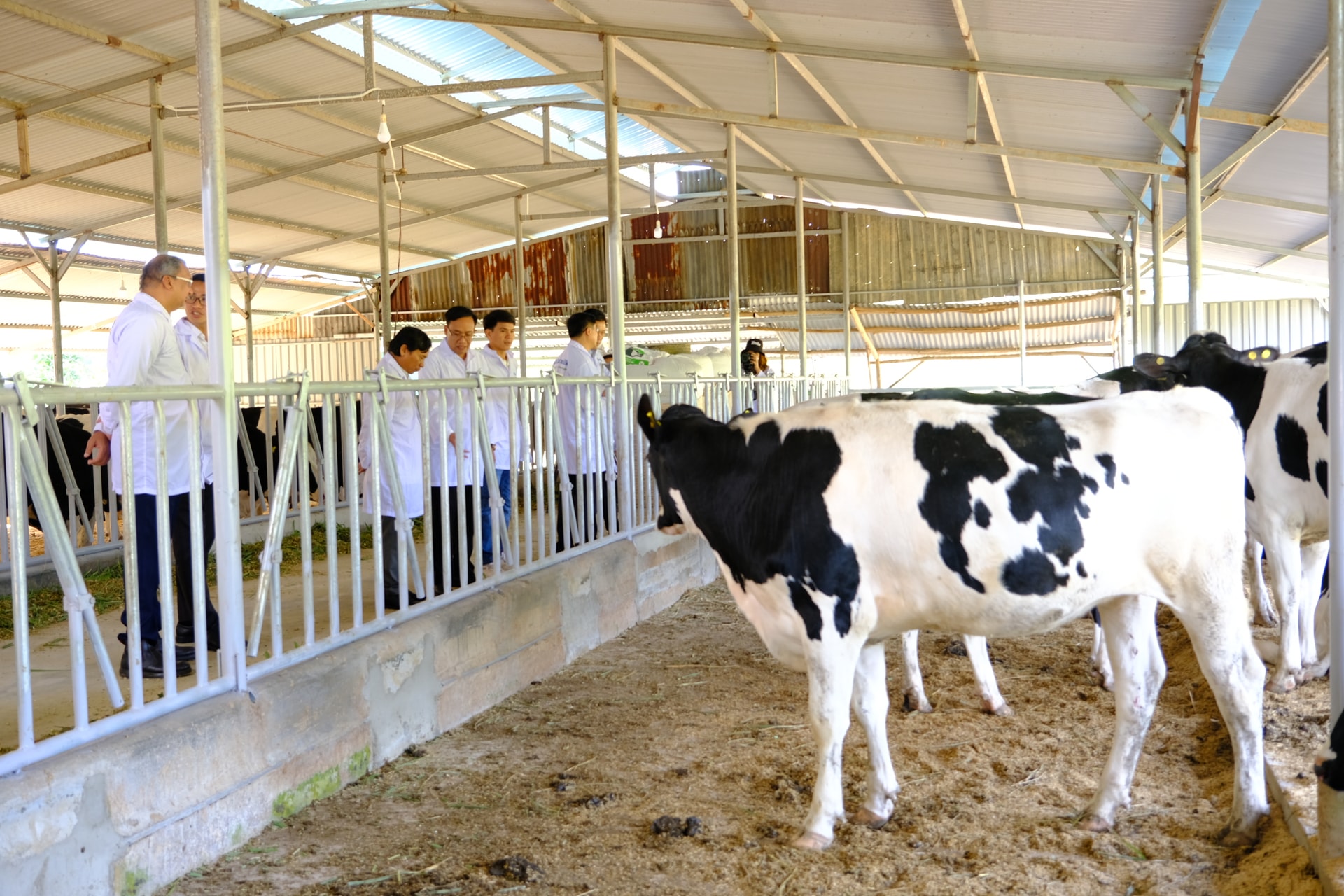
At Gian Dan village in D’ran commune, Nguyen Huu Tuan’s farm exemplifies this trend. With more than 300 cows, including over 120 milking cows producing 2.3–2.5 tons of milk per day, the farm has invested in ventilated barns and mechanization in feed mixing, milking and waste treatment, reducing costs while increasing productivity and stabilizing income.
This transition toward larger-scale farming is enhancing the productivity, quality and value of fresh milk, aligning with the province’s high-tech agricultural development strategy. The sector is increasingly modern and concentrated, with growing participation from enterprises and large-scale farms.
In addition to investing in well-ventilated barns, I have proactively applied mechanization in various stages such as feed mixing, milking and waste treatment. As a result, costs have been reduced, productivity has increased, and income has become much more stable than before.
NGUYEN HUU TUAN, Gian Dan Village, D’ran Commune
.jpg)
The province currently has 927 dairy farming establishments. Small-scale households are gradually declining, while farms with 15–20 cows or more are rapidly increasing, indicating positive structural shifts.
The consumption linkage system is also improving, with five milk-processing companies and 18 collection stations. More than 95% of milk output is secured under contracts, reducing market risks and encouraging long-term investment.
Lam Dong has many advantages for developing dairy farming, including a cool climate, abundant agricultural by-products, and a relatively stable market linkage system. These are favorable conditions for the sector to grow in a sustainable and efficient manner.
PHAM PHI LONG, Head of the Sub-Department of Livestock Production and Animal Health of Lam Dong Province
During 2020–2025, the dairy herd remained stable, rising from 24,599 heads in 2020 to 24,741 in 2024. Despite disease impacts, particularly diarrhea outbreaks in 2024, the herd rebounded to 26,220 heads by July 2025, demonstrating strong resilience.
Milk output increased from 96,765 tons in 2020 to about 106,881 tons in 2024, up 10.5%, with an average yield of 22 liters per cow per day—higher than the national average.
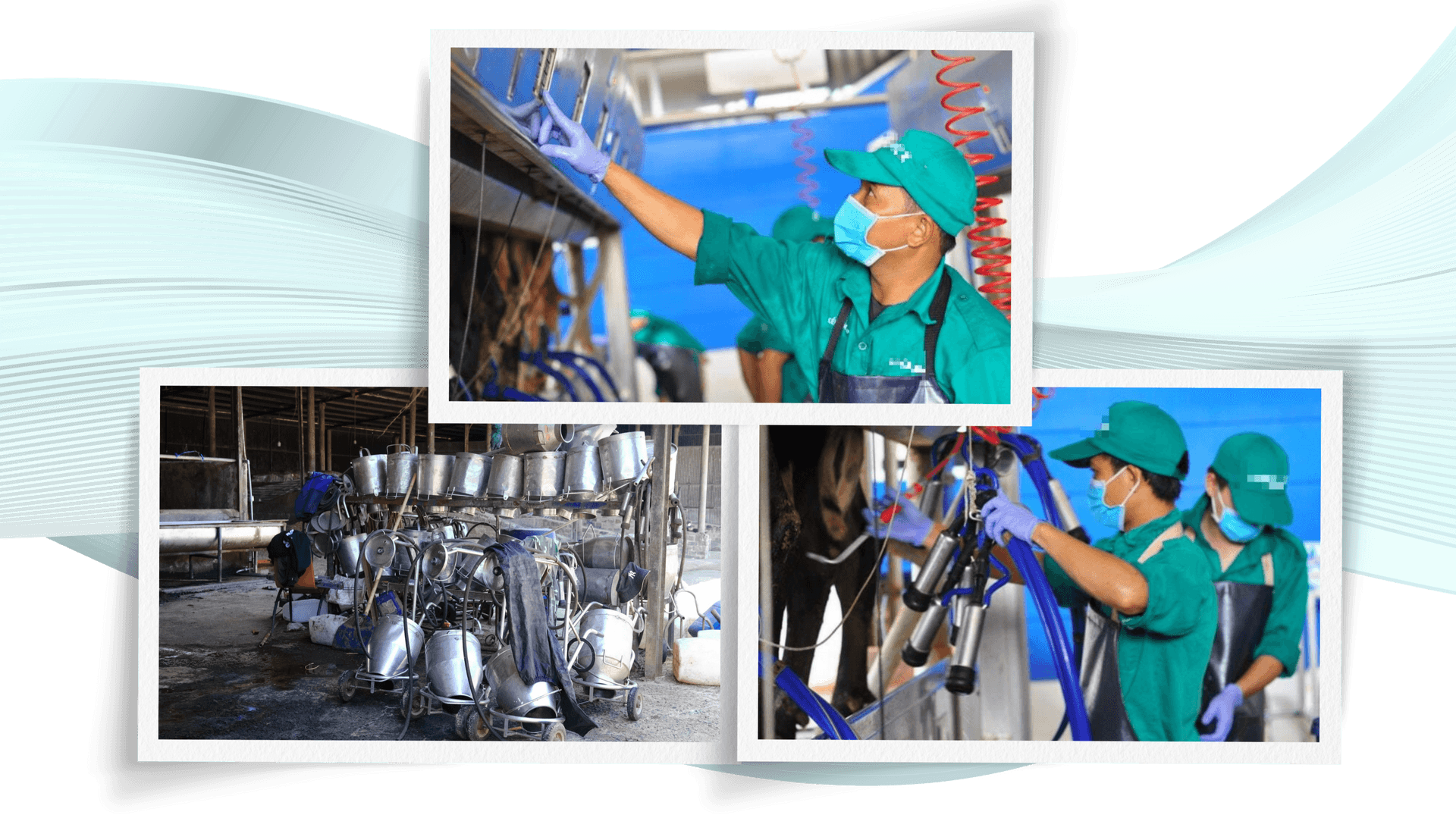
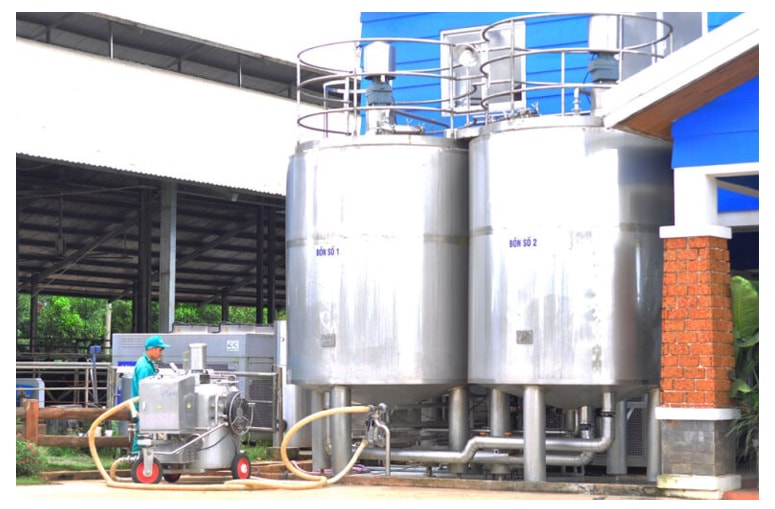
A key highlight is the sector’s restructuring toward technological application and value chain development. Many farms have adopted automated milking systems, cooling systems, feeding robots and health-monitoring sensors, boosting productivity and ensuring quality.
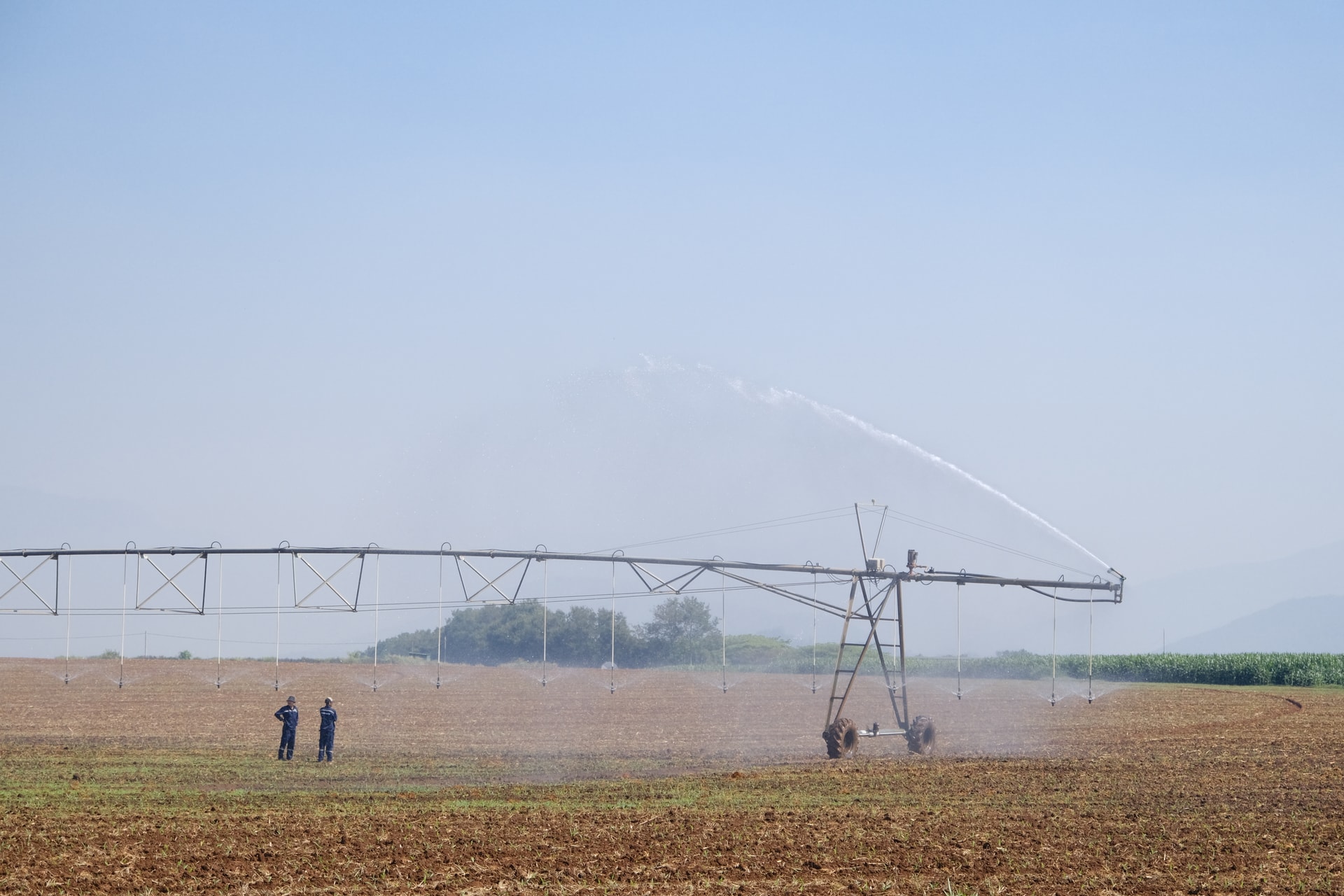
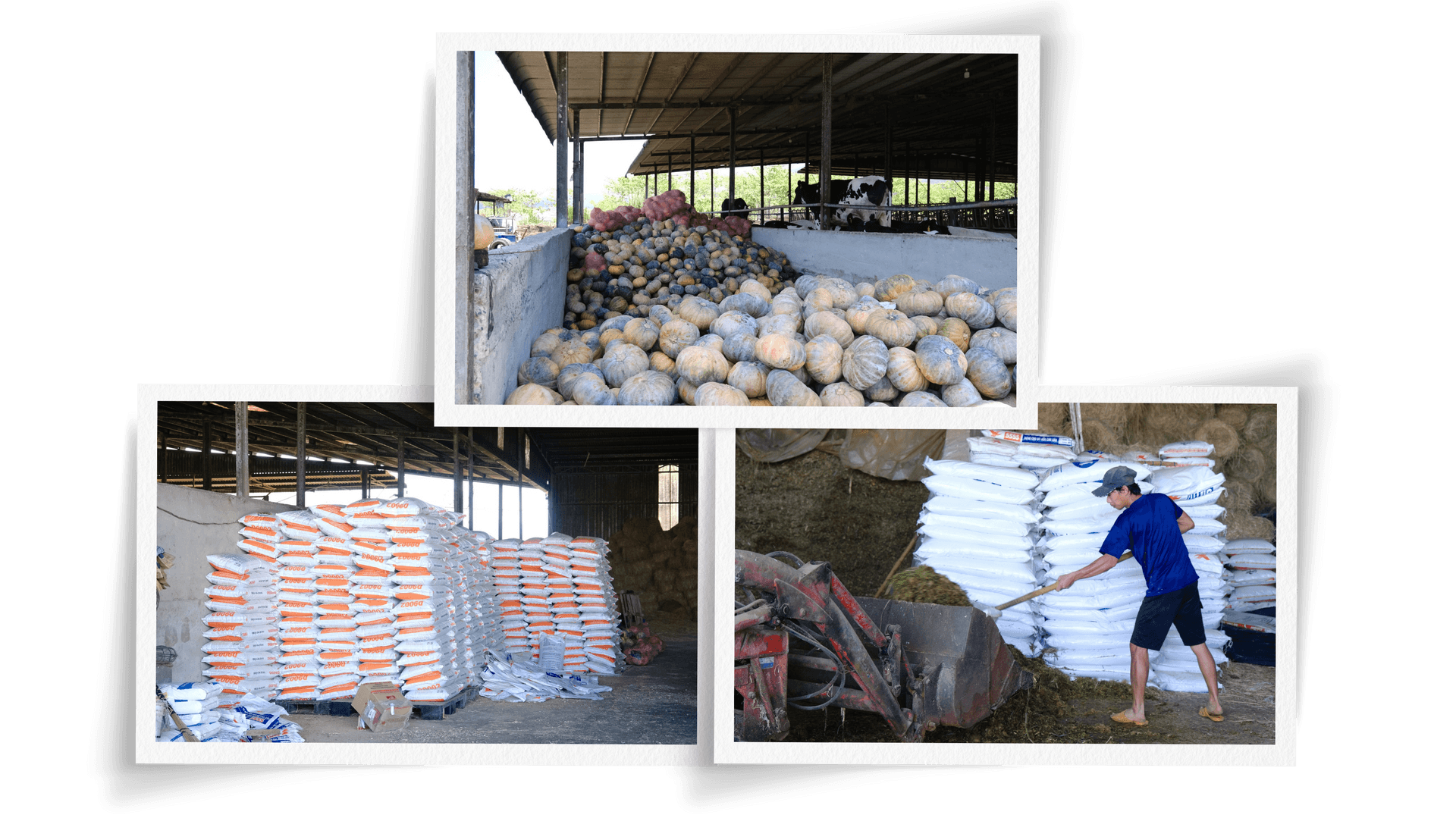
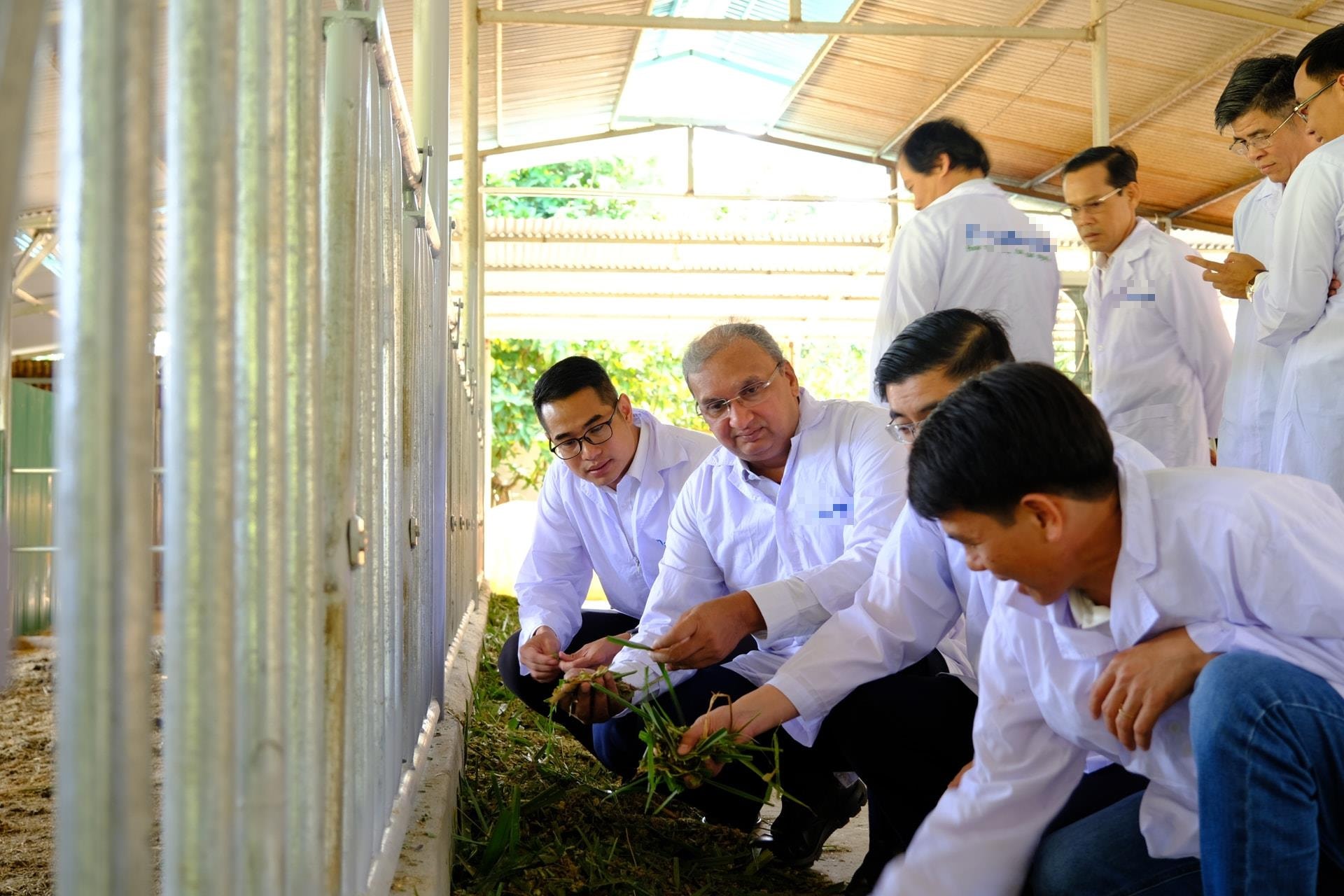
Total mixed ration (TMR) technology is widely used to optimize nutrition, while agricultural by-products such as straw and crop residues help reduce costs and support circular, sustainable farming.
Environmental protection is also prioritized, with about 75% of farms now equipped with biogas or advanced waste treatment systems. Treated wastewater is reused for crops, reducing pollution and optimizing resources. However, smaller farms still face limitations and require further support.
Strong value chain linkages remain a major strength. With over 95% of milk output under contract, farmers can focus on production with reduced market volatility.

As milk consumption demand continues to grow, Lam Dong’s dairy sector faces significant opportunities.
Domestic consumption remains relatively low compared to regional levels, while local production meets only about 40% of demand.
The rising trend toward safe, traceable and high-quality products further benefits technologically advanced dairy production like that in Lam Dong.
Beyond the domestic market, Vietnam’s dairy industry is gradually expanding internationally. Trade agreements such as CPTPP, EVFTA and RCEP are opening export opportunities, enhancing the sector’s value and competitiveness.
According to Pham Phi Long, the provincial agricultural sector will continue implementing synchronized solutions, focusing on zoning dairy farming areas, promoting large-scale farms, applying high technology and strengthening production-to-consumption linkages.
At the same time, attracting investment, developing deep-processing systems and building the Lam Dong dairy brand will be key to sustainable growth.
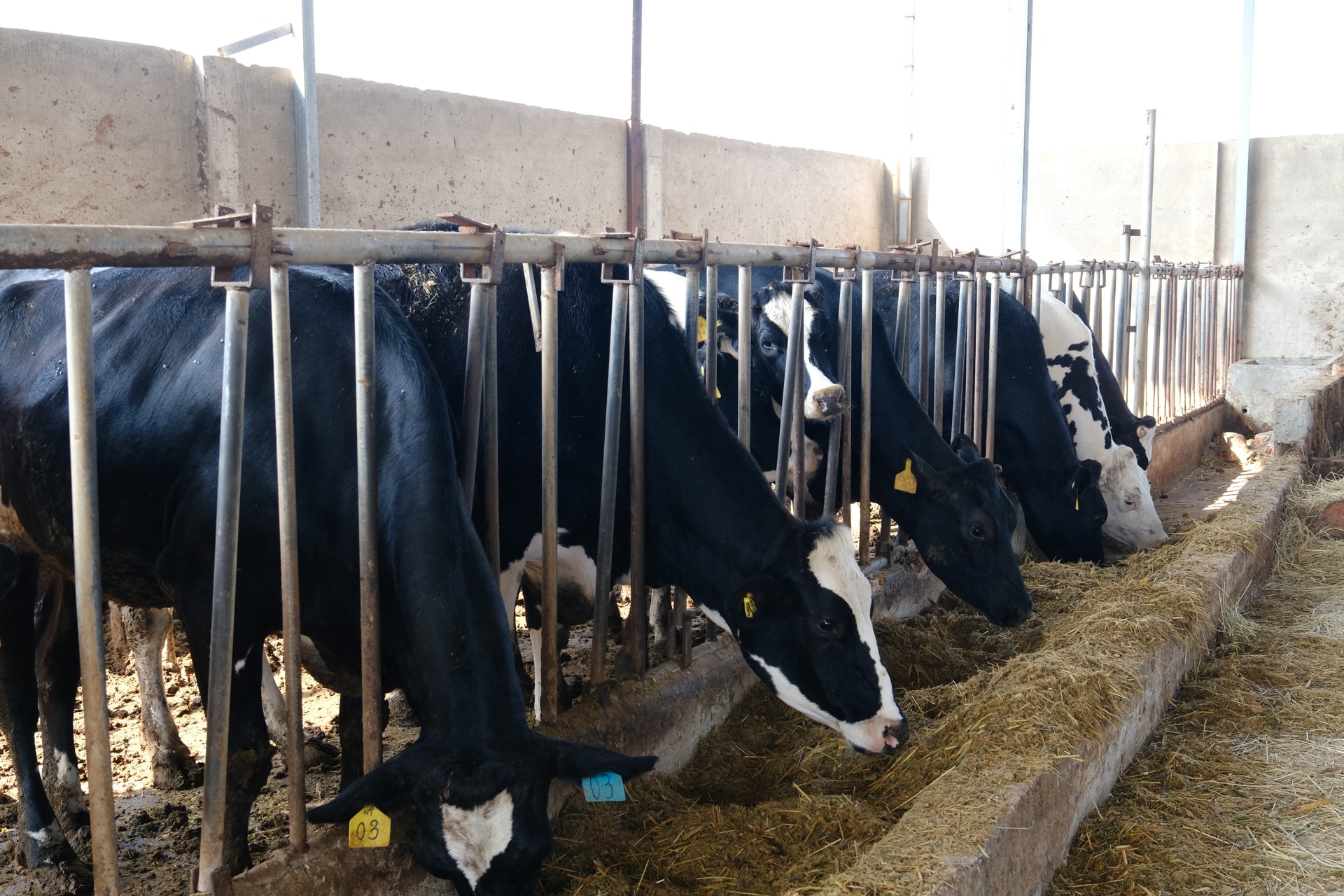
With a solid foundation, Lam Dong’s dairy sector is steadily advancing toward modernization, scale and sustainability. With coordinated efforts from authorities, businesses and farmers, it is poised to become a major pillar of the local economy, contributing to income growth and socio-economic development in the years ahead.
.jpg)