


Lam Dong’s health sector mobilizes resources to improve public healthcare
In 2025, the health sector of Lam Dong Province basically fulfilled the targets set out by the Provincial Party Committee, the People’s Council and the Provincial People’s Committee, with several indicators exceeding planned targets and others matching or surpassing the national average.
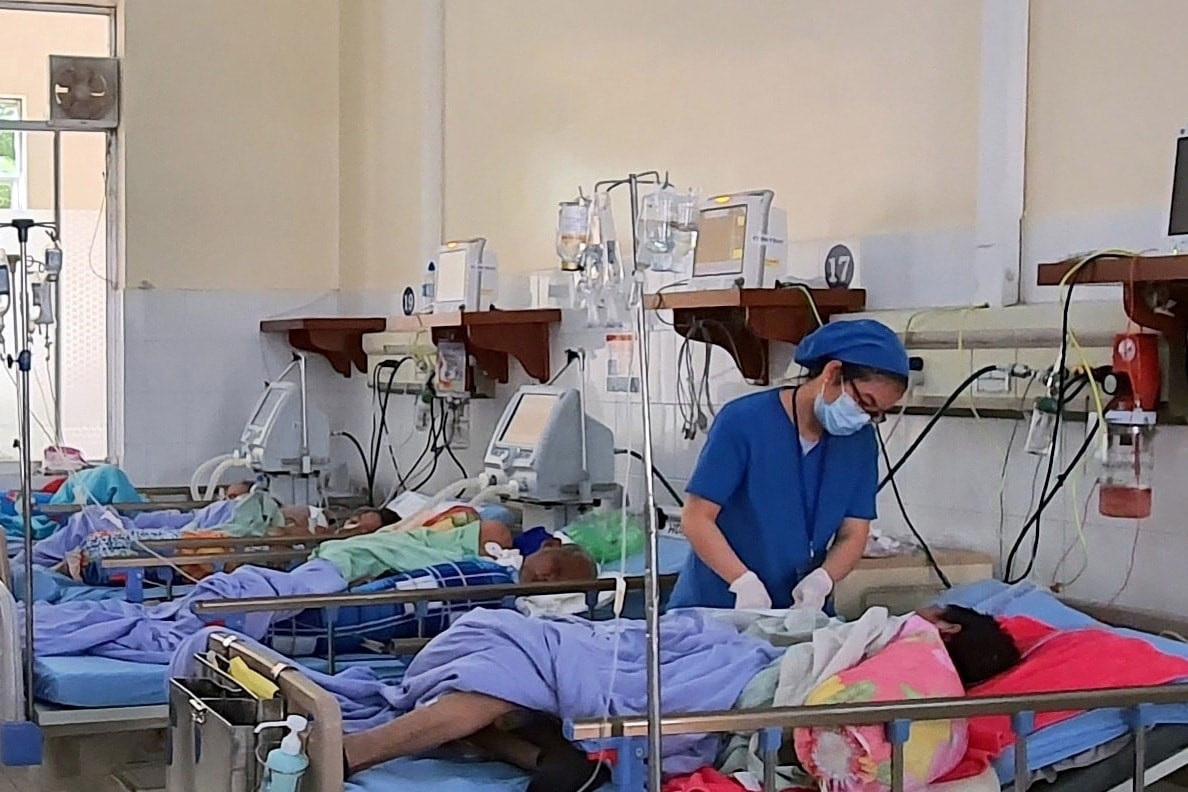
More than 5.5 million medical visits recorded
According to Huynh Thi Phuong Duyen, Director of the Lam Dong Department of Health, local epidemic situations as well as emerging infectious diseases were basically brought under control. Medical examination and treatment activities recorded positive progress, with the introduction of advanced and specialized techniques in diagnosis and treatment, helping handle complex cases, reduce patient referrals to higher-level hospitals and gradually develop specialized healthcare services within the province.
In 2025, the provincial health sector provided medical examination and treatment for more than 5.5 million patient visits, meeting 100% of the annual plan. At the same time, various measures were implemented to improve service quality, medical ethics and patient care, while ensuring an adequate supply of medicines, chemicals, medical supplies and equipment for public healthcare.
The sector also stepped up digital transformation, invested in infrastructure and medical equipment, and strengthened grassroots healthcare systems, contributing to improved healthcare service quality across the province.
Key priorities set for 2026
At the conference reviewing 2025 performance and outlining tasks for 2026, Vice Chairman of the Lam Dong Provincial People’s Committee Dinh Van Tuan instructed the health sector to focus on eight key tasks to further improve healthcare quality.
Accordingly, the Department of Health was assigned to advise the provincial People’s Committee on developing a concrete plan to implement Resolution No. 282 and the provincial action program to realize Resolution No. 72 of the Politburo on breakthrough solutions to strengthen public healthcare protection and care.
Emphasizing the importance of this mission, the Vice Chairman Dinh Van Tuan requested the sector to concentrate resources on building development goals, strategies and long-term vision; proactively estimate and mobilize resources; and promote innovation and the application of information technology in management and administration. Healthcare financial reform and sustainable health insurance policies are also to be further advanced.
The provincial health sector will continue to streamline and consolidate its organizational apparatus toward efficiency and effectiveness, in line with the two-tier local government model. Training, capacity building and human resource development—especially high-quality and specialized personnel—remain a priority, along with planning for future leadership, attracting doctors and encouraging Lam Dong natives to return and work in their hometown after graduation.
Disease prevention and control efforts will continue to be proactively implemented, with a firm stance against large-scale outbreaks, while enhancing disaster response capacity to safeguard community health. Medical examination and treatment quality will be improved through the development of new techniques and advanced training for medical staff, alongside the effective implementation of programs such as the Satellite Hospital Project and Project 1816 to reduce referral rates.
In addition, the sector will accelerate digital transformation, apply information technology in management and service delivery, ensure the timely and adequate supply of medicines and medical materials, address financial challenges and outstanding debts, and strengthen coordination with social insurance agencies to safeguard health insurance benefits for residents. At the same time, social resources will be mobilized to invest in healthcare, meeting the growing public healthcare demands in the new development phase.