


Lam Dong’s Labor Market Opens New Opportunities Amid Growing Demand for Skilled Workers
Against the backdrop of Lam Dong’s ambitious growth targets, the labor market is no longer merely a matter of social welfare, but has become a key driver of economic development.
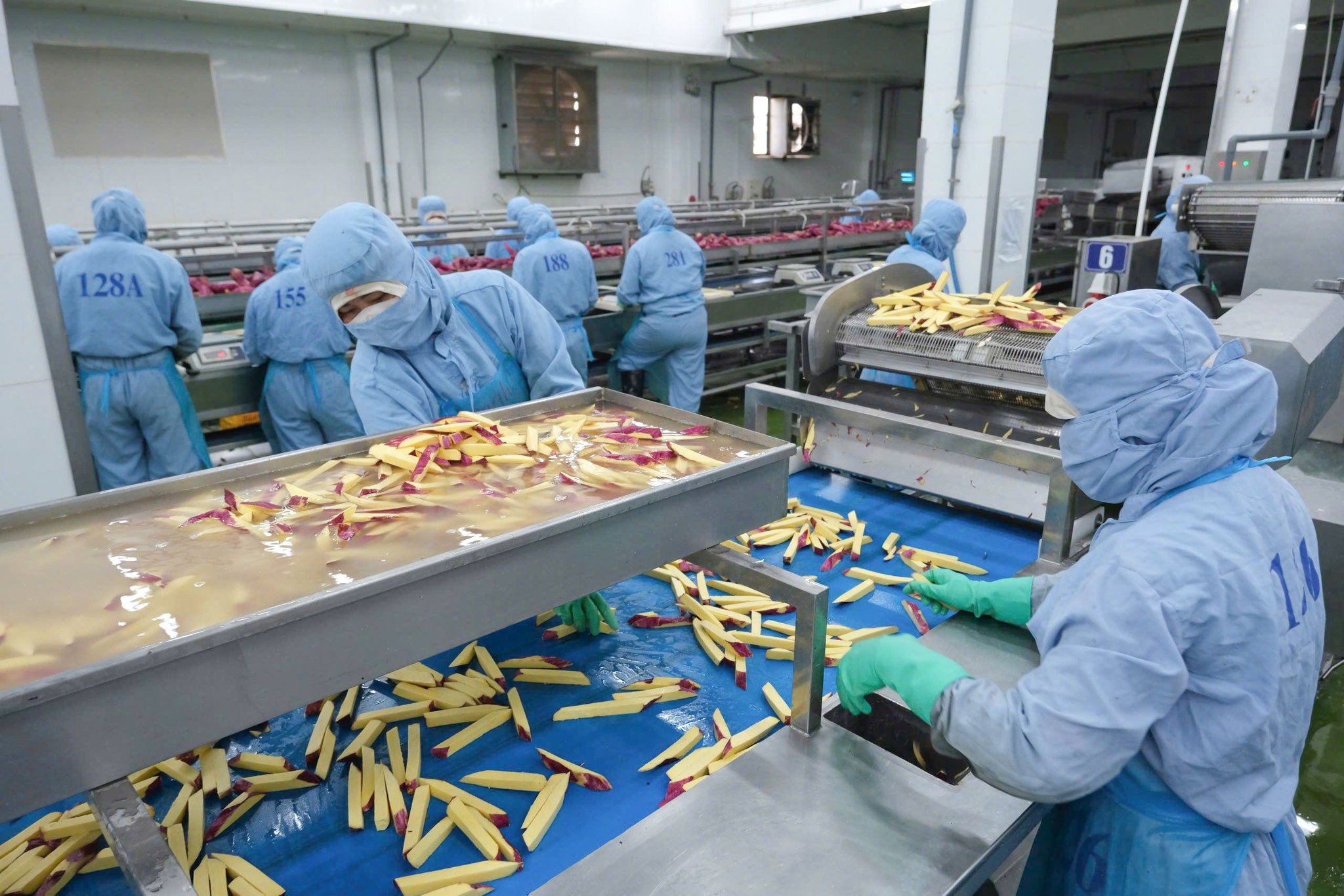
Following administrative restructuring, Lam Dong’s labor market has entered a new phase, marked by a larger scale and broader employment opportunities. However, increasingly stringent human resource quality requirements call for closer alignment between vocational training and actual labor market demand.
Expanding Job Opportunities Amid Production Recovery
Recent data show positive shifts in the province’s labor market. In the first four months of the year, Lam Dong’s trained workforce rate reached 83.53%, reflecting a notable improvement.
However, in light of new development requirements—particularly in processing industries, high-tech agriculture, high-quality services, and the digital economy—the proportion of workers with formal degrees or certificates, at just over 30%, remains relatively modest.
In other words, while Lam Dong does not lack labor in terms of quantity, the number of workers able to immediately meet specialized professional requirements remains limited.
From a policy perspective, Lam Dong Province has set a target of creating jobs for 70,000 workers in 2026. The province will prioritize local job creation, expand employment opportunities in other localities, and send workers abroad under fixed-term contracts.

Clear positive signs are emerging from the industrial sector. According to statistical agencies, the employment index of industrial enterprises rose by 5.31% year-on-year, while the processing and manufacturing sector posted growth of 6.24%. These figures indicate that production is gradually recovering and generating stronger demand for labor.
The target of providing employment for 70,000 workers shows that local labor demand remains substantial, while also reflecting the province’s determination to link labor market development with social welfare stability and economic growth. As the economy expands and investment increases, the labor market must become more dynamic and efficient.
Le Thi Theu, Deputy Director of the Lam Dong Department of Home Affairs
Under current development trends, the processing and manufacturing industries are not only creating more jobs but also generating strong demand for technical workers, skilled labor, and a more professional industrial work ethic. The agricultural sector remains an important channel for labor absorption. However, recruitment patterns reveal issues that require closer attention.

In the third quarter of 2025 alone, 75 agricultural enterprises registered to recruit a total of 250 workers. However, 95% of the demand was for manual labor, while only 5% was for skilled workers or those with college or university degrees.
This shows that even in agriculture—one of Lam Dong’s key strengths—the demand for high-quality human resources has yet to keep pace with the province’s strategic orientation toward high-tech agriculture, deep processing, and value chain integration. Bridging this gap will be essential to increasing the sector’s added value in the coming years.
Bringing Jobs Closer to Local Communities, Yet Constrained by Labor Quality
Labor supply-and-demand connection activities are increasingly being organized at the grassroots level.

On April 22 and 23, local authorities worked with the center to hold job-matching sessions in Quang Phu and Thuan Hanh communes. Workers were provided with information on the labor market and employment support policies both within and outside the province, while participating enterprises introduced recruitment needs for positions ranging from manual labor to skilled roles.

The detailed listing of recruiters and job requirements shows that the local labor market is shifting from a passive approach to a more proactive one, bringing employment information directly to residents, especially rural workers and final-year students.
These developments show that job opportunities in Lam Dong are far from scarce. The key challenge facing the province’s labor market is no longer merely the number of available workers, but the quality of the workforce and its ability to meet specific market requirements.
In practice, many enterprises still have to retrain new recruits to strengthen their professional skills and practical experience, underscoring a persistent mismatch between labor supply and demand. While businesses need workers who can adapt quickly, part of the labor force still lacks the skills and experience required to keep pace with new technologies and industrial processes.

From a training perspective, more than 21,000 students graduated from vocational education institutions across the province between 2022 and 2025, representing nearly 18% of the trained workforce and contributing to the supply of technical workers. However, this number has yet to fully meet the actual needs of enterprises.
The issue, therefore, is not only to increase the number of trained workers, but also to make training more practical and demand-driven, enabling workers to integrate quickly into the labor market and secure stable employment.
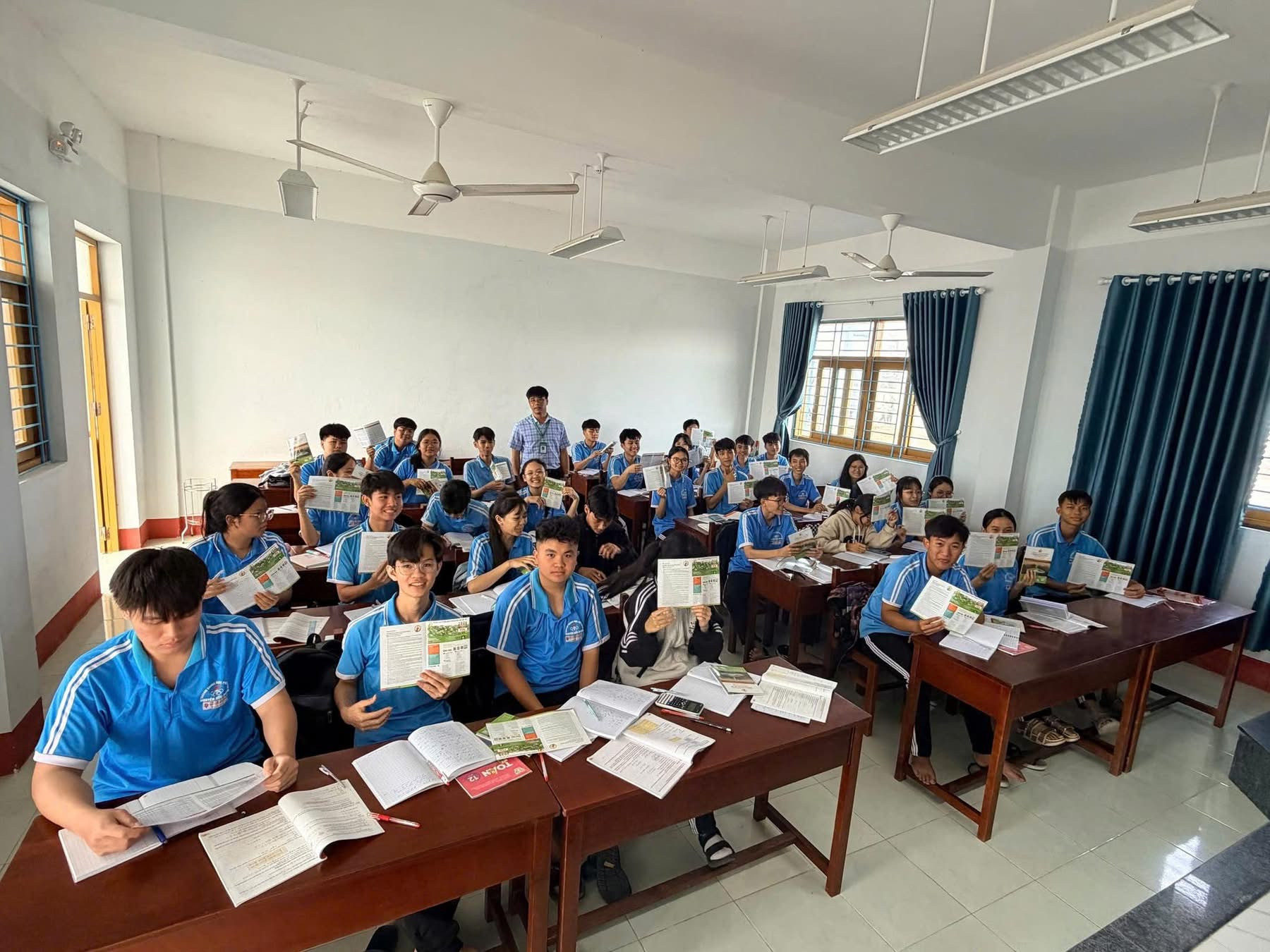
The province’s policy direction is also shifting toward a more coordinated approach. Under Plan No. 3633, issued by the Provincial People's Committee on March 20, 2026, solutions go beyond providing capital for job creation. They also include strengthening vocational training, supporting workers to work abroad, and improving access to labor market information, thereby helping regulate the labor market more effectively.
According to Nguyen Minh, Member of the Provincial Party Committee and Vice Chairman of the Provincial People's Committee, the province aims to develop its labor market in line with growth targets and economic restructuring. The focus is not only on creating more jobs but also on improving human resource quality, aligning training more closely with business needs, and expanding sustainable employment opportunities for rural workers, youth, and vulnerable groups.

Local authorities and relevant sectors are
strengthening connections between labor supply and demand while effectively implementing policies on job-creation loans, vocational training, and support for workers going abroad under fixed-term contracts. Coordination between vocational education institutions and enterprises is also being enhanced to ensure that graduates can meet job requirements as soon as they enter the labor market.Nguyen Minh, Member of the Provincial Party Committee and Vice Chairman of the Provincial People's Committee
Lam Dong’s labor market is clearly facing two parallel trends: expanding job opportunities driven by economic recovery and growing pressure to improve human resource quality, particularly in technical skills, professional work habits, and adaptability.
Successfully addressing this challenge will not only help stabilize the local labor market but also lay a foundation for sustainable growth in the years ahead.