


Lam Dong seeks to ease bottlenecks in agricultural logistics
Recently, Lam Dong’s agricultural sector has faced persistent logistics constraints, underscoring the urgent need to address key bottlenecks.
High logistics costs remain a key challenge
According to statistics, the province currently has more than 101,000 hectares of vegetables, producing over 3.38 million tonnes annually; 42,620 hectares of durian, yielding around 175,000 tonnes; 27,000 hectares of dragon fruit, yielding approximately 560,000 tonnes; and 327,000 hectares of coffee, yielding over 1 million tonnes. These are all key commodities serving both domestic and international markets.
However, competitive advantages have yet to fully translate into supply chain efficiency. One of the main reasons is the high cost of logistics, which accounts for an estimated 20–25% of agricultural production costs and rises significantly during peak harvest seasons.
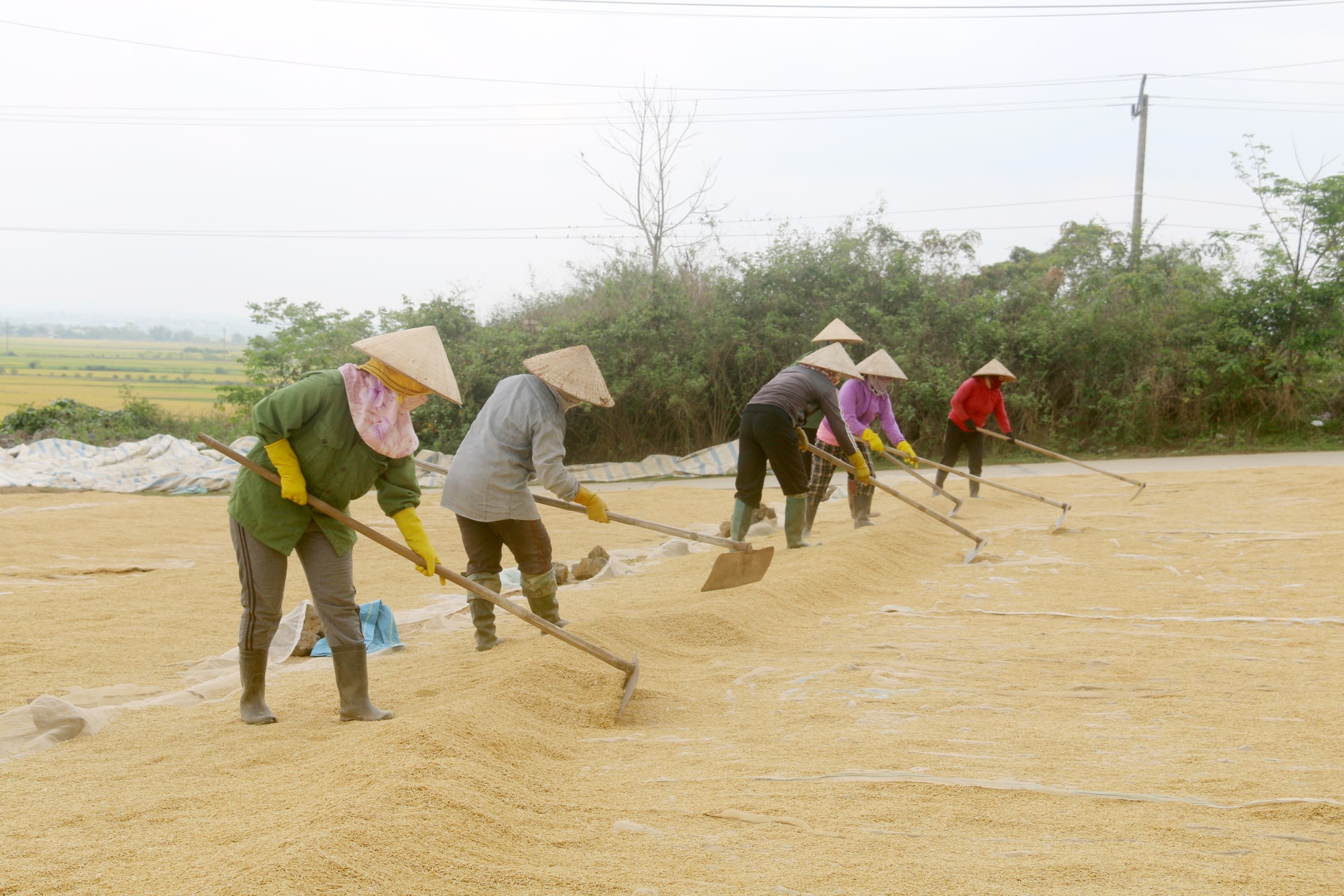
In many rural areas, transport infrastructure remains limited, with access roads to production zones still affected by dust in the dry season and mud during the rainy season. As a result, transporting agricultural products to drying yards or storage facilities remains difficult, forcing farmers to rely on multiple intermediaries.
“We have to sell our produce to traders due to transport difficulties and are often forced to accept lower prices,” said Luong Van Ke, a farmer in Nam Nung Commune. “The cycle of a bumper harvest with low prices or high prices with a poor harvest keeps repeating.”
Barriers to market access persist across the board, affecting not only farmers in remote highland areas but also vegetable and flower producers in major farming zones.
An agricultural export business in Duc Trong noted that during peak harvest periods, container and transport costs surge, while products must travel long distances to reach export warehouses. “If there were a local logistics centre, we could better manage storage and shipments,” a company representative said.
The distance from production areas to major seaports such as Cat Lai and Cai Mep–Thi Vai ranges from 250 to 350 km, increasing both travel time and transport costs. Meanwhile, logistics infrastructure remains underdeveloped, lacking integrated centres and inland container depots (ICDs), forcing goods to be transported outside the province for export.
Cold storage systems and supply chains are also insufficient, making it difficult for fresh produce to meet export requirements. Many products are still exported in raw form, with deep processing rates for items such as coffee, pepper, and cashew nuts reaching only 5–10%. The fisheries sector also lacks large-scale, integrated cold storage facilities.
Efforts to modernise agricultural logistics
To address these bottlenecks, the province is working to develop logistics as a key infrastructure service closely linked with high-tech agriculture and processing industries.
According to Vu Dinh Cuong, Deputy Director of the Department of Agriculture and Environment, Lam Dong plans to establish one to two logistics centres integrating cold storage, pre-processing, sorting, packaging, and traceability functions. Transport hubs and post-harvest storage facilities will be developed along major transport routes, particularly those connected to Lien Khuong Airport, to improve connectivity.
The province also aims to develop ICD systems, bonded warehouses, and specialised storage facilities for agricultural products to reduce long-distance transport pressure and enhance exporters’ autonomy.
Beyond infrastructure investment, restructuring the agricultural logistics chain is seen as a fundamental solution. Logistics firms are encouraged to collaborate with processing enterprises and agricultural cooperatives to create integrated service chains—from production and harvesting to storage, transport, processing, and export.
At the same time, the application of digital technologies in warehouse management, traceability, and quality monitoring is expected to improve transparency and meet the increasingly stringent requirements from export markets.
As these logistics bottlenecks are gradually addressed, Lam Dong’s agricultural supply chains are expected to become more efficient—reducing costs while enhancing added value and strengthening the global position of local agricultural products.