


Lam Dong seeks to unlock industrial park potential
Industrial parks (IPs) have been identified as a key driver of investment attraction, job creation, and state budget revenue. However, several bottlenecks remain to be addressed to improve the effectiveness of industrial parks across Lam Dong Province.
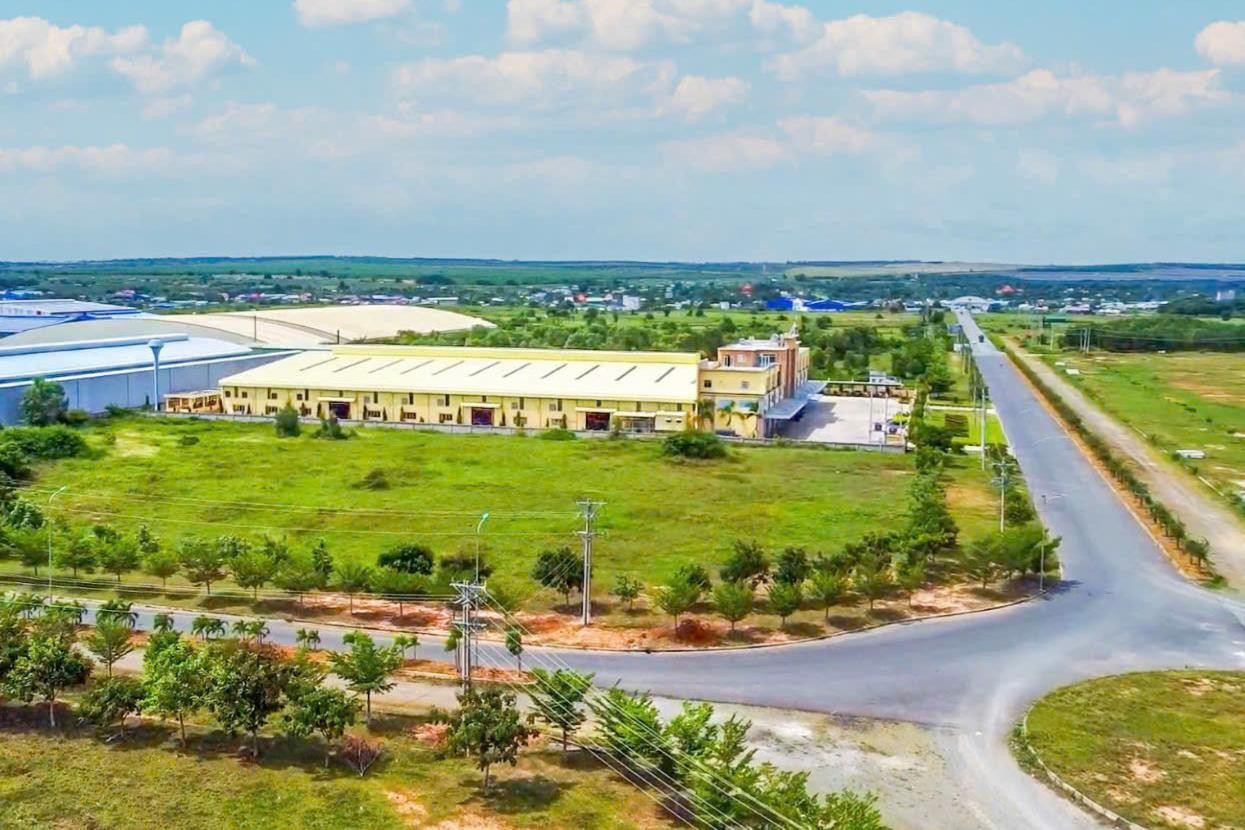
A driver of growth
Industry has been identified as one of Lam Dong Province's key pillars for future growth, with industrial parks (IPs) expected to drive production expansion, investment attraction and job creation.
Under the adjusted provincial master plan for 2021 - 2030, with a vision to 2050, Lam Dong plans to develop 52 industrial parks covering about 27,119 hectares. The province will also reduce the area of two industrial parks by a combined 780 hectares to focus resources on more advantageous locations.
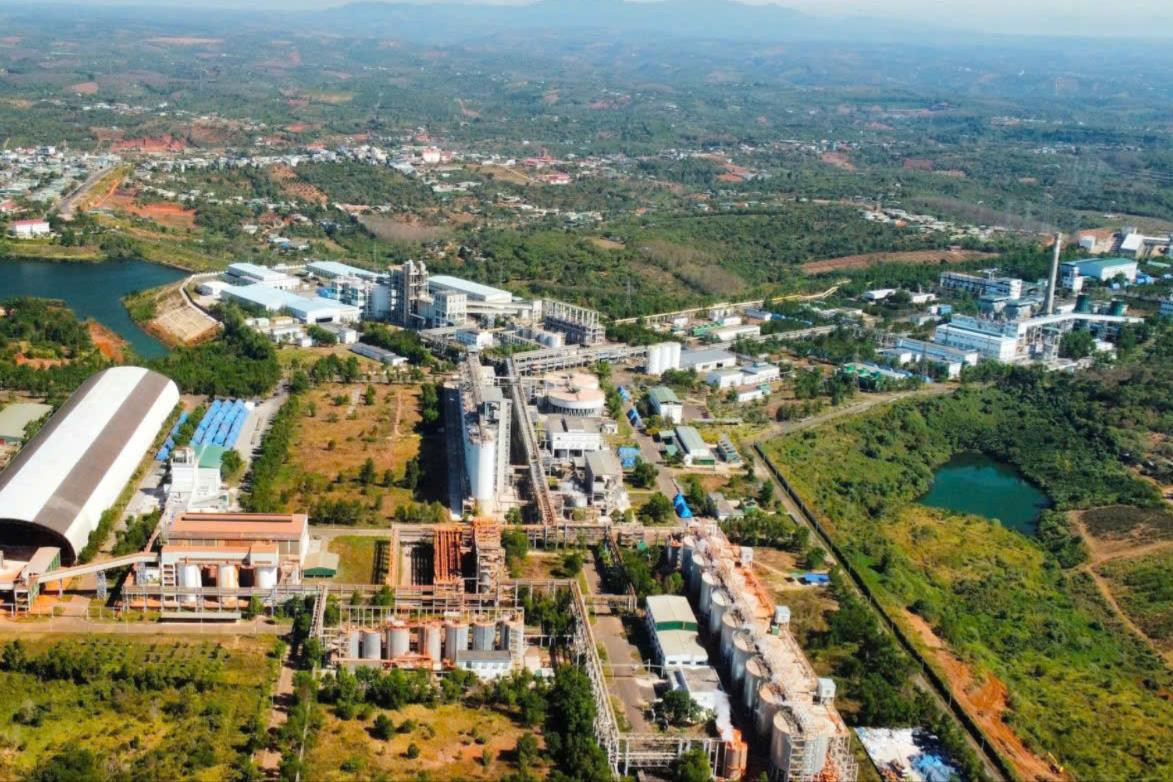
This long-term vision is well founded. The sector's contribution to the local economy in recent years has provided clear evidence supporting the province's strategic direction.
According to the provincial Department of Industry and Trade, industrial production recorded solid growth during the 2021 - 2025 period, with the industry's GRDP expanding by an estimated 6.44%.
In 2025 alone, the province's industrial output value reached nearly VND 63 trillion, up more than 9.67% year-on-year. The result made a significant contribution to local GRDP growth and state budget revenue.
Lam Dong currently has 11 of its 14 industrial parks (IPs) in operation, with more than 2,000 hectares of infrastructure developed or under construction and total investment nearing VND4 trillion. The parks have attracted 246 projects, including 58 FDI projects.
Of these, 166 projects are in operation, generating over VND30 trillion in revenue and around USD610 million in export turnover annually. The parks contribute nearly VND1.5 trillion to the state budget each year and employ about 20,000 workers.
Industrial parks have delivered significant benefits to Lam Dong's socio-economic development. However, the average occupancy rate remains relatively low at just 54.18%.
This suggests considerable room for further development while also highlighting persistent bottlenecks in infrastructure and the attraction of secondary investors.
Persistent bottlenecks
Despite their strategic role, industrial parks in Lam Dong continue to face difficulties in infrastructure development and attracting investors.
The province lacks a strong locational advantage compared with major industrial and logistics hubs, while transport connectivity, logistics and warehousing services remain limited. Competition from neighboring provinces, particularly key southern economic centers such as Ho Chi Minh City and Dong Nai, also poses challenges to investment attraction.
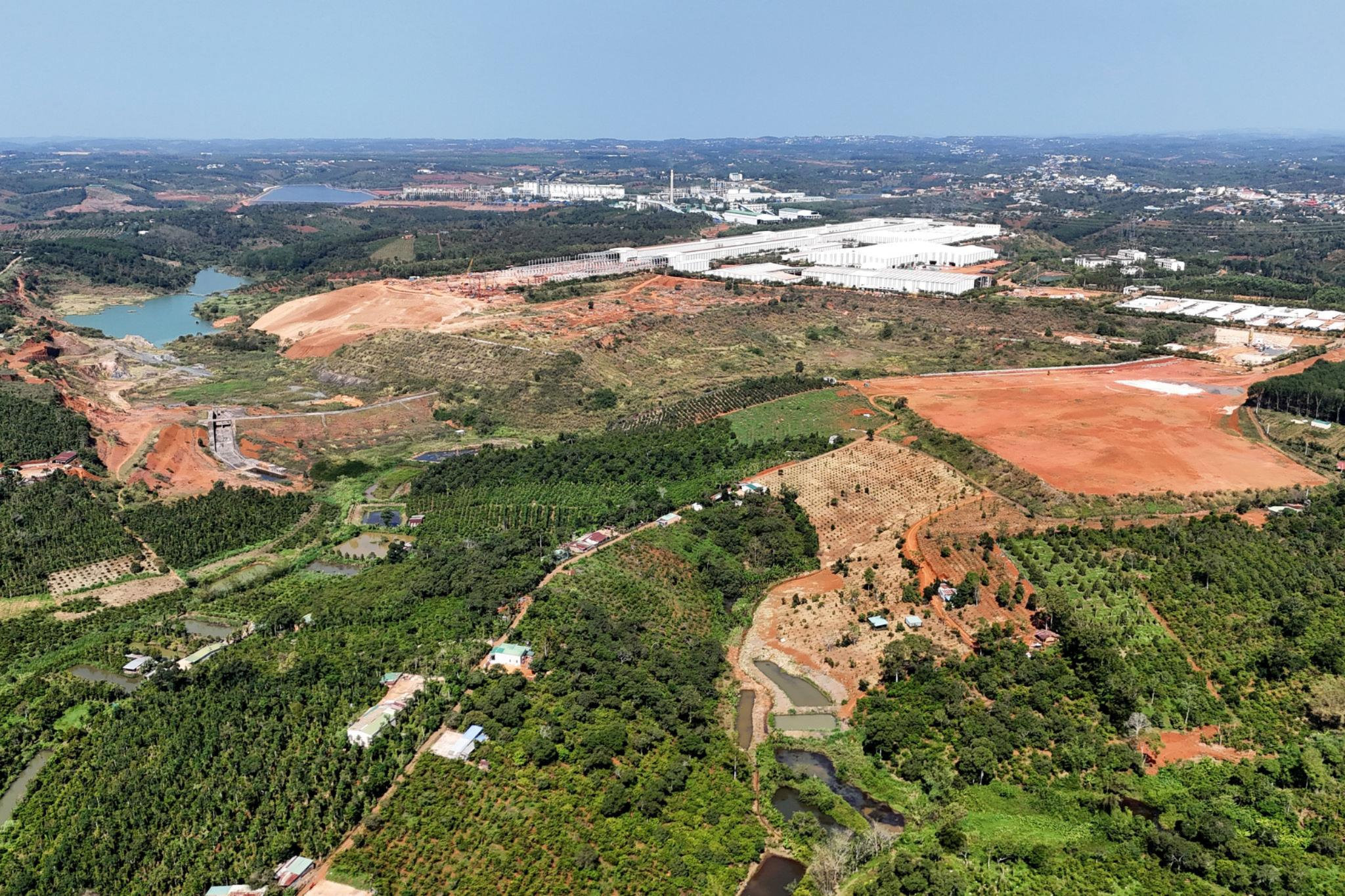
Meanwhile, investor requirements for infrastructure, logistics services and administrative efficiency are rising, while incomplete infrastructure and a shortage of cleared land continue to undermine investment attraction.
Authorities have identified four key bottlenecks: investment procedures, site clearance, fill materials and developers' implementation capacity. Resolving these constraints will be crucial to unlocking the full potential of Lam Dong's industrial parks.
Determined to achieve a breakthrough
By 2030, Lam Dong aims to develop an industrial park system that supports economic restructuring toward industrialization and modernization. Priority will be given to sectors such as energy, deep mineral processing, metallurgy and high-tech industries.
The province also plans to establish a network of industrial parks closely connected with urban centers, seaports, logistics hubs, expressways and future high-speed rail lines.
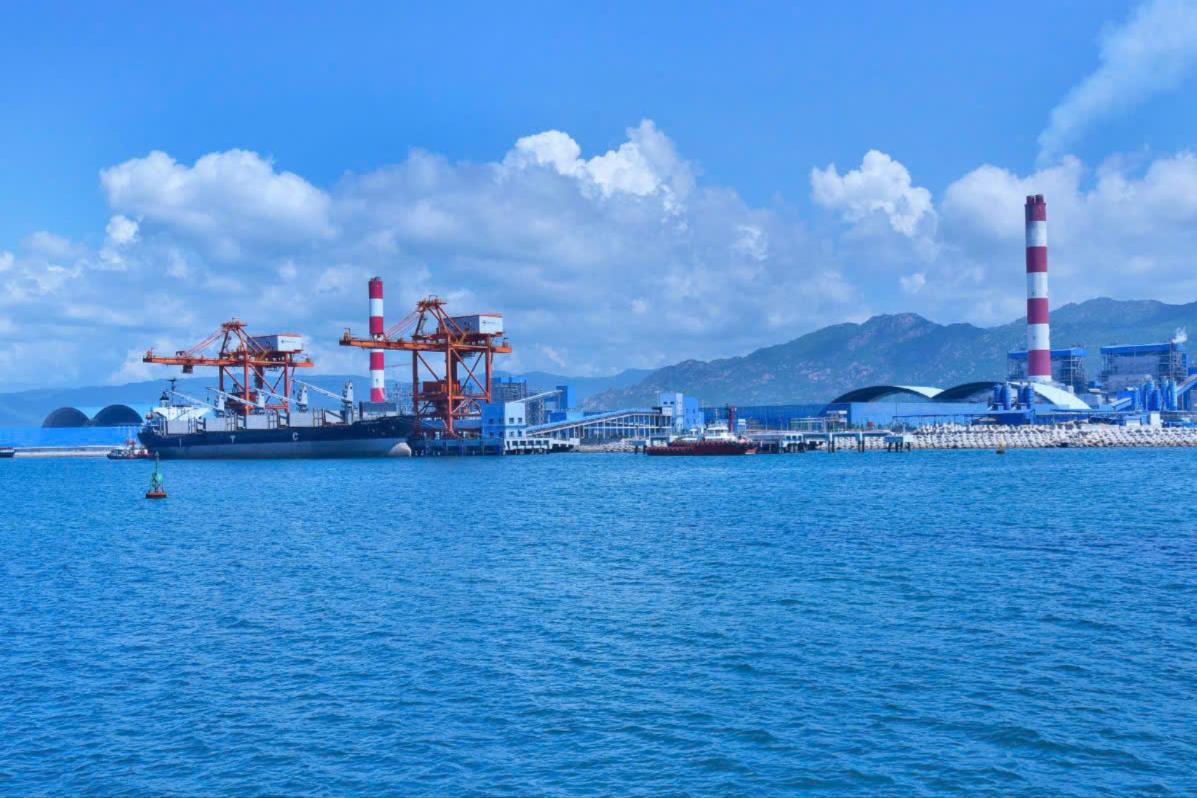
The province targets average annual growth of 14.6 - 15.5% in the industry-construction sector during 2026 - 2030. Of this, industrial production alone is expected to expand by around 12 - 13% per year.
To achieve these goals, Lam Dong has adopted a consistent approach of accompanying businesses through to project completion. Authorities at all levels will focus on removing bottlenecks related to investment procedures, planning, land access, environmental issues and fill materials.
These challenges will be addressed under the principle of “clear responsibilities, clear tasks and clear outcomes”, with local authorities treating business projects as their own responsibilities to facilitate investment and project implementation.
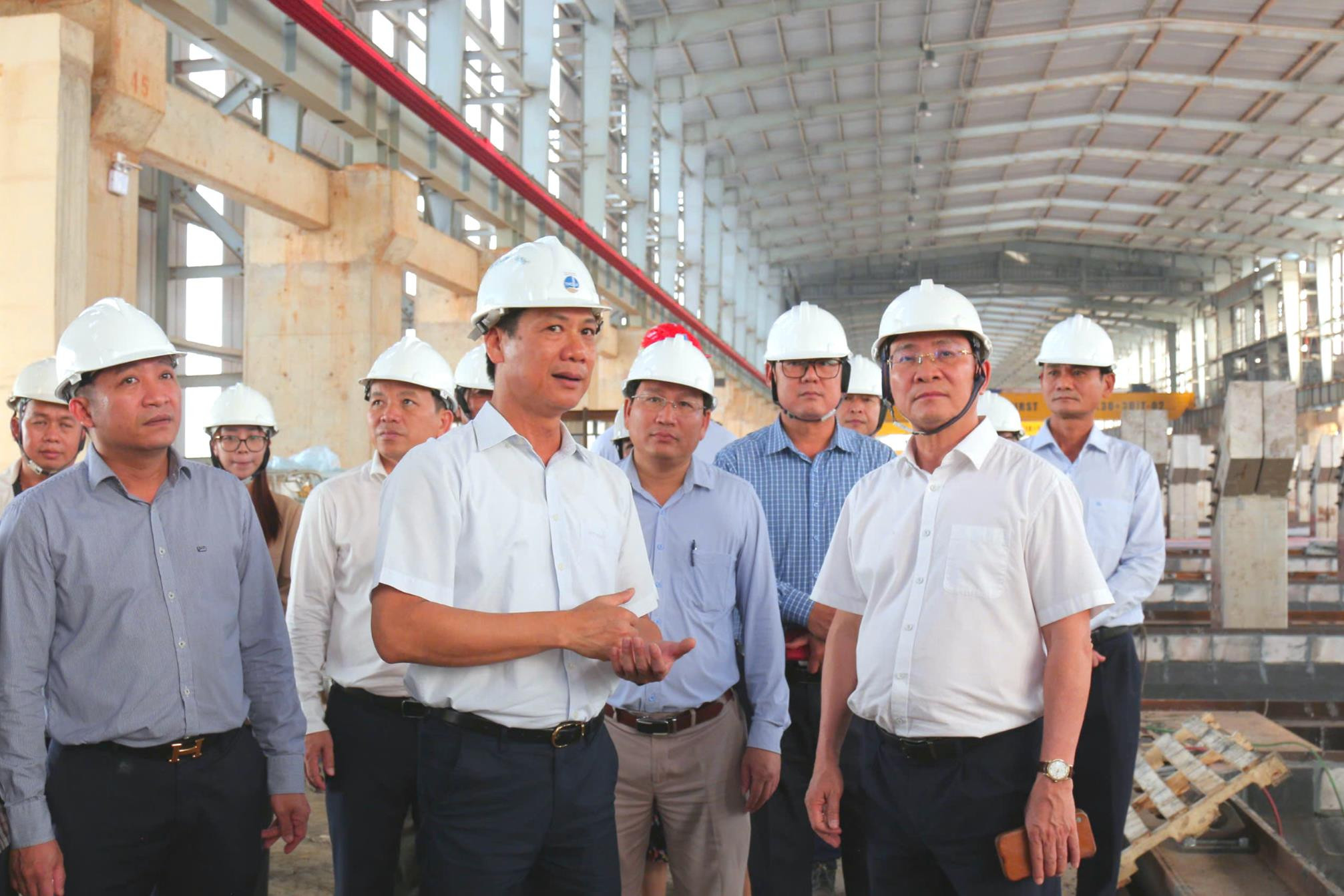
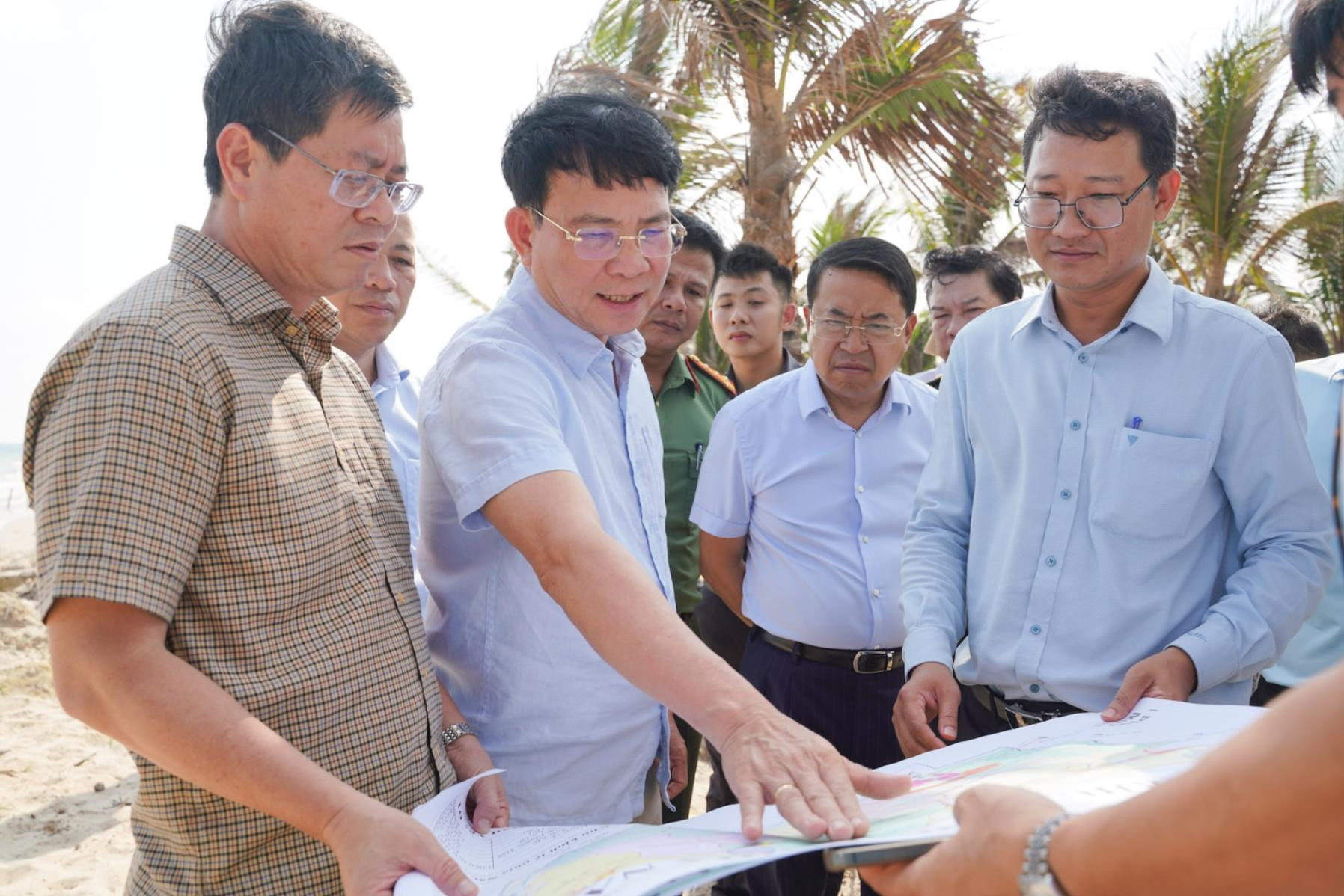
Discussing solutions to address existing obstacles, Nguyen Ba Ut, Director of the provincial Department of Industry and Trade, said the agency will regularly review the progress of each project and promptly identify difficulties. Based on these assessments, it will advise the provincial People's Committee on measures to remove bottlenecks and accelerate implementation.
Projects facing prolonged delays or implemented by underqualified investors will be reviewed and revoked where necessary. We will work with relevant agencies to resolve bottlenecks and ensure investors are not left to navigate challenges on their own.
Nguyen Ba Ut - Director of the Lam Dong Department of Industry and Trade
According to Ut, unlocking stalled projects and preventing resource waste will require not only support from provincial departments and agencies, but also proactive efforts by local authorities at the commune, ward and special-zone levels to address one of the biggest bottlenecks: site clearance.
Infrastructure developers must also take a more proactive and flexible approach to mobilizing financial resources, manpower and equipment to accelerate project implementation.
Only through coordinated efforts among authorities, businesses and local communities can Lam Dong bring its industrial parks into operation as soon as possible.