


Lam Dong Specialties Enter the Global "Digital Marketplace"
Amid the wave of digital transformation, cross-border e-commerce is emerging as a new export channel for Lam Dong’s agricultural products. Numerous local specialties have established a presence on digital platforms, making steady strides toward reaching global consumers.

Standardizing for Digital Platforms
Moving beyond traditional export channels, Lam Dong businesses and cooperatives are increasingly turning to global e-commerce platforms such as Amazon and Alibaba, not only to sell products but also to tell compelling product stories—from cultivation zones and production processes to the cultural values behind them.
Signature products such as Cau Dat Arabica coffee and Bao Loc Oolong tea have been early adopters of the digital marketplace, while Binh Thuan dragon fruit is now being piloted for online distribution in processed forms such as dried snacks and juices, targeting U.S. and European consumers.
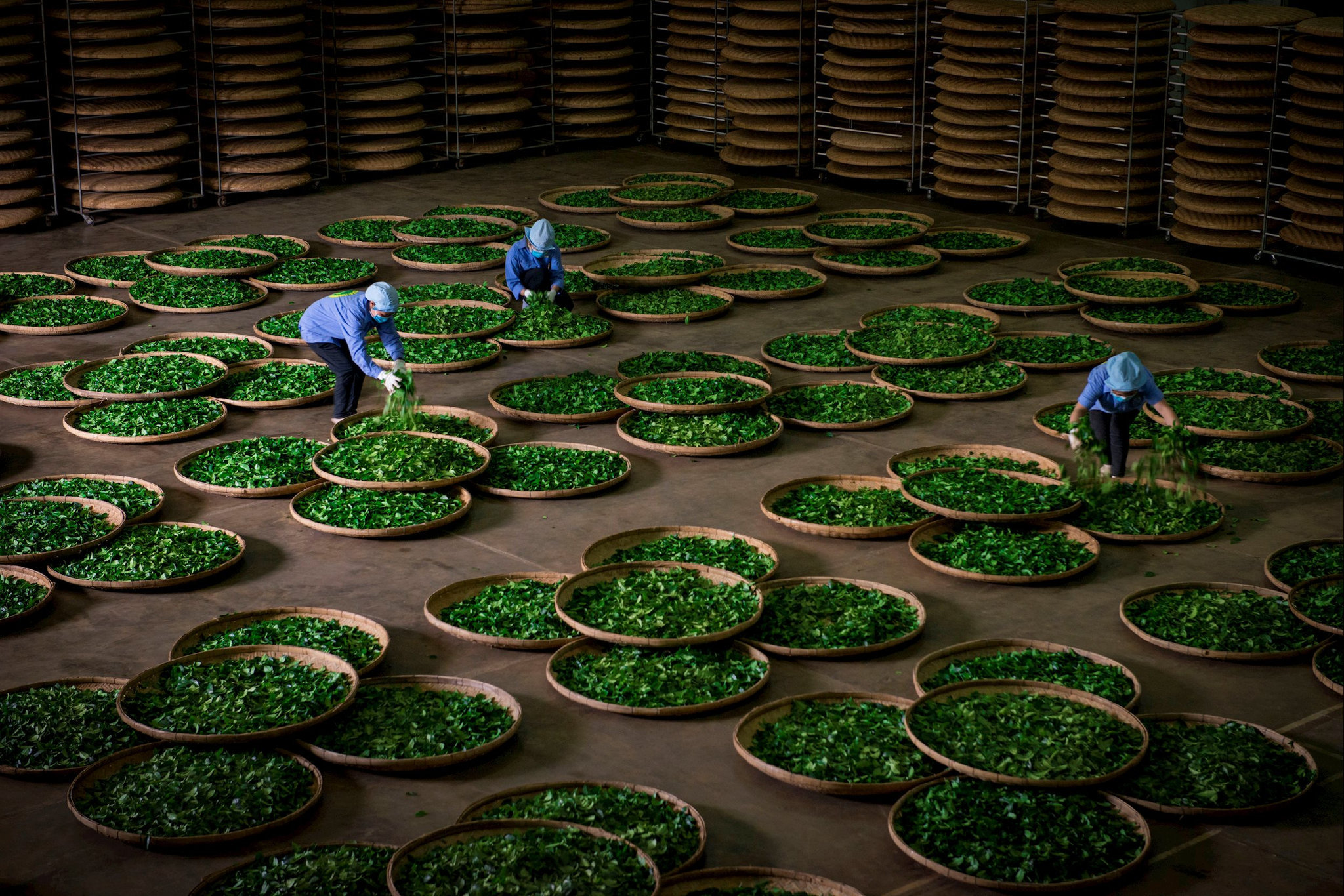
In tandem, a range of regional specialties—from fish sauce and dried seafood to pepper, macadamia nuts and Lam Dong Robusta coffee—are being standardized for B2B platforms, enabling direct connections with international partners.
According to Le Van Hoang, a representative of a Lam Dong-based coffee exporter, e-commerce helps cut out intermediaries and provides direct access to global buyers. “Initial orders may be modest, but it is an effective channel for brand building and market testing at relatively low cost,” he said.
Beyond traditional exports, businesses are also leveraging modern sales models such as livestreaming on TikTok Shop and Shopee, allowing products such as strawberries, wind-dried persimmons and organic vegetables to reach younger consumers and expand beyond Vietnam’s borders.
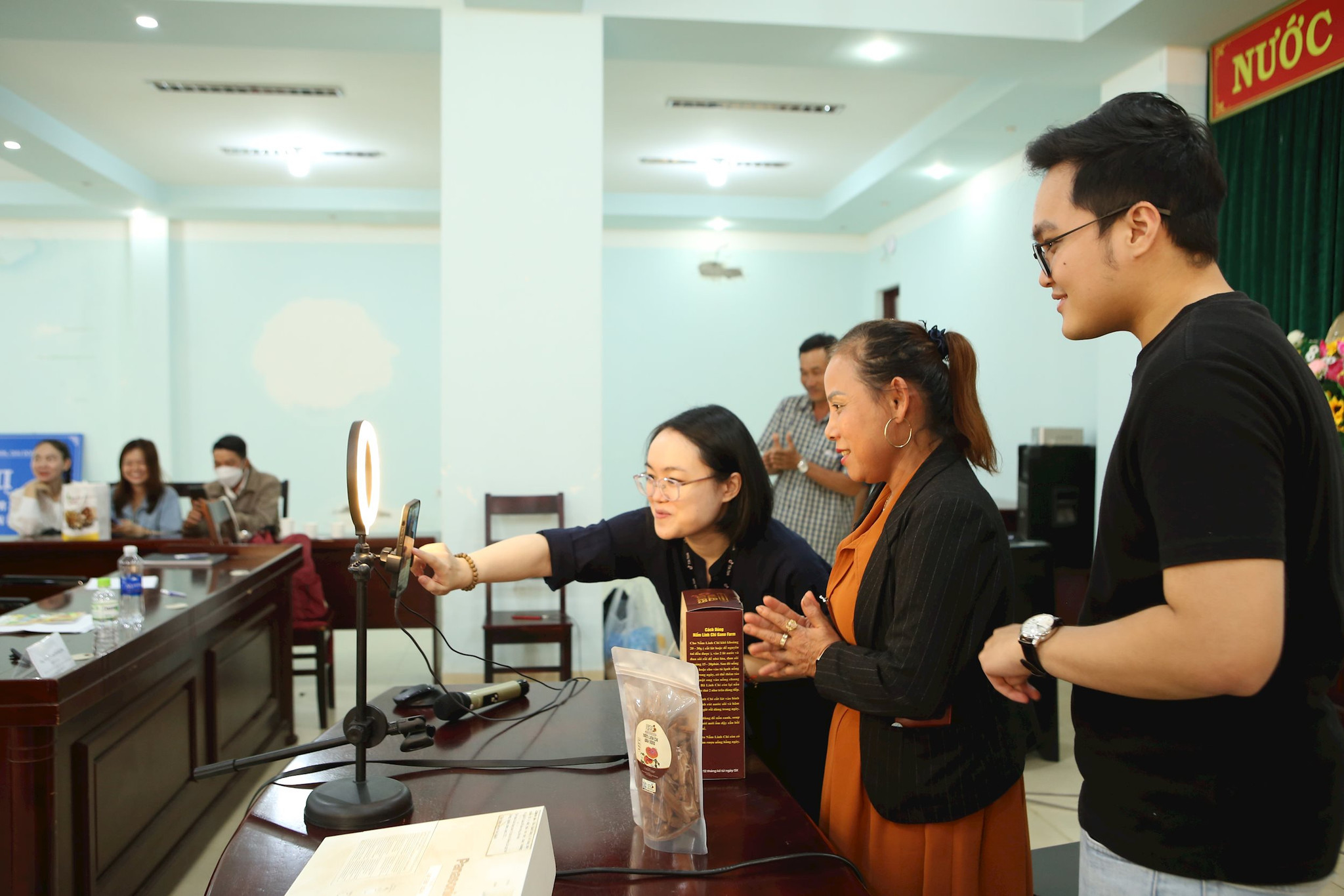
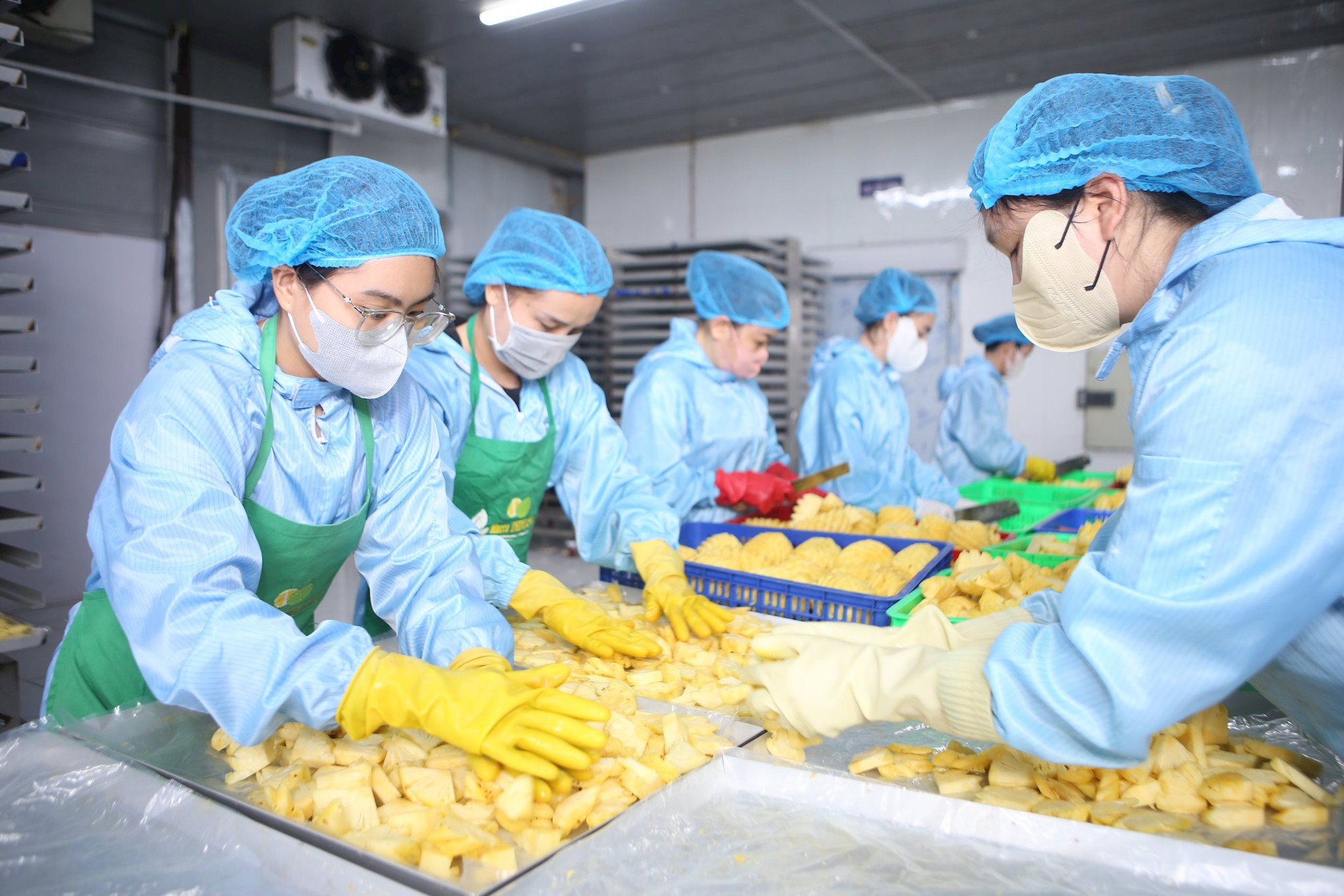
Participation in e-commerce is reshaping production mindsets, with businesses placing greater emphasis on packaging, traceability, quality certifications and branding—key requirements for accessing international markets.
Lam Dong has developed around 107,000 hectares of high-tech agriculture, accounting for nearly 40% of its total agricultural area, while more than 143,000 hectares meet safety standards. The province also has 954 export-oriented growing area codes, alongside numerous packing facilities that comply with international standards such as HACCP and ISO 22000. Together, these factors provide a solid foundation for local agricultural products to meet the stringent requirements of major global markets.
Great Opportunities, Significant Challenges
Despite strong potential, cross-border e-commerce continues to face multiple constraints, including high logistics costs, lengthy shipping times and stringent import requirements. Moreover, many small businesses still struggle with limited digital capabilities, language barriers and a lack of experience in managing online storefronts.
According to Lau Kieu Van, a representative of an agricultural export company, high shipping costs and stringent quality inspections remain key barriers. “Without support in logistics and digital skills, small businesses will struggle to expand sustainably,” she said.
From a market perspective, growth potential remains strong. A report on e-commerce development in Lam Dong shows that around half of the population shops online, with B2C revenue accounting for more than 10% of total retail sales. This provides a strong domestic foundation for agricultural products to scale up distribution before entering global markets.
In practice, Lam Dong has begun tapping into global markets, with 52 enterprises and cooperatives joining cross-border platforms such as Alibaba, TikTok Shop and Tridge. However, participation remains fragmented, according to Nguyen Van Khanh, Deputy Director of the provincial Department of Industry and Trade.
“E-commerce is becoming an essential tool for businesses to expand their reach, particularly for agricultural products. However, a shift is needed from fragmented participation to a more systematic and professional approach to these platforms,”
Nguyen Van Khanh, Deputy Director of the provincial Department of Industry and Trade
In response, Lam Dong is rolling out a range of measures, including digital skills training, logistics and cold-chain development, and the standardization of production areas, while stepping up trade promotion and partnerships with major global platforms.
In the digital era, agricultural value is defined not only by quality but also by market access and branding. E-commerce is enabling Lam Dong to move up the value chain—from a traditional producer to a recognized supplier.
While the path to global e-commerce remains challenging, it is creating new opportunities for Lam Dong specialties to expand their reach and integrate more deeply into global agricultural value chains.