


Lam Dong speeds up free health check-ups to complete locals' health database
Lam Dong is accelerating periodic health check-ups and free screening programs to complete its public health database while improving the quality of life and strengthening disease prevention.
Expanding access to healthcare
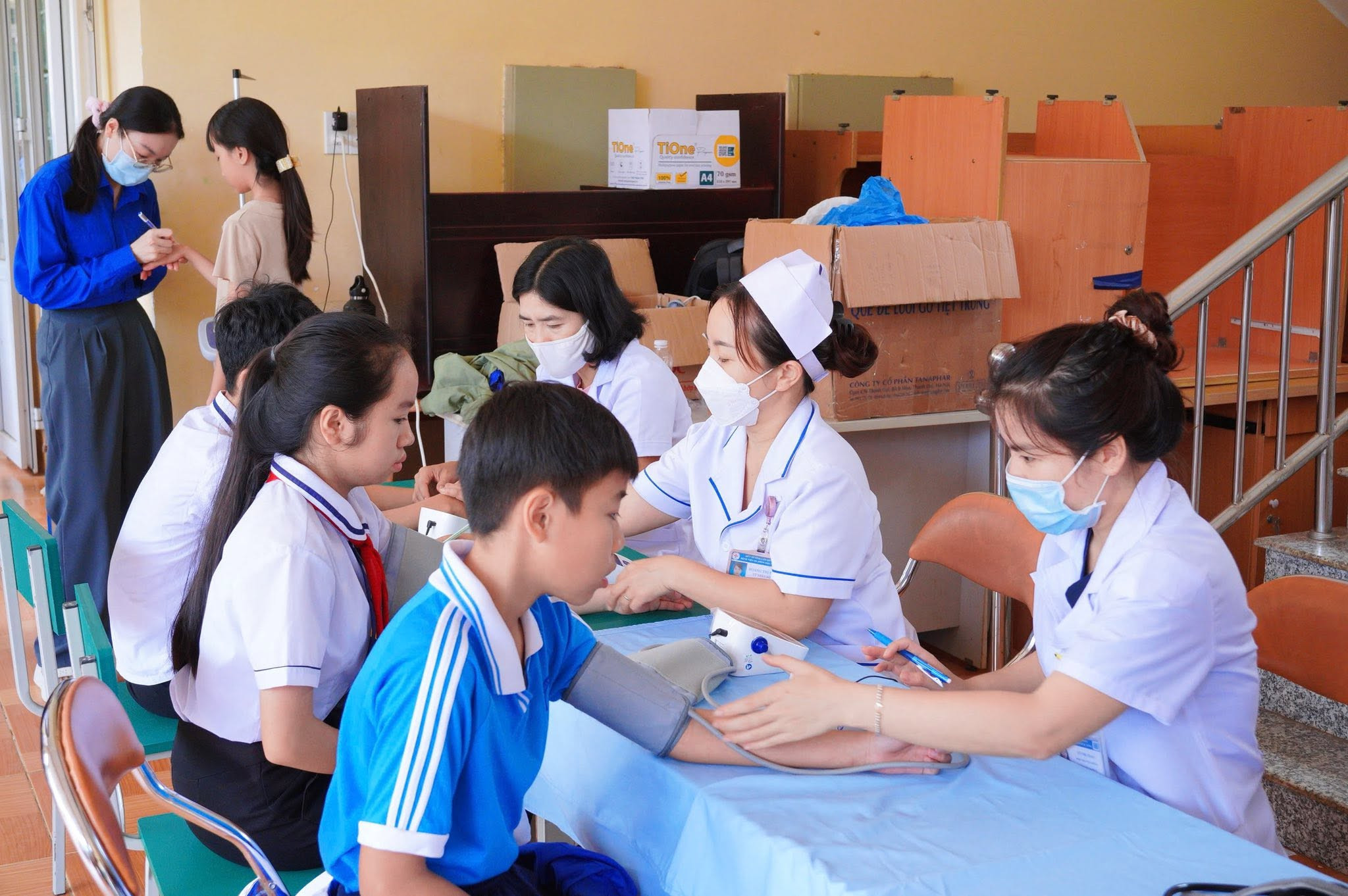
Since early June, Dak Nong General Hospital has coordinated with schools in Nam Gia Nghia, Bac Gia Nghia and Dong Gia Nghia wards to provide periodic health check-ups for nearly 20,000 students aged between 6 and 18.
To ensure progress, the hospital has established mobile medical teams equipped with sufficient personnel, medical equipment and integrated information technology systems. At each school, students undergo general health examinations, including height, weight and blood pressure measurements, as well as eye, ear-nose-throat, dental and musculoskeletal assessments. Additional tests are conducted when necessary.
Student health screening programs are also being rolled out across other localities in the province. At Le Van Tam Primary School in Duc An Commune, many parents have continued to bring their children for scheduled health check-ups despite the summer break.

Through the screenings, medical teams identified a number of cases of malnutrition, underweight and stunted growth, particularly in areas with large ethnic minority populations. Doctors subsequently provided parents with advice on nutrition and appropriate healthcare practices.
Thi Yen, a resident of Duc An Commune, said: “I think this is a very meaningful program because it helps parents better understand their children's health conditions. Many illnesses are difficult to detect early without regular check-ups. The doctors' advice has also given our family more knowledge about how to care for our children.”
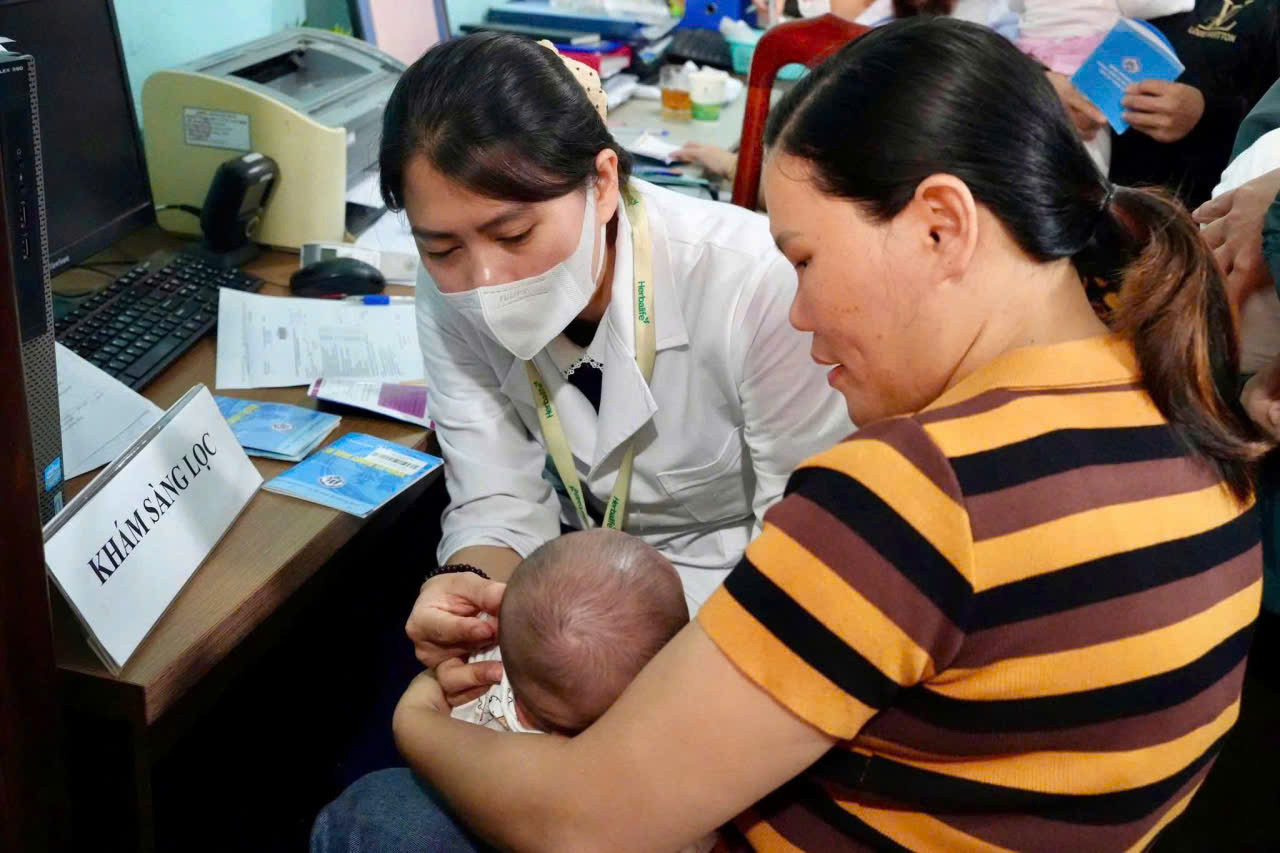
In addition to students, local authorities have rolled out health screening programs for children under six, workers and adults. Screening results are uploaded directly to electronic health records, helping the healthcare sector improve long-term health management, monitoring and care for residents.
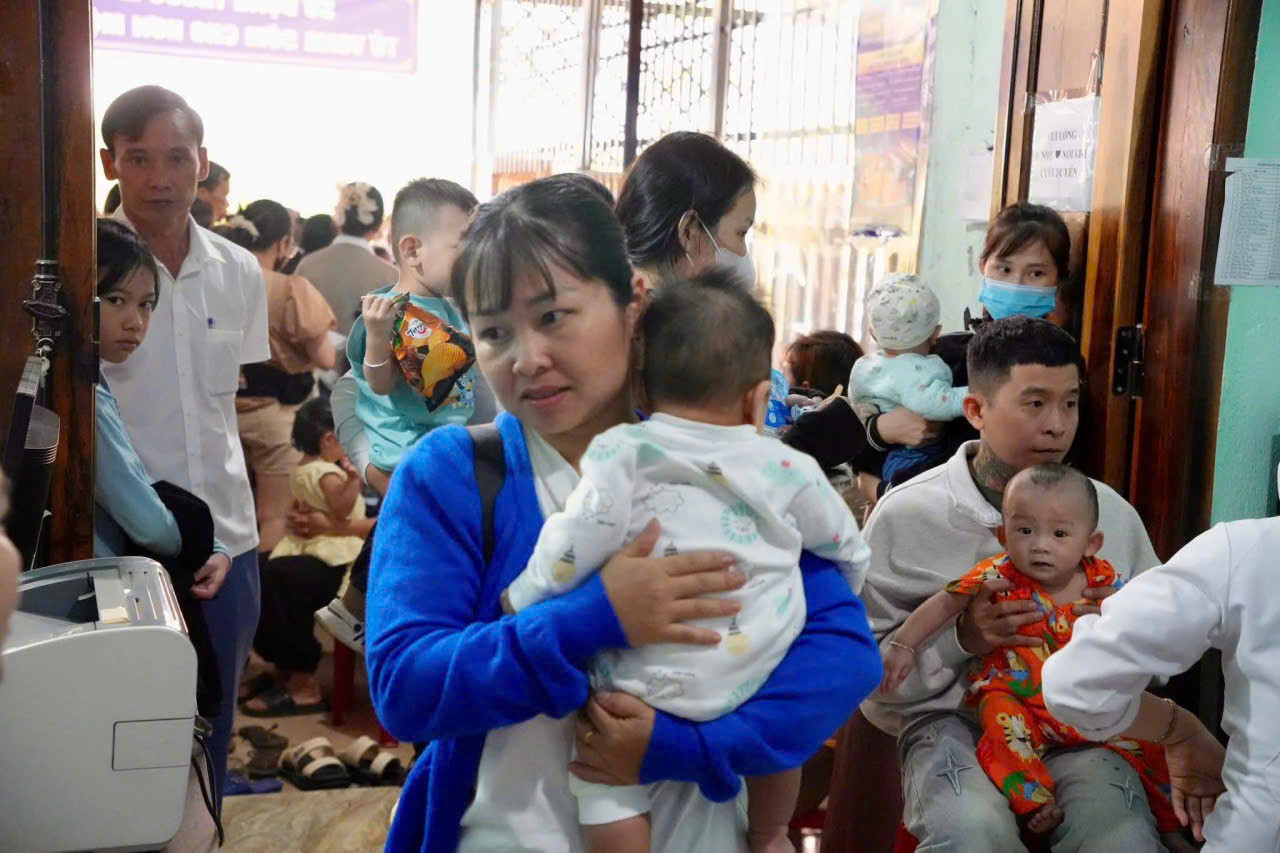
According to Dr. Mai Ngoc Quy, Deputy Director of the Dak Song Regional Medical Center, the unit has mobilized nearly 20 doctors and healthcare workers to join mobile screening teams, working beyond regular office hours and on weekends to ensure the program stays on schedule.
“Through these health screenings, we not only detect illnesses at an early stage but also provide residents with advice on disease prevention, nutrition and appropriate healthcare practices. The screening data is also uploaded to electronic health records, laying the groundwork for more effective public health management in the future,” Dr. Quy said.
Toward 100% health check-up coverage in 2026
The large-scale implementation of health check-up programs is supporting Lam Dong's goal of providing health examinations for all residents during the 2026 - 2030 period. However, health officials say progress in some localities has been slower than planned.
As of June 16, more than 414,500 residents had received health examinations, equivalent to about 10.7% of the province's population. The figure included 89,379 children under six, 289,103 students aged 6 - 18 and more than 38,018 adults.
In response, the Lam Dong Provincial People's Committee on June 20 issued a directive to accelerate periodic health check-ups and free screening programs, particularly for priority groups and adults.
Under the plan, provincial departments, agencies and local authorities have been instructed to expand health screening activities, with a target of covering 50% of the population in the first half of the year and achieving universal health check-up coverage by the end of 2026.
The healthcare sector has been tasked with mobilizing additional personnel, establishing more mobile medical teams and organizing examinations outside regular working hours and on weekends. Priority will be given to policy beneficiaries, adults and areas with low screening rates.
The education sector will work with schools to encourage student participation, while local authorities will strengthen public outreach efforts and notify residents of screening schedules.
Meanwhile, media agencies have also been tasked with raising awareness of the benefits of regular health check-ups.
With the involvement of the entire political system, the healthcare sector and local authorities, the province-wide health screening program is steadily expanding, with the goal of ensuring all residents receive comprehensive and long-term healthcare.