


Lam Dong Standardizes Products, Connects with the Global Halal Market
Amid opportunities in the trillion-dollar Halal market, Lam Dong Province is accelerating product standardization, strengthening business connectivity, and shaping a Halal ecosystem to deepen its integration into global supply chains.
.jpg)
Advantages in Agriculture, Processing and Tourism
With approximately two billion Muslims worldwide, demand for Halal-certified products and services continues to grow, creating new opportunities for regions with strengths in agriculture, food processing and tourism, such as Lam Dong.
At a recent Halal Industry Information Seminar jointly organized by the Lam Dong Provincial People's Committee and the Ministry of Foreign Affairs, discussions focused not only on identifying potential but also on finding effective approaches to entering the market.
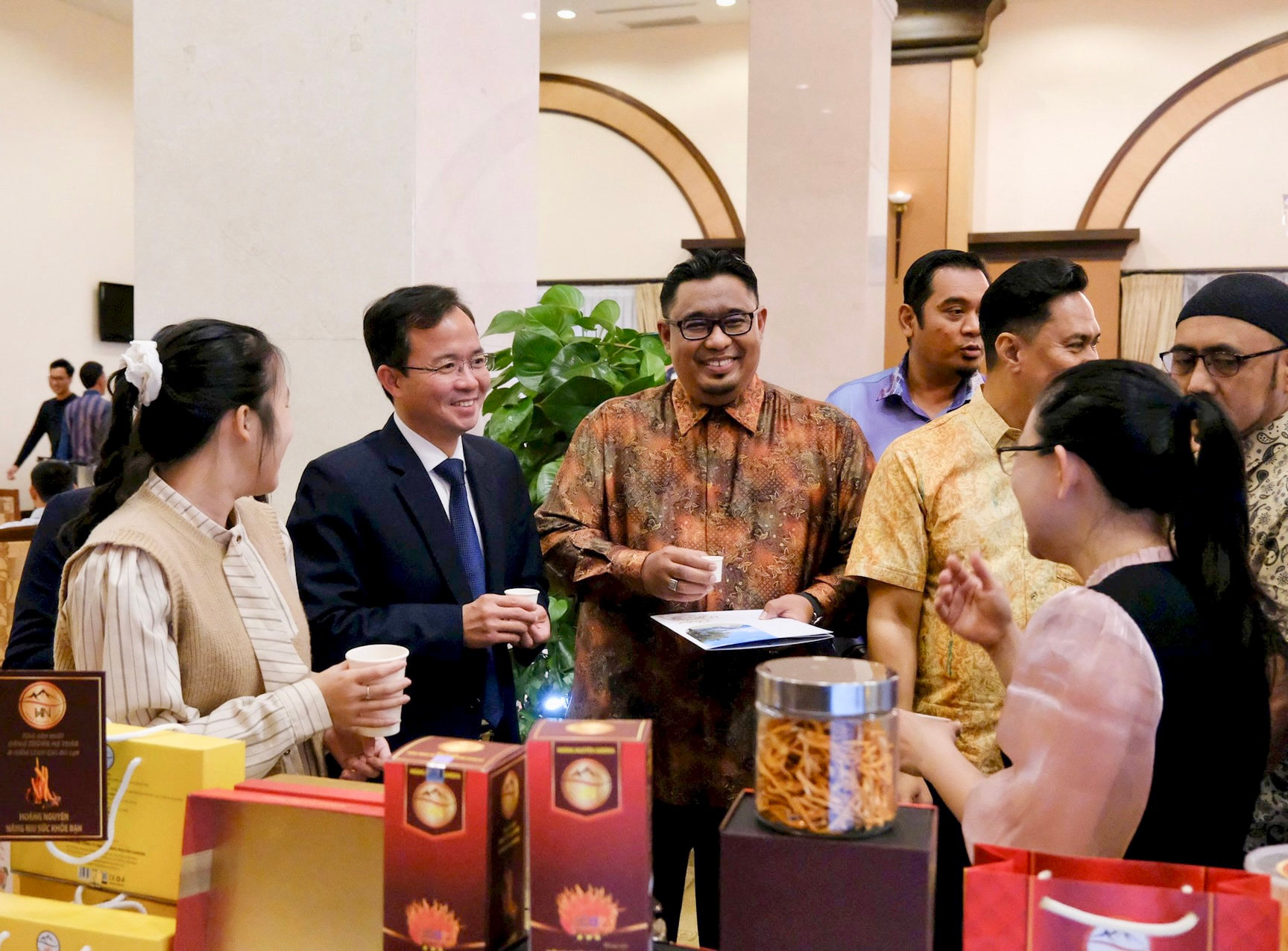
Halal is more than a technical certification. It represents a comprehensive system of standards associated with consumer trust, cultural values, product traceability, supply chain management and service quality.
Dinh Van Tuan, Vice Chairman of the Provincial People's Committee, said Lam Dong considers Muslim-majority countries a strategic target market.
Lam Dong does not view Halal as a short-term trend. Instead, we see it as a long-term market development strategy linked to export diversification and attracting high-spending visitors.
Dinh Van Tuan, Vice Chairman of the Lam Dong Provincial People's Committee
Lam Dong has begun laying the foundation for a Halal ecosystem. The province currently has 38 businesses and establishments certified in Halal standards across agriculture, food production and tourism.
During the first six months of 2026, exports to Muslim markets reached approximately USD 40 million, while imports from Muslim-majority countries totaled around USD 60 million. Although still modest compared to the market's full potential, these figures indicate the province's initial success in establishing trade connections.
From an economic perspective, Lam Dong possesses several advantages that align well with Halal market requirements. Its high-tech agricultural sector produces key commodities such as vegetables, flowers, coffee, tea and fruit, alongside a growing range of value-added processed products suitable for export.
The increasing emphasis on safety, quality, traceability and production standards in Muslim-majority markets is also consistent with Lam Dong's strategy to upgrade its agricultural value chains.
Beyond products, Lam Dong enjoys significant tourism advantages. Da Lat, Phan Thiet and surrounding areas are experiencing strong growth in resort tourism, cultural experiences and wellness travel.
These segments can be adapted into Muslim-friendly tourism products through investments in Halal cuisine, suitable accommodation, prayer facilities, specialized tour services and culturally sensitive hospitality standards.
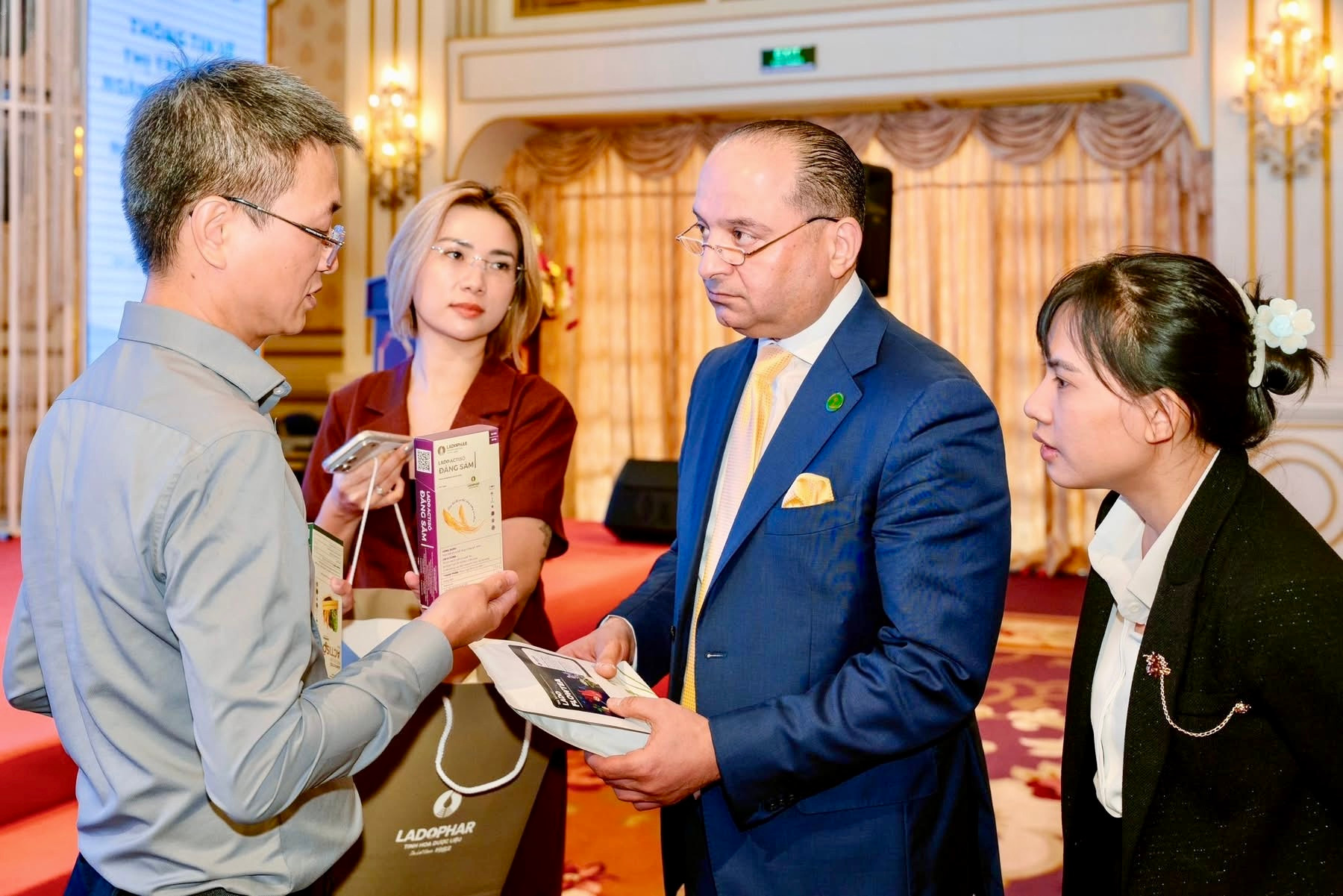
Representatives of Ladophar Lam Dong noted that obtaining Halal certification in December 2024 required changes throughout the production process, from sourcing raw materials and manufacturing to packaging, storage, transportation and product promotion.
A Halal certificate may be a prerequisite, but sustainable market access also depends on production scale, supply consistency, quality standards, delivery capacity and a thorough understanding of consumer preferences in each market.
The Halal market is emerging as a highly promising economic space extending far beyond food products to include tourism, hospitality, cosmetics, pharmaceuticals, logistics, e-commerce and healthcare services.
From Certification to a Comprehensive Market Ecosystem
Despite promising beginnings, Lam Dong's Halal sector remains in its early stages and has yet to develop into a fully integrated ecosystem. Challenges such as transportation connectivity, geographic distance, cultural differences, market information gaps and limited distribution networks remain significant barriers.
As a result, the province's Halal strategy is not simply about increasing the number of certified businesses but about building a trusted value chain capable of meeting international market expectations.
.jpg)
According to Nguyen Phuong Tra, Director-General of the Middle East and Africa Department under the Ministry of Foreign Affairs, Vietnam's legal framework for Halal development is becoming increasingly clear following the government's Halal Industry Development Program through 2030, the establishment of the National Halal Certification Center and the implementation of Decree No. 127/ND-CP effective June 1, 2026.
This is an opportune time for Lam Dong to position itself within the global Halal supply chain, particularly in agricultural products, processed foods and tourism services.
Nguyen Phuong Tra, Director-General of the Middle East and Africa Department, Ministry of Foreign Affairs
To move forward, the province needs a focused action plan. This includes identifying products with strong Halal market potential, selecting leading enterprises for certification support, standardizing production processes and strengthening distribution networks.
At the same time, market intelligence systems should be developed to help businesses access supermarket chains, importers and retailers across the Middle East and other Muslim-majority countries. In tourism, pilot programs featuring Muslim-friendly destinations, accommodations and restaurants could help create marketable tourism products.
.jpg)
With its strengths in high-tech agriculture, distinctive local products, rich tourism resources and commitment to market diversification, Lam Dong has a valuable opportunity to transform its existing advantages into a new growth sector, increase export value, expand service industries and deepen its participation in global supply chains.